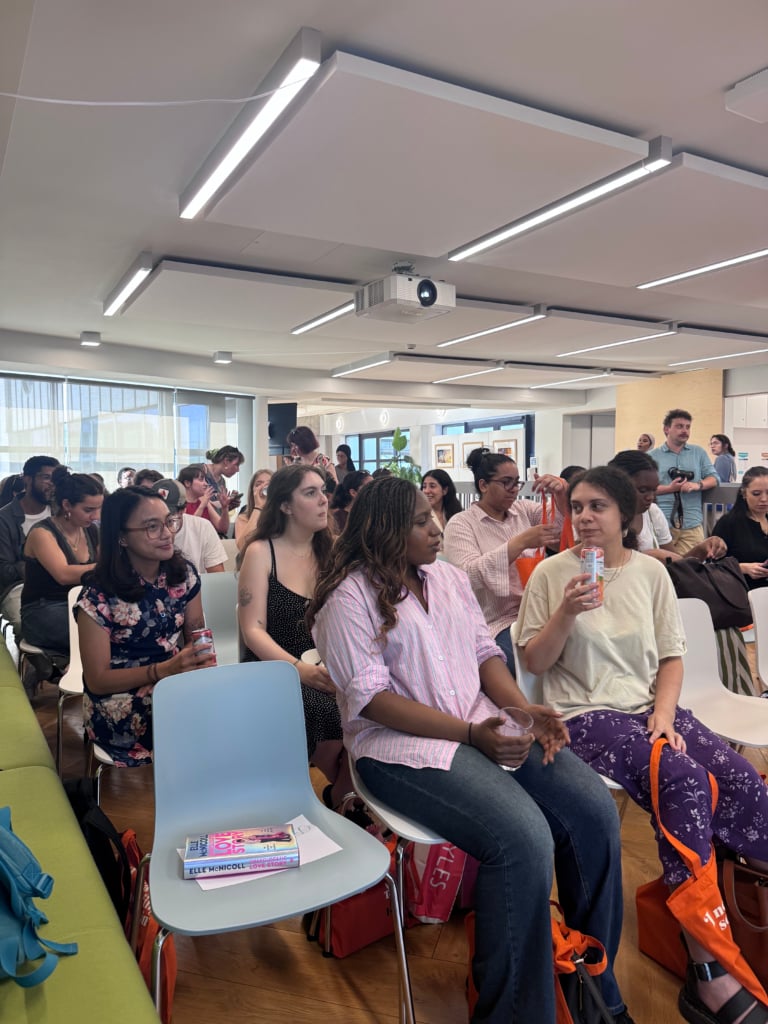
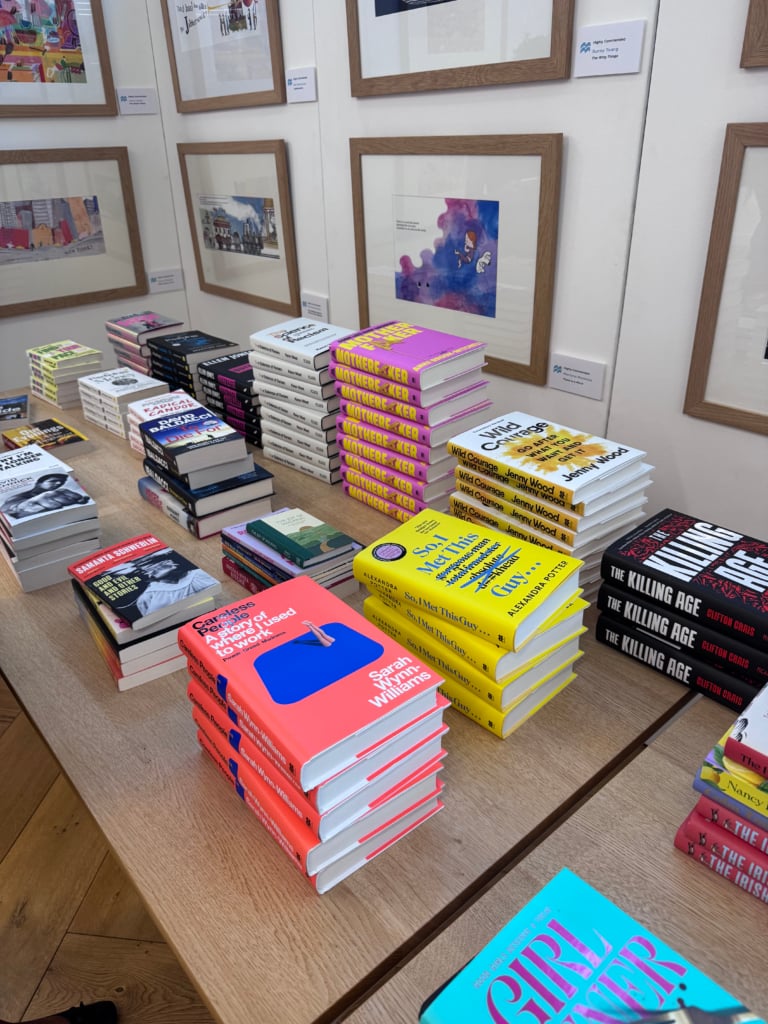
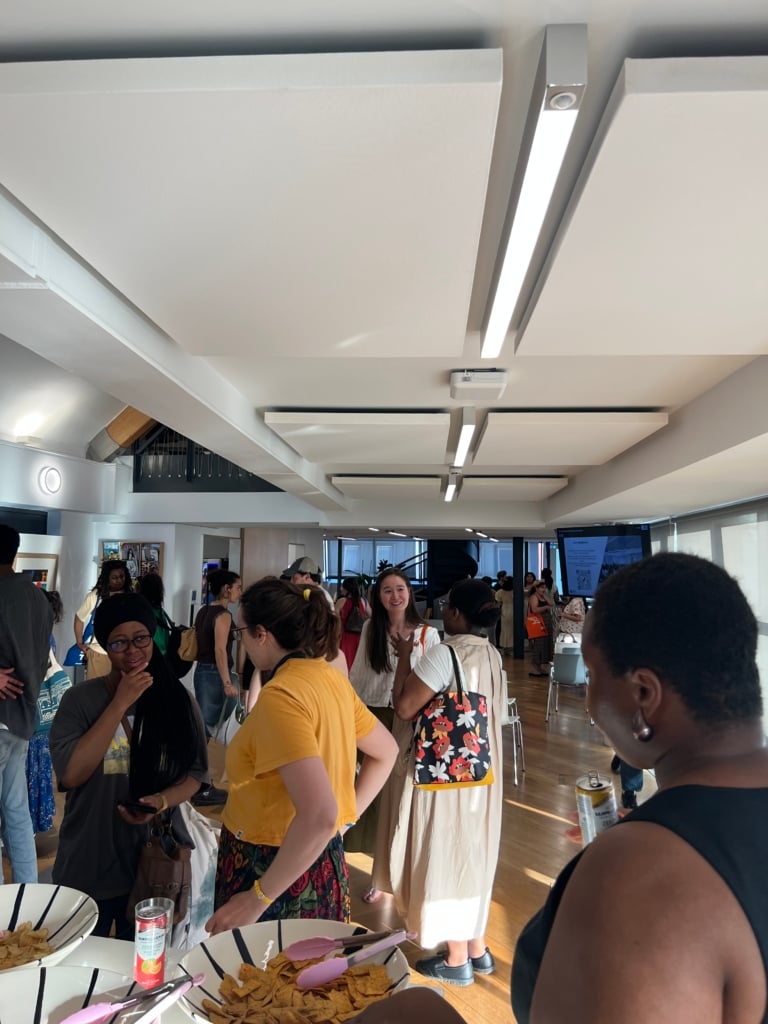
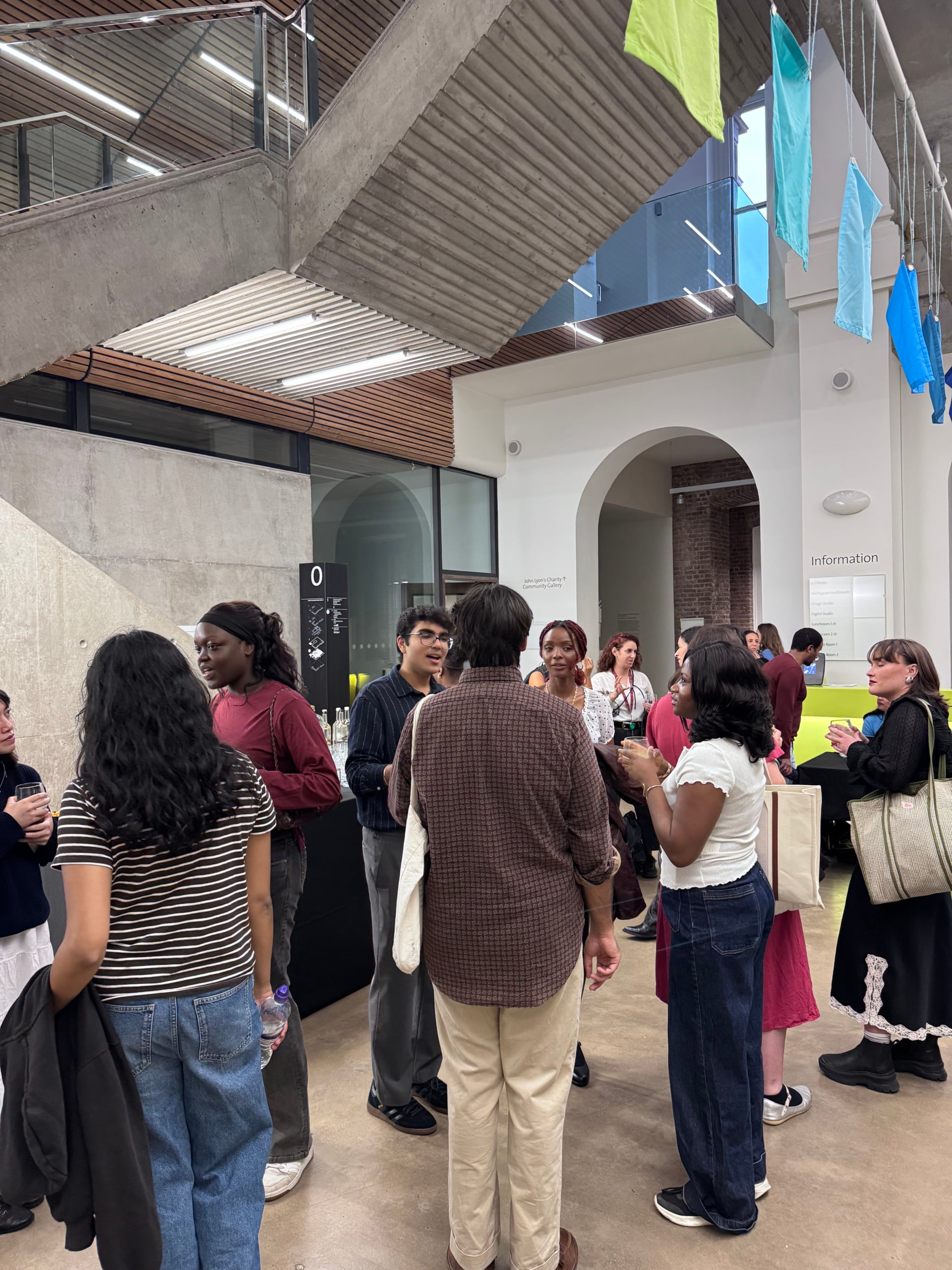
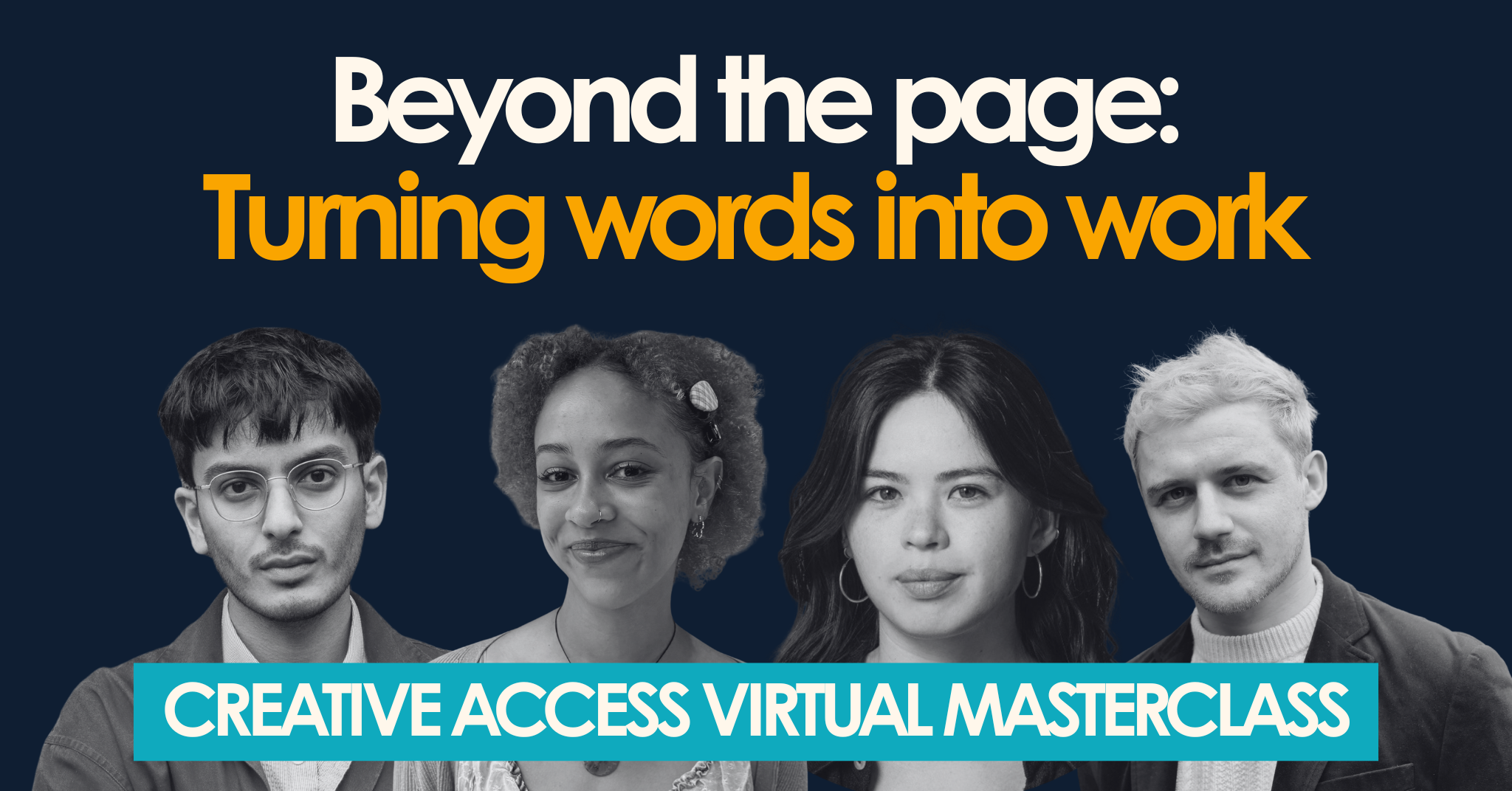
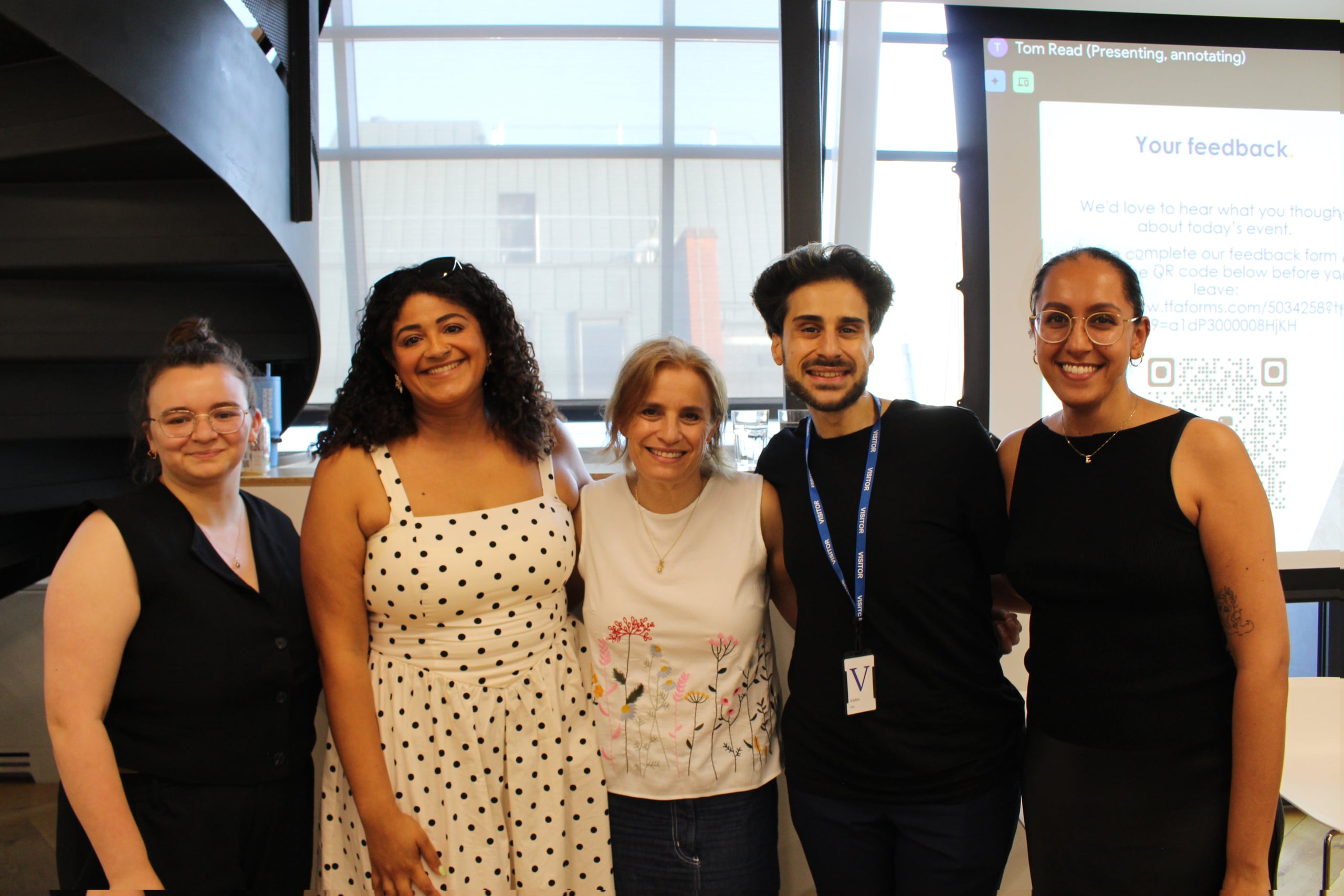
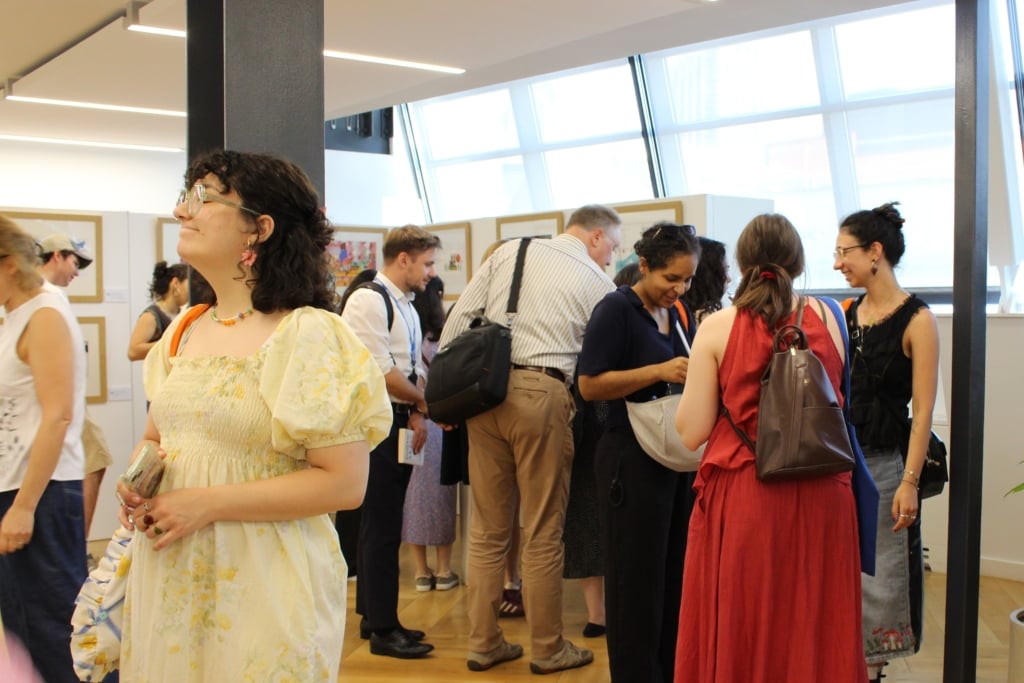
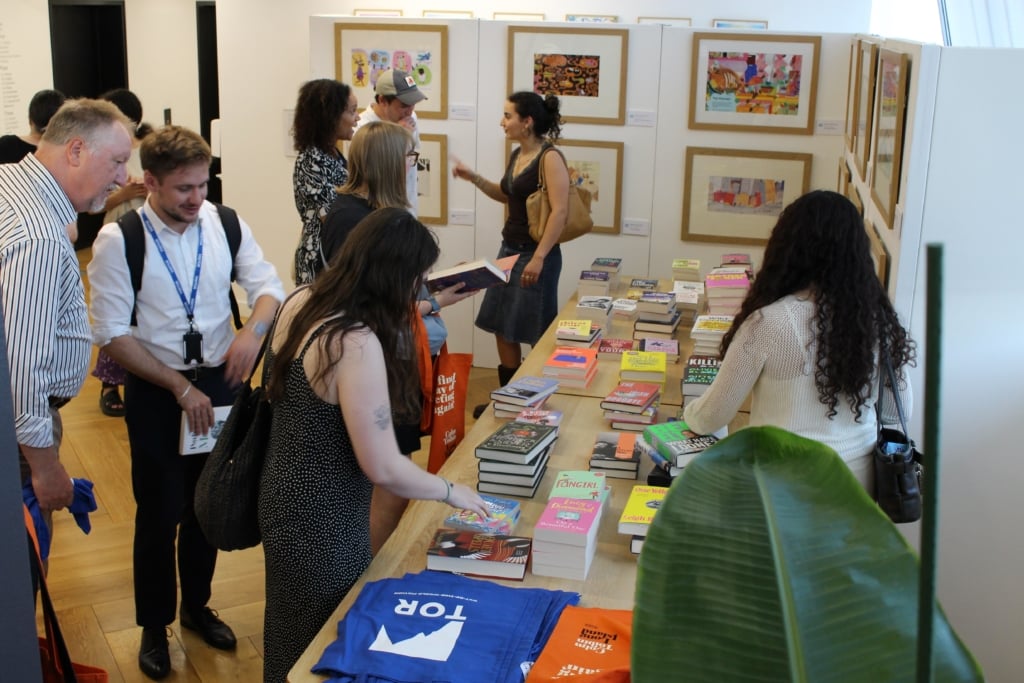
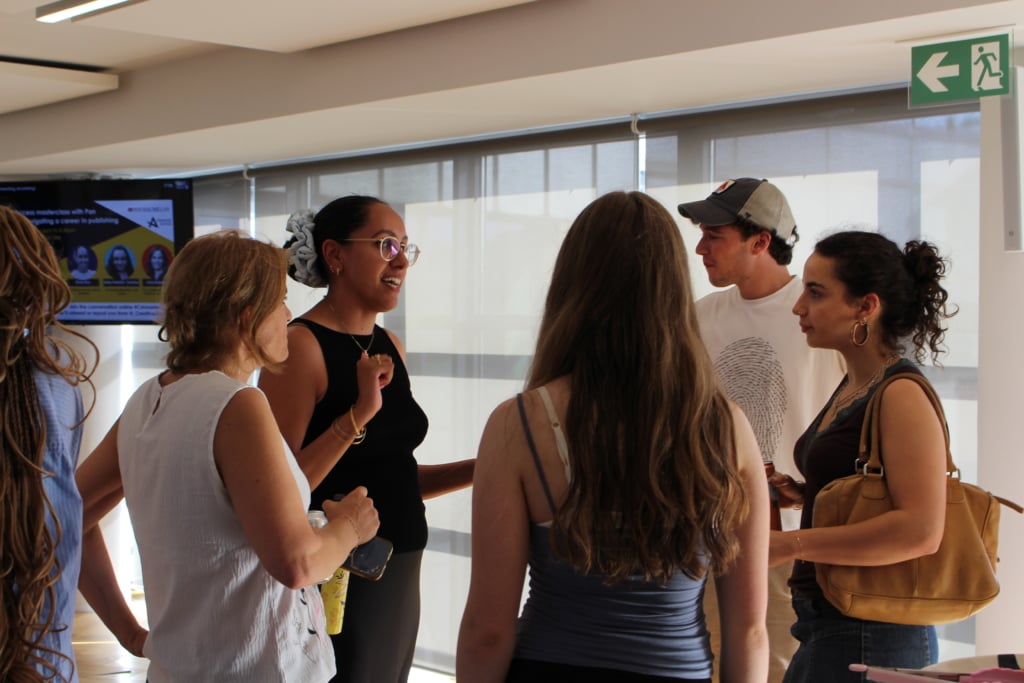
June’s Creative Access masterclass with powerhouse publisher Pan Macmillan was a bittersweet one. Hosted during an historic heatwave, the evening was a warm celebration of community, honest career insights, and what it takes to build a career in publishing. It was also our founder, Josie Dobrin’s, final masterclass as she steps down from her role. In her intro, Josie commented on the historic partnership between Creative Access and Pan Macmillan, as one of the instrumental funders of our mission over a decade ago. The organisation has been instrumental to our legacy and success, so this felt like the perfect masterclass to honour the end of an era!
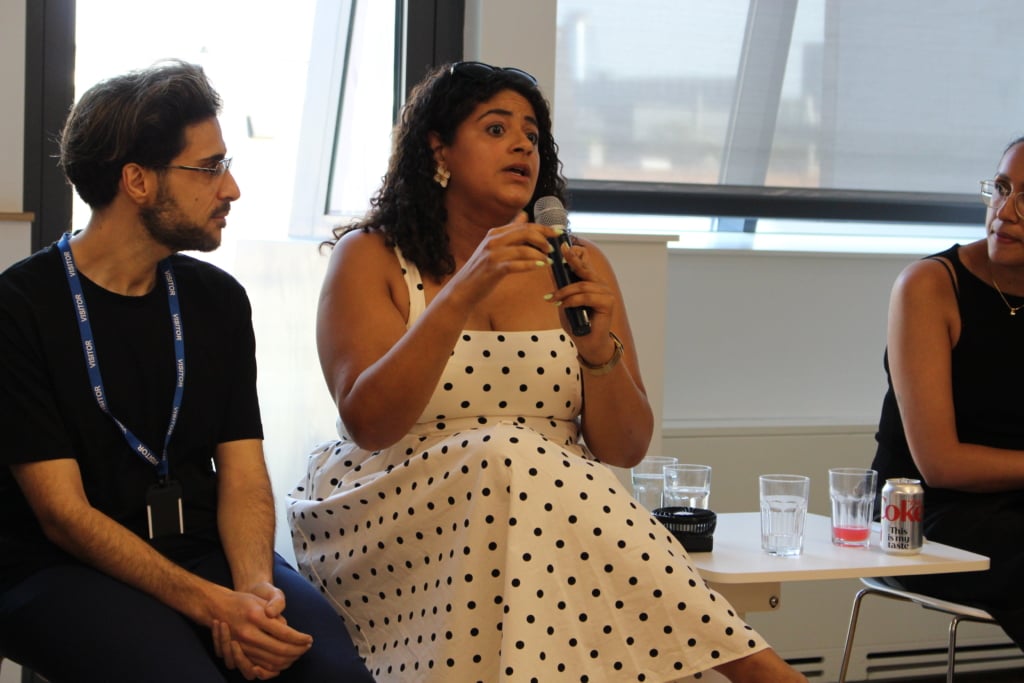
Chaired by Josie, the expert panel featured a trailblazing team from Pan Macmillan (all CA alumni!):
- Andy Joannou, audience development director
- Cheyney Smith, head of marketing at Macmillan Children’s Books (MCB) and First Ink
- Eishar Brar, publisher, fiction & non-fiction, at Macmillan Children’s Books
- Gaby Puleston-Vaudrey, commissioning editor for romance in the Pan Macmillan fiction team
- Josie Dobrin OBE, co-founder and executive chair at Creative Access
A peek behind the curtain
With such a variety of roles on the panel, each speaker had vital insights to share with our community of publishing hopefuls and seasoned professionals alike. They kicked off by explaining exactly what their titles mean and what a day in their life actually looks like.
For commissioning editor Gaby, it’s all about looking at submissions (which is when authors and their agents send in their manuscripts to publishers), tracking trends on BookTok (huge book-loving community on TikTok), and persuading the wider team which books to publish. Gaby comes with a background in indie publishing and audio, so the transferable skills of communication and project management have been instrumental when managing the publishing process and tracking project progress across teams.
Andy is an audience development director, which means making sure every book across Pan Macmillan’s divisions is seen by the relevant audience across all corners of the internet. He (very helpfully) broke it down for us: “Imagine you click on a book you like, then see it on every other page you go to. That’s my job, getting books to follow you around the internet!”
Cheyney started in editorial as a CA intern and now leads a team as head of marketing. Her role is incredibly varied and involves managing digital ads and social campaigns on everything from picture books to Young Adult (YA) fiction. Day to day, you might find her working with editorial or sales teams, brainstorming creative copy or gathering audience insights, and ultimately making sure Pan Macmillan’s books reach their target market.
It’s a similar story for publisher Eishar: “No two days are the same.” Her role involves managing both fiction and non-fiction titles, ensuring every team is aligned to a clear publishing vision and strategy.
Community at the core
Against a backdrop of BookTok, rising AI usage and readers absorbing stories in more varied formats than ever before, the industry is changing.
Eishar commented that it is more open than it used to be, as organisations like CA work to demystify the different roles and divisions through inclusive employability initiatives and masterclasses like this one. Andy added that new methods of discoverability have made a big impact: “Young people are less likely to be reading now, but there are new channels like TikTok and audiobooks bringing stories to new readers.”
Gaby said social media has dissolved a lot of the barriers that previously existed between readers, publishers and authors. Publishers are less likely to have complete oversight of what’s popular, while authors can be more likely to be experts on their individual audiences. She emphasised the importance of equal involvement: “both [publishers and authors] are bringing different perspectives to the publication of each book”.
Andy also raised his need to build resilience when navigating these online spaces, as the rising role of social media in the process means that publishers are increasingly engaging directly with feedback from their audiences.
On building audiences, Cheyney spoke to how readers are evolving too. “Readers are not as responsive to hard sales or being treated as consumers, rather than community members. It’s more important now than ever to build genuine community and connection.”
We try to reach our readers where they are.
Andy Joannou, audience development director
What are publishers looking for?
On what makes a good submission, Gaby told us it’s all about putting together a strong pitch, knowing comp titles (meaning similar, recognisable works by other authors that help your reader know what to expect) and showing an awareness of current trends so your work can hit the shelves at the right time. Ultimately, she’s looking for that ‘spark’: “As an editor, I can fix things like grammar, but I can’t force a spark from a writer.” Now that genre-bending fiction is on the rise, it’s all about voice and, of course, 2010s nostalgia (yes, that does mean Twilight).
Eishar let us know that the trends in YA fiction are similar. Dystopia and thriller remain popular, while graphic novels are growing hugely in popularity: “people crave original stories” and younger readers are increasingly drawn to the format. In the world of non-fiction, Eishar notes a shift away from the “celeb bubble”. Readers are no longer looking to the stars for insights and are more likely to turn to qualified experts.
In a world where attention is a precious resource, Andy noted a resurgence of books guaranteed to reduce screen time. Activity books like colouring and puzzle books are becoming increasingly well-liked by children and adult audiences, especially as online communities grow around specific trends like ‘cosy colouring’.
Breaking into the industry
When asked to share advice for publishing hopefuls and people just starting out, Cheyney stressed the importance of being thorough throughout the application process: “We want to get to know you”. Show how much you care about the specific opportunity by researching the company and role carefully then reference what you find in your application materials. Also, answer every question on the application form (yes, even the ‘optional’ ones). Use the first paragraph of your covering letter to demonstrate both your passion and your research. Speak to your relevant skills and experience further down the page.
Eishar echoed this. Attention to detail is hugely important, and clear use of AI-generated material won’t work. Questions like ‘what’s your favourite book’ are vital; take the chance to showcase your personality and passion, as well as your awareness of market trends.
Andy reminded us that a strong application is a specific one. Tailor your application to the role and the skills listed on the job description. For Gaby, it’s also about making any references relevant to the role and the publisher you’re applying to. Formatting and layout are important too; think about the person sitting down to read your application – don’t overcomplicate or overfill the page, and make sure it’s easy for a reader to digest.
Emerging technologies and using AI
AI was a hot topic for our Pan Mac panel!
For Eishar, AI is an emerging skill set and adapting to new technologies is an important part of working life. It can be useful to show awareness of how AI might be applied during the publishing process, especially admin, but warned against becoming overly generic and losing your unique voice:
Don’t be afraid to show you’re a person, not a robot!
Eishar on using AI in the application process
For Andy, it’s important not to shy away from using AI. “We are not going to be replaced by AI. We are going to be replaced by people who can use AI.”
However, Cheyney reassured us all to never underestimate the importance of being able to do our own admin. Diary management, Excel spreadsheets, writing emails and many other processes across the creative industries rely on administrative skills. These are transferable skills that can be developed through a range of experiences and are still essential despite the rise of AI usage.
Audience questions
Our audience asked some great questions.
On experience that helps applicants stand out, Eishar and Andy spoke to showcasing passion by building a portfolio of prospective work and/or online presence through platforms like BookTok, Bookstagram and Substack. Having online courses like Pan Macmillan’s virtual career insights programme on your CV showcases clear commitment to building skills and gaining industry knowledge.
On career switching without traditional experience or educational background, Josie emphasised just how much of an asset career switchers are to creative teams.
When prepping for interviews, you might want to consider questions like: what did the publisher do to market this book? How did the campaign work? Why was it successful? What did you like about it?
Ultimately, we just want to see a love of books!
Eishar Brar, publisher, fiction & non-fiction, at Macmillan Children’s Books
Huge thank you to Pan Macmillan for hosting us, our panellists for sharing their insights, Josie Dobrin for chairing AND for almost 15 incredible years at Creative Access, and our community for joining us on a warm summer’s evening!
To join future Creative Access masterclasses and hear directly from leading voices across the creative industries, make sure you’re registered with us and keep an eye on our Opportunities Board.