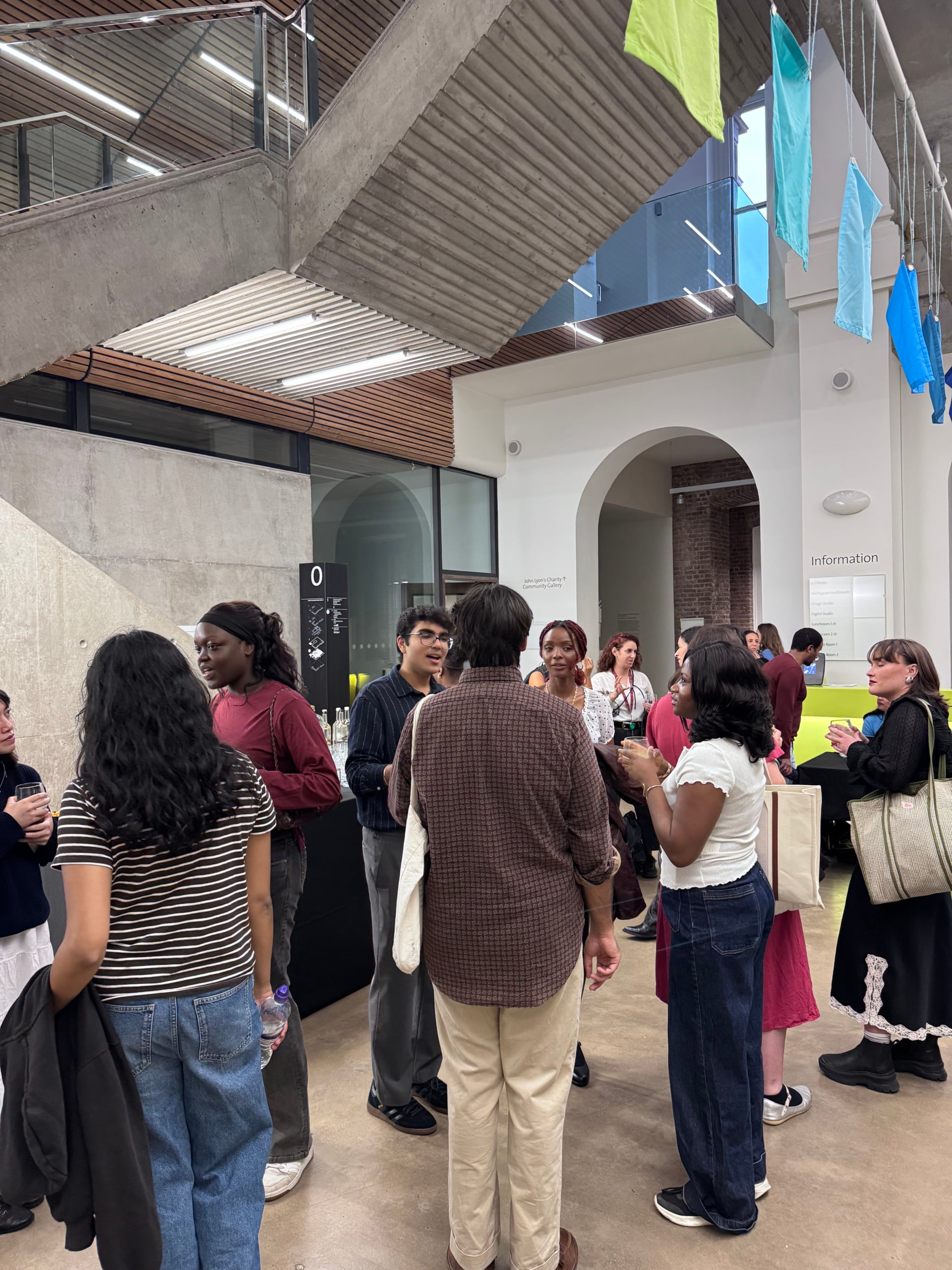
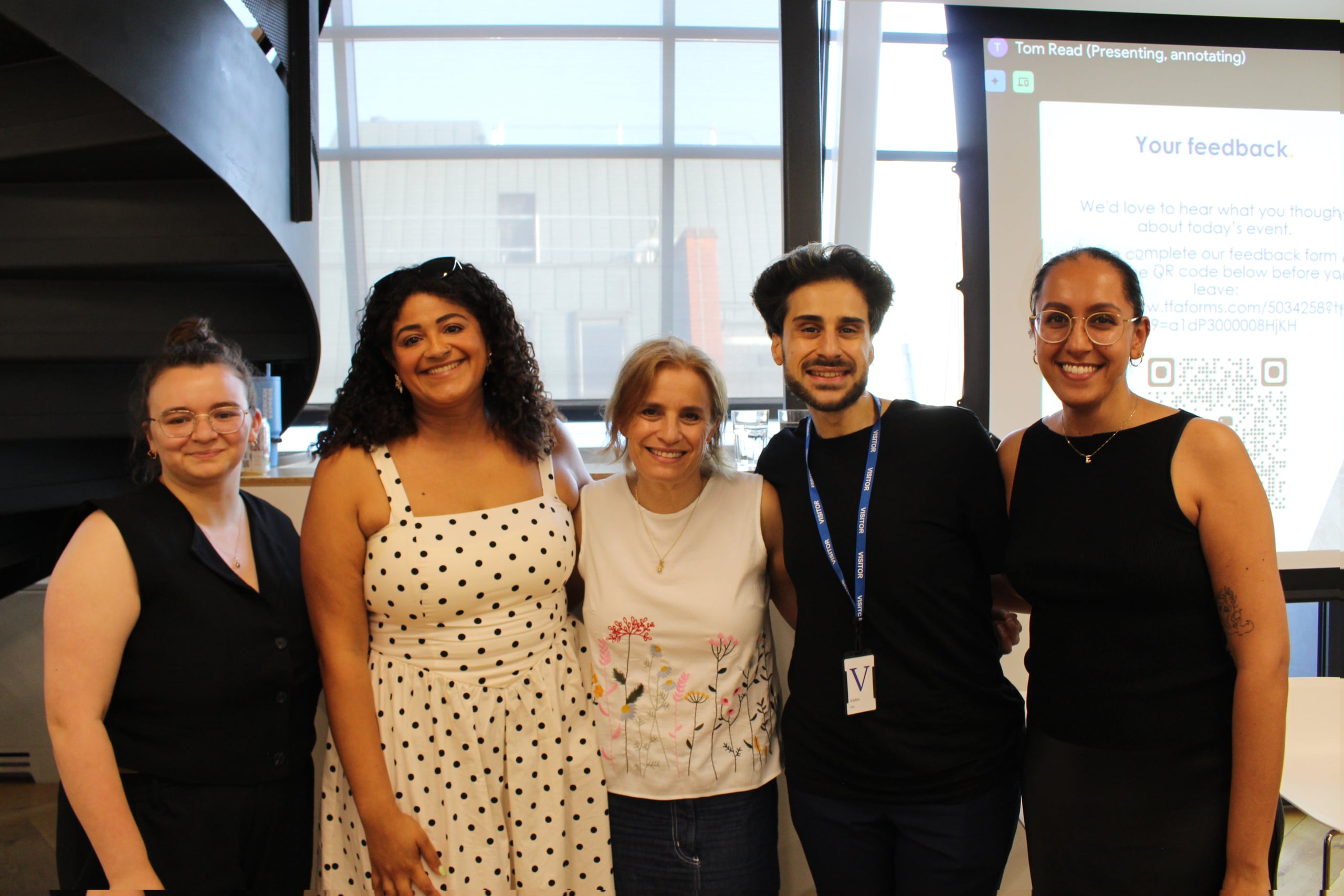
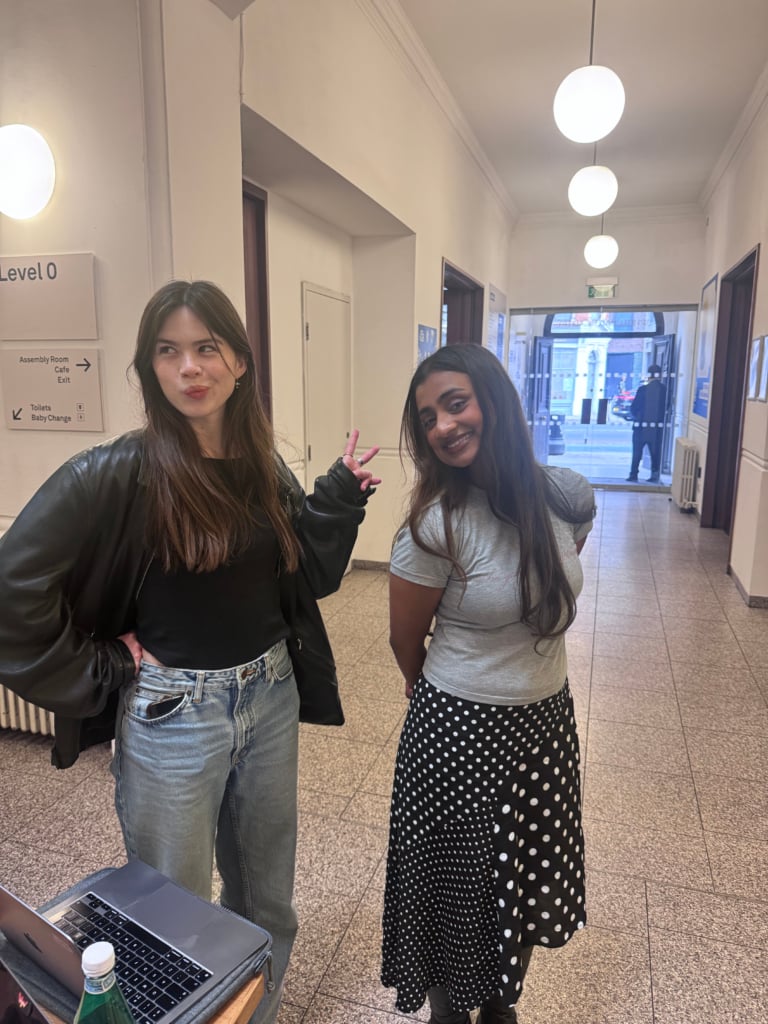
May’s Creative Access masterclass took us to Whitechapel Gallery for an evening exploring careers in contemporary art, followed by a private late viewing of current exhibitions.
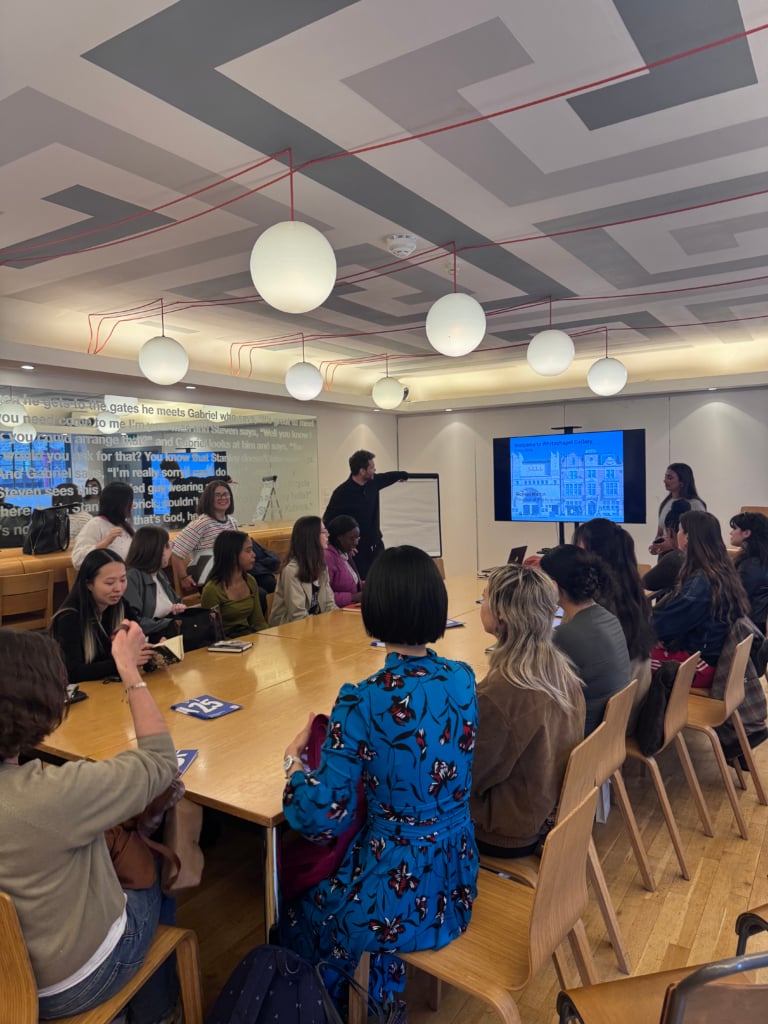
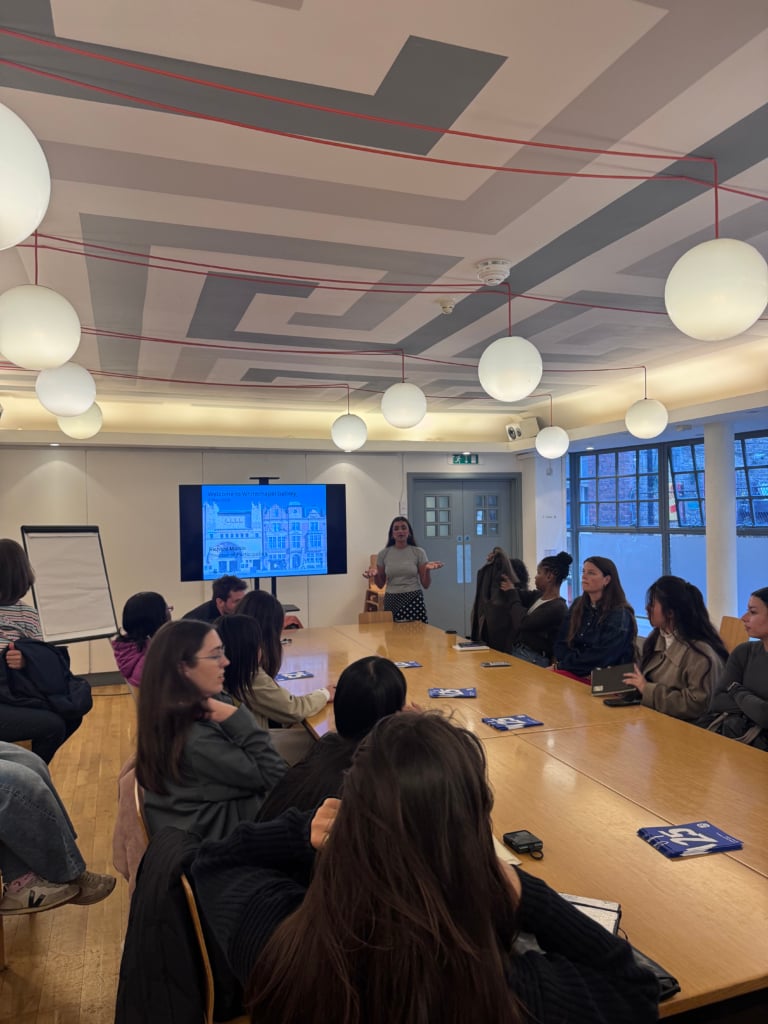
Our community received an exclusive introduction to one of London’s most historic galleries by Richard Martin, director of participation. The session offered insight into how Whitechapel Gallery continues to evolve while staying rooted in its founding mission: bringing world-class art to the communities of East London.
A gallery with a purpose
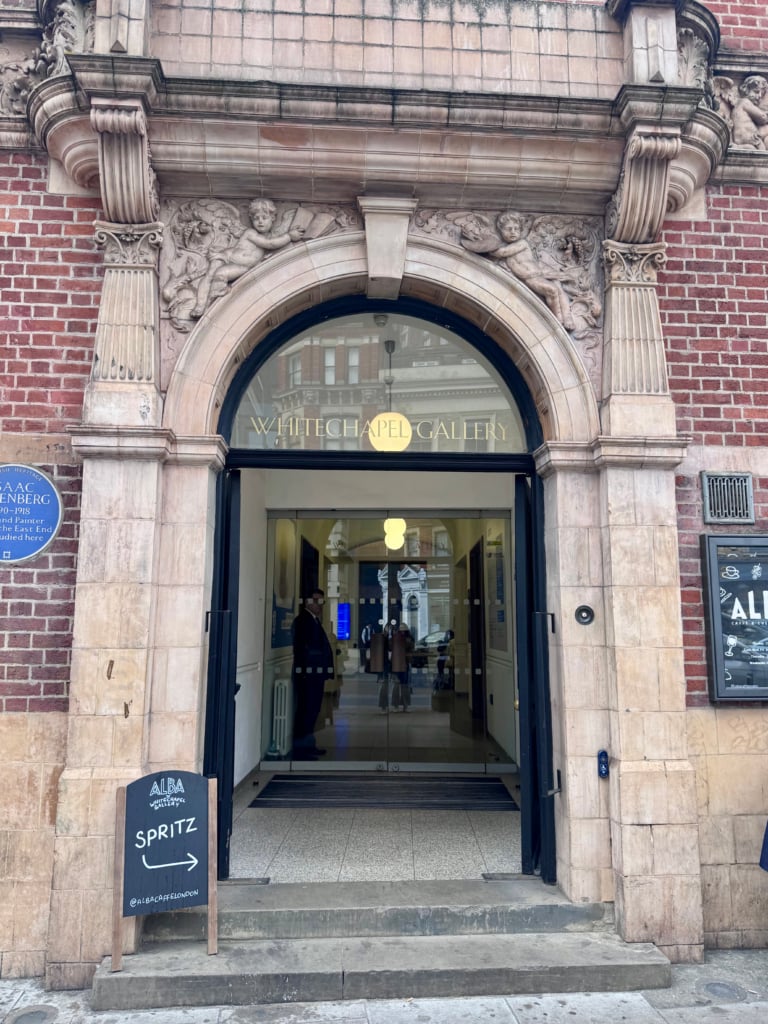
Founded over 125 years ago, Whitechapel Gallery was established as a radical, political project, to make the finest art in the world accessible to people in East London, at a time when the area was widely overlooked. That ethos still shapes the gallery today. As Richard explained, contemporary art spaces are not just about exhibitions – they are places to explore politics, social issues and lived experiences.
Set in one of the most diverse parts of London, the gallery operates at both a global and local level, showcasing international artists while building deep, meaningful relationships with its surrounding communities.
Community at the core
Community engagement is not a separate strand at Whitechapel; it runs through everything the gallery does.
From working with local schools to hosting workshops, panels and artist-led projects, the gallery collaborates with around 50–60 artists each year across its participation programmes.
When developing new ideas, teams often return to two key questions:
Why Whitechapel? And why now?
These questions ensure that exhibitions and programmes remain relevant to both the local context and wider global conversations.
Careers in the gallery sector
One of the most valuable parts of the session was a behind-the-scenes look at how the gallery works. With a team of around 60 staff (plus freelancers), roles span across departments including participation, operations, fundraising, finance, tech and much more.
Richard highlighted that the gallery staff team have studied a wide variety of subjects, including art history as well as art degrees. Interestingly, the gallery looks for people with strong values, transferable skills and a collaborative mindset.
“It’s less about what you know, and more about how you think and work with others,” he shared.
At the heart of the gallery is its commitment to East London’s community. Programmes created by Whitechapel Gallery include Duchamp & Sons, a youth collective for young people aged 15-24 from East London to experiment with art, conversation, exhibitions and events. The Young Associates scheme, launched this year, offers paid, year-long training, mentoring and hands-on experience for 18-30 year olds.
“It’s less about what you know, and more about how you think and work with others.” – Richard Martin
Responding to place
Located next to one of London’s most striking examples of contrast, Whitechapel sits between towering financial districts and the vibrancy of Whitechapel Market. This tension, between wealth and inequality, global and local, continues to shape the gallery’s work and identity.
In recent years, there has been an increased focus on building long-term relationships within the local community, ensuring that the gallery remains accessible, inclusive and representative of the people around it.
Exploring the exhibitions
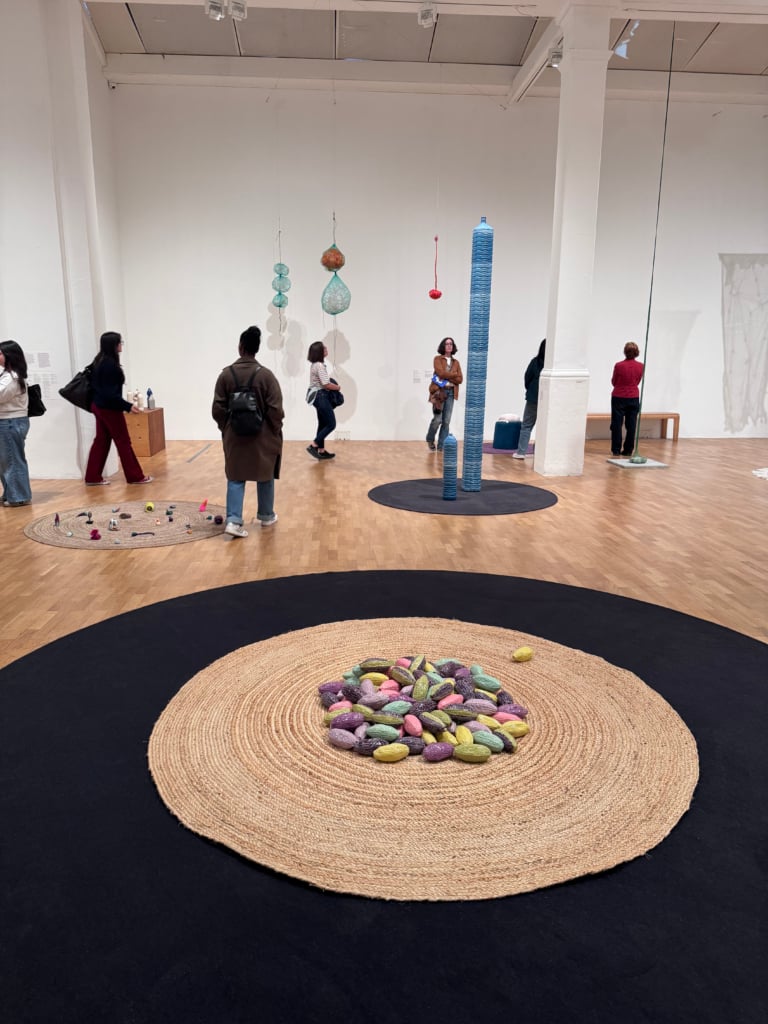
After Richard’s eye-opening talk, attendees were invited to explore the gallery’s current exhibitions, including:
- Veronica Ryan: Multiple Conversations – a material-rich exploration of form, memory and identity, open until 14 June 2026
- Gabriel Chaile exhibition – an immersive installation rooted in history and community, open until 6 September 2026
- Senga Nengudi exhibition – powerful documentation of performance through photography and film, open 14 June 2026
A clear message emerged from the evening: there is no right path into the arts. Whether through formal training, transferable skills or lived experience, what matters most is curiosity, collaboration and a willingness to engage.
Whitechapel Gallery stands as a powerful example of what happens when art is made accessible, not just as something to observe, but as something to participate in, question and shape.
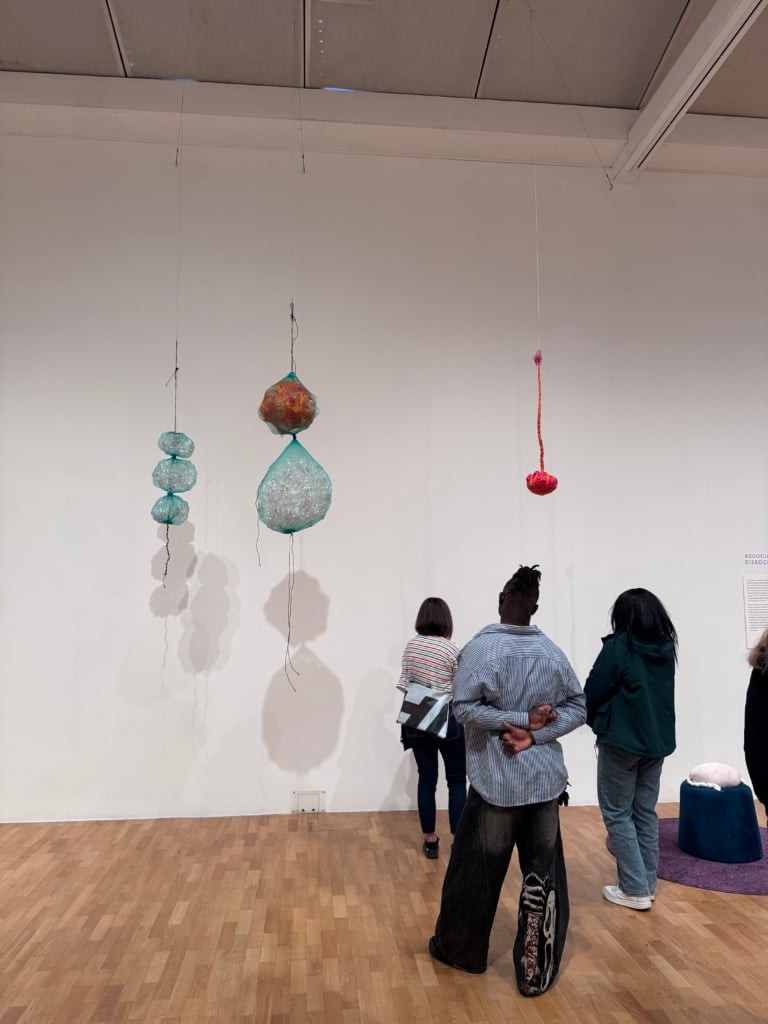
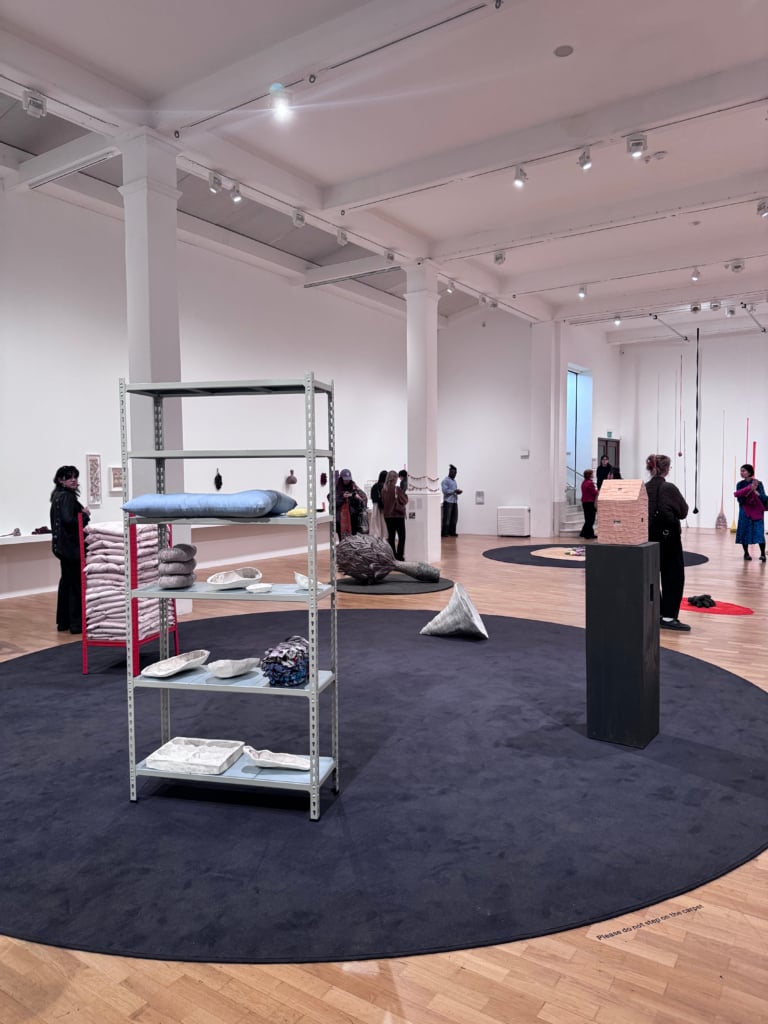
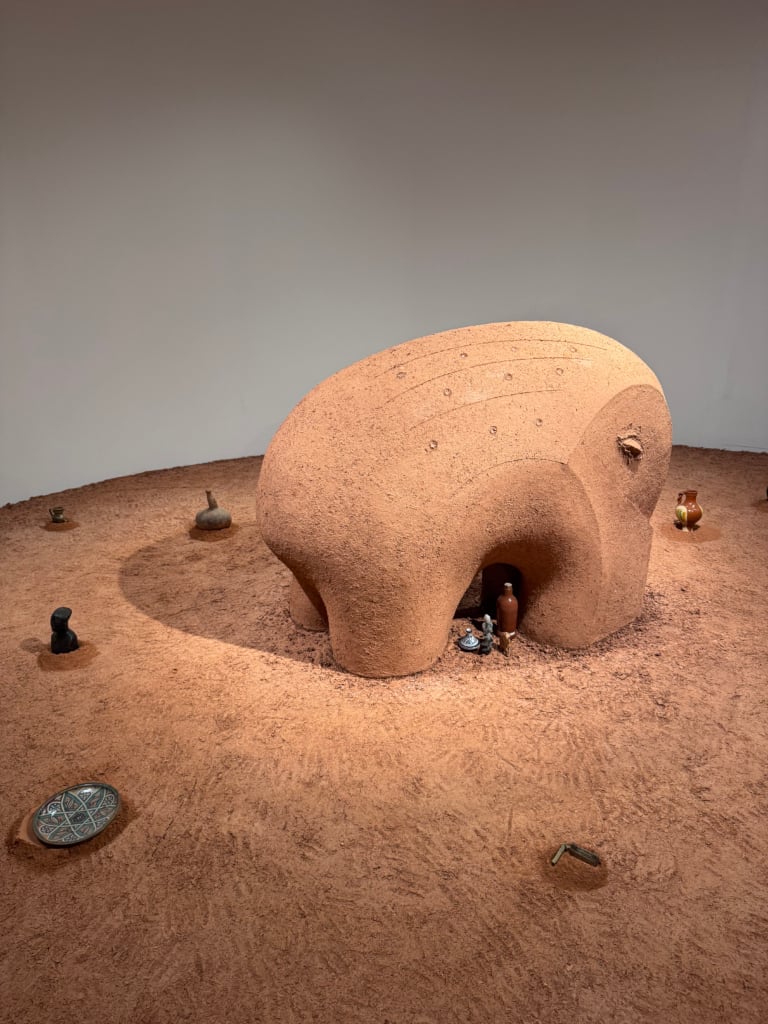
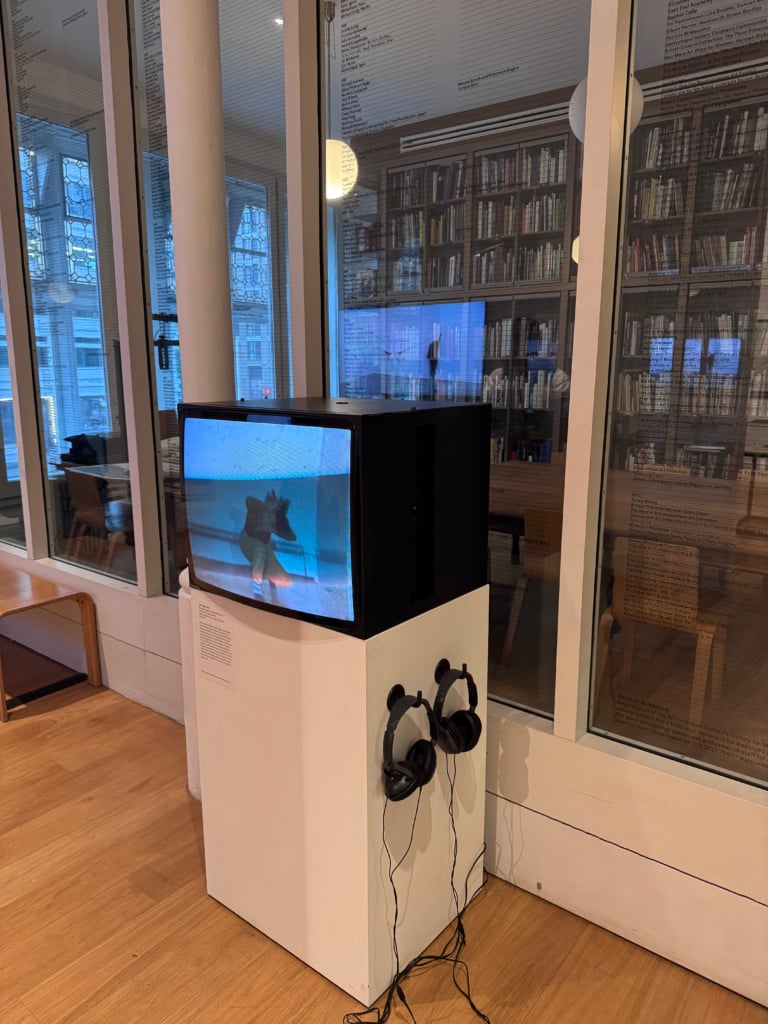
Big thank you to Whitechapel Gallery for hosting us, Richard Martin for an insightful conversation and everyone who joined us for an enriching evening!
Interested in joining a Creative Access masterclass? Register with us today and keep an eye out for our upcoming events. We can’t wait to say hi!