Welcome to Meet the CA Team, our latest series where we delve into our team’s career journeys – from what their roles look like day-to-day to what led them to Creative Access. To kick things off, we sat down to chat with our recruitment assistant, Evie, over a cuppa.
Evie Prince-Hodges joined CA as a trainee in our Access team in 2025, supporting individuals into roles across the creative industries. Since graduating with a degree in Neuroscience in 2024, Evie’s used her STEM background to build a successful hospitality career, before taking everything she learned to career-switch into recruitment, talent management and DE&I. In our chat, Evie reflected on how to make an application stand out, what it’s taken to see herself as a creative, and the confidence she’s built along the way.
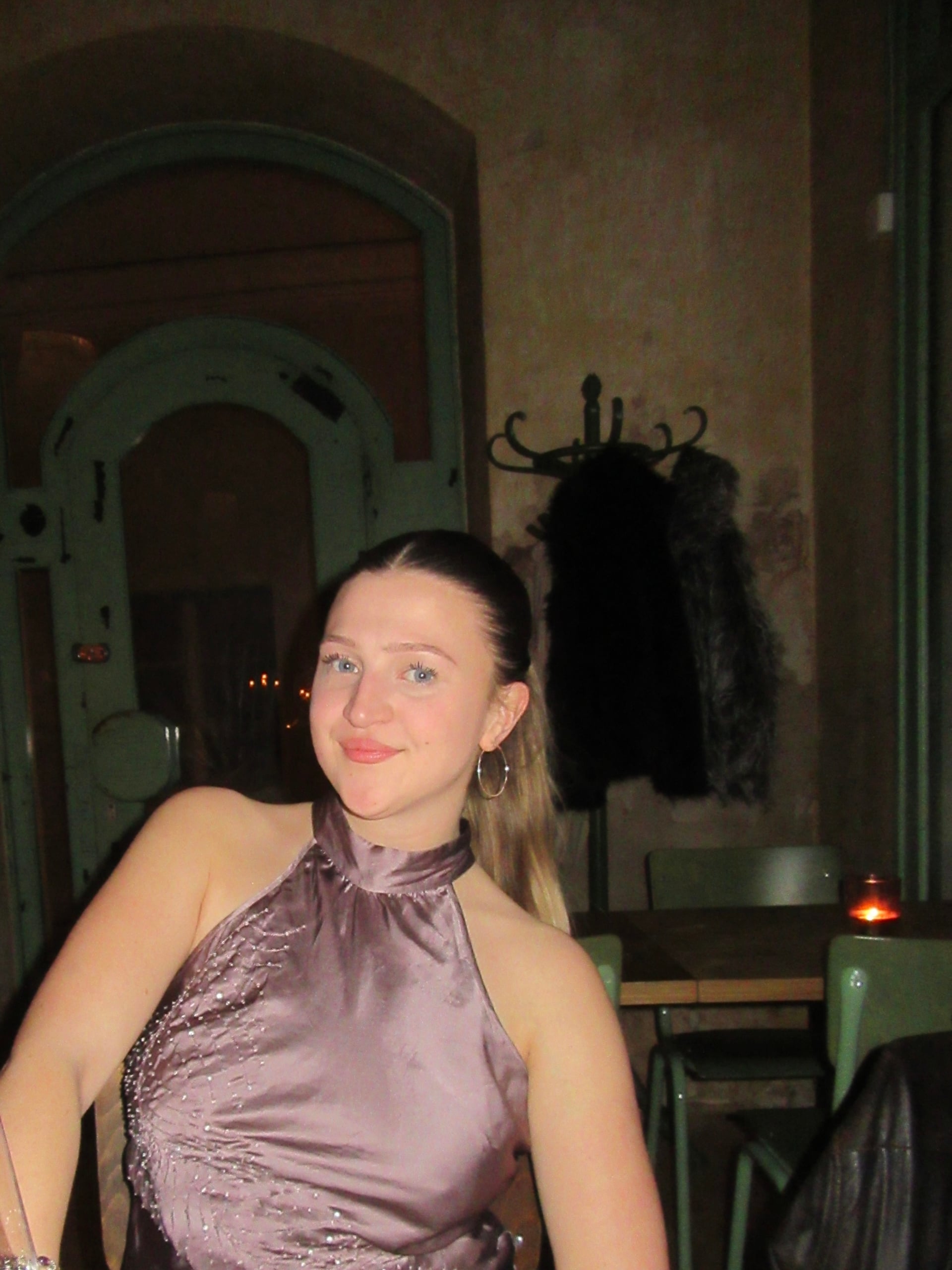
CA: How would you describe your traineeship in three words?
Evie: People-focused, engaging and enriching.
Let’s start by looking back. What first sparked your interest in inclusive recruitment and DE&I?
I fell into recruitment. I started in hospitality after university, where I studied Neuroscience, then worked my way up into roles where I ended up taking on more recruitment and training activities. I realised that I really loved those people-centred roles. Being able to help candidates through the recruitment process, learn more about them and help them thrive in their workplace really, really interested me. This led me towards my current role and Creative Access in particular.
What I enjoy about working in DE&I is that it’s more than just a term. It’s about being really active and recognising that people have different backgrounds and lived experiences that they bring to work. Being able to work in a sector that actively supports people and celebrates those differences is really important to me.
You started at Creative Access as a trainee in the Access team last year. What skills did you develop the most during your traineeship?
I would say probably my confidence.
When I first joined Creative Access, I sometimes struggled to trust my intuition or be confident in my decisions.
It wasn’t necessarily because I didn’t know the answer to things; it was oftentimes because I was scared to make mistakes, or I was worried that people wouldn’t think I was capable. But I think I’ve learnt that making mistakes is a really common thing, and there’s always something that you can learn from them.
I think the working environment has really enabled me to trust my intuition and be encouraged to ask questions and learn as much as I can. I’ve gained a lot of confidence both in myself and my work through being here.
Huge congratulations on your new role! Now that you’re an assistant, what does a typical workday look like for you in the Access team?
I have a lot more autonomy in my role now that I’m an assistant and feel a lot more confident running all parts of the recruitment process. I’d say, what I like about my role is it’s really varied, so whether that is helping organise interviews, jumping on calls with new employer partners to hear about what they’re looking for in a trainee, helping answer candidate queries and questions, the main parts are all really people-centred.
Normally in the afternoon, I’m heads down with a cup of tea, reading lots of applications, which is still really nice to hear about people’s experiences and backgrounds. But I think that’s what I like, while it’s quite different varied tasks, they’ve all got people at the centre of them.
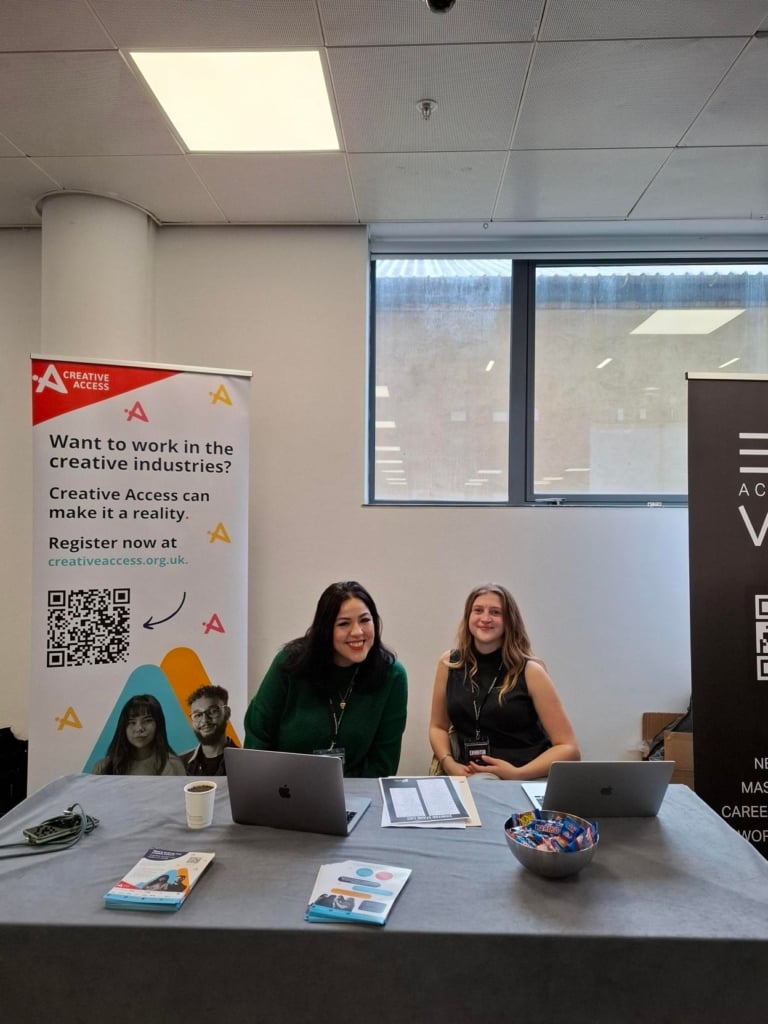
What’s your favourite part of working in recruitment or with candidates?
My favourite part is when I read a job application or I meet a candidate in the process and I just think, wow, your values and your experiences and your interests align so well with a specific role. Then, seeing their application progressed to being the person that actually lands that role – getting to be part of that process is great. Identifying and finding the match, and then also hearing, not only from the candidate, but from the employer, how well they’ve gone on to do in their organisation and how they’re just really thriving. It’s really nice to know that you can be a small part of that person’s journey.
What is something that you found challenging at first, but you’ve grown more confident in?
To be honest, I’d say coming from a hospitality background, it was just adjusting. I was used to working somewhere that was fast-paced and reactive and had late-night shifts. Moving into more of a structured office environment, I had to get used to those small things, like waking up early.
But also, as someone with ADHD, having to be more proactive about planning and structuring my workload is something I had to adjust to. I’ve learnt to be really honest with myself about what I’m able to do in a day, only taking as much as I can handle and not over-promising. That was a bit tricky to wrap my head round at first, but I think I’ve gotten the hang of it now.
Now that you know all the behind-the-scenes tips and tricks for putting together CVs and applications, what is one thing job applicants often overlook that can make a big difference?
I think people often will tailor their cover letter, but they forget to tailor their CV.
Sometimes people will have a little ‘about me’ bio, and it might be that they’re applying for a marketing role, but the bio says they’re looking for a role in finance. And it’s those little things – especially if you’re saying that one of your skills is attention to detail, then it’s about actually having that eye for the things that might feel small but make a big difference in such a competitive job market.
Another bit of advice would be to keep your CV up to date. I think it’s very common to forget to update your CV, and then when you come to make one, you have no idea what to put on it. So, it’s useful to be proactive.
Also, highlight the impact of your achievements in your cover letter. It’s great to list experiences and responsibilities, but highlighting the impact you’ve actually had and the difference you made to the project or team can help you stand out.
Coming back to you and your journey, how would you say this role has shaped your future career goals?
I’d say this role has really made me a lot more aware of the different roles that exist. I think coming in from a STEM background, I kind of had no idea of the depth of the different roles that exist within the creative industries, especially behind the scenes. It’s really solidified that this is an industry I want to work in, specifically within the DE&I space.
Why is it important for you to support people from under-represented backgrounds into the creative industries?
I actually think this is something I spoke about in my interview.
Creative work reflects people’s lived experiences and their background, so having diverse and under-represented people in these spaces is so important, because then you get work that actually reflects society.
I think it can be easy to assume you don’t fit somewhere when you don’t see people like you represented, which is why having diverse perspectives in the industry is so meaningful.
And, not only can people see themselves represented, but also be exposed to different experiences and perspectives that they might not interact with day-to-day.
What would you say to someone who feels like the creative industries might not be for them?
I think that’s quite a common feeling that I resonate with strongly. I remember when I was younger, a teacher said to my parents at parent’s evening, “Evie has no imagination.”
That stayed with me. Even being younger, my creativity didn’t show up in a typical way, so I think I assumed being creative and working the creative industries meant you have to be “the maker” or the person creating “the work”, which meant that I didn’t see myself as someone who possibly could build a career in the creative industries.
Being able to explore different roles and learning that there’s not one linear path into the creative industries was so important for me.
Like I said, it’s hard to see yourself in a place where you’re not represented, but I think that are so many good organisations that are working to create spaces to open up access and really advocate for people. So, I think finding those organisations, reaching out and getting involved in the work they’re doing is key.
The whole team has hugely enjoyed working with you and being part of your career journey. How has it felt being part of the Creative Access team?
Oh, it’s been great. Everyone here has been so welcoming from day one and I’ve made some amazing friends here.
Something that really stands out to me is just how supportive people are – pushing you outside of your comfort zone, recommending opportunities you haven’t thought of for yourself, pushing you to do things and just believing in what you can do. It’s just been amazing to be part of something like that.
For people applying for roles in inclusive recruitment or talent management, what skills do you think are most important?
You have to be organised. You might be looking after lots of different roles at the same time, so you also need good attention to detail. Especially for recruitment in the DE&I space, you have to care about people. Be genuinely invested in the people you’re supporting and finding roles for.
You’ve had this incredible journey from STEM to hospitality to the creative industries. What’s one thing you wish you knew before starting your traineeship?
It’s okay not to know everything. To ask questions, to take more opportunities. Say yes to things. There are some things I look back on and think, oh, it would have been great to get involved in that. Looking back, it probably came from a lack of confidence, so now I’m willing to put my hand up for more things.
Especially in a traineeship, it’s all a learning opportunity. It’s all a chance for you to be involved in different things and figure out what really you want to do.
What does thriving in your career look like to you?
To me, thriving in my career looks like being in a role that’s really aligned with my values, passions and interests. Being in a role where I feel fulfilled, whether that is through the work that I’m doing or the environment that I’m working in is really important to me. Also, knowing the work I do makes a meaningful difference is something that signifies thriving to me.
Finally, we’d love to know your three favourites. What’s your favourite musical, film and book?
I always find this so hard.
My favourite musical is probably A Chorus Line. It’s about people auditioning to be in a show, and you get to see the individual experiences.
I think my favourite film would have to be Little Miss Sunshine. It’s a great film about family dynamics. Or Pride & Prejudice (2005), which I know is a very basic answer but it’s such a good film and definitely my comfort movie.
What’s my favourite book? It might also be Pride and Prejudice by Jane Austen, so I’m doubling up on that.
Thank you so much for your time, we can’t wait to see what you do next!
Stay in touch with Evie and follow her work on LinkedIn.