
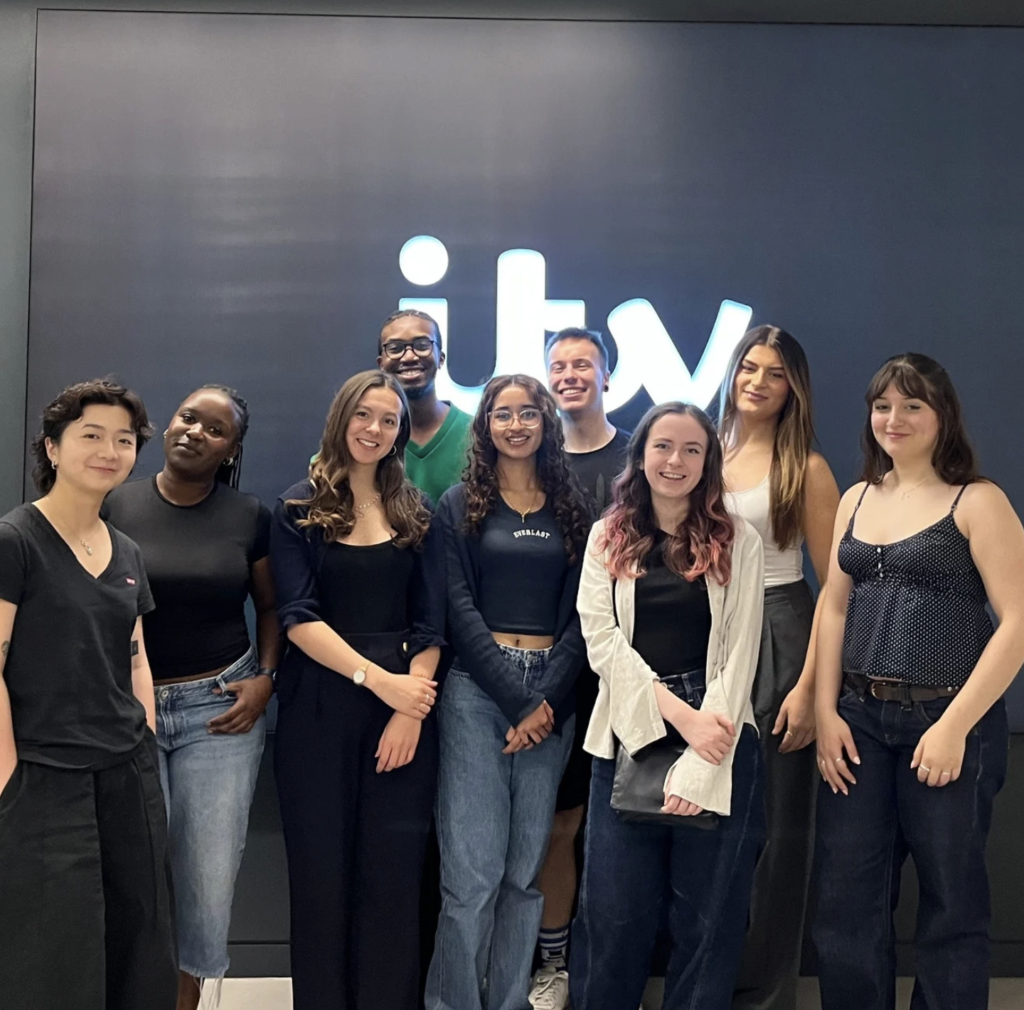
If someone came up to me in my final year of university and told me that I’d be working in the Film and TV industry just two weeks after I graduate, I genuinely would have thought they were just messing with me!!
But that is exactly what happened. Let me explain how…
Pursuing a career in the creative industries always felt like a far-off dream. Something fun to yap about. As news headlines highlight job shortages, freezes in funding, AI takeovers, and corporate monopolies, creative careers have never seemed less possible. I chased ‘safe’ career paths for most of my teenage years because I didn’t know better, and those alternative opportunities were not readily available to me. We hate under-representation over here.
Lacking in proper guidance or knowledge about navigating this industry (schools listen up please), I followed the crowd and went to uni, studying English Literature and History in Edinburgh. Going there completelyyyy changed my life.
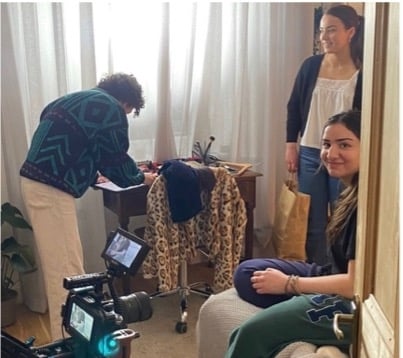
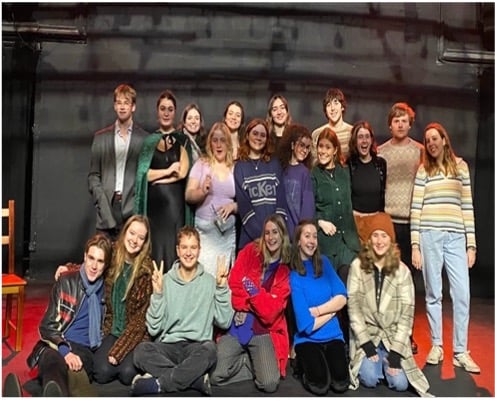
There are creative people at every street corner in Edinburgh and countless university societies itching for students to join. I plunged myself into the theatre and filmmaking societies. Yes it was embarrassing at first and yes there were a lot of rejections. Through these societies I got the chance to perform in, and assistant produce, a play at the Edinburgh Fringe Festival, which is the world’s biggest performing arts festival. It was a wild time.
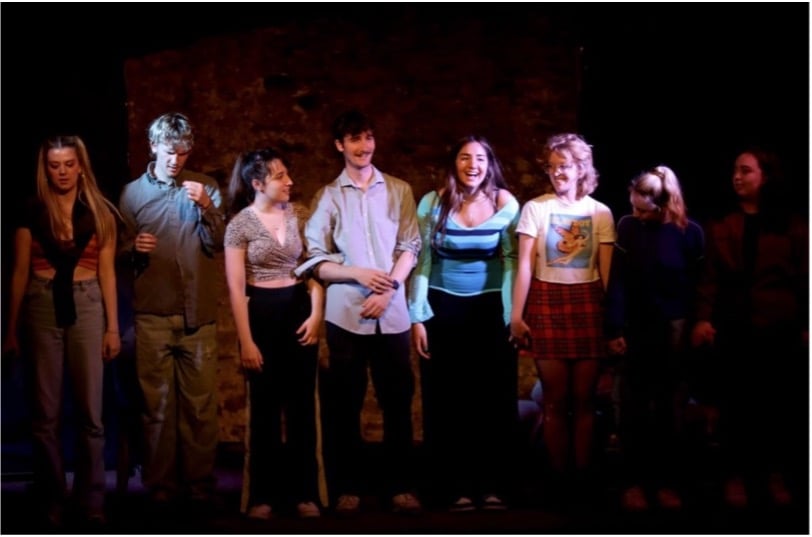
However, this was all a just hobby to me. I was still applying to corporate opportunities because I was worried about financial security (freeeee us from capitalism).
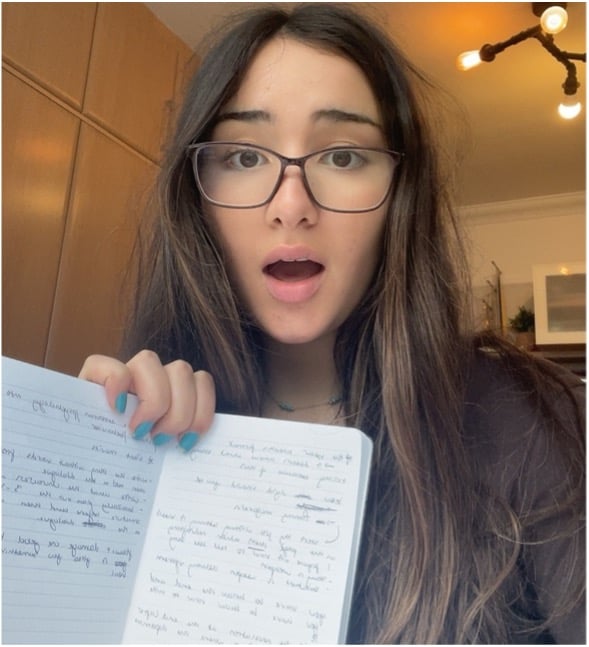
After applying to – and swiftly getting rejected by – some law internships at the beginning of my third year, my mindset changed. I barely flinched at these rejections, but I would feel borderline melancholic at the thought of not being able to work in film. Dramatic I know, but it’s true. In one of my frenzied journal entries, I literally wrote down my decision to take this seriously. And that really was a huge turning point…
The mental decision that this is what I was going to do.
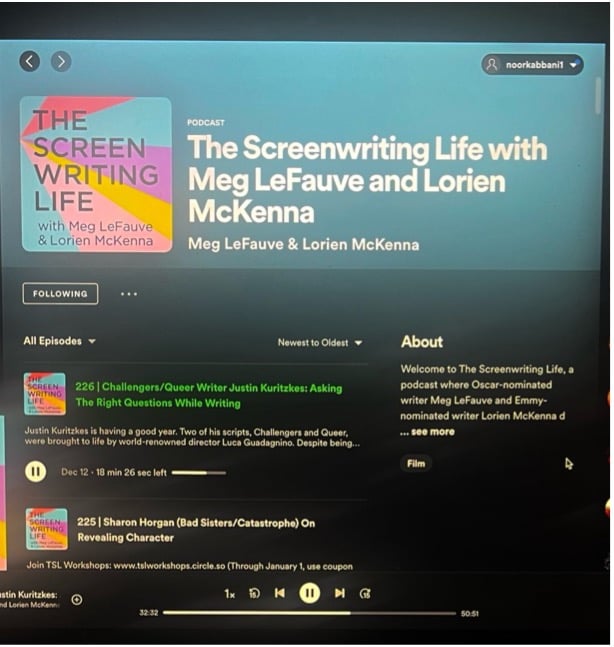
After that I spent a few months researching – following industry news outlets, finding arts councils, arts charities, funding bodies, listening to podcasts, watching YouTube and TikTok videos about how to get started in the industry. These rabbit-holes pointed me in the direction of trainee positions as a first step into the industry. I tried applying to all the trainee schemes I could find online, but most of them had the caveat that you couldn’t be a student. Cue an even more frustrated Noor.
So, after much time wasted banging my head against a wall and crying to my friends about the fact that I was already too behind (at 20???) to start a career in film/TV, I wrote out a realistic list of things I could do in two years. I wanted to prepare myself for freedom from student shackles. Making my own films, networking, doing work experience, reading scripts, watching everything, and shadowing were featured on this behemoth list.
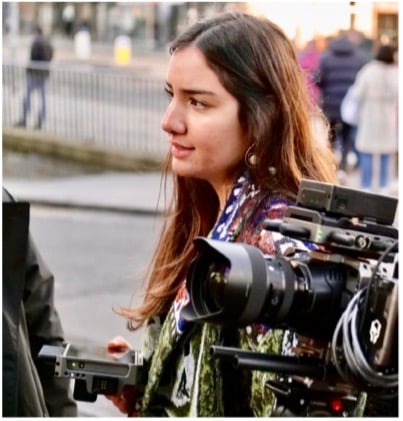
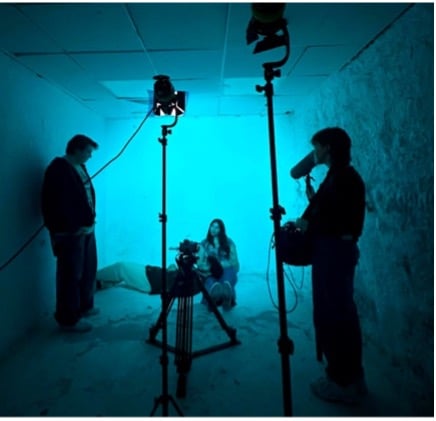
Cut to a year and a half later, I had founded a women-led production company with a friend of mine; we produced 10 short films – one of which premiered at a BAFTA-qualifying film festival. I’m still not over that, actually. I landed a place on ITV’s work experience programme, secured my first job as a production assistant for an NFTS short film (I literally got this job through an Instagram story advert), and I volunteered at Glasgow Film Festival. I also received the amazing Creative Access Career Development Bursary. As a writer with no formal training, it’s enabled me to join an NFTS lab which has been transformative.
Fuelling my procrastination, I signed up for a free 2-day production training course run by NFTS, Screenskills, and BECTU Vision two weeks before my dissertation was due. Co-incidentally my future boss was hiring production trainees for a new ITV show specifically from this course. I was recommended for an interview by my lovely tutor. Whilst luck was definitely on my side, all the work I’d done at university prepared me – my CV couldn’t have been more ready. I was approached, did the interview, and then got the job!
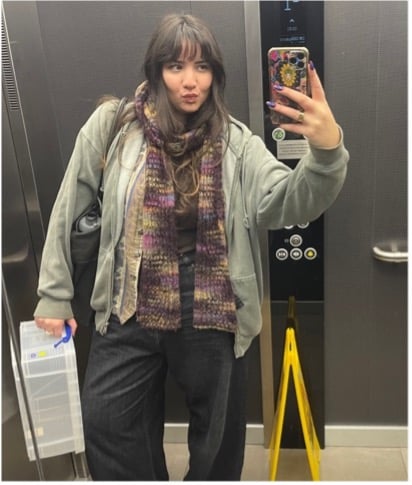
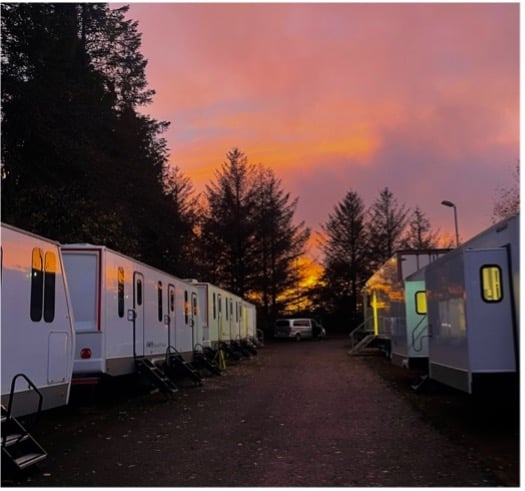
Six months later and I’ve had the most amazing experience working for ITV and Poison Pen on a new HETV scripted drama.
I hope my journey so far is somewhat inspiring and encourages other young people, especially those from under-represented backgrounds, to see themselves in this industry.
Good luck legends,
Noor x
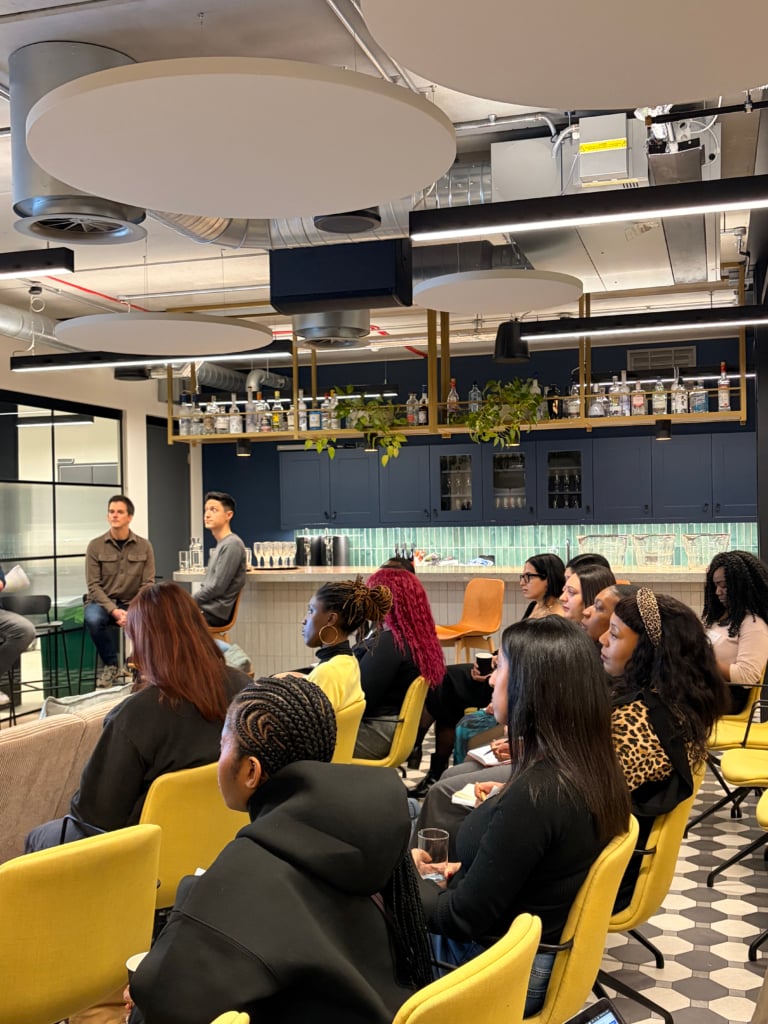
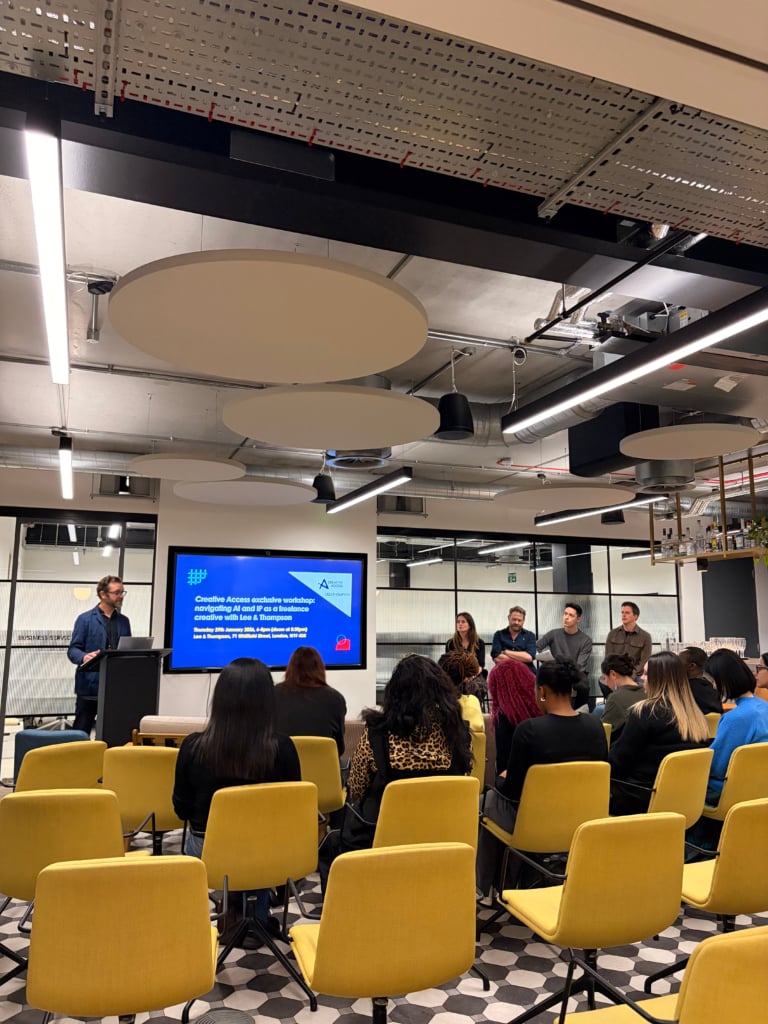
Last month, Creative Access and Lee & Thompson hosted an insightful workshop for freelance creatives exploring copyright, AI, employment law, and getting paid. The session brought together legal experts and freelancers across film, TV, and digital media to discuss practical ways to protect creative work, navigate emerging technologies, and manage client relationships effectively.
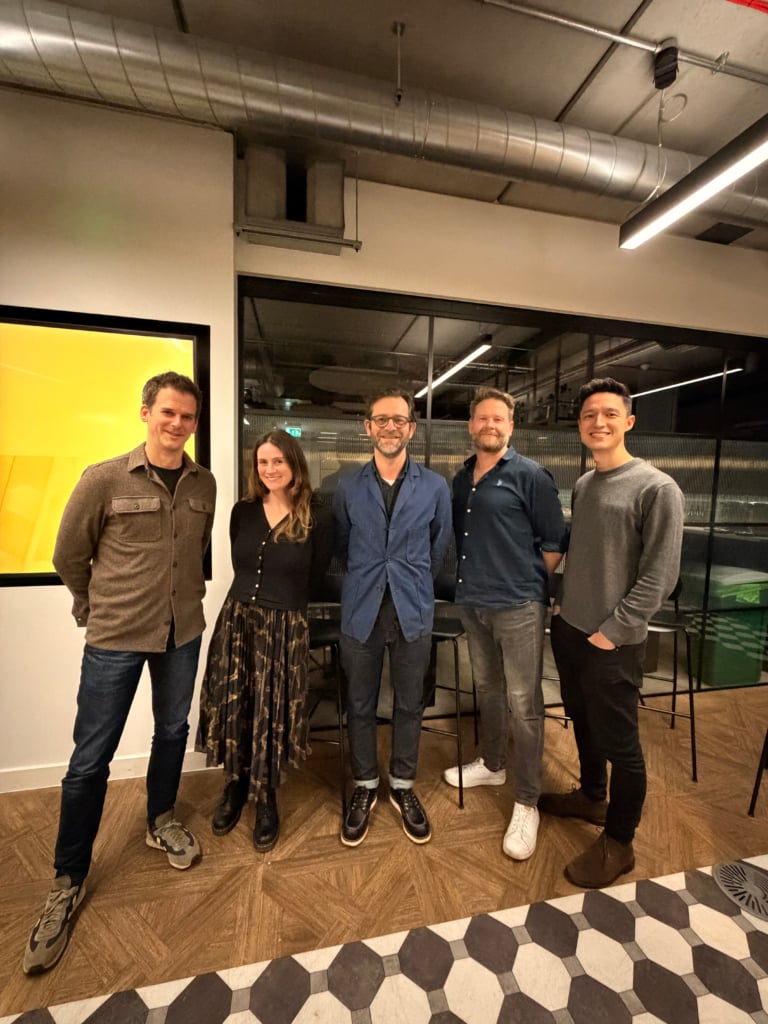
Our expert panel from Lee & Thompson included:
- Andy Moseby, partner and head of digital & tech
- Will Everitt, partner specialising in music
- Martin Tynan, senior associate in employment law
- Fi Tudur, senior associate, TV & film
- Simon Boyden, chief financial & operations officer
Each shared insights drawn from their experience supporting creatives across the media landscape.
Copyright and intellectual property (IP)
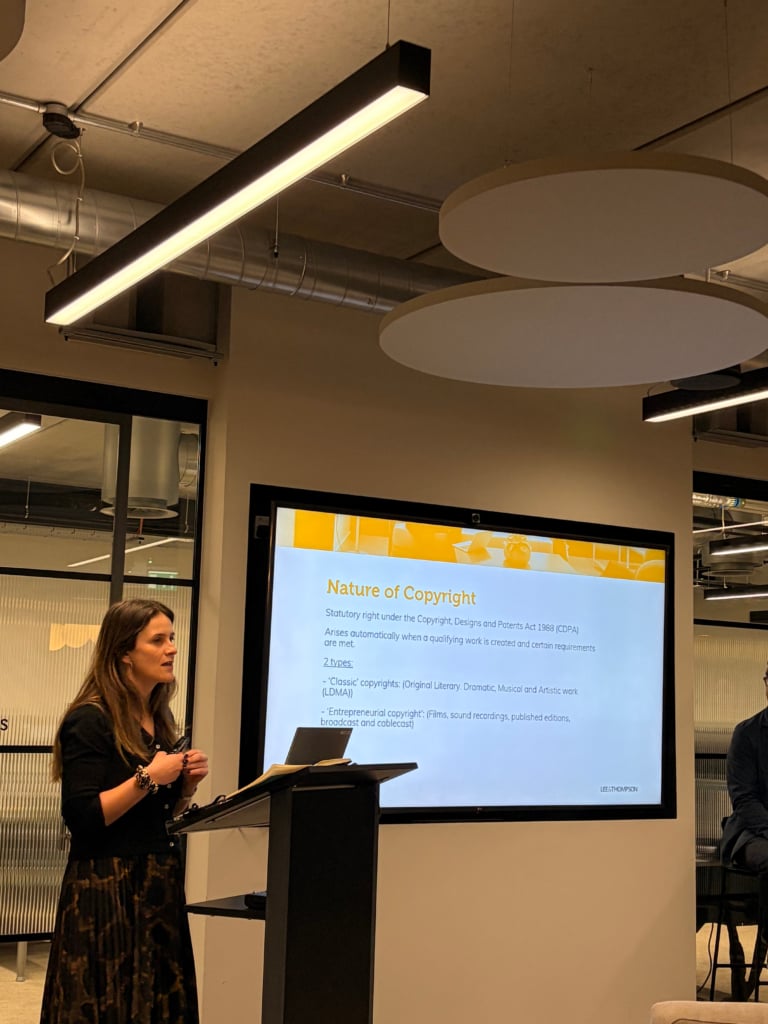
Fi opened the discussion on copyright and IP, explaining that copyright arises automatically when a work is created and must be both original and recorded. Classic copyright protects literary, dramatic, musical, and artistic works, securing the expression of ideas rather than the ideas themselves. Entrepreneurial copyright applies to sound recordings and broadcasts, where ownership usually belongs to the producer or broadcaster. Fi emphasised that transferring copyright (or any part of it) requires written and signed documentation; informal or verbal agreements do not confer exclusive rights.
AI and the creative industries
Andy explored AI and its implications for creatives. He described the internet as a large copying machine, noting that anything uploaded online is copied. AI networks scrape data at such scale that opting out is almost impossible, especially as new AI companies emerge every day. He clarified that there is no legal uncertainty around copyright: current laws already protect creative work.
Andy outlined the policy options under review for 2026. Option 0 is to do nothing, leaving copyright laws as they are. Option 1 would strengthen copyright, requiring licensing in all cases. Option 2 proposes a broad data-mining exception, while Option 3 (currently the government’s preferred approach) allows right holders to reserve their rights under transparent rules. He highlighted that most creatives favour enforcing current law and strengthening copyright through licensing rather than allowing broad exceptions.
Employment, tax and freelancer agreements
Martin provided an in-depth look at employment and tax considerations. Freelancers may be classified as employees, workers, or self-employed. Employees receive full legal protection, workers have partial rights such as holiday pay and minimum wage, and self-employed individuals have limited statutory protections. These distinctions also affect tax obligations, including PAYE for employees versus self-assessment and IR35 for contractors.
Martin emphasised that long-form agreements are essential. They should clearly define the scope of services, intellectual property, confidentiality, credits, termination, exclusivity, and post-termination restrictions. Clear agreements protect both freelancers and clients and provide clarity in case of disputes. He encouraged open dialogue with clients and accountants to ensure alignment and compliance, particularly in sectors such as film, TV, and music.
Getting paid as a freelancer
Simon shared practical advice on managing invoices and payments. Freelancers were encouraged to set clear payment terms, obtain purchase orders early, request upfront or staged payments, and follow up consistently. Escalation internally or externally, union support (e.g. BECTU), or legal advice may be necessary if payments are late or clients become insolvent.
Audience questions raised common challenges, including: “What if a client goes bankrupt?” Martin explained that freelancers become unsecured creditors, with recovery dependent on the administrator and remaining assets. This underscores the importance of issuing invoices promptly and knowing who controls the company. Other tips included negotiating discounts to incentivise early payment, using accounting tools or automated invoicing, considering invoice factoring, and, as a last resort, working with debt collection agencies. Above all, freelancers were reminded to have confidence in the value of their work: quality output justifies the fees charged, and assertive communication is key when chasing payments.
Closing reflections
The workshop concluded with a lively Q&A covering copyright, AI, employment, agreements, and payment challenges. Freelancers left equipped with practical tools to protect their creative work, manage client relationships, and make informed decisions in a rapidly evolving creative landscape.
Thank you to our brilliant panellists, to Lee & Thompson for hosting us, and to everyone who joined us for an energising and thoughtful conversation.
To stay connected with future Creative Access events and opportunities across the creative industries, make sure you are registered with us and keep an eye on our Opportunities Board.
2025 was the year I turned 30 and became a trainee. When I was younger, I thought I would have it all figured out by now, but I’ve learnt life isn’t like that. My career path has been unconventional and amazing; I wouldn’t change it at all!
The university path that wasn’t right for me
After my A-Levels, I did what everyone was told to do: go to university. I had struggled with my mental health during my A-Levels and was told to ‘get through it and uni will be better’. So that’s what I did, I chose a subject I enjoyed and applied to universities based on the grades I was getting. But all I was doing was delaying the inevitable of deciding what I wanted to do when I was older.
University went as well as you can expect with someone who was masking neurodivergence and struggling with their mental health. Now, I’m not saying you can’t go to university with neurodivergence and mental health issues, but you do need support that wasn’t in place for me. After a year of studying and things not getting better, I decided to take a year off. During this time, I volunteered with a couple of different charities, getting experience in a variety of departments, including PR and events.
My unexpected adventure working in a school library
At the end of the year, I decided academia wasn’t for me and carried on volunteering. I knew I needed to get a job but had no idea where to start. Through volunteering, I was given helpful advice, training and experience that I could add to my skill set.
I happened to come across an opportunity to work in a school library. I loved reading, needed a job and wanted to encourage students to read. I spent 2 years as a library assistant still not understanding what I wanted to do as a career. Teaching didn’t appeal to me, and the school environment was not one I enjoyed working in.
An abundance of hobbies
So, it was back to the drawing board. I spent the next couple of years trying to figure out what I wanted to do while working part-time at an optician store, including setting up an online bakery. I found that this sucked the joy out of baking for me, and I made the decision to keep it as a hobby- much to the annoyance of my parents who thought I had finally found my path.
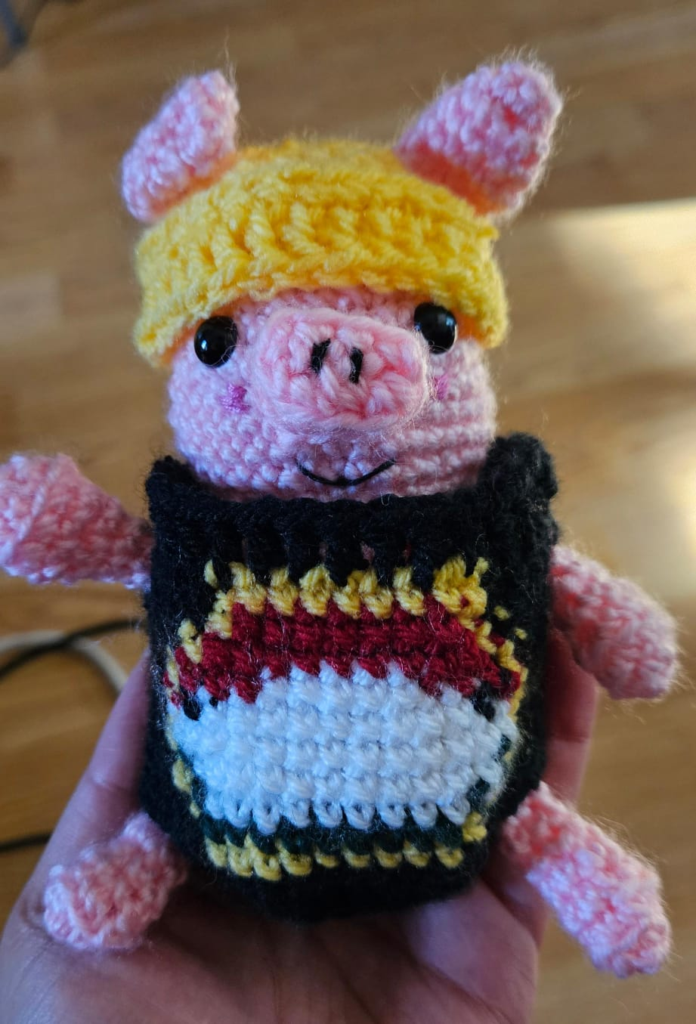
I also move through hobbies quite quickly (see again, undiagnosed neurodivergence 😬). During lockdown, I picked up embroidery, crocheting and scrapbooking as well as baking. It was an interesting time for everyone. Weirdly, I didn’t bake any banana bread during lockdown. But also, I couldn’t have a business for every hobby I had.

“Here I remembered something important about myself, I wanted to help people and make a difference.”
Seeking support: employment advice that changed everything
Finally, I did what I should’ve done years ago; I reached out for some professional employment advice. Specifically, employment advice for disabled people. This was amazing, the support I was given not only helped me find a job but also acknowledged the parts of my anxiety and neurodivergence that I had been struggling with. I thought I had to keep this hidden, not mention it to employers and pretend like I could do any job without adjustments. My employment adviser was the first person who made me feel like I could be completely myself and thrive. Here I remembered something important about myself, I wanted to help people and make a difference.
In a turn of fate, a role opened with a different employment service for the same charity. I worked as a customer coordinator and built my experience in employability, copywriting and DE and I. I loved this role and finally felt like I belonged somewhere and I was helping people who were in a similar position to me when looking for work. I was here for almost 3 years before I heartbreakingly realised there was no longer anything left for me to learn in that role. My choice was to take a risk and find something new that would allow me to grow or stay safe in a stable job . Making the decision to find a new opportunity where I would be able to progress in my career was a difficult one, but ultimately the best one. As much as I loved my role as a customer coordinator, I wanted to learn and focus on an intersectional approach to employability. As someone who is from multiple underrepresented backgrounds, I know how hard it is to have a few things stacked against you.
“The truth is, it’s not a step back. It’s a step forward, it’s an opportunity to grow and learn and, personally, that will never be a step back.”
Choosing growth over comfort
So, at 29 years old, I applied for multiple roles and was given the chance to interview for a traineeship with Creative Access. Some of you might be thinking ‘why I would step backward in my career?’ which I was also asked at my interview, but in a subtle way! The truth is, it’s not a step back. It’s a step forward, it’s an opportunity to grow and learn and, personally, that will never be a step back.
I am now a community and partnerships trainee, supporting our outreach team and Springboard programme. Working alongside some amazing people, I am learning all about copy and content writing, events planning, session facilitation and, most importantly, supporting Creative Access’ vision to make the creative industries a more diverse and inclusive place.
Now I am thirty, thriving and loving my non-linear and non-traditional career and I can’t wait to see where it goes next. Remember: it’s not too late to change careers and it’s ok to not know what you want to do.
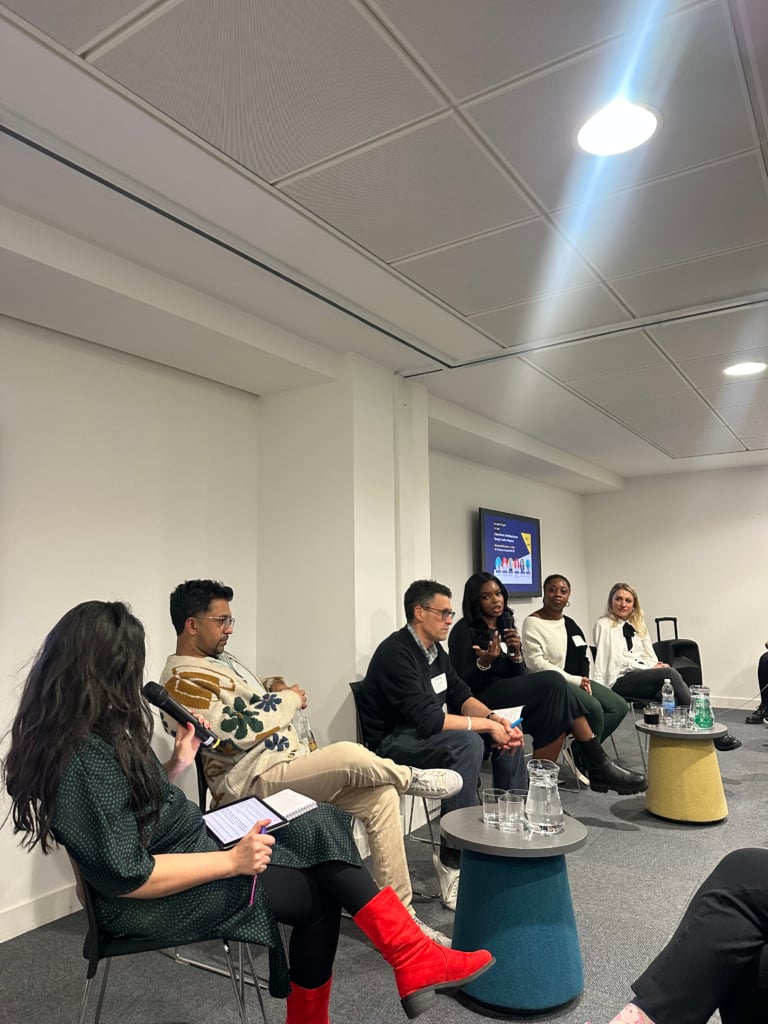
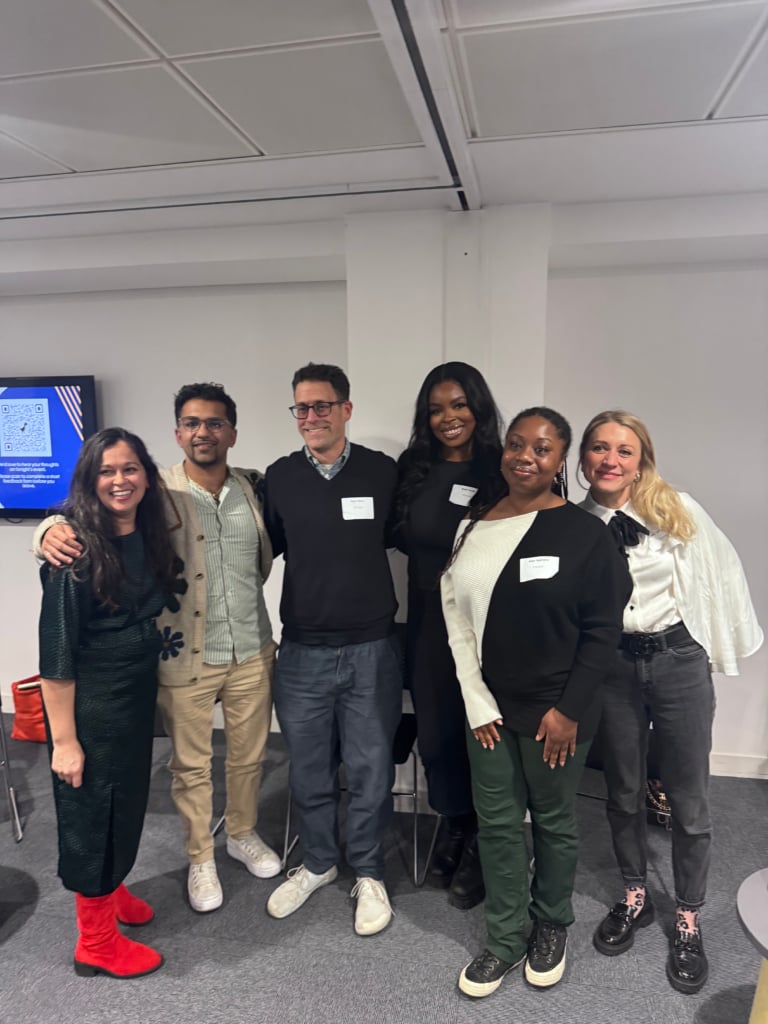
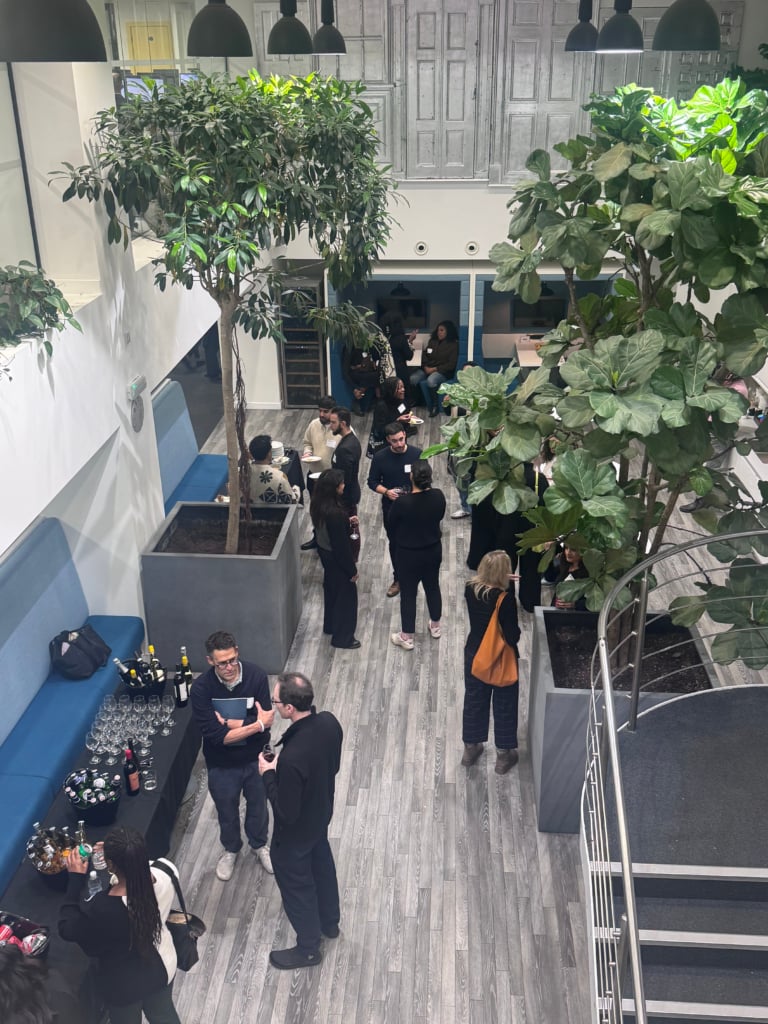
Last month, Creative Access partnered with leading media law firm, Simons Muirhead Burton to host an inspiring evening of conversation exploring what it means to build a career on your own terms. Bringing together founders, CEOs and creative leaders from across the cultural and media landscape, the event delved into the realities of moving away from traditional employment and creating businesses shaped by purpose, community and creativity. The discussion offered an honest look at risk-taking, pivot points and the growing number of ways to build a life in the creative industries.
Our trailblazing panel included:
- Alex Zepherin, founder, Don Dada Studios and Creative Access alum
- Dhanny Joshi, co-founder and managing director, Big Deal Films
- Laura Tannenbaum, CEO, Fabric Social, founder, That Lot and Creative Access non-executive director
- Peter Weiss, partner and head of corporate and commercial teams at SMB
- Rami Kadri, founder, Two Tabs Social and Creative Access alum
- Mel Rodrigues, CEO, Creative Access and founder, Gritty Talent (chair)
What motivates the leap into entrepreneurship?
The conversation began with the question that connected all of our speakers: what inspires someone to step away from stability and build something of their own?
Dhanny shared that his journey started with ambition and a determination to carve out space in the music industry after spotting gaps he felt compelled to fill.
Rami, on the other hand, described a very different path, one that began with studying criminology before unexpectedly moving into digital campaigns. Working on Little Mix, then on award-winning projects, gave her the confidence to shape her own future and respond to the lack of senior representation she saw around her.
For Alex, her first Creative Access internship highlighted the desire to take more ownership over her creative work. Freelancing with Tate and the BBC helped her build momentum until she eventually launched Don Dada Studios.
Laura spoke about progressing through senior marketing roles before co-founding That Lot. Early partnerships with Virgin Media and Channel 4 showed her the potential of building an agency rooted in strong ideas and strong relationships.
Peter, meanwhile, reflected on the guiding role of purpose in his career, shaped early on by his work with the Death Penalty Project and the importance of being surrounded by people who challenge and support you.
Finding early funding and building from the ground up
The panel explored the first steps of building a business, a stage often marked by uncertainty and experimentation.
For Dhanny, not having money became a strange advantage because it forced him to be creative, unafraid and deeply resourceful.
Laura explained how converting early clients into retainer relationships brought stability and made it easier to plan month by month.
Rami highlighted the importance of industry networks. Her work on Burna Boy’s album created trust and visibility, while grants such as PRS and Time to Power Up helped fuel the next phase of her work.
Alex credited a strong support system and the unexpected rise in freelance opportunities during the pandemic, which enabled her to build her studio more quickly than expected.
Skills, networks and the people who help a business thrive
While talent and ideas matter, the panel agreed that a sustainable business relies on the people who surround you.
Dhanny spoke about understanding his own strengths and weaknesses early and bringing in people who filled the gaps, from lawyers to operations specialists.
Rami emphasised the value of outsourcing and learning from younger creatives, particularly when working on projects like FLO and the MOBO Awards.
Alex underlined the importance of communication and personal connection because the relationships you build can be as influential as the work itself.
Shaping culture and leading with values
The discussion then turned to internal culture and the environments each founder aims to create.
Peter reminded us that strong values are inseparable from good business and that a clear vision guides decisions at every stage.
Alex described how her own lived experiences shaped the culture at her studio, especially the importance of trust, creative freedom and learning from both positive and difficult moments.
Laura spoke about the need for psychological safety and flexibility and how important it is for teams to show up as their full selves without fear of judgement.
Dhanny reflected on representation in the TV industry and how the experiences behind Dreaming Whilst Black informed his approach to access, progression and preparing under-represented creatives for real challenges. The growth of the Big Deal Films alumni network is a testament to the lasting impact of this focus.
Closing reflections
The evening ended with an open Q&A that touched on long-term planning, confidence building and the unpredictable but rewarding nature of creative entrepreneurship.
Thank you to our brilliant panellists, to SMB for hosting us, and to everyone who joined us for an energising and thoughtful conversation.
To stay connected with future Creative Access events and opportunities across the creative industries, make sure you are registered with us and keep an eye on our Opportunities Board.

Jordan John founded Underscore Studios, a London and South West based social enterprise working between film, events and education and committed to increasing accessibility in the arts. Recently awarded the Creative Access Career Development bursary towards his own short film, These Streets, John shares his experiences as a working-class founder and writer, and top tips for like-minded creatives.
Becoming familiar with contacts like Creative Access can open doors to support and will prove to be beneficial in the long term. It’s essential to expose your work to the resources available, as it shows that there is an undeniable demand for similar platforms to exist.
The dream. Every creative defines it differently. For some, it’s becoming a storyteller, for others, it’s bringing ideas to reality.
The creative industries are often portrayed as accessible; a platform where anyone can be recognised and appreciated. However, for many, those dreams of creative success are buried by the weight of limited networks, financial barriers, and classism. How accessible are creative opportunities within sectors such as TV and film when identity is often intertwined with class? This was the primary question I wanted to explore on founding my non-profit company; Underscore Studios.
My journey as a working-class creative
When starting out as a young creative, I did what many filmmakers tend to do; I made films with my mates. I knew I wanted to be a writer, so this period was less about learning the technicalities of filmmaking, and more about creating scripts that evoked emotion. I wrote what I knew could be translated easily on to screen but also what allowed people to feel things. This was a period of experimenting with language and story structure; something I’m still experimenting with today.
On founding Underscore Studios, I imagined accessibility. I envisioned a platform that provided support and access to resources, aimed specifically at working-class creatives. What initially housed my individual projects soon became a platform to champion like-minded, working-class individuals.
Breaking the industry open with the help of Creative Access
Underscore Studios has been able to support working-class creatives by providing a multitude of free or affordable services. Free script reports to over 250 working-class writers, access to educational workshops held by industry professionals, and hosting Underscore Cinema; one of the few London-based film festivals exclusively for working-class creatives. For Underscore Studios, supplying free and affordable opportunities is an essential step in breaking the creative industry open to working class creatives.
This has only been possible by strengthening relationships with larger organisations, such as Creative Access, Film London and the BFI. Being awarded the Creative Access Career Development bursary made it possible for my own short film, These Streets, to circulate.
Creative Access played a huge role in allowing more people to interact with and witness that project. The response that followed reaffirmed that creatives are looking for organisations to sit up and listen to their creative needs. We need organisations that stand by us.
Working-class representation in the creative industries today
8%* is the percentage of creatives in the TV and film industry that identify as being from a working-class background. Working-class can often looks like families growing up on low-income. It looks like financial obstacles, free school meals, and limited access to higher education**.
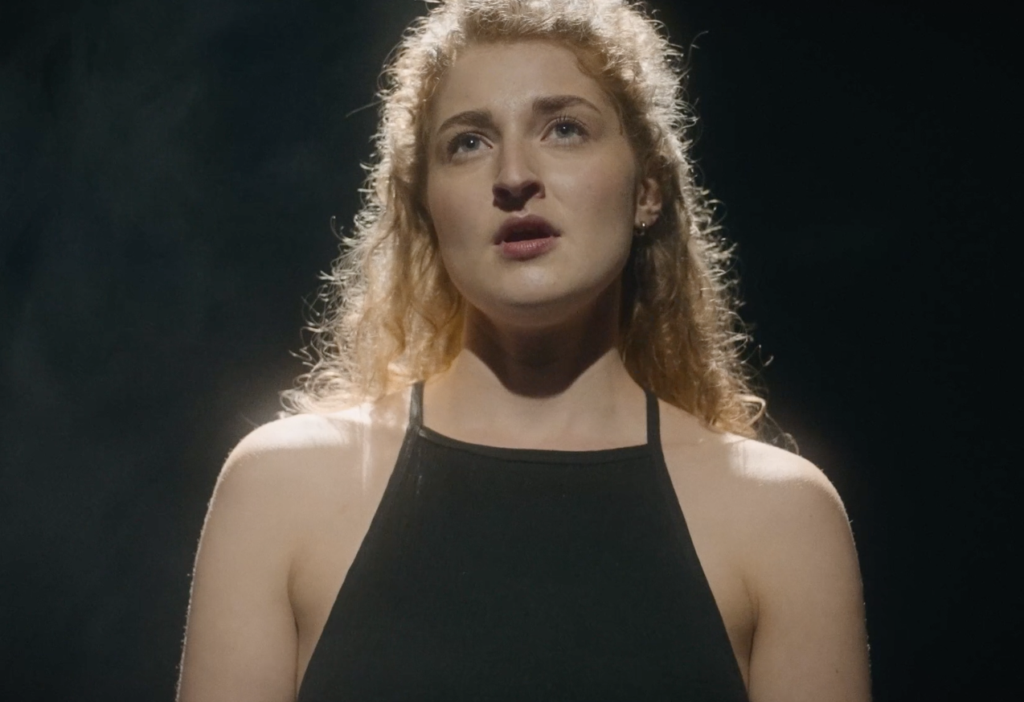
In my short film, These Streets, the story of a young woman navigating her creative dream is depicted as she faces the challenges presented to her resulting from her working-class background. The film wrestles with a core concept: opportunity. This project marked the first time I embraced spoken word as an art form, and I wanted to ensure that the protagonist’s poetry vibrated with determination and grit, with an overpowering sense of hope and commitment in her passion. This is where a working-class voice is heard. This is where a working-class creative audience is spoken to.
Tips for like-minded creatives
Embracing your resourcefulness as a working-class creative is an essential part of progressing in the industry.
I would advise understanding and embracing your social class and background. I’m at the stage of my career where I can recognise class is an undercurrent within my writing, but it doesn’t define how I write. As it is my experience of life, it feels organic to include in my projects and storytelling; I work with it now like a valued tool.
Embracing your resourcefulness as a working-class creative is an essential part of progressing in the industry. This can look like reaching out to local theatre organisations to see how they can help you. Becoming familiar with contacts like Creative Access can open doors to support and will prove to be beneficial in the long term. It’s essential to expose your work to the resources available, as it shows that there is an undeniable demand for similar platforms to exist.
Platforms like Underscore Cinema, can only be maintained when working class creatives share the same mantra. A high demand means more success. More success for the film festival means more opportunity for working-class artists. As this cycle begins to stabilise, better bonds are created between Underscore and organisations like Creative Access, offering more opportunities for support and collaboration.
References:
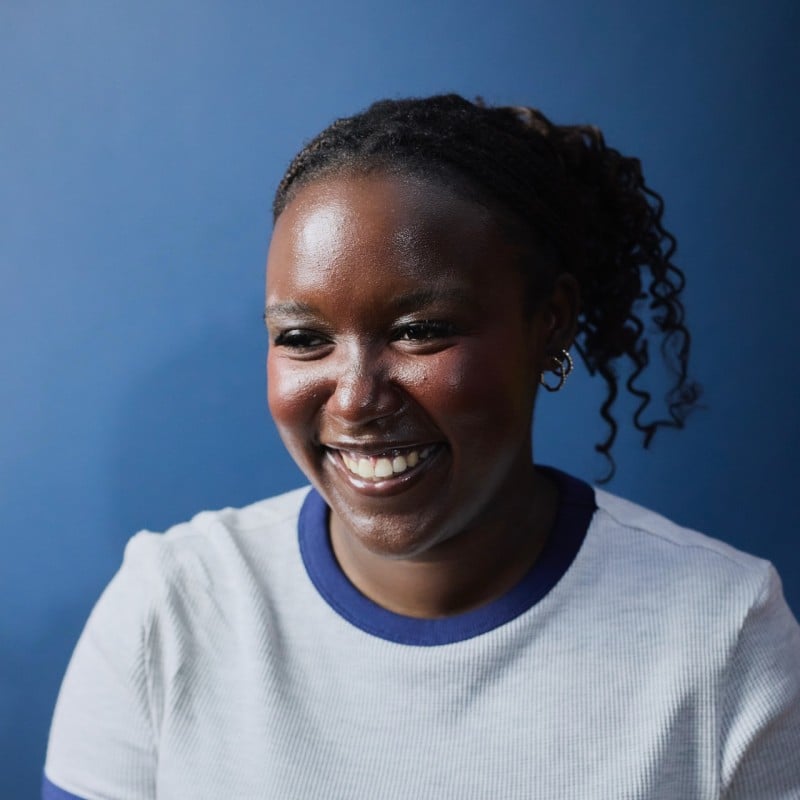
When Lucia Aide describes her Creative Access internship as ‘aligned, insightful and encouraging’, it’s clear she’s found her stride. Her journey to this point hasn’t been straightforward – shaped by loss, reflection, and a renewed sense of purpose – but it’s led her to a career rooted in creativity, connection and community.
From starting her own platform, theConn3ct at 21, to bringing fresh ideas to Creative Access working across our career development programmes Springboard and Thrive, Lucia is full of ambition. We spoke about her path so far, the power of pausing, and what it means to take up space as your authentic self in this latest instalment of Diary of a CA Intern.
CA: How would you describe your internship so far in three words?
Lucia: Aligned, insightful and encouraging.
You really stood out in your interview for being sure of how this internship will fit into your career goals. How did you get to that point?
It’s so interesting that was felt! I’ve experienced a lot of loss, which has had a big impact on me and my career too. This year, I’ve spent a lot of time reflecting on what I’ve done and the skills I have, and figuring out where they could be applied. That process really helped me understand what I want and where I could go next.
I also was able to connect with a mentor through the Creative Mentor Network this year. That helped me do some deep thinking about what I value when it comes to a job.
Sorry to hear you’ve experienced a lot of loss and it affected so much of your life and career at that point. Do you think that you made you more aware of how useful career development is?
Yeah, I’m very invested in the idea of being a part of people’s journeys and helping them realise the greatness that lives within them.
And I do think because of my experiences, I have a perspective on what’s needed for people in these spaces. I know as a young person, people sometimes misguidedly make programmes that don’t serve the community they are trying to, because of a lack of understanding. Then that doesn’t make the intended impact.
So, I do think having lived experience is valuable, as well as just being passionate about helping people.
Creative Access holds very closely the ethos: ‘By under-represented people, for under-represented people’. Are you bursting with ideas for how Creative Access can improve or develop its work with people like ourselves now you’ve been here a little while?
One thing, I’ve realised is that I enjoy developing things. I’m always thinking about how we can improve or make an even bigger impact.
Creative Access is doing really amazing work. Even the first week I was like, ‘Wow. If I wasn’t working here, I would want to be able to get onto the Thrive or Springboard programme.’ I can see how access is being created.
I also think there’s always room for improvement and that’s why it’s important that there’s a role like mine that can bring in people with fresh ideas from various backgrounds. Whether it’s who they are, what they’ve done or the experiences that they’ve had, I feel those are the things that really shape businesses like this.
You’ve squeezed in going to university, setting up your own platform, theConn3ct, and getting this internship into a pretty short amount of time… I think the CA community would love to know about how you did it?
A lot of the things that I’ve done have stemmed from poetry. I discovered George the Poet through my English teacher when I was young and I thought wow – he was speaking about important topics, but he sounded like my brothers or my cousins that used to rap. Then I started writing, and it gave me a way to express myself.
So, when I was 15, I started a platform and we did events in London that consisted of speakers, poets, musicians, and panel discussions. I was running it with my friends and negotiating with venues. I was just passionate about gathering people!
But then a loss in 2019 forced me to pause. I took some time out of university after my first year. When I went back to university a year later, I found the courage to get back up again.
I came up with an idea that would get creatives connecting – theConn3ct. It’s a platform that’s dedicated to curating experiences and creative projects that are rooted in community, connection and creativity.
In 2023, we had our first event that was funded in Kent at my university, and then we did our first event in London. From there we’ve been curating these creative spaces with people who just value community and connection.
I truly believe that no matter who you are or what you do, you’re going to need us creatives. Whether it’s a photographer, or your heart just needs that music to your ears, you’re going to need us.
You said you found the courage to pick yourself back up again after something terrible happened. What advice you would give to someone who has gone through something painful and is trying to get their creative momentum back?
I’m very big on sharing my story because I think about the times where I’ve wanted to hear someone open up about something that they’ve gone through just so that I wouldn’t feel alone.
Having to take time to pause has been important for me. Sometimes we think that if we pause, everyone else is going to keep moving and we’re just going to stay still, but pausing is probably going to have an important effect on how you move forward. So, don’t be scared to just take time.
The second thing I’d say is ask for help. One thing that I made use of at university was anything offered to me to do with well-being.
Because of the taboos related to mental health, it’s scary to tap into that kind of support, but whoever you feel safe with, I encourage you to talk to them.
Our life experiences, especially the difficult ones that you’re discussing, can be so relevant to who we are, and even sometimes where our strengths come from. How closely do you feel these challenges are part of who you are as a professional?
It’s hard to know me and understand my strengths and my skills, without a certain understanding of my story – that’s just how I work. So, I may not tell you the whole spiel but theConn3ct isn’t theConn3ct without you understanding the person that’s behind it.
That doesn’t mean I don’t feel embarrassed sometimes, thinking “Maybe I shouldn’t have said that!” But I know that all I’ve gone through has made me who I am, and I can’t run away from it.
We take inspiration from your confidence! Where does it comes from?
Growing up as a kid, I was a very shy but when I started performing and singing it built my confidence.
Self-doubt has lived with me for a while, but I do the inner work – reminding myself that I am a gifted person and I am deserving of being in the spaces that I want to be and desire to be.
One of my goals coming into this traineeship was that I wanted to take up space and I wanted to use my voice. If I have something to say, I want to say it, if I don’t, I won’t.
I think coming from an under-represented background, one of my fears has been like – whatever space I’m going into – I might be too much or I might not be enough, or the way I speak isn’t professional enough or who I am isn’t a professional enough. I think over the years, life has taught me that is better to stay you. Yes, be professional. Yes, be this this or be that, but do it in your way. It’s gotten me to where I am.
What was it about the thrive traineeship at Creative Access that caught your eye?
That it was a 12-month contract and a ‘let’s see how much you can develop in this time’. I’ve never been in a position where people have said ‘Let’s see how we can support these natural gifts things you have and help you develop’.
Working with the community and partnerships manager was also exciting to me because I’m passionate about relationship building. Through Conn3ct events, I’ve been able to gain some experience but there’s room for development. I have my way of doing things without anyone telling me to, which I’ve winged it up until now! But I wanted to know how Creative Access produces events from the concept to the end goal.
I think the values that Creative Access hold are very dear to me, and it’s what I’ve always been passionate about; creating access for creatives and to each other and to opportunities. Those are things that really get me going.
Another big passion of mine is my identity and this idea of belonging; letting people know that no matter where you’re from or how you identify, you deserve to be in the spaces you want to be in and you can belong. Also, employers need to create safe spaces for people to feel like they can belong and that their identity matters.
Sometimes landing a CA internship can make you feel like a fish out of water at first! How has the adjustment been and what do you wish employers knew?
Being an intern is hard, and doing the Springboard induction really showed me that it’s hard to go into anything when you haven’t had that much experience. You’re entry level and no one’s really taught you how to navigate these spaces and you come from a background where you don’t even know people who would have even ever gotten this type of opportunity. It’s so difficult but it’s also really rewarding, because I did this. I got to this point. I brought myself to the table.
However, a message I have for employers is: really ensure that there’s great structures [in place for interns]. I think Creative Access is doing a great job at trying to ensure that trainees and interns are getting a smooth onboarding process.
What can we expect from you after you complete your traineeship?
I’m excited to look back at where I was now and think that I showed up, did my best, made an impact on others as well as on myself.
I also look forward to tapping more into my creative side! I’m passionate about storytelling and there’s pictures that I’ve taken over the years as I’ve travelled back to Uganda which I plan to tie that into an essay about identity and belonging.
Thank you so much for your time, we can’t wait to see what you do next!
Stay in touch with Lucia and follow her work on:
- Lucia’s LinkedIn 🔗
- The Conn3ct’s Instagram 🔗
Creative Access is super excited to collaborate with Carolyn; a 25 year old freelance copywriter and founder of Word Tonic. Carolyn spends her days crafting carefully curated lines for ads (like the kind you read on billboards), blog posts (just like this one!), and even funny little captions on social media.
Like most of us, she wasn’t told about this career at school and went on a tipsy topsy journey to get to where she is today. So if you want to find out what a day in the life of an actual copywriter looks like – and get a few tips along the way – just read on!
Ok, but who am I and what is copywriting?
Helllllllo! Carolyn here. I thought it kind of made sense to tell you a bit about my journey into copywriting.
But first…what is copywriting?
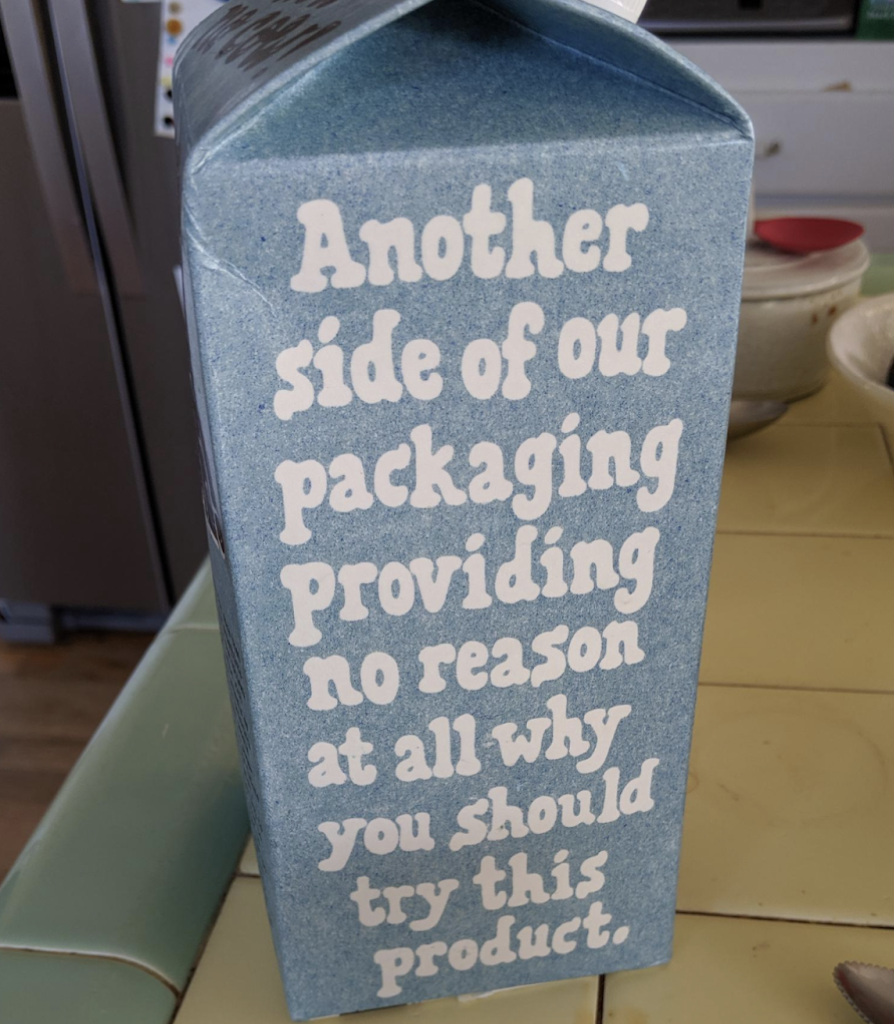
I get asked this question a lot but in a nutshell; it’s writing stuff for brands. It’s marketing material. It’s that blog post you just read on how to make banana bread. It’s that ad you saw on the tube that made you giggle. Even the funny writing on the side of Oatly cartons is copywriting:
Now I never even knew that this career existed at school. And I kinda feel like that’s a canon moment for most of us. The kids who were good at science and STEM subjects had THE WORLD ahead of them but us English Lit kids? Nah. We either had to write a best-selling book or become a journalist. And if that didn’t work out, maybe get into teaching. I still remember going to my ‘careers advisor’ and telling them I loved writing.
Their response?
“Honey, do you really want to become an English teacher? Because that’s the most viable option.”
Thanks for nothing Mrs Smith.
ANYWAY.
With basically no help from school, I decided I’d just go to uni. Because that’s what everyone else was doing and well…it would buy me time to figure out the rest of my life.
So, I went to study English (surprise) at Queen Mary University of London but…I just didn’t love it. I hated analysing why a door was blue and to be totally honest, I couldn’t afford it. My dad’s a postman and my mum was a nanny – and they were both alcoholics. I love them, but it made juggling studies really difficult.
So, I decided to quit. But luckily within the last few months of making that decision, I found out about freelance copywriting and realised I’d finally found a career that made me excited.
I could write for a living. I could be creative. And best of all – since it was freelance – I could travel. Be my own boss. Have autonomy.
And that’s how it all started.
Now? I’ve been a copywriter for eight years and I’m also the founder of Word Tonic; a community of 2500+ gen-z copywriters.
What is Word Tonic?
Word Tonic is basically an online learning platform and community for young people to learn about copywriting and level up with lots of resources.
I created it because I was tired of always being the youngest one in other copywriting communities and I wanted to create a more accessible route into the industry. Especially for people who maybe don’ t have degrees or don’t look ‘great’ on paper.
Now we do weekly copywriting masterclasses with brands like Marvel, briefs to help build up your portfolio, live writing challenges with brands, and host live networking events across London.
What does a day in my life look like?
Freelance copywriting is very different from a normal 9-5. I don’t have a ‘boss’ breathing down my neck asking where my work is. I’m not clocking in or logging my hours. I don’t even go to the office. And the best part? I can travel while I’m working- as long as I get the job done. So I thought it would be cool to give you a peek at what a normal day in my life looks like. No sugar-coating whatsoever.
8.30am; wake up, snooze, repeat
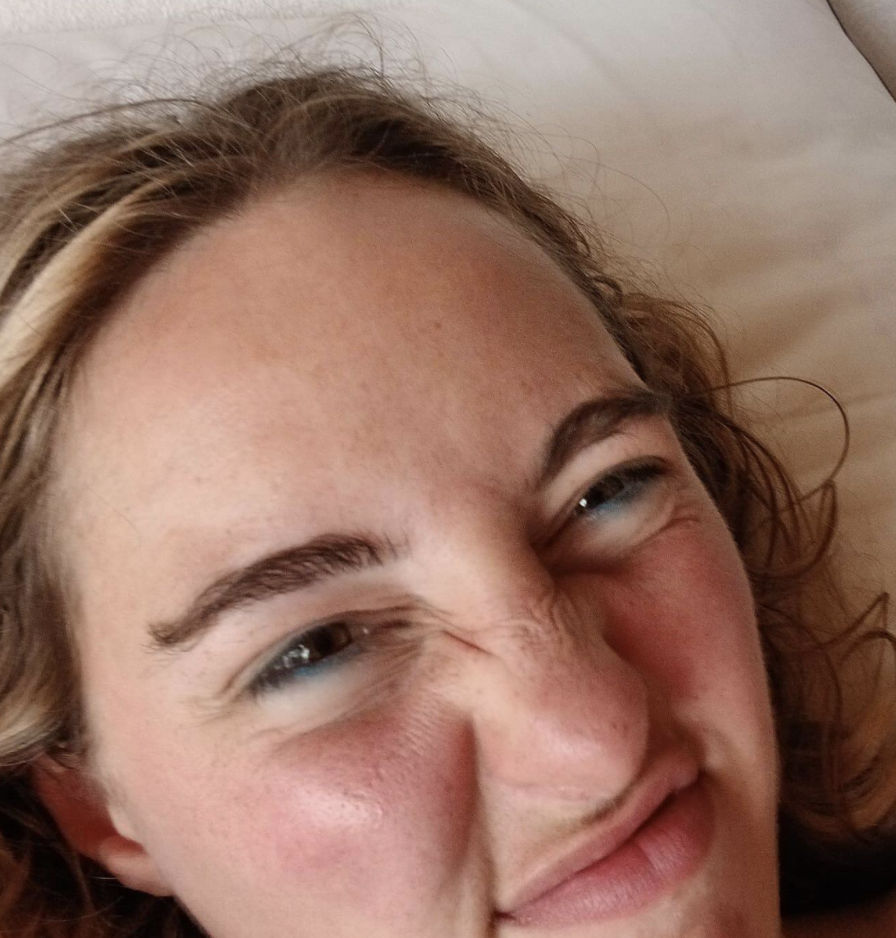
I used to be a barista for exactly one week and a half (I couldn’t take the pressure) and I remember having to wake up AT 6AM to be there for the store opening. And that’s one thing I love about freelance copywriting; no set work hours!
Since I work for MYSELF, I can decide when I get up. And I’ll be honest, some days are rough. Some days I’m feeling a lil bit low. Other days I might have woken up feeling like death after scrolling on Instagram until 4am. And on those occasions, I’ll sleep in. Sometimes even till 10am.
But most days I get up at 8.30am and start my day.
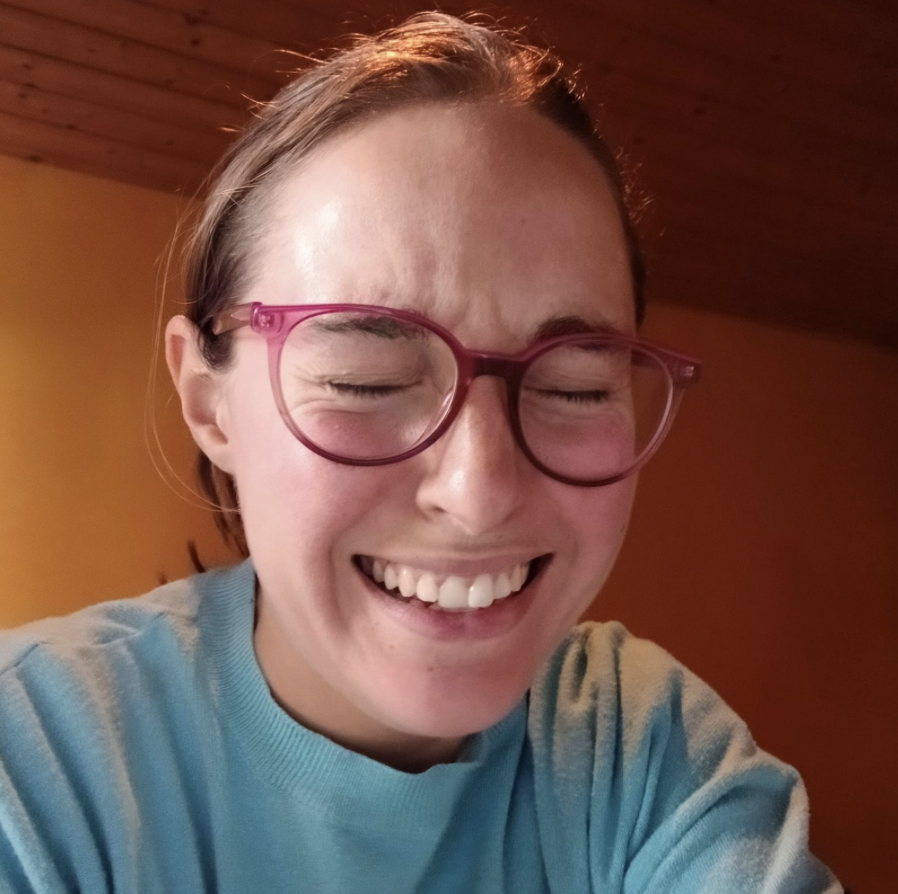
OH and this will be my ‘work outfit’ for the day:
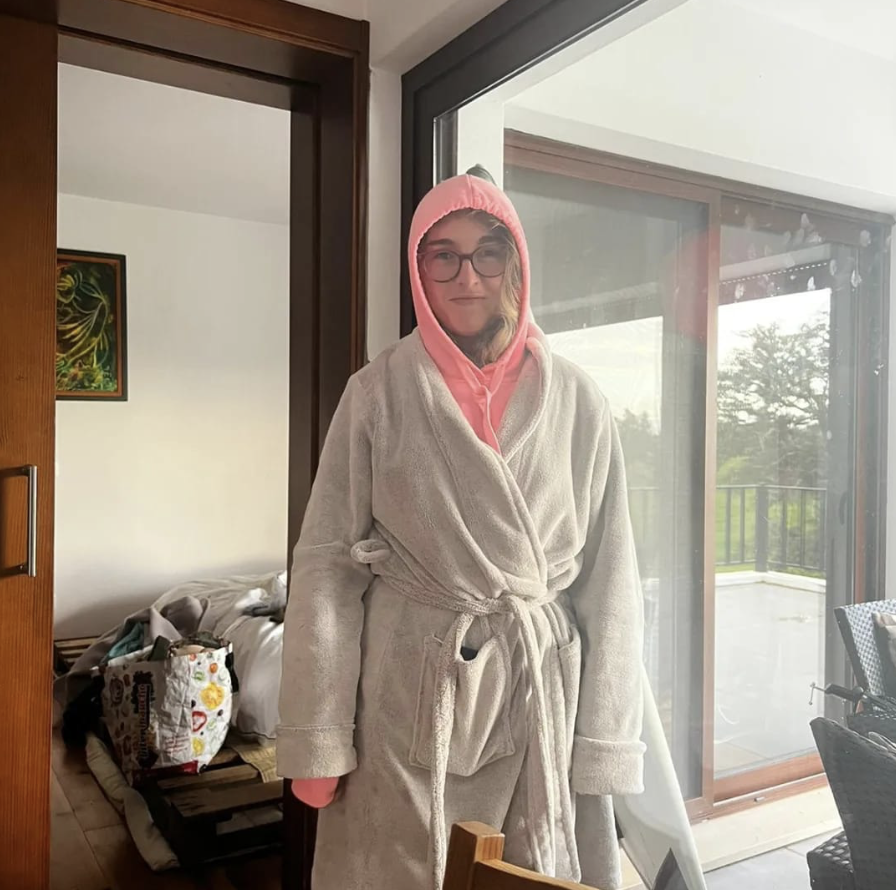
LIL FREELANCE COPYWRITING TIP: I won’t lie – having this freedom is great but you do need to have a certain level of willpower and ambition to get stuff done. Because yes, you can wake up when you want and work when you feel like it – but only to a point if you actually want to get paid.
So my best piece of advice for those days when you’re feeling uninspired and totally ready to just veg with your Nintendo Switch? Have a reward set up for later in the day. I literally tell myself, ‘Carolyn, you’re gonna get to watch Real Housewives and eat chocolate.’ It sounds SO dumb, but it honestly does get me out of bed.
9.00am; breakfast (and by breakfast I mean coffee)
Again, I’m just being honest here. I tend to just grab a coffee and start working right away. I’ll usually look through my emails, catch up with any client comms and get my head straight for the day with some sort of to-do-list.
9.15am – 11am; client briefing
After putting on a semi-decent shirt (I’m still wearing my boyfriend’s boxers but they’ll never know) I hop on a call with one of my clients. Some people think copywriting is just WRITING and that no human interaction is needed. Not true. Even if you’re an introvert, you’ll still need to attend meetings – especially if a new brief comes through.
So on this call, I was given a brief to write my client’s monthly newsletter and to write a blog post on sales psychology. After the call, I spent about an hour dissecting the brief to make sure I understood what was being asked of me and started planning my work!
LIL FREELANCE COPYWRITING TIP: Freelance copywriting isn’t just about writing; how you interact with your clients is also A HUGE part of it. So you need to make sure you’re on top of emails and responding to stuff in a timely manner, and that you’re getting work sent in on time. BUT…and I found this out the hard way…never set the expectation super, super high. I remember at the start of my career, I was eager to please please PLEASE. So as soon as I got a brief, I’d aim to get the work done within 2 days. Even if the deadline was in a week.
I just wanted my clients to think, ‘wow, she’s fast!” And they did love it. But soon, it became something they expected. So as soon as I started handing work in on the deadline date, they were disappointed. So instead of being eager-beaver, just get your work in one day ahead of the deadline – max.
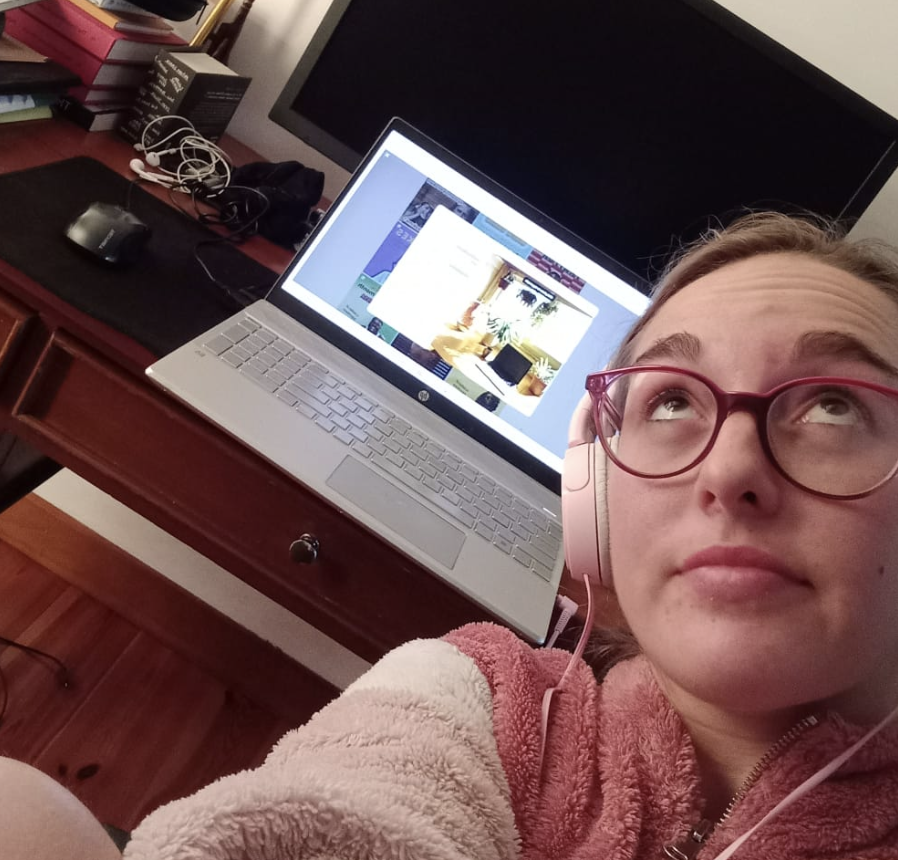
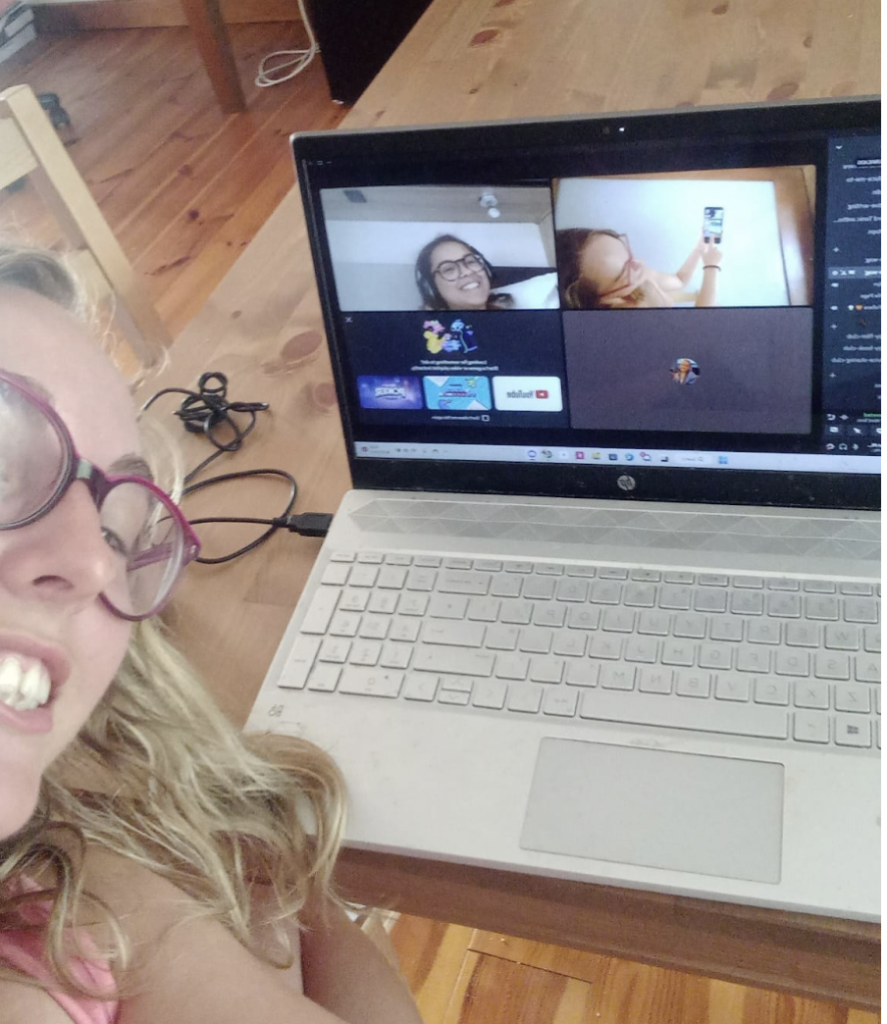
11am-12pm; work and blank Google Doc syndrome
And now it’s time to workkkkkkkkk. I put on some music and I spend the next hour trying to come up with words and ideas related to the brief. About half my time is spent looking at a blank Google doc.
LIL FREELANCE COPYWRITING TIP: Writer’s block sucks and it never really goes away. You just get better at handling it and coaxing the creativity out. One way I like to do this is by ‘getting the gunk out.’ AKA, writing the worst way first. Let’s say I get given a brief to write a headline about chocolate. What I’ll do is spend at least 10 minutes purposefully coming up with as many bad ideas as possible- and writing them down. Sounds weird, but I find it a nice way of clearing out my brain before I get to work seriously.
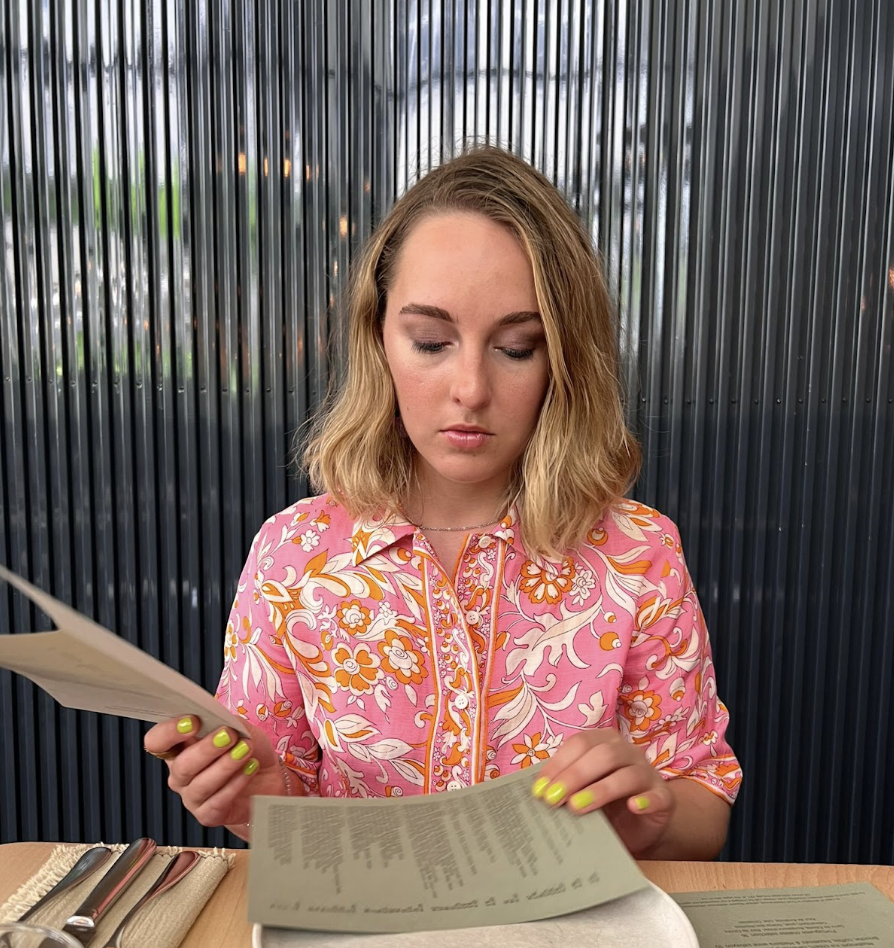
12pm-1pm; lunch at my local
This is literally the only time I will make an effort (when food is involved).
1pm-2pm; Google deep dives and research rabbit holes
When I get back, I switch gears to work on a DIFFERENT COPYWRITING PROJECT. Because as a freelancer, I can have many different clients – all at once. Which in some ways is really nice; having the variety can be exciting. But it can also be a bit draining to switch between two briefs.
Part of my work with this particular project involves doing A LOT of research so I spend most of my time on Google Scholar trying to find sources to better understand the topic I’m writing about.
LIL FREELANCE COPYWRITING TIP: You’ll pretty much always need to do some kind of research for a copywriting project. But it will come especially handy when you’re writing about something you don’t 100% understand – or for a target audience you don’t relate to. Take me. The brief I got was to do with writing up a headline for an ad about football for male fans between the ages of 50-60.
I don’t mind football but I definitely don’t know what being a 50-60 year old bloke who loves footie feels like, and it’s important that I do – or else my copy will come out sounding strange. If you ever get into this problem, I recommend using Reddit. Sounds crazy but it’s a great way to people-watch (safely, online) on different groups of people with particular hobbies and interests. You can even ask them questions.
2.15-3pm; final push through
And then I have one final hour of pushing through because I’m working to a tight deadline.
Now, this day was quite filled up but it’s important to remember that it’s not ALWAYS that way. And a lot of the time YOU’RE dictating when you work and how long for. Some weeks are slow. Some weeks you’re not inspired, no matter how many walks you do or how many times you reward yourself with limitless supplies of chocolate.
And that’s okay. That’s the great thing about freelancing. If you wake up one day feeling 100% totally out of it, you can drop it for the day and do something entirely unrelated.
2.15-3pm; learning and development
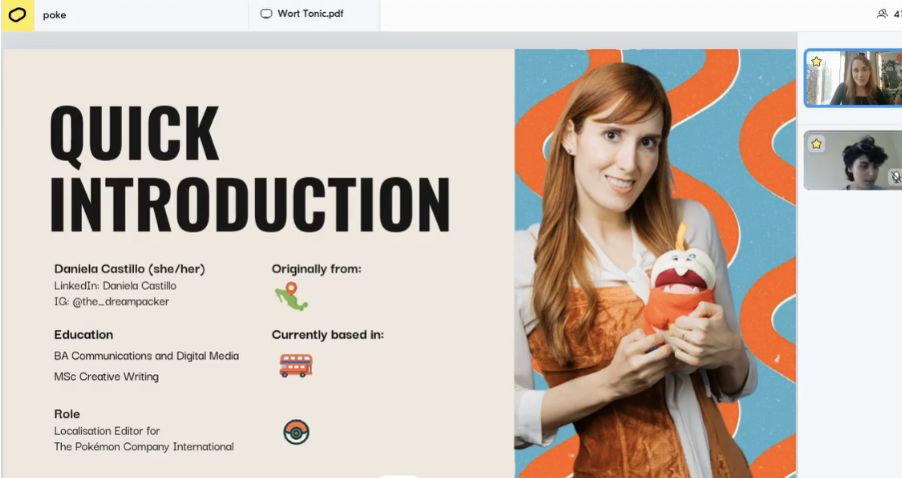
Once my work is wrapped up, I usually like to spend 30 or so minutes trying to learn some new skills in marketing. It’s always a good idea to stay fresh in this field.
And remember how I said I was also the founder of Word Tonic? Well, we do weekly copywriting masterclasses in the community and on this day, we actually had a workshop with a Pokemon copywriter (yes, really).
So I came along to facilitate and lead the call and…wow. I learnt so much! Even though I’m not getting into games writing, sometimes stepping outside your immediate field can help you become more creative.
5pm; a bit of a surf
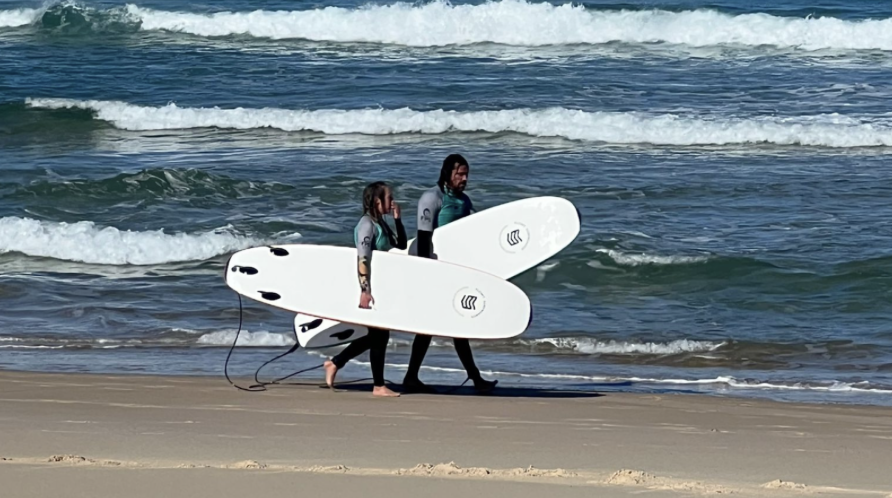
THAT’S THAT! I end most of my working days between 3pm to 5pm and today I decided to head to the beach (I live in Portugal so it’s right around the corner!) to surf. I’m not good at surfing. Never have and never will be but it’s SO MUCH FUN.
And that’s my day in a nutshell as a freelance copywriter!
Finding small, consistent ways to support yourself and your mental health in the workplace is really important. To mark #MentalHealthAwarenessWeek, we have collated some tips you can implement into your daily routine and resources of where to turn when things get tough.
Take regular breaks
We know this might sound obvious, but getting outside, taking a screen break, making a cuppa, chatting to a colleague or simply taking a few deep breaths is something lots of us don’t do enough of and it’s vital for de-stressing!
If you struggle with finding the time to take a break, you can test out using The Pomodoro Technique – which involves typically doing 25-minute stretches of focused work broken by five-minute breaks.
Wellness Action Plans
Wellness Action Plans are a personalised, practical tool everyone can use in the workplace. They provide an opportunity to share any mental or physical health issues you may have or share generally what negatively and positively impacts your mental health with your manager.
Together, you can share and discuss strategies that help your mental health. The plan should be reviewed and updated regularly. Find out more about Wellness Action Plans via Mind.
Draw up boundaries between work and home
If possible, separating your workspace and living space can be useful in establishing boundaries between your personal life and your professional life.
Also, if you regularly work from home, you can make a request for equipment that helps create a safe working environment, such as a desk chair or a second screen.
Add variety to your day
Creative Access staff like to start or end their day with a brief walk to clear their head and have some fresh air – like a mini commute to get in to (or out of) the zone!
If it won’t affect your calls/meetings, you can work in a coffee shop or co-working space for a change of scenery. Or, call a work buddy to body double virtually or in-person!
Know your limits
This one is especially important for all the freelancers out there!
Many freelancers feel the pressure to say yes to work due to fears around financial security, however taking on too much work without real breaks can lead to burnout.
Learn how to say no to jobs when you need to take time to recharge your batteries.
Take comfort in creative networks and communities
Professional communities create spaces where people feel seen, heard and understood. This sense of belonging creates space for open conversations and helps reduce feelings of isolation.
Professional networks also often run events, socials or workshops that give you a chance to unwind and talk about more than deadlines.
Ask your employer to invest in training for your team
Creative Access holds regular training sessions for our team on mental health and other key topics, so that everyone feels confident in talking about and handling sensitive topics and issues in the workplace.
Additional resources if you’re struggling
If you’re struggling to cope with feelings of anxiety and stress, please speak to your doctor or NHS 111. Many GPs are offering telephone consultations.
For urgent support, Samaritans are also here to listen at any time, day or night. Call free on 116 123 or visit the Samaritans website.
Anxiety UK also have a helpline staffed by volunteers with personal experience of anxiety so you will be speaking with someone who has been there. Call them on 08444 775 774 (Monday – Friday: 9.30am – 5.30pm).
Local Minds offers valuable support for yourself and if you’re supporting someone else experiencing difficulties with mental health.
Did you know that springtime is the best time to land a new role?
Whether it’s because budgets are renewing or simply because the sun is shining, we’re seeing A LOT more opportunities come through right now. Our data shows a consistent spike in job listings between the months of March and May – and this is trend we’re seeing continue in 2025!
If you’ve been job hunting for a while and are having no luck, we’re here to tell you to keep the faith. Here’s how…
Refresh your CV
This is your sign to update your CV with all your latest achievements, job responsibilities and the new skills you’ve acquired recently. Aim to refresh your CV and portfolio as regularly as you can – it makes applying for jobs so much easier when you don’t have to spend ages listing new responsibilities
or updating the format!
Whether you’re just starting out or looking to take the next step on the career ladder, read our advice on updating your CV.
Spruce up your socials
Along with giving your CV a spring clean, this is the perfect chance to level up your professional social media channels. Make sure your job title is up to date on LinkedIn. If you use Instagram as a portfolio, pin your post of your latest project. Or, share a TikTok about a recent networking event you’ve attended.
Whatever platform you’re using, make sure you’re shouting about all the amazing work you’re doing!
Think about your career goals
List your skills and qualifications, then identify gaps you can build on whilst you’re job hunting. Make your goals SMART (specific, measurable, achievable, realistic, timely). If you’re unemployed, it could be a free online course to gain a qualification, or if you’re in work, you could ask to spearhead a new project that reflects your goals.
Here’s some advice from Aki Schilz, director of The Literary Consultancy, who recently hosted a masterclass with us. Take a holistic approach to career planning, using a self-reflective SWOT analysis:
- What are your superpowers?
- What sparks your curiosity?
- What do you value most?
- What impact do you want to have?
Be intentional
Remember, it’s quality over quantity. We often think of applying for jobs as a numbers game – but recruiters can tell when you’ve completely copy and pasted a cover letter or haven’t tailored your CV to the skills in the job description. We know it takes a bit longer, but trust us it’s worth it!
We read 100s of applications a week and the ones that show clear passion for the role and company stand out the most.
Level up your career. Register for opportunities with Creative Access.
Body-doubling, regular breaks and reciprocal mentoring: How publishers can support neurodivergent staff to thrive. By Melina Spanoudi
Clinical psychologist and Creative Access trainer Victoria Mattison shares further insights on how employers can create supportive environments for autistic staff, as well as individuals with ADHD, dyslexia and dyspraxia.
It was a lively and informative Creative Access virtual masterclass, bringing together aspiring, junior and mid-level creatives from across the UK. Chaired by our marketing & communications manager, Rochelle Chinn, the panel featured seasoned industry pros at various career stages in music, PR, TV & film, and comms. They explored how to overcome geographical barriers in the London-centric creative industries, covering everything from how to find opportunities to the importance of networking in a shifting creative landscape!
Read on for invaluable insights on building a thriving creative career outside of London…
The panel:
- Rochelle Chinn, marketing & comms manager, Creative Access
- Ash Sodawala, account exec, Citypress
- Luke Oliveira-Davies, creative producer & founder, Polari
- Will Marshall, freelance composer
The biggest misconception about a creative career outside of London is that it’s not possible to have one! There’s thriving scenes and hubs all over the UK, particularly in cities like Manchester, where Ash grew up, studied and now works thanks to Citypress locating its headquarters there.
An excellent way to virtually network is through WhatsApp groups. Luke says, “I know they can be overwhelming for some people and for that reason I do have them all muted, but I browse in my own time. Look at what people are talking about and engage when you can.”
Be prepared to impress someone with a great portfolio. Will recommends showcasing your best work on a website through SquareSpace or WordPress – and Instagram is great too. And, if you haven’t got any professional experience to showcase yet, just showcase work you’ve done voluntarily, at college, university or passion projects.
Will’s top tip for perfecting your portfolio is get someone who knows you and your work to give you feedback.
Your regional location can be an advantage if you use your lived experience to enhance your work. Ash says, “Growing up in Manchester and going to university here makes me an expert of the area, which I use all the time when I’m advising my clients on the cultural landscape and what will land.”
Increase your chance of success with cold emailing by making it warm. Rochelle says, “When you’re reaching out to someone and asking for their time, be specific with what you’re looking for. Instead of saying ‘Can I pick your brains?’ Say ‘I loved your work on this campaign and would love to learn more about how you did it.’”
When opportunities in your career are scarce, don’t wait for one, go create one, Will says. And if you’re not yet comfortable getting yourself out there, acknowledge that self-promotion is a skill within itself, and it’s something you can practise.
If you’re feeling uninspired where you are, Luke advises listening to podcasts on how people built their careers, attending online events, and watching videos of masterclasses. This way you can connect with peers online who you can talk about your craft with. Rochelle echoed this, saying it’s important to consume other mediums outside your craft to find inspiration. As a writer, she finds films the most inspiring way to get her to pick up the pen.
If you’re having trouble staying motivated when you’re receiving rejections, keep going. Know that you are improving all the time, and with enough practise you’re going to be the best version of yourself in an interview.
Something you may be surprised by is that you might not end up in the career you thought you would be in. You’ll have more success if you stay open to alternative routes or even industries. Ash originally wanted to get into the publishing industry, and thought PR would be a good way to sidestep, but now, really sees herself building a career in PR.
A very transferable retail skill for the TV & film industry is confidence. Luke says, “I gained more skills working in Wetherspoons and River Island that I bring to the TV industry than I got in my degree. Working in TV is all about people, and being adaptable, so retail is a brilliant place to start.”
One common mistake that entry-level individuals make is basing where they live entirely on their career prospects, with the assumption they will only get a role there. Ash advised thinking about where you want to live, finding out what’s going on locally and focusing on establishing your base there.
Don’t underestimate the power of making connections because creative work is often based on referrals. Will came from Fife, a village in Scotland with a population of hundred or so people, and as a working musician he says, “Do what you can as well as you can, because people will want to work with you again and word of mouth is key.”
Thank you to everyone that attended and asked such brilliant questions in the Q&A, as well as our fantastic panellists who shared so much wisdom. See you at the next one!
Are you a budding creative looking to secure your first role? Do you want the opportunity to expand your skills in admin, research and more? Have you got an exciting new experience to add to your next application? Sign up now to attend our next online group CV consultation happening online on the 27th March.
PR – it’s an arguably misunderstood profession in the creative industries, having long been portrayed in sitcoms as the job for extroverts and glamorous party-goers keen for media coverage. But what do we really know about the public relations industry?
Perhaps this mischaracterisation is partly to blame for the industry’s lack of diversity: 9 in 10 UK PR practitioners are white and 25% are privately educated (CIPR). We know that if you don’t see yourself represented in an industry, you’re much less likely to consider it as a career path.
However the industry is changing, and it seemed fitting to host our first Creative Access masterclass of 2025 with our fantastic employer partner Teamspirit, and spotlight the world of PR and marketing through all the unique ways in. With an engaging panel of industry pros at Teamspirit and Harvard, they helped break down the barriers and illuminated the pathways into the exciting but sometimes misunderstood industry of PR. Read on for our panellists’ top 5 tips for breaking into the PR industry…

We were joined by:
- Sandy Downs, account director and head of DEI, Teamspirit
- Alex Waring, junior strategist, Teamspirit
- Sofia Cerchiai, senior PR account executive, Teamspirit
- James Drinkall, creative services project managerTeamspirit
- Joanne Oni-Awoyinka, account executive, Harvard
- Sophie Wesley, account manager, Harvard
Top 5 tips for breaking into the PR industry:
- Emphasise your transferable skills
PR thrives on diverse experiences, so whether you’ve worked in retail, customer service, or managed creative projects like TikTok videos or a blog, you have something valuable to offer. Highlight moments where you communicated effectively, solved problems, or led a team. For example, a part-time job in customer service or managing your university’s social media can be a huge asset.
- Showcase creativity in your applications
Stand out with a CV or portfolio that reflects your personality and creativity. Think PowerPoints that tell your story or an Instagram account that highlights your design skills. Tailoring your application to the company’s work and showing genuine enthusiasm can make all the difference. Creativity shows initiative and a passion for the industry – qualities PR agencies value deeply.
- Network strategically
Networking is key! Use platforms like LinkedIn to connect with industry professionals, reach out with genuine interest, and don’t be discouraged if you don’t hear back right away. Building relationships with PR professionals and journalists can open doors to internships and job opportunities while keeping you in the loop on industry trends.
- Learn and keep learning!
Many PR professionals got their start through internships or by diving into online courses. These experiences build knowledge and demonstrate your commitment to the field. Stay curious and proactive by exploring free resources and tools to expand your expertise. Mention these in interviews to highlight your eagerness to learn and grow. Check out PRCA and CIPRfor further resources and learning!
- Adapt and stand out with AI and creativity
As AI transforms industries, focus on the human skills that make PR unique – empathy, storytelling, and connection. Use AI tools to streamline tasks but let your creativity shine in building relationships and designing campaigns that resonate on a personal level. Being tech-savvy and innovative will set you apart.
The evening was a testament to the power of creativity, resilience, and connection of our brilliant panel and community, and the night continued with networking. A huge thank you to Teamspirit for hosting us in their offices!
If you’re an employer and want to collaborate on a future career-in-focus event, we’d love to hear from you.
If you loved learning these top tips, why not take a deep dive into other Creative Access masterclasses!