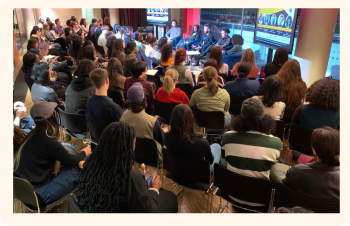
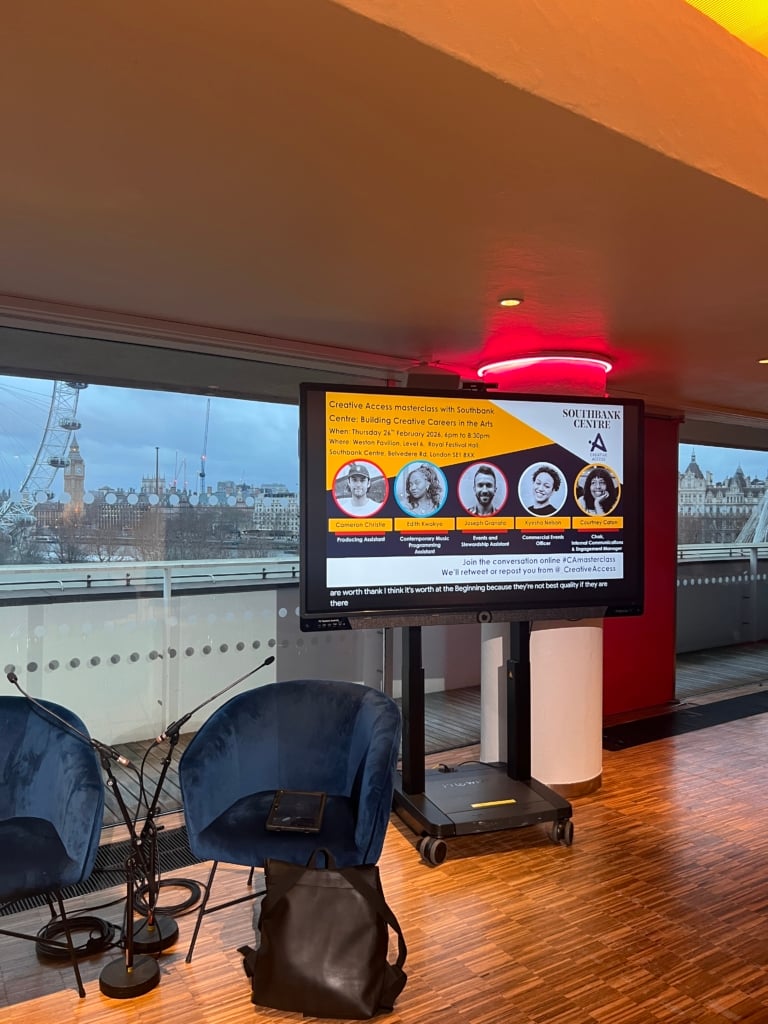
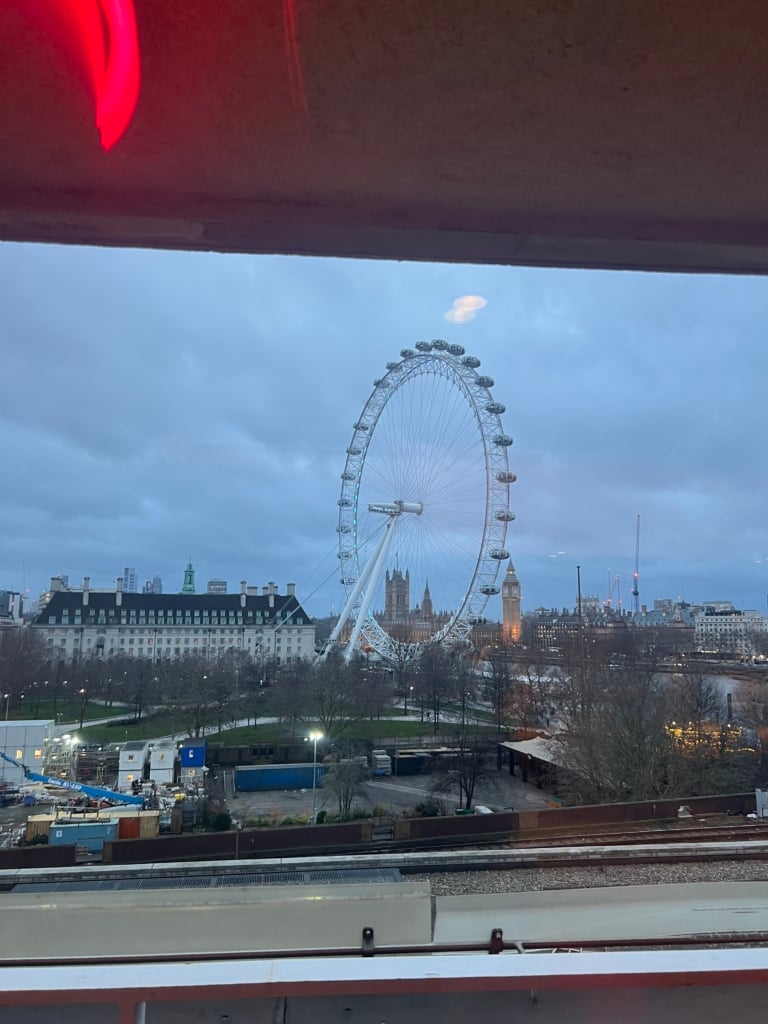
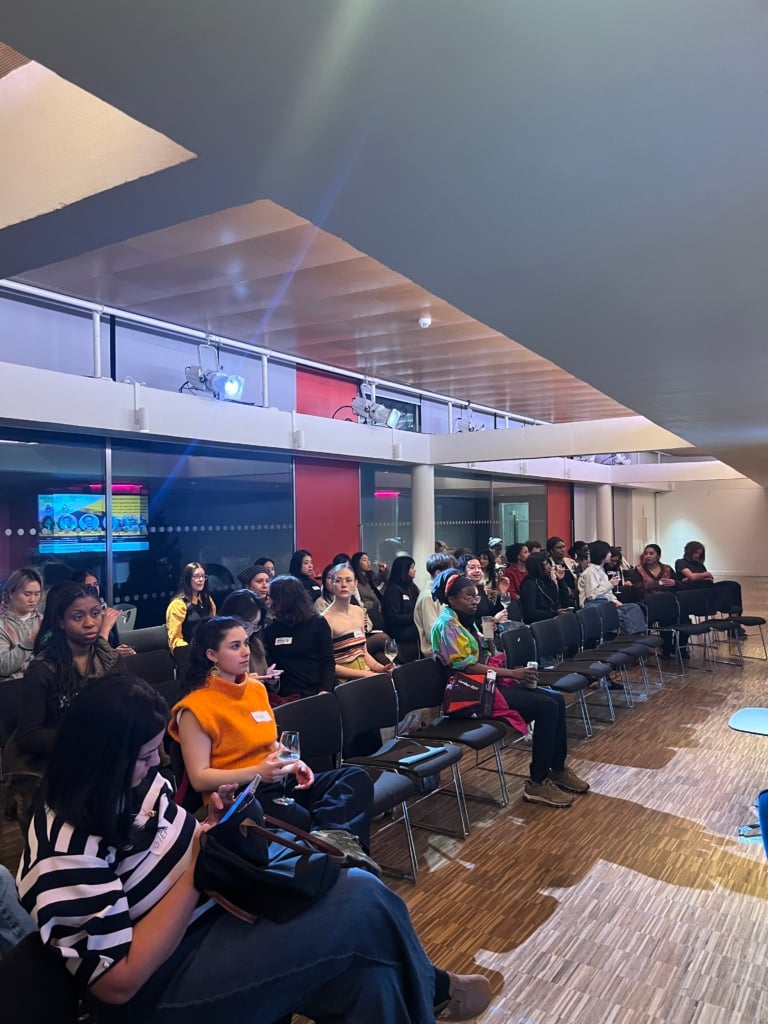
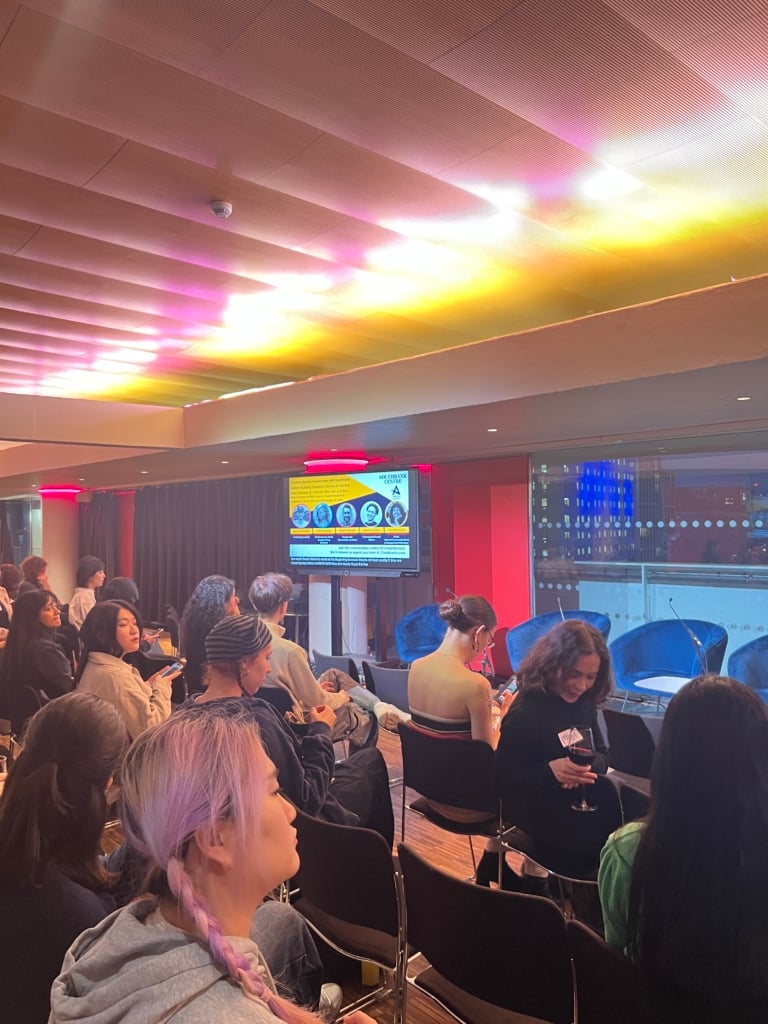
February’s masterclass took us to the Royal Festival Hall for an evening dedicated to demystifying creative careers in the arts. Delivered in partnership with Southbank Centre, the session explored the many routes into the creative industries and what it really takes to build a sustainable career in the arts.
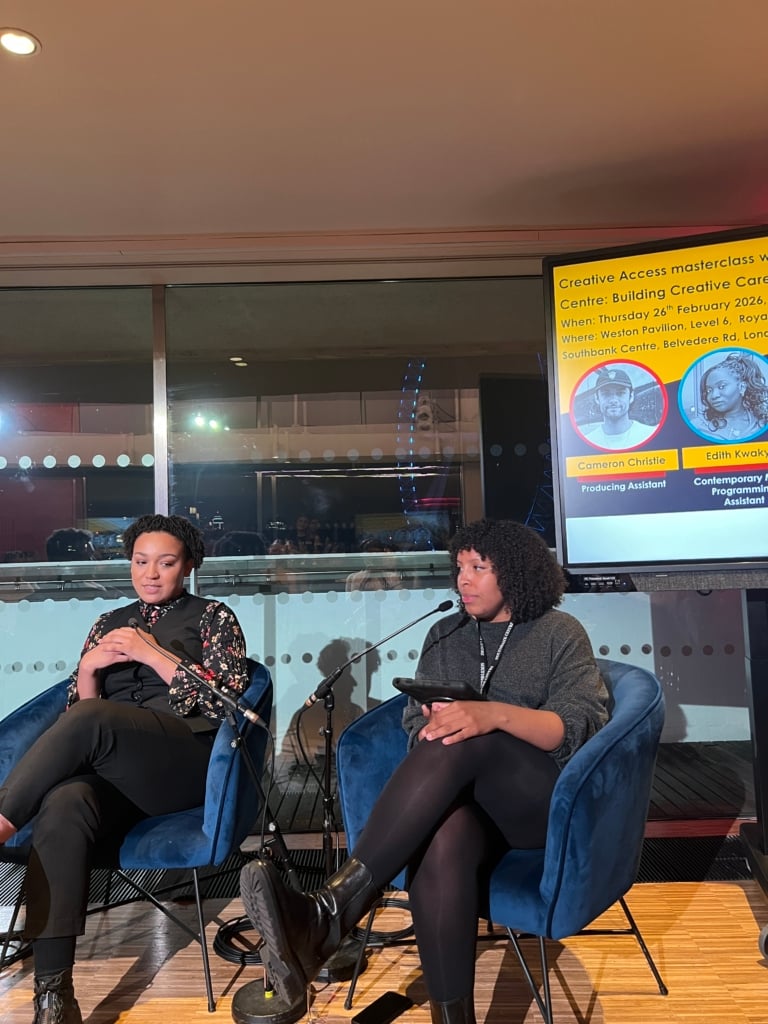
Chaired by Creative Access alum Courtney Caton, internal communications & engagement manager at Southbank Centre, the panel featured:
- Cameron Christie, producing assistant
- Edith Kwakye, contemporary music programming assistant
- Joseph Granata, events & stewardship assistant
- Kyesha Nelson, commercial events officer
The session opened with remarks from Katie Dent, head of people & culture, who spoke about Southbank Centre’s commitment to access, progression and nurturing talent from a wide range of backgrounds.
There’s no “correct” pathway in
A clear message emerged early on: there is no single, “correct” pathway into the arts.
Edith studied politics, writing her dissertation on grime music, something she still references in interviews today. Alongside her degree, she was DJing and building grassroots connections, not yet recognising that this cultural fluency would later become central to her programming career.
Joe began in architecture before realising it wasn’t for him. After drama school, he joined Southbank Centre in a front-of-house role. During a COVID-era training programme, he developed confidence presenting to large groups and collaborating across teams, experiences that eventually led him into development and fundraising. “Experimenting and trying as many things as possible is a good way to start,” he shared.
Kyesha’s career spans hospitality, fashion and commercial events. Her advice to the Creative Access community was clear: “Keep pushing yourself forward and advocating for yourself until someone opens the door and lets you in.” And when showcasing the transferable skills you’ve gained from working part-time jobs in interviews, Courtney reminded us how important it is to back yourself and trust in the skillset you bring to the table: “It’s not embellishment if you did it.”
From uncertainty to direction
The panel spoke candidly about insecurity, comparison and the pressure to have everything figured out.
Joe reflected on feeling anxious about not knowing his exact career path: “I felt like I should know what I wanted to do… What I’d say now is, it’s okay to make mistakes. Don’t be afraid to go for opportunities, even if they don’t work out.”
Courtney described graduating and thinking, “Now what?!” – a familiar feeling to many in the room. Her advice: “Be open to the opportunities where they come up… you have to stay open. It’s the best and worst thing about the arts.”
When considering what you actually want to do, Cam encouraged attendees to ask themselves three questions:
- What am I good at?
- What do I enjoy?
- What do I want to get better at?
Then, once you’ve got more clarity, reverse engineer the careers you admire. Hiring managers, he noted, are looking for people who can bring something new to their organisation. But, above all, they’re looking for passion and willingness to learn. Let your curiosity shine through and be open about the things you want to get better at.
The power of transferable skills
For members of the Creative Access community navigating career transitions, the conversation around transferable skills was particularly powerful.
Joe’s move from visitor assistant to development team member was made possible because he understood event logistics, audience engagement and cross-department collaboration. That practical knowledge gained during his front-of-house work became invaluable in his new role.
Kyesha emphasised that administrative skills are universal: “One constant skill you gain from whatever level of education you’re able to attain, admin is a constant. Think about how you can bring that into your work and present it as expertise.”
From hospitality and customer service to university group projects, the message was clear: you likely already have more relevant experience than you think. The key is learning how to articulate it.
Courtney advised practising how you talk about your experience and avoiding overly specific jargon, instead, speak the language of the person sitting across from you and the culture of the organisation you’re interviewing for.
Grassroots networks and cultural fluency
Building a creative career isn’t only about formal job titles, it’s also about relationships.
Edith reflected on how her DJ career and collaborations within grassroots music communities shaped her understanding of audiences and scenes. “I didn’t realise the cultural fluency that gave me.” Cam echoed the importance of authentic connections through building relationships with people who share your passion and bringing each other along as you grow. Courtney encouraged members to nurture the networks they’re building now: “Find common interests, build authentic relationships around shared passions, and continue to check in with the people you’re coming up with.”
Know your worth and show it
The panel closed the conversation by bringing two essential themes together: valuing yourself and understanding what employers are actually looking for.
Edith spoke openly about imposter syndrome and the importance of not discrediting your cultural fluency or lived experience: “Stand firm in what you bring.”
Cam reinforced this with a clear reminder: “Understand your worth; never gift your time.”
While unpaid opportunities can sometimes offer exposure or experience, sustainability matters. If you do decide to work for free, think carefully about reciprocity, what are you gaining in return? And remember: it’s okay to say no.
From a hiring perspective, confidence in your value goes a long way. Across roles, the panel agreed that employers are looking for:
- Curiosity and enthusiasm
- Authenticity and genuine interest
- Creativity and strategic thinking
- Resilience and energy
- A willingness to ask questions and learn
Continuing the journey
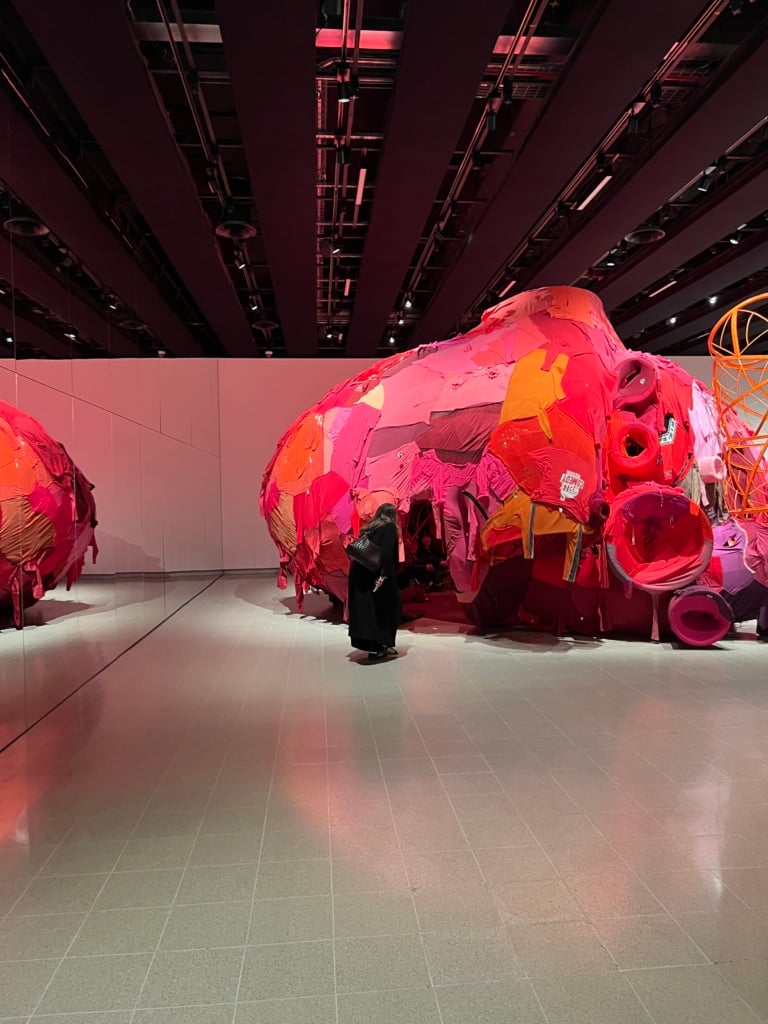
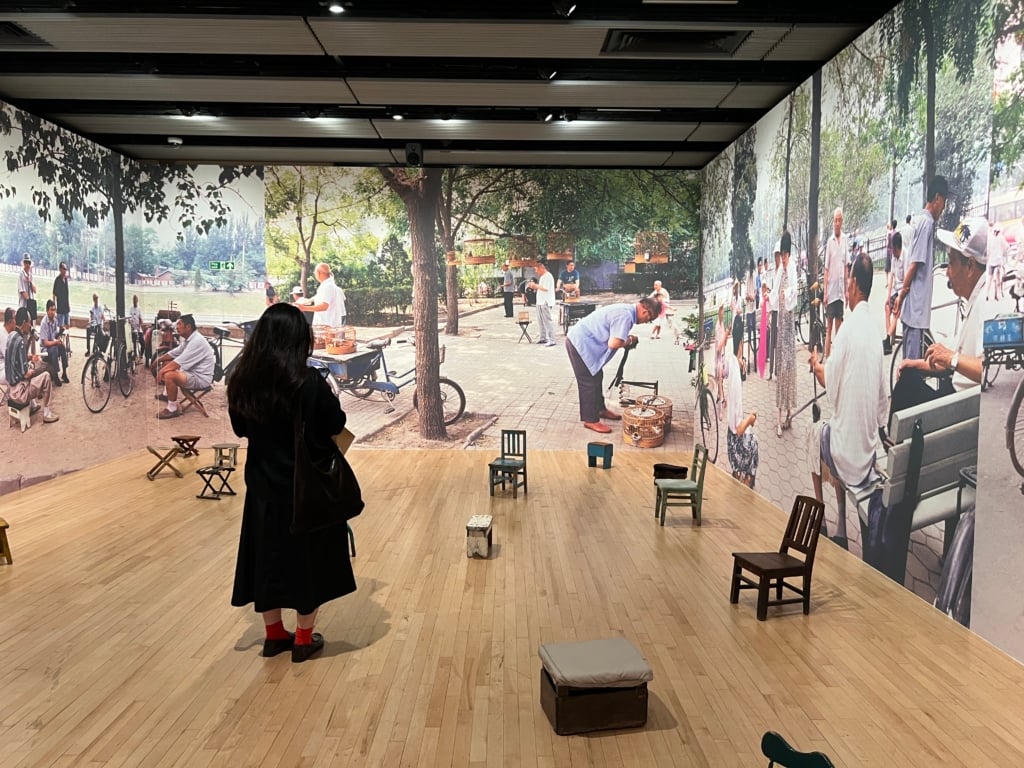
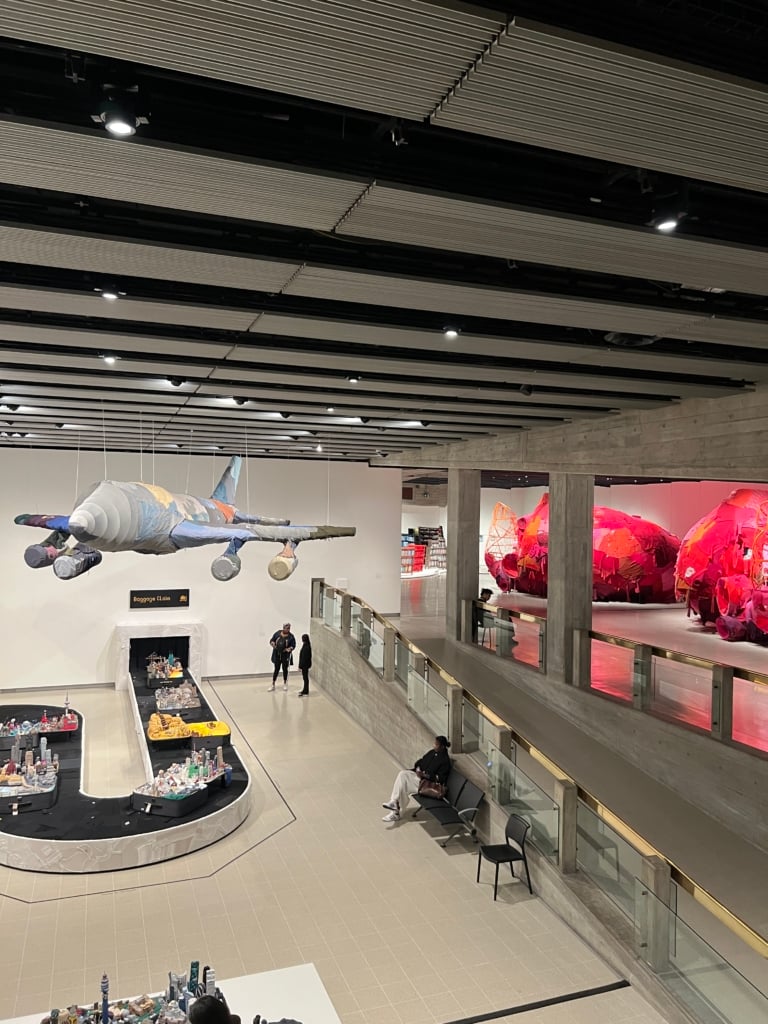
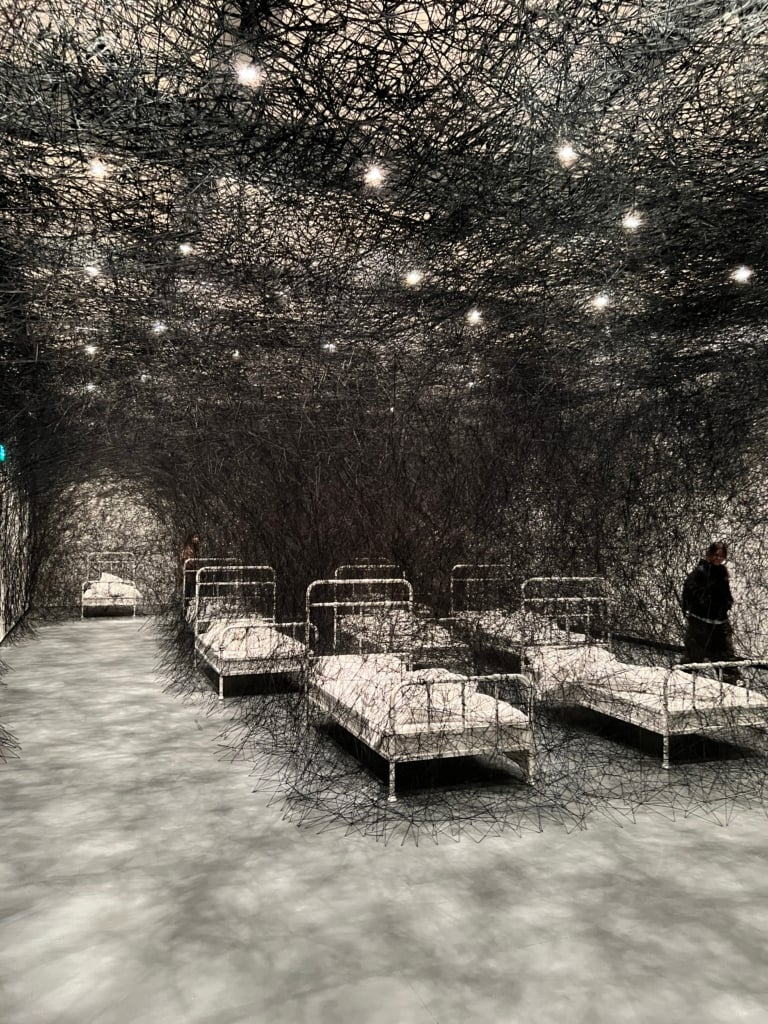
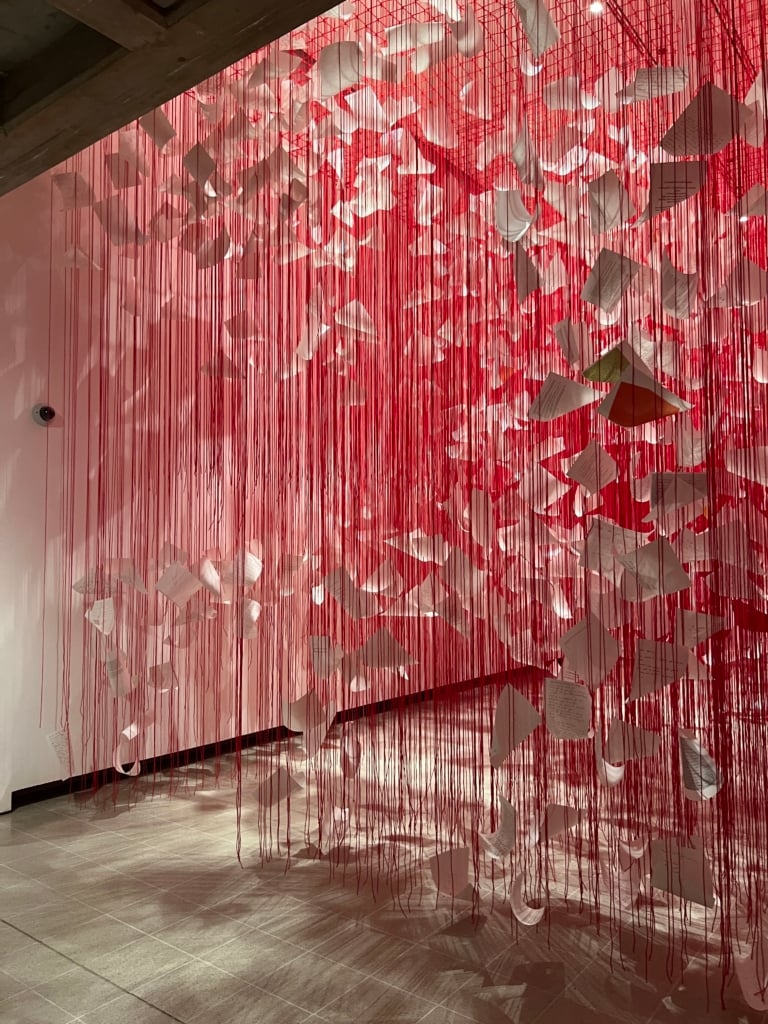
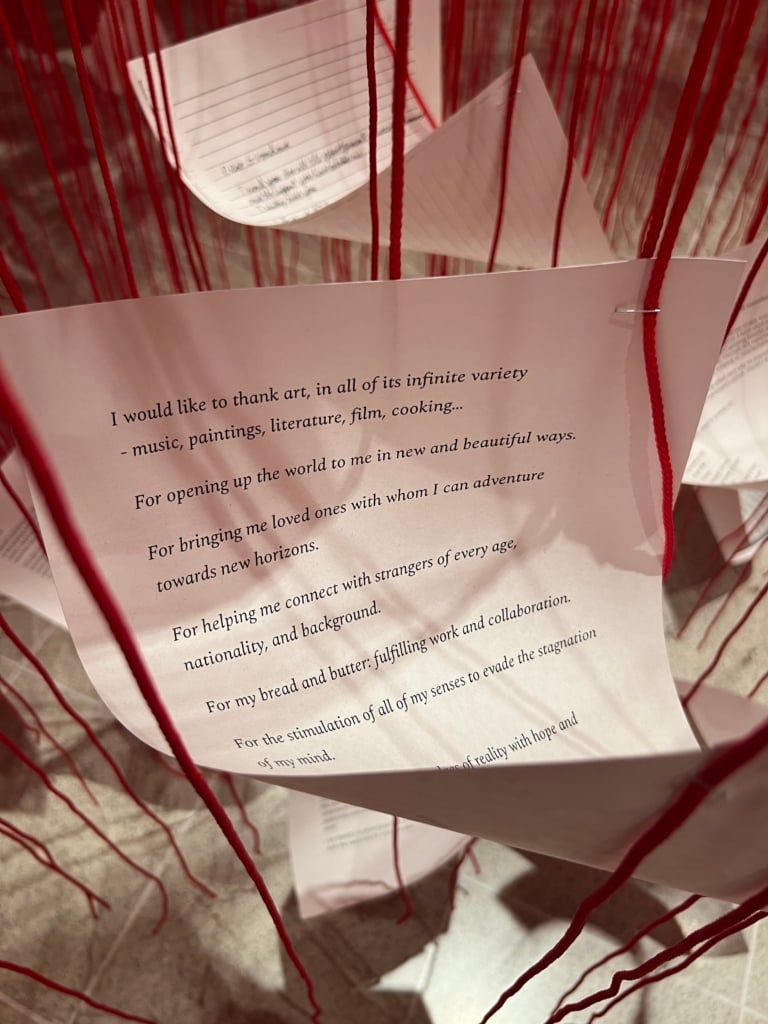
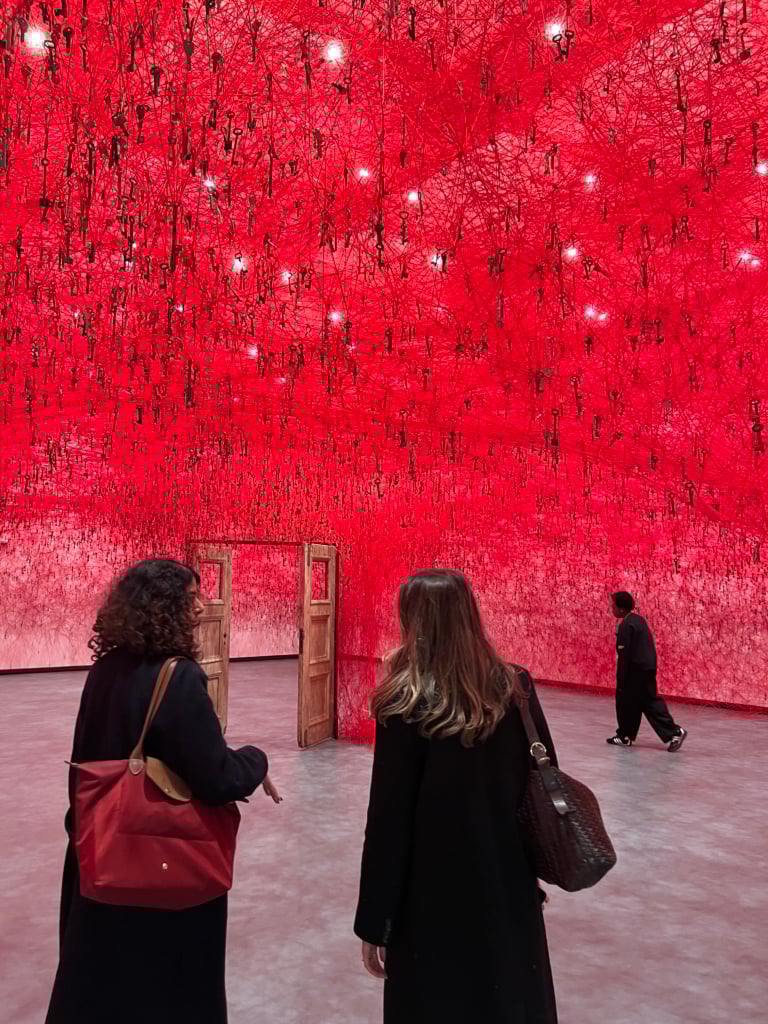
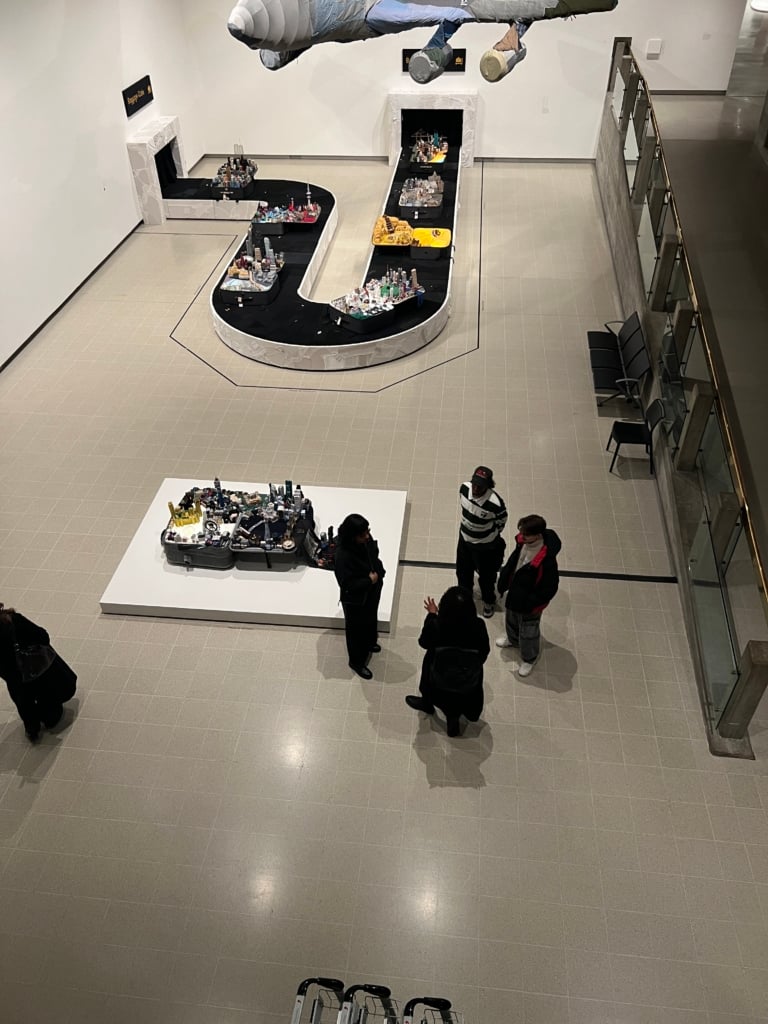
We ended the night with an exclusive view of two exhibitions at the Hayward Gallery: Yin Xiuzhen: Heart to Heart and Chiharu Shiota: Threads of Life.
We’re also excited to be running the Creative Access x Southbank Centre mentoring programme – an incredible opportunity to gain tailored guidance and grow your network in the arts. Applications close on Friday 20th March 2026 at 12pm, so be sure to get yours in before the midday deadline. Click here to apply.
To everyone who joined us – and to our generous partners at Southbank Centre – thank you for an energising, honest and practical conversation about what it really takes to build (and sustain) a creative life in the arts.