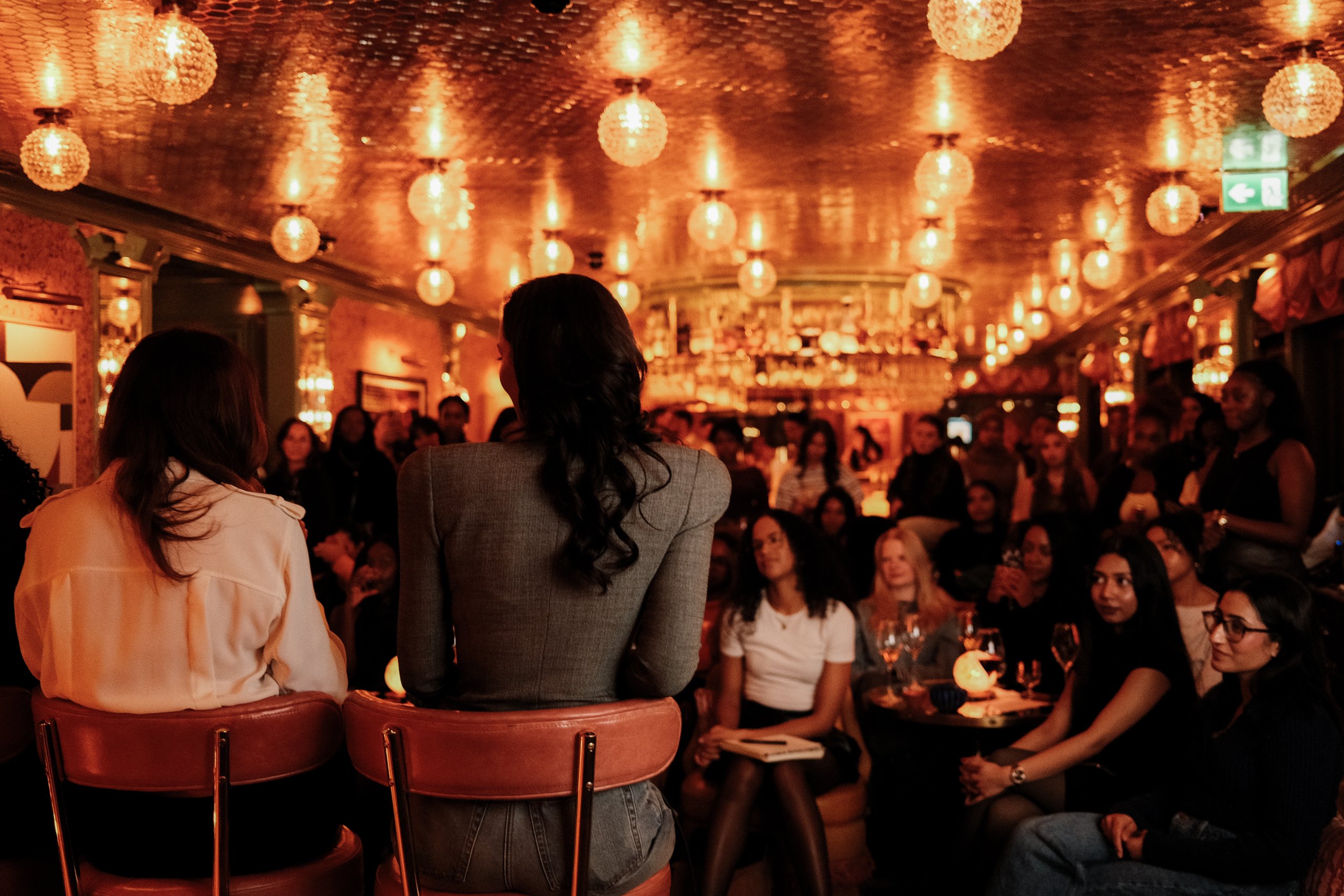
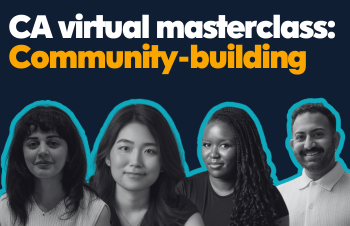
The first Creative Access virtual masterclass of the year sparked a lively and inspiring conversation, filling a cold January evening with warmth, honesty, and laughter. The trailblazing panel drew on experiences across the creative industries, from creative entrepreneurship and live events to filmmaking, theatre, and writing, offering insights, stories, and advice that resonated with all who attended.
Aimed at aspiring, junior and entry-level creatives, this masterclass explored the realities, challenges and opportunities of building meaningful creative networks, particularly for individuals from under-represented backgrounds.
For invaluable insights into building thriving communities at the intersections of creativity and identity, keep reading on…
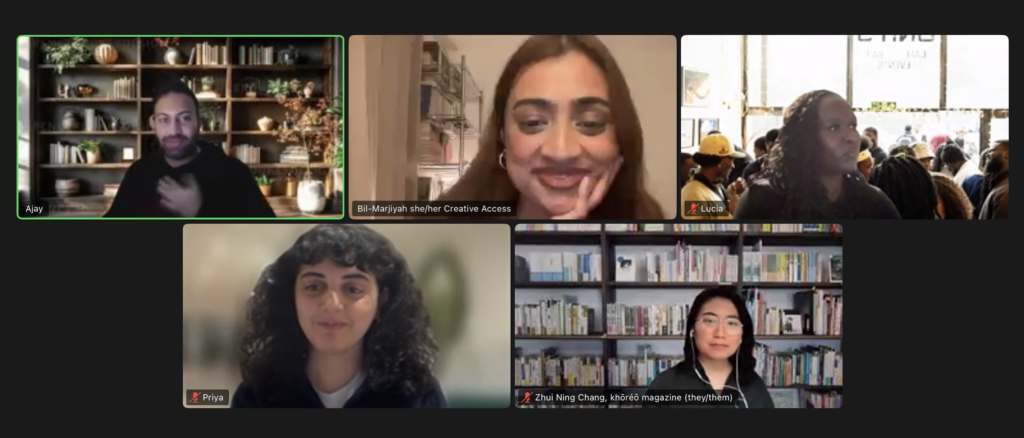
The panel:
- Ajay Pabial, renowned social entrepreneur, artist, founder and CEO of Art Clubbers CIC – an award-winning arts organisation transforming the creative landscape
- Lucia Aide, Thrive trainee, Creative Access and founder, theConn3ct – a platform dedicated to curating experiences rooted in community, connection and creativity
- Priya Biring, co-director, Wondering CIC – a community interest company that transforms lives through filmmaking
- Zhui Ning Chang, a Malaysian editor, writer, and theatre maker based in London
- Bil-Marjyah Rahman, community and partnerships programmes manager, Creative Access (chair)
Reflecting on what community and belonging means to them, Lucia shared it’s all about having the “safety and freedom to show up as yourself”, inspired by her family – particularly her mother’s experience as an Ugandan immigrant to the UK.
For Ajay, it’s the three P’s that encompass belonging: people, place and planet – and the spaces where every facet of his identity as a queer, Asian East Londoner can comfortably overlap.
Zhui Ning described belonging as “the recognition and acceptance of the entirety of yourself”, expressed in ways that centre solidarity and don’t “close doors for other people behind you.”
Priya reminded us that community is active and ever-evolving:
Community lives within me, and I can create it wherever I want… it’s a skill. You keep building it where you are.
To build spaces for people who don’t necessarily identify as ‘creative’ in a traditional sense, be intentional! A clear vision allows those who align with your ethos and values to find you. Lucia believes we all have a “creative bone or muscle”; it’s about building spaces where people feel comfortable enough to exercise it.
Transparency plays a vital role in enabling someone to show up as themselves, especially if they typically feel intimidated in creative spaces. In an industry that can sometimes feel transactional and surface-level, honesty is at the core of theConn3t. When hosting events, the team’s role is to be both attentive and authentic, welcoming people into the space and helping them feel at home.
If you’re struggling to find community spaces or projects that feel like the right fit, build your own. That’s how Art Clubbers came about, says Ajay, who developed the skills he needed in his day job and rallied his friends and community networks to put on the show in Peckham that started it all. From there, the focus became ensuring that the work remained relatable and relevant to the communities being serving. At Art Clubbers, “everybody brings their voice to the table.” If something isn’t working, don’t be afraid to listen to the people in front of you, and adapt where needed.
Got an idea? Don’t get stuck on the research or the theory – go out and do. For Priya, difficult experiences in the film industry led to opportunity and a fresh perspective. Filmmaking is an inherently vulnerable process, like “reading someone’s diary”, so Wondering CIC is prioritises responsibility and gives people the opportunity to tell their own stories, rather than acting as a voyeur to someone else’s experience.
If you’ve got a got an idea you believe in, be practical about building partnerships and understand what the other party stands to gain so you can use it to your advantage. Surround yourself with people you trust and stay true to your principles, so you can rely on them when challenges come up.
When you’re building something from scratch, it’s important to define your purpose. As part of the team that launched khōréō magazine (a platform for writers of migrant experience and backgrounds), Zhui Ning understands the importance of creating and maintaining safe spaces for both community members and staff. Community spaces aren’t just about the individual: “everybody has a part to play – not just the person running the session”.
On a practical level, clarity around shared aims helps attract people seeking the same thing. Agree on a code of conduct and be consistent about upholding ground rules. Set timelines and host regular check-ins to ensure everyone remains aligned. Most importantly, Zhui Ning reminds us, have fun with it! “Don’t just connect on the broad mission; the small things matter too.” Whether that’s sharing a meal or trying a new activity together, spending time in each other’s space is key.
Remember, project management is 80% admin and 20% fun. In the early days, Ajay relied on grant funding to build an impactful portfolio of success stories, which later helped to secure commission-based work. This required a lot of resilience, so being able to rely on the friendships, business partnerships and community connections he’d built along the way was vital.
Figure out what’s important to you, whether it’s long-term impact or immediate results. Sometimes, a business or project becomes unsustainable and comes to its natural end. Post-pandemic, Zhui Ning unfortunately had to fold their theatre company when the team realised they no longer had the resources to “do justice” to the work they wanted to produce. But the relationships and community they built “continue to exist in ways that are equally as valuable”, even if the work itself has ended. For Ajay, endings can be celebrated too: “Sometimes, it’s a success in itself to pause and close… Don’t worry about the long-term. Make your impact now.”
Balancing your own needs with the needs of your community can be as exhausting as it is rewarding. Building community and community spaces is a joyful, fundamental practice that requires patience and resilience. As Lucia puts it, “balance looks different every day.”
Thank you to everyone who attended and asked such brilliant questions during the Q&A. A huge shoutout goes to our fantastic panellists – Ajay, Zhui Ning, Priya and Lucia – for sharing their experiences and wisdom with us.
Watch the full conversation here.
Interested in joining another Creative Access masterclass? Register with us today and keep an eye out on our opportunities board for upcoming masterclasses. See you at the next one!