
Creative Access is referenced in the Regional Creatives Fund as a key framework for understanding and supporting underserved talent in the creative industries.
The fund offers up to £30,000 for Brighton charities working to widen access to creative careers across film, TV, music, gaming, fashion, journalism and more, supporting organisations that help underrepresented communities build sustainable careers in the sector.
“Creative Access, the UK’s leading inclusivity organisation in the creative industries, defines underserved communities as a population proven to be under-represented in the sector,” reports Brighton Journal.
In recent reporting on the Regional Creatives Fund by Edinburgh News, Creative Access was described as, “the UK’s leading inclusivity organisation in the creative industries, defines underserved communities as a population proven to be under-represented in the sector.”
Broadcaster and entrepreneur Maya Jama is once again partnering with Creative Access, a leading social enterprise, on a mentorship programme for women from under-represented backgrounds launching careers in the creative industries.
Following the success of the inaugural programme, the six-month initiative will connect 11 emerging creatives with 11 accomplished mentors from Maya Jama’s professional network, offering guidance, industry insight and career support across 9 creative sectors.
Running from September 2026 to March 2027, the programme will support women interested in pursuing careers in the following categories: talent management, branding/communications, PR, photography, business/entrepreneurism, broadcasting/comedy, TV production, theatre production and music.
Maya Jama has enlisted a group of leading women from across the creative industries to act as mentors, including:
- Janine Fernandes, VP Global Marketing, Coty
- Issy Lloyd, Director of Entertainment, Insanity
- Francesca Hayward, Senior Culture & Entertainment Manager, Diageo
- Thanyia Moore, Comedian, Writer, Actor and Presenter
- Sara Berger, CEO, Sproud
- Victoria Buzzington, Talent Producer
- Anna Meacham, CEO and Founder, Huxley
- Eleanor Lloyd, Theatre Producer
- Annie Reid, Photographer
- Alice Beal, Head of Insanity Records
- Shabz Choudhury, Global Entertainment & Celebrity Partnerships, Nike
Maya Jama said: “When I started out, some of the opportunities that changed my life came from people who were willing to share their time, advice and belief in me. Not everyone has access to those networks, and that’s something I’ve always wanted to help change.
Seeing the impact of the programme’s first year made me even more determined to bring it back. There is so much incredible talent out there, but talent alone isn’t always enough — sometimes what makes the difference is having someone in your corner who can help you navigate the industry and open doors.
I’m incredibly proud to be bringing together such an inspiring group of women from across the creative industries to mentor the next generation. My hope is that this programme gives participants the confidence, knowledge and connections to build careers they might never have thought possible.”
Stephanie Hall, director of talent and outreach at Creative Access, said:
“We’re thrilled to be partnering with Maya Jama for the second year of this transformative mentoring programme. At Creative Access, we know the importance of equipping the next generation of diverse talent with the skills and confidence needed to create lasting industry connections. With 11 mentors and 11 mentees participating in this year’s cohort, we’re creating more opportunities than ever for emerging creatives to build successful careers.”
Renaya Dhillon, who was mentored by Julie Adenuga on the programme in 2025, commented on how valuable her experience was:
“The opportunity to move to London and get my foot in the door of the media/ creative industries will have a lasting impact on my career trajectory and opportunities that come after!”
Applications open on 1 July 2026 and close on 14 July 2026 at 11.59pm. For more information and to apply, visit here.
Image credits: Zac Mahrouche
An estimated 1 in 7 people in the UK are neurodivergent, with many individuals from under-represented backgrounds, remaining undiagnosed. Neurodiversity can influence how people learn, communicate, process information, and experience the workplace.
Understanding neurodiversity is an important step towards supporting an inclusive workforce where everyone can contribute, thrive, and succeed. Whether you’re an employer looking to better advocate for your team or a creative professional seeking strategies that work for you, this guide explores what neurodiversity is and how reasonable adjustments can make a meaningful difference.
What is neurodiversity?
Neurodiversity is a broader reference to the diversity of the human brain and people’s neurocognitive functioning. It describes the natural, biological variation in how people think, learn, and process information.
Key definitions
Neurodivergence is a relatively new term, that refers to people who have:
- ADHD (Attention Deficit Hyperactivity Disorder)
- Autism
- Dyslexia
- Dyspraxia
- Dyscalculia
- And/or other neurological conditions
Neurodivergence presents itself with a wide range of characteristics, however individuals may share similarities in terms of how they learn and process information.
Challenges and rewards
Neurodivergent individuals may face challenges with the following:
- Working memory (the temporary information that your brain holds in an active moment)
- Time management
- Social communication
- Processing speed of information may vary
At the same time, many neurodivergent individuals bring valuable strengths that can enhance teams and organisations, including:
- Strong attention to detail
- Creativity and innovative thinking
- High levels of passion and enthusiasm
- Problem-solving from unique perspectives
- The ability to identify patterns and connections others may overlook
- Original and intuitive approaches to projects and challenges
When organisations recognise and nurture these strengths, neurodivergent employees can make significant contributions to workplace culture, innovation, and performance.
Creating reasonable adjustments in the workplace
Supporting neurodivergent employees can involve creating environments and implementing tools or accommodations which enable people to bring their best selves to work.
Everyone’s needs will be different, but it’s helpful to consider support across three key areas:
- Emotional needs: creating psychological safety, reducing unnecessary stress, and fostering understanding.
- Sensory needs: managing environmental factors such as noise, lighting, interruptions, and workspace design.
- Social needs: providing clear communication, structured feedback, and opportunities for connection in ways that feel comfortable and accessible.
Ways to support neurodivergent staff:
- Providing for instructions both verbally and in writing – so it’s an easier reference point when managing work priorities and instructions
- Allow for normalcy in creating breaks for regular movement and stretching
- Flexible start and finish time
- Reduction in sensory overload, e.g., having access to visible clocks, alarms, having a quiet room or noise cancelling headphones
- Have the option for buddies to check-in, and support with task completion
Building a more inclusive workplace
Creating a neuroinclusive workplace benefits everyone. Clear communication, flexibility, and thoughtful adjustments often improve productivity, wellbeing, and engagement across entire teams, not just for neurodivergent employees. By understanding different ways of thinking and working, employers can unlock talent, encourage innovation, and build workplaces where people feel valued for who they are.
Helpful resources:
Dilki Weerakon, Head of client strategy at Talon said:
“It starts by making our industry visible and attainable; media is vast and most will be aware of it, but OOH remains underexposed. This is something we’re actively addressing by creating clear pathways into the industry, through partnerships with Advertising Unlocked, to educate school students.
Also working with organisations such as Creative Access to reach underrepresented talent, offering apprenticeships, paid internships and work experience, as well as promoting entry level roles via platforms like the ERIC app”, reports Campaign.
Grayling’s commitment to inclusion and social mobility includes partnerships with Creative Access, Lexxic and the Creative Mentor Network. These partnerships widen access into the industry, support neurodiverse talent and expand mentoring opportunities for underrepresented groups across the UK. Reports Chris Newbould, Prolific North.
Dead Ink, an independent publisher in Liverpool and self-proclaimed “publisher of the weird, bold, and genre-defying,” has been named the second recipient of the David Tebbutt Internship Fund – an initiative launched in 2025 from Creative Access and the David Tebbutt Trust to open doors for under-represented talent in publishing. Reports Chris Newbould, Prolific North.
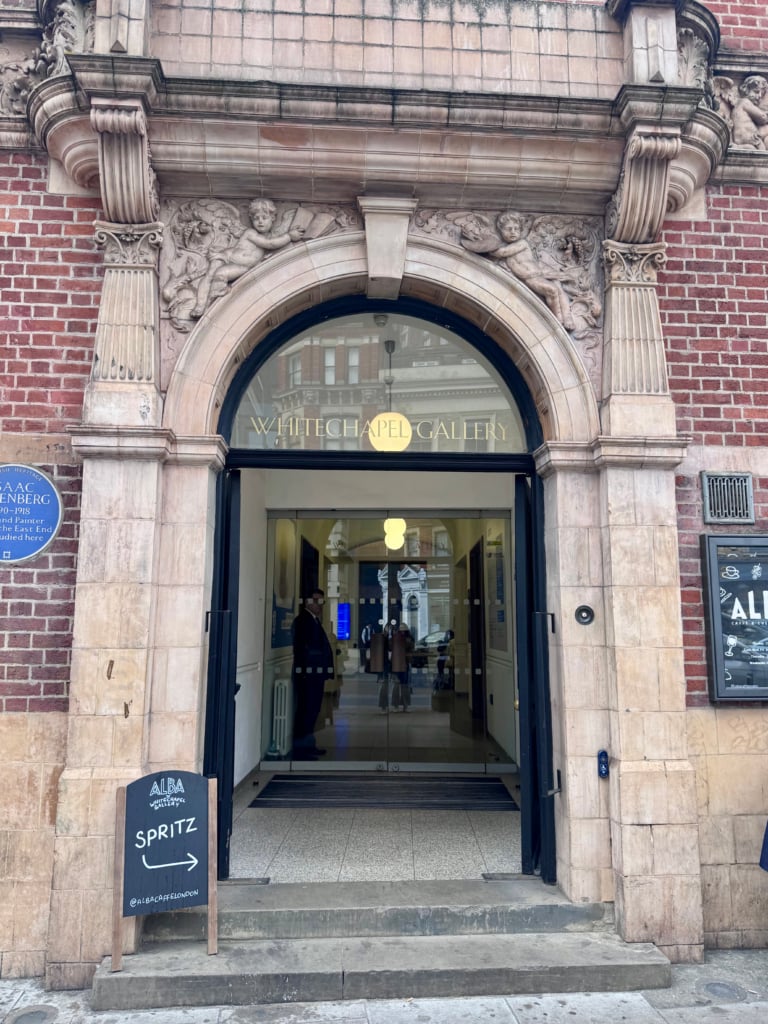
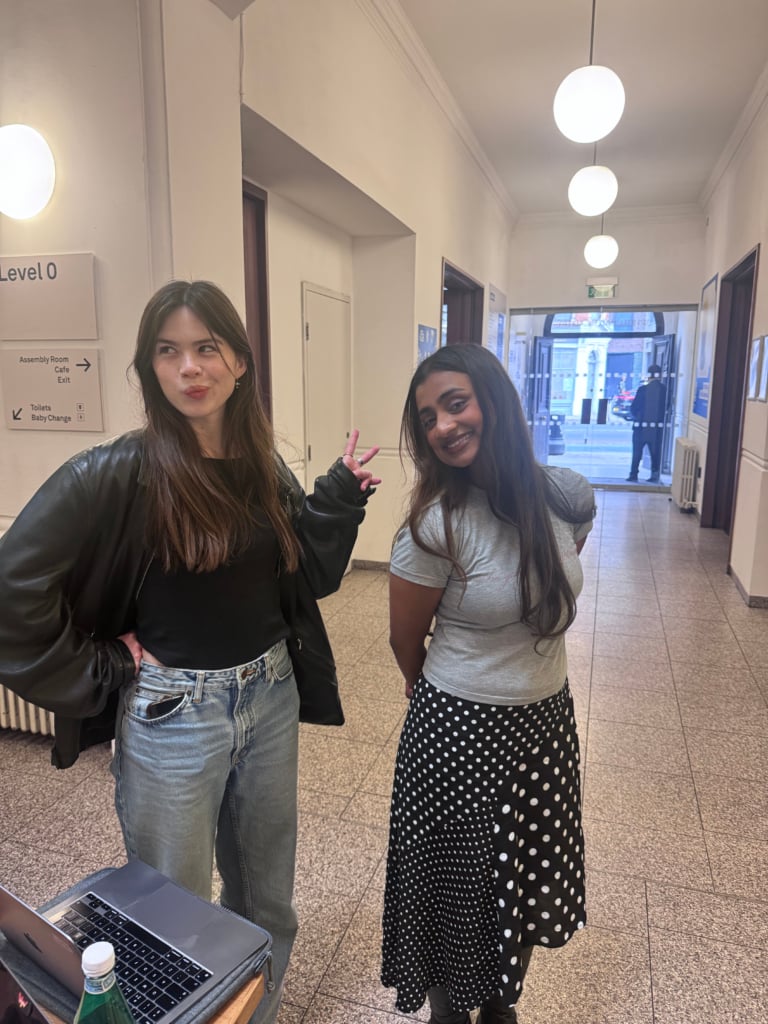
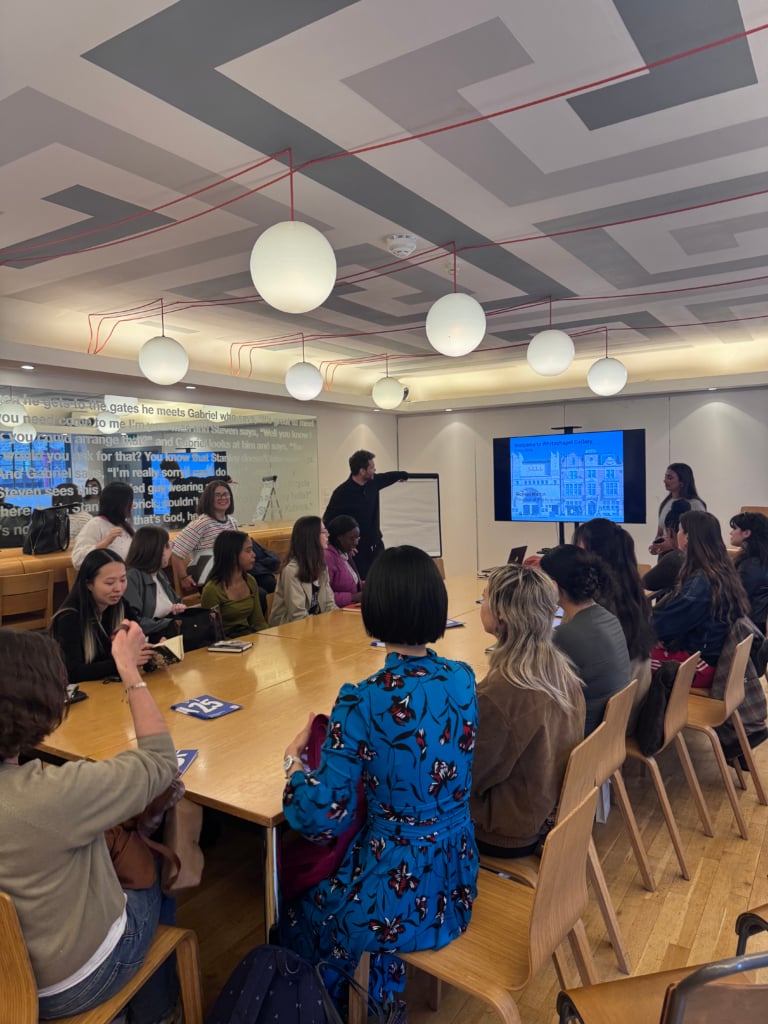
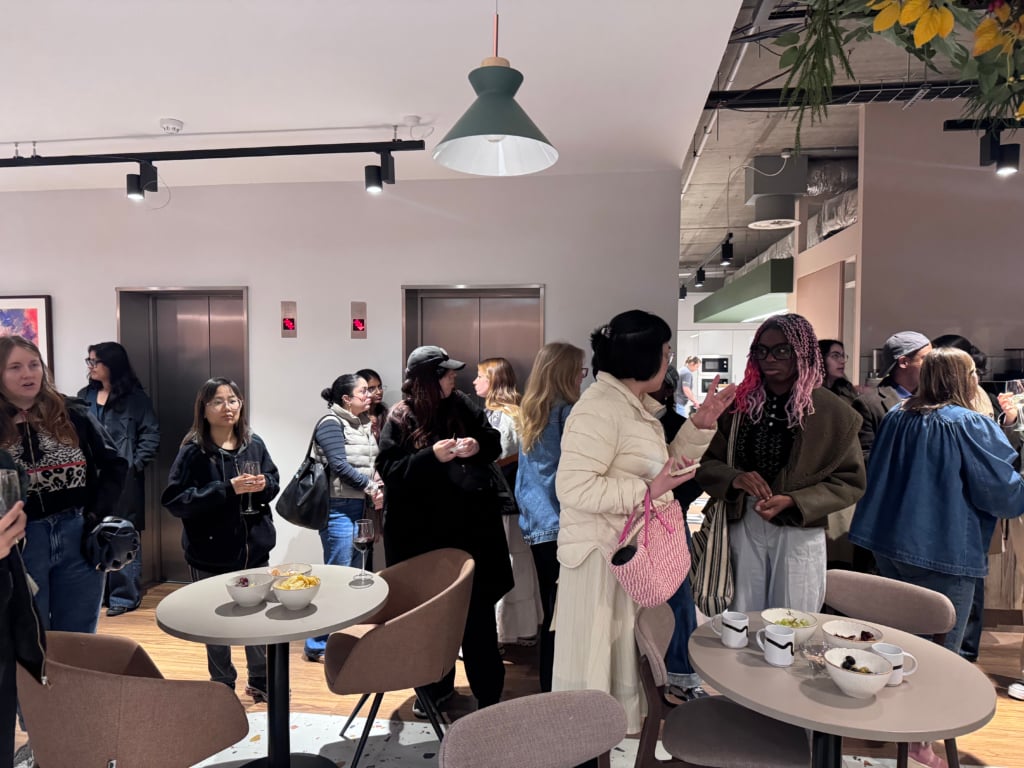
May’s Creative Access masterclass took us to Whitechapel Gallery for an evening exploring careers in contemporary art, followed by a private late viewing of current exhibitions.
Our community received an exclusive introduction to one of London’s most historic galleries by Richard Martin, director of participation. The session offered insight into how Whitechapel Gallery continues to evolve while staying rooted in its founding mission: bringing world-class art to the communities of East London.
A gallery with a purpose
Founded over 125 years ago, Whitechapel Gallery was established as a radical, political project, to make the finest art in the world accessible to people in East London, at a time when the area was widely overlooked. That ethos still shapes the gallery today. As Richard explained, contemporary art spaces are not just about exhibitions – they are places to explore politics, social issues and lived experiences.
Set in one of the most diverse parts of London, the gallery operates at both a global and local level, showcasing international artists while building deep, meaningful relationships with its surrounding communities.
Community at the core
Community engagement is not a separate strand at Whitechapel; it runs through everything the gallery does.
From working with local schools to hosting workshops, panels and artist-led projects, the gallery collaborates with around 50–60 artists each year across its participation programmes.
When developing new ideas, teams often return to two key questions:
Why Whitechapel? And why now?
These questions ensure that exhibitions and programmes remain relevant to both the local context and wider global conversations.
Careers in the gallery sector
One of the most valuable parts of the session was a behind-the-scenes look at how the gallery works. With a team of around 60 staff (plus freelancers), roles span across departments including participation, operations, fundraising, finance, tech and much more.
Richard highlighted that the gallery staff team have studied a wide variety of subjects, including art history as well as art degrees. Interestingly, the gallery looks for people with strong values, transferable skills and a collaborative mindset.
“It’s less about what you know, and more about how you think and work with others,” he shared.
At the heart of the gallery is its commitment to East London’s community. Programmes created by Whitechapel Gallery include Duchamp & Sons, a youth collective for young people aged 15-24 from East London to experiment with art, conversation, exhibitions and events. The Young Associates scheme, launched this year, offers paid, year-long training, mentoring and hands-on experience for 18-30 year olds.
“It’s less about what you know, and more about how you think and work with others.” – Richard Martin
Responding to place
Located next to one of London’s most striking examples of contrast, Whitechapel sits between towering financial districts and the vibrancy of Whitechapel Market. This tension, between wealth and inequality, global and local, continues to shape the gallery’s work and identity.
In recent years, there has been an increased focus on building long-term relationships within the local community, ensuring that the gallery remains accessible, inclusive and representative of the people around it.
Exploring the exhibitions
After Richard’s eye-opening talk, attendees were invited to explore the gallery’s current exhibitions, including:
- Veronica Ryan: Multiple Conversations – a material-rich exploration of form, memory and identity, open until 14 June 2026
- Gabriel Chaile exhibition – an immersive installation rooted in history and community, open until 6 September 2026
- Senga Nengudi exhibition – powerful documentation of performance through photography and film, open 14 June 2026
A clear message emerged from the evening: there is no right path into the arts. Whether through formal training, transferable skills or lived experience, what matters most is curiosity, collaboration and a willingness to engage.
Whitechapel Gallery stands as a powerful example of what happens when art is made accessible, not just as something to observe, but as something to participate in, question and shape.
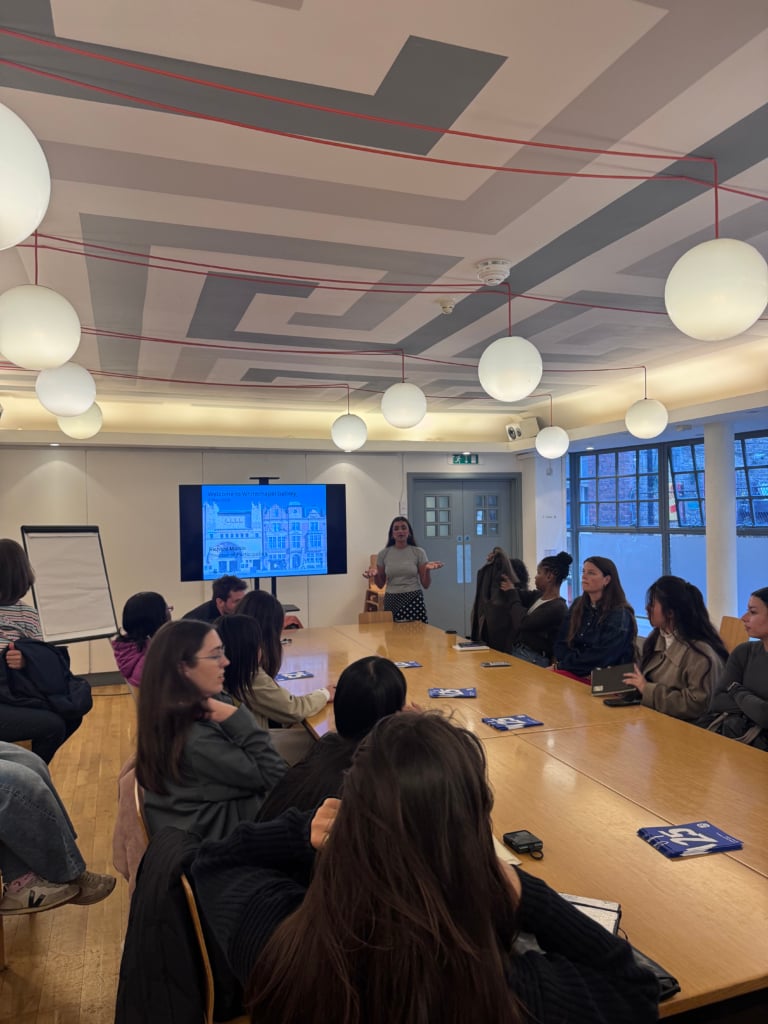
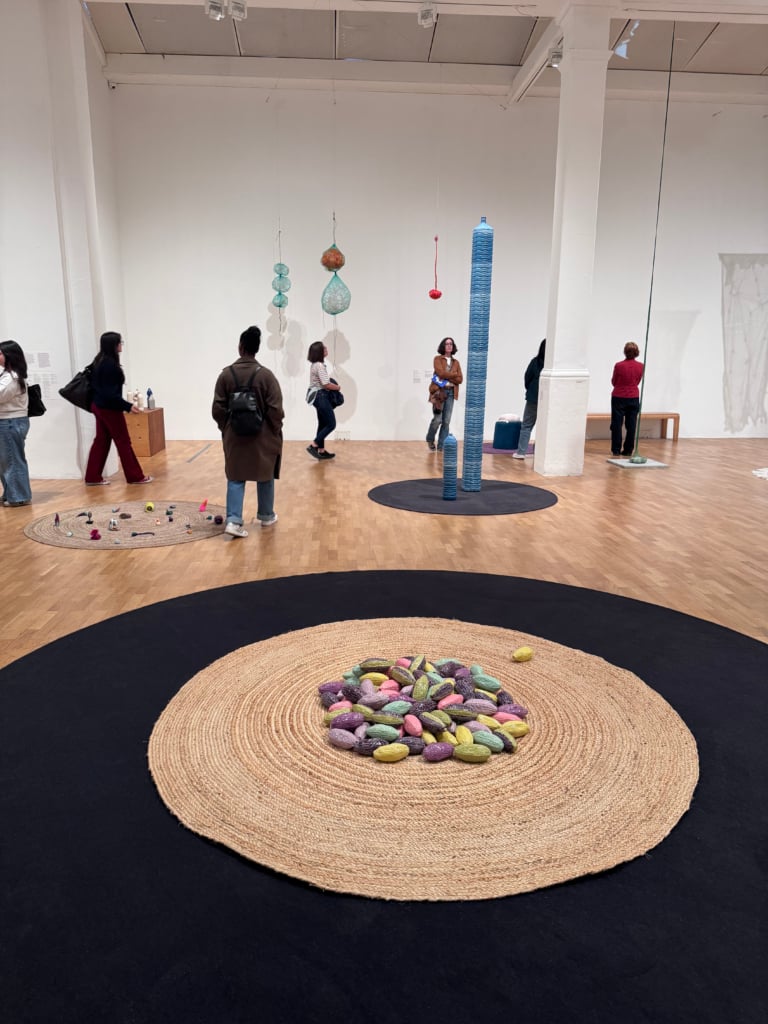
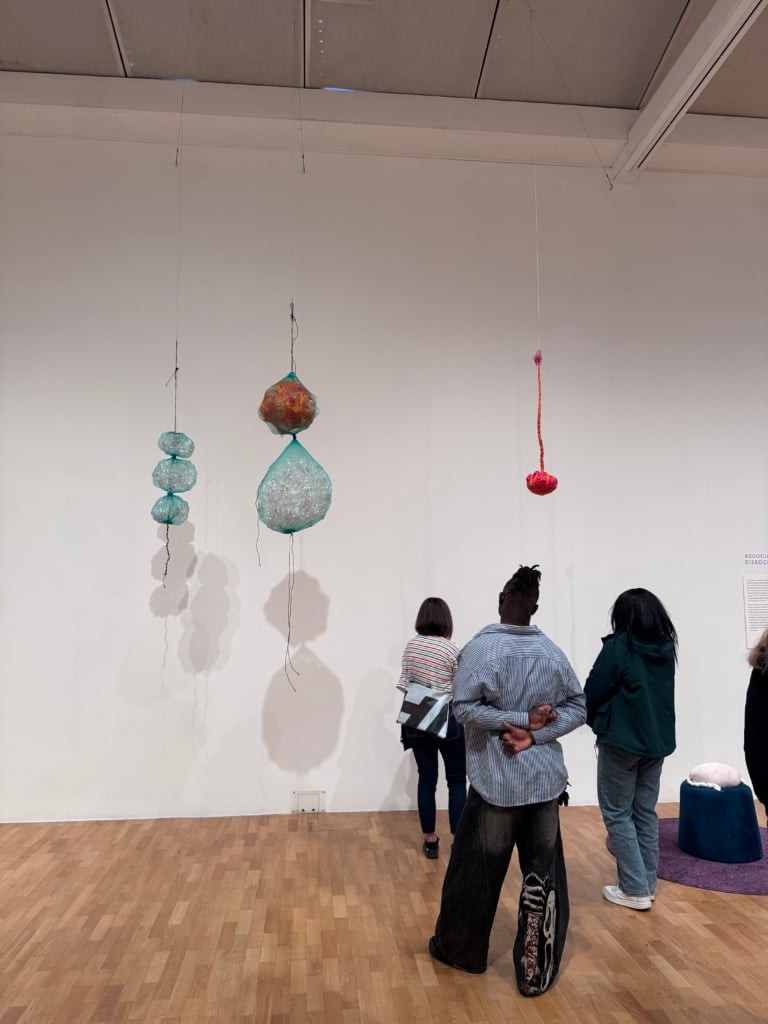
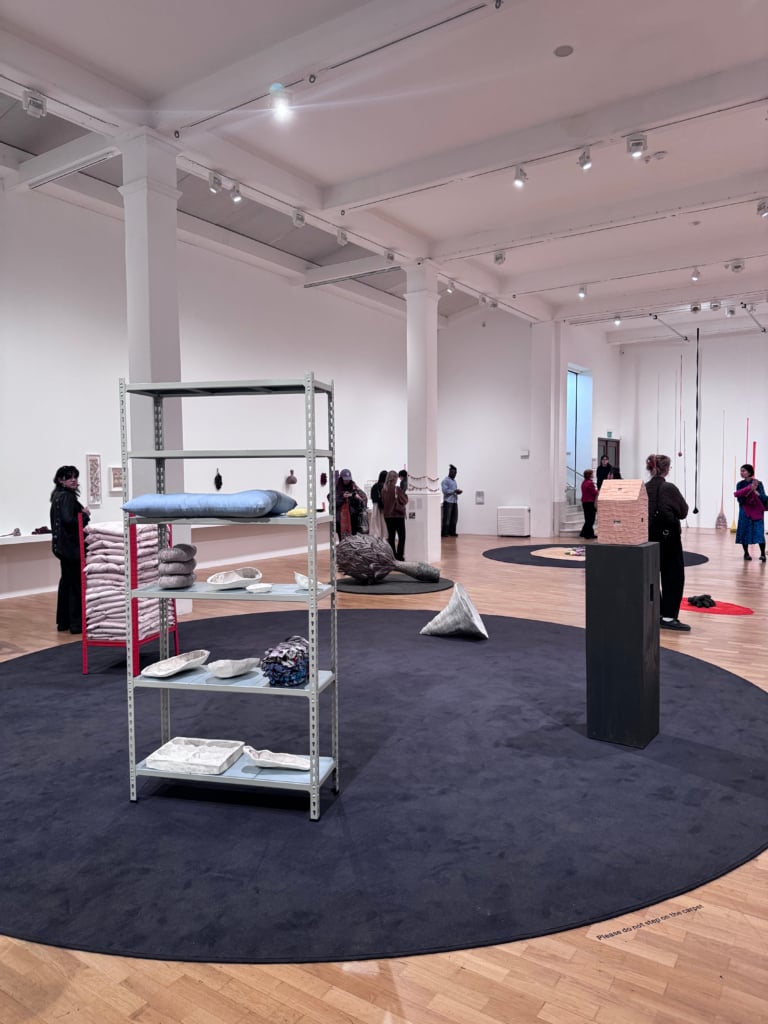
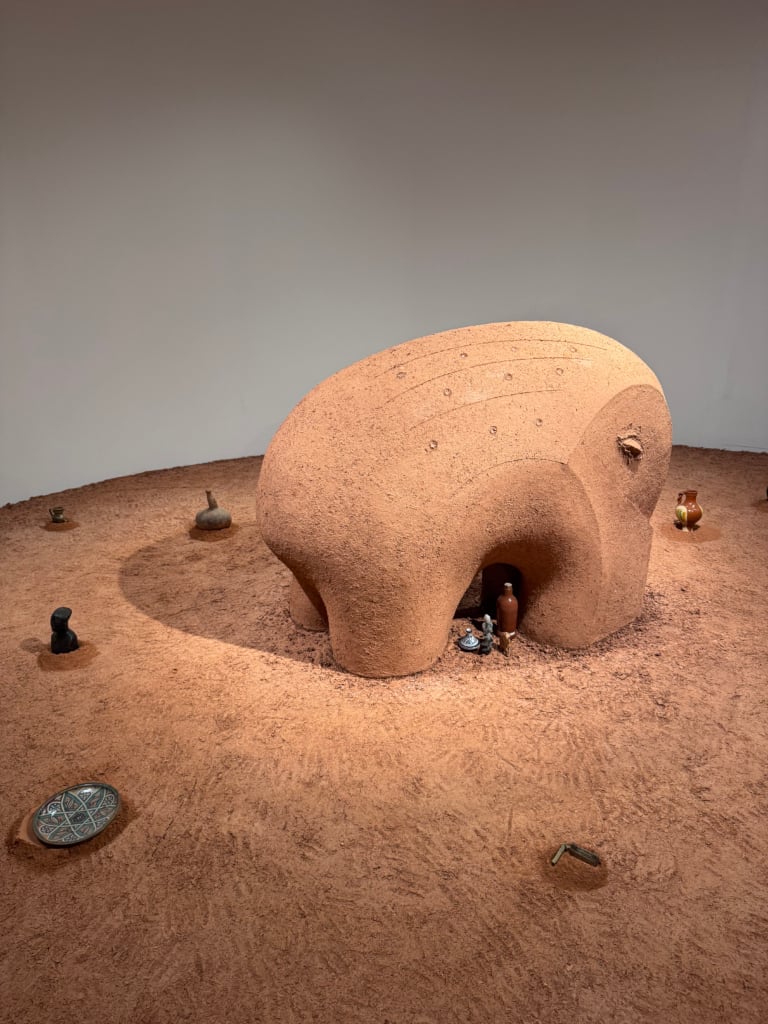
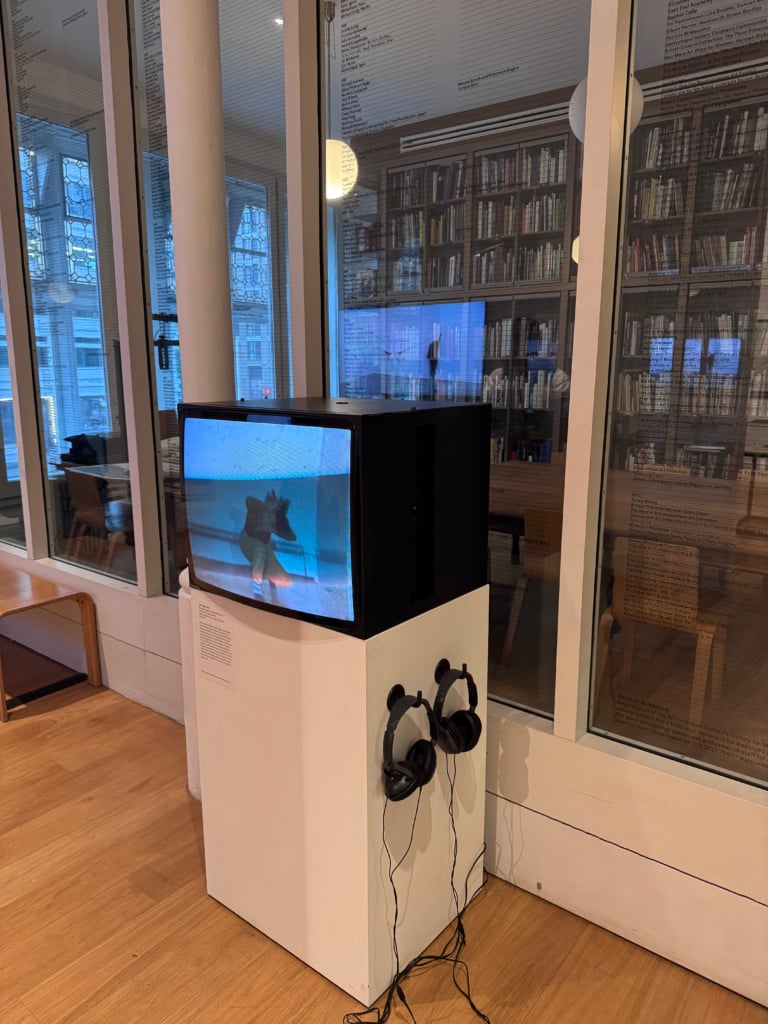
Big thank you to Whitechapel Gallery for hosting us, Richard Martin for an insightful conversation and everyone who joined us for an enriching evening!
Interested in joining a Creative Access masterclass? Register with us today and keep an eye out for our upcoming events. We can’t wait to say hi!
Liverpool-based publisher, Dead Ink, is awarded internship grant to open doors for under-represented talent in publishing.
Dead Ink, an independent publisher in the North of England, is the award-winning alternative to mainstream publishing, “publishers of the weird, bold, and genre-defying”.
The company has been named the second recipient of the David Tebbutt Internship Fund – an initiative launched in 2025 from Creative Access and the David Tebbutt Trust to open doors for under-represented talent in publishing.
The internship fund honours the memory of David Tebbutt, former Finance Director at Faber, who passed away in 2011. The Fund is jointly administered by Faber and the Tebbutt family.
The Fund will provide 100% of the cost of an intern’s training bursary or salary based on the Real Living Wage for a 6-month, full-time traineeship once a year for three years. It will also cover all costs relating to the recruitment and training of successful candidates.
The initiative is aimed at small, regional publishers who might not otherwise have the resources to host a trainee. It is specifically designed to support people from backgrounds historically under-represented in publishing – this includes, but is not limited to, Black, Asian and ethnically diverse candidates, disabled, D/deaf and neurodivergent people, and individuals from lower socioeconomic backgrounds.
On receiving the funding, Nathan Connolly, managing director of Dead Ink, said:
“Dead Ink’s origins are as a shoestring press driven by passion, and we have long championed working-class access to the publishing industry. It gives us great pleasure to be able to accept this funding to open doors to those from a similar background as myself.”
Judith Tebbutt, wife of the late David Tebbutt, and Oliver Tebbutt, his son, as trustees of the David Tebbutt Trust said:
“We are absolutely delighted that Dead Ink has been chosen as the recipient of the second Creative Access/David Tebbutt Trust award. This will give the chosen trainee an exceptional opportunity for what is hoped will be, a successful future career in publishing. David would have been extremely happy.”
Josie Dobrin OBE, founder and executive chair of Creative Access, commented:
“We were super impressed by the quality and range of applications for the second round of the David Tebbutt internship, and selecting a recipient was no easy task. We are delighted to award the grant to Dead Ink and are confident they will provide an excellent opportunity for someone from a disadvantaged or marginalised background to enter the publishing industry while helping to continue David’s legacy.”
Recruitment for Dead Ink’s editorial trainee will be led by Creative Access. The intern will be paid the National Living Wage and join Creative Access’ Springboard programme, receiving training, mentoring and peer support to help them build a sustainable career in publishing.
Applications for the next round of the Fund will be open from the start of January – mid February 2027. For more information and to apply, contact recruit@creativeaccess.org.uk.
Apply to become Dead Ink’s next editorial trainee. Applications close: Monday 1 June 2026 at 11.59pm.
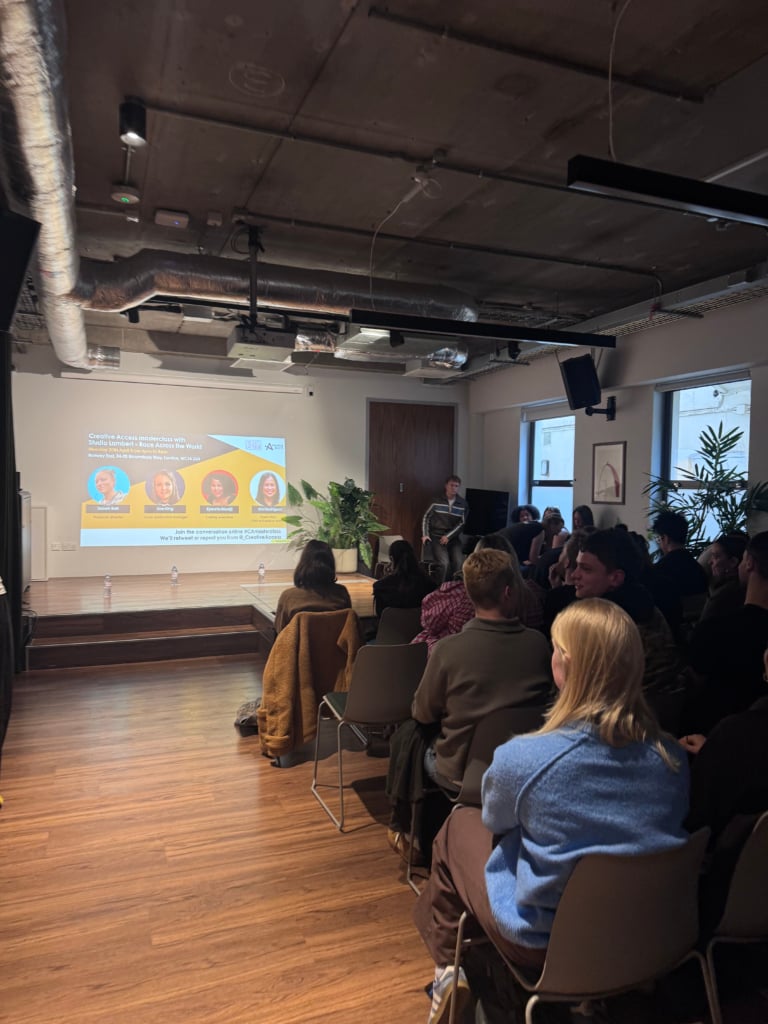
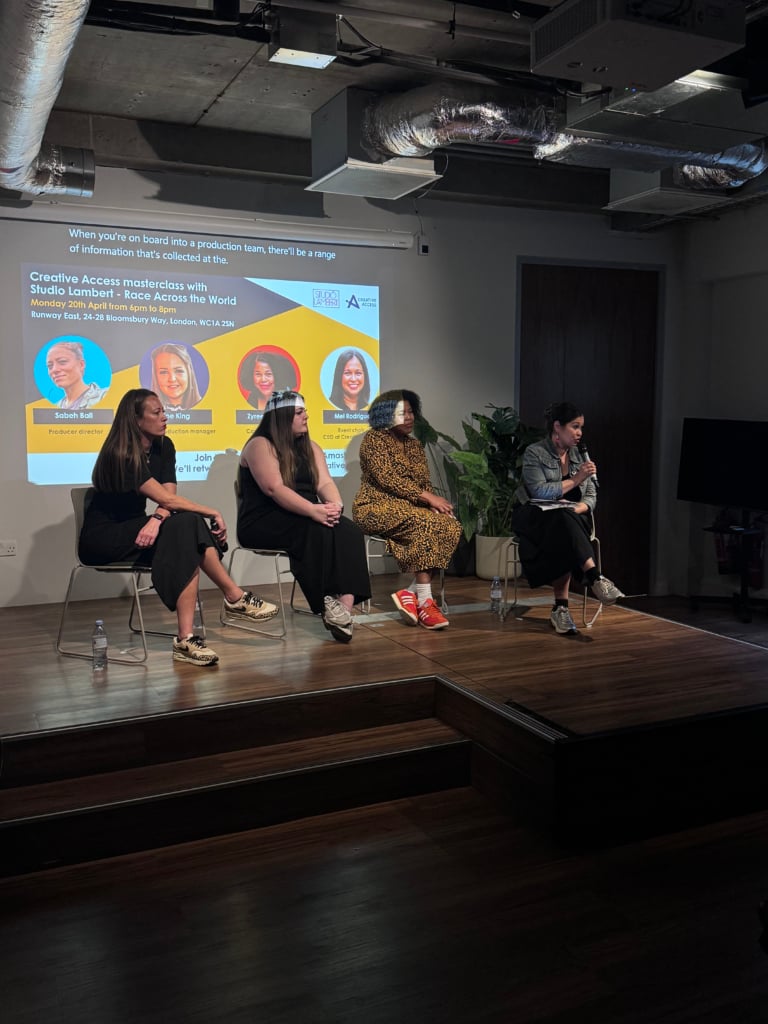
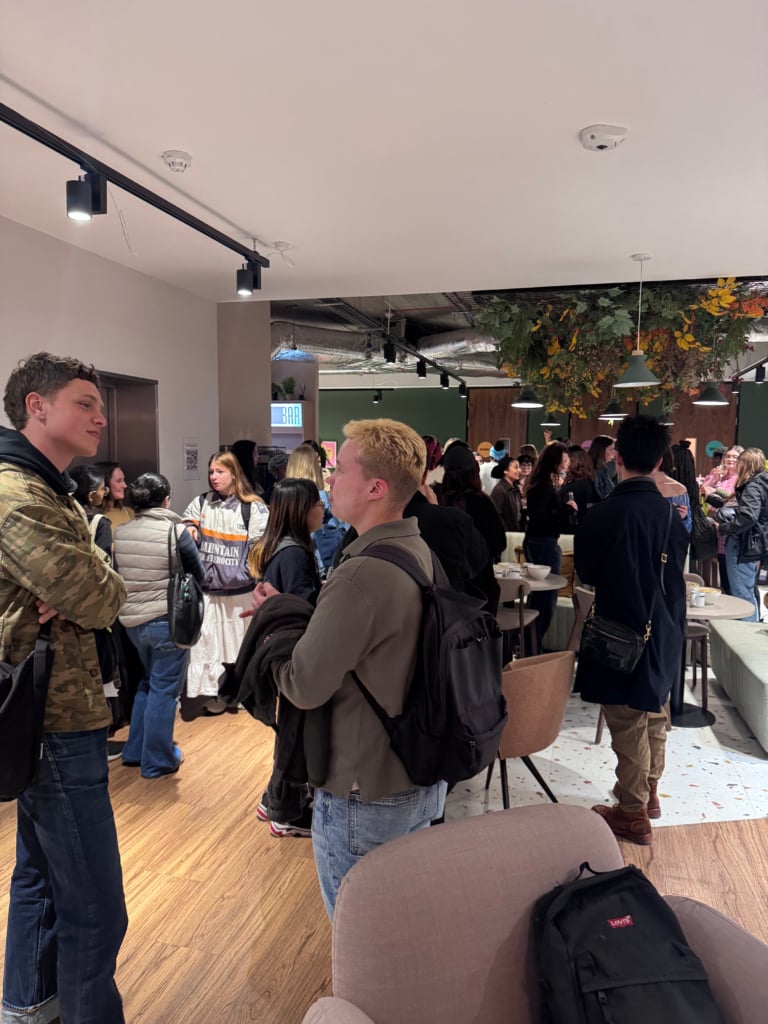
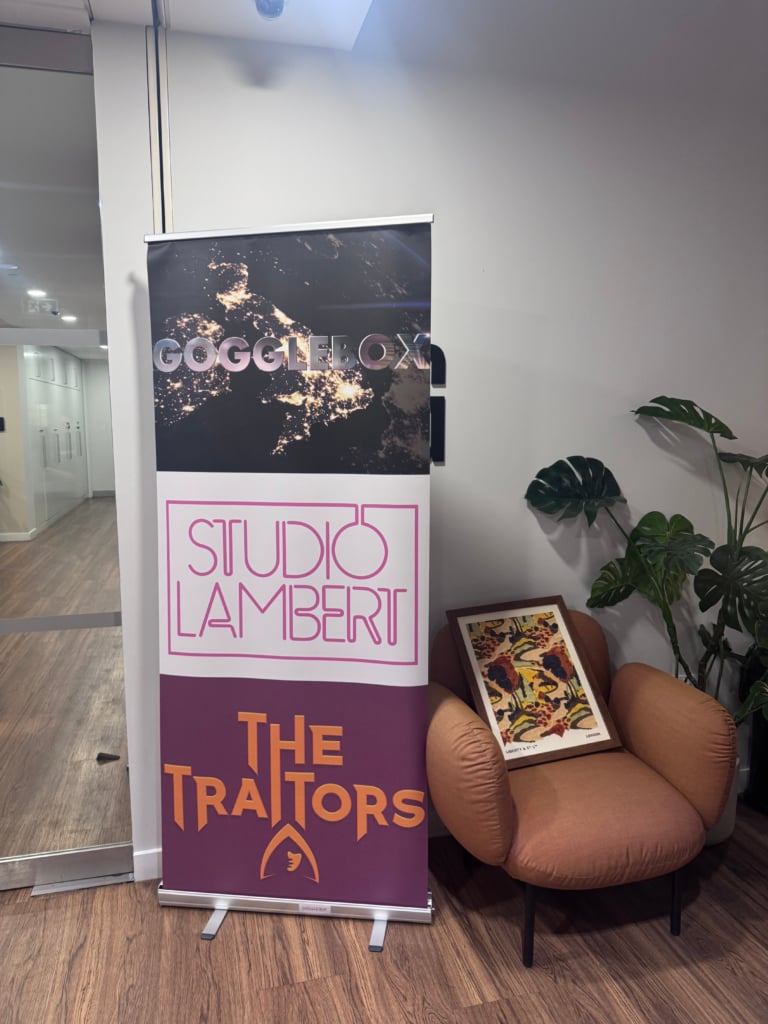
For April’s masterclass, we partnered with Studio Lambert, the team behind hit shows like The Traitors, Gogglebox, Race Across the World and Squid Game: The Challenge, for an honest, behind-the-scenes look at careers in unscripted television.
From casting and development to logistics and storytelling, the session unpacked what it really takes to bring large-scale productions to life and how to build a career in the process.
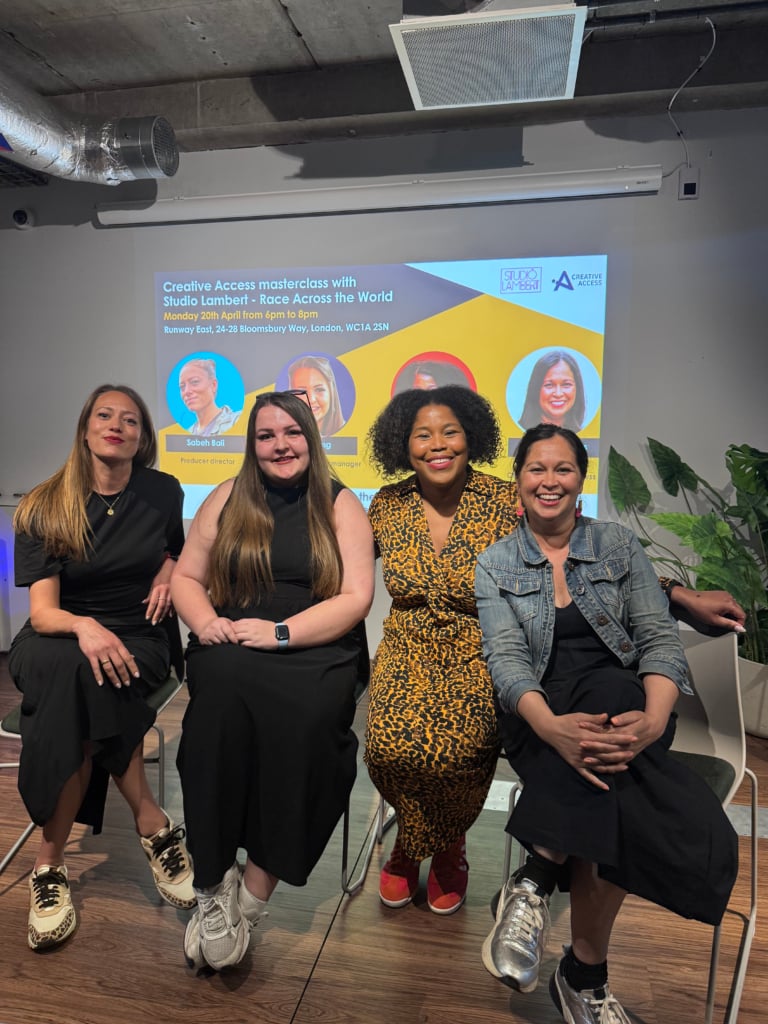
Chaired by Mel Rodrigues, CEO of Creative Access, the expert panel featured a talented team from Studio Lambert:
- Sabeh Bali, producer director
- Zoe King, junior production manager
- Zyreeta Abadji, casting executive
Drawing from their experience working on Race Across the World, the panel shared insights into the complexity, creativity and collaboration behind one of television’s most demanding formats.
No two days and no two roles look the same
A clear theme throughout the session was the breadth and unpredictability of roles in unscripted TV.
Sabeh described Race Across the World as “almost indescribable”: a blend of competition, reality and travelogue, where storytelling unfolds from multiple perspectives. Working on the series means navigating intense conditions on the ground while capturing authentic human stories.
For Zoe, the role of a production manager has evolved significantly. From coordinating travel, booking accommodation and managing checkpoints to overseeing budgets and working closely with editorial teams, her day-to-day work sits at the centre of the production’s moving parts.
Zyreeta offered insight into the casting process, highlighting the level of care and strategy involved. From building a “wishlist” of characters to running nationwide outreach and reviewing applications, casting is about finding people who are not only representative and diverse, but whose stories resonate. “You meet so many people, and sometimes their journey surprises you,” she shared.
What it really takes to make a show like Race Across the World
From pre-production to filming, the scale of planning behind Race Across the World is vast. Before filming begins, teams carry out recces, map routes, assess safety risks and plan for multiple scenarios. But as the panel made clear, even the most detailed planning cannot account for everything.
Zoe recalled navigating unexpected challenges, from political unrest to wildfires and even a typhoon, requiring constant contingency planning. “You can plan and plan, but something will always shock you,” she said.
On the ground, adaptability is essential. Sabeh described receiving last-minute changes and setting up entirely new checkpoints, often while travelling for weeks at a time. “It’s about being one, two, three steps ahead,” he explained.
At the heart of it all is teamwork. With crews spending up to 54 days on the road, trust, communication and empathy are critical, not just within teams but with contributors too. “You’re experiencing it with them,” Sabeh noted, emphasising the importance of duty of care.
Taking the first step
As with many Creative Access sessions, the conversation turned to career pathways and the reassurance that there is no one “right” way in.
Zoe shared her journey from North Wales into the industry, starting as a runner and intentionally exploring different roles. At one point, she even stepped back to try new areas before progressing again. Her advice was clear: “Try everything, big, small, scripted, unscripted. There’s no right or wrong.”
Zyreeta’s route into casting began outside the industry, working in local government before moving into creative spaces through radio and training programmes. Her experience highlighted the value of transferable skills and staying open to opportunity.
Sabeh emphasised the importance of curiosity and initiative. “Learn on the job, ask questions, and be patient. Build your skillset step by step.”
Skills that matter: adaptability, resilience and saying yes
Across all roles, the panel highlighted a shared set of essential skills:
Adaptability – responding to constant change and unexpected challenges
Resilience – learning from setbacks and continuing to push forward
Curiosity – asking questions and actively seeking to learn
Collaboration – working closely across teams in high-pressure environments
Zoe encouraged attendees to adopt a “say yes” mindset early in their careers. “It’s about thinking, how can I make this work? Not, I can’t do this.” For Zyreeta, confidence in your perspective is equally important. “It’s ok to have an opinion, especially in casting.”
Representation and inclusion behind the scenes
The panel also spoke about the importance of building inclusive production teams, both on and off screen.
Zyreeta highlighted the need for diverse casting teams who can connect with lived experiences and communities authentically. Outreach to grassroots networks plays a key role in ensuring representation is not just visible, but meaningful.
Zoe pointed to initiatives like placements and training schemes as ways production companies are working to widen access, while Mel emphasised a simple but powerful truth. “If you can’t represent behind the scenes, how are you going to represent on screen?”
Mentorship was also highlighted as a crucial tool for progression, helping individuals navigate the industry and build confidence.
Expect the unexpected and keep going
The session closed with reflections on navigating uncertainty in both the job and the industry. Whether it is adapting to new technologies, changing roles or responding to unexpected challenges on location, the ability to stay flexible and keep learning is key.
When asked for one piece of advice, the panel kept it simple:
Zoe: Seize every opportunity
Sabeh: Be resilient, try again
Zyreeta: Trust your voice
Thank you to Studio Lambert and our brilliant speakers for an honest and insightful look into the world of unscripted TV.
For those looking to break into the industry, sessions like this are a reminder that while the path may not be linear, there are many ways in, and every experience counts.
Interested in joining a Creative Access masterclass? Register with us today and keep an eye out for our upcoming events. We can’t wait to say hi!
In her role at Grayling, she was a founding member of the agency’s original DEI group and parenting employee resource group, and was responsible at the board level for a range of inclusivity programmes, including with partners such as Lexxic, Creative Mentor Network and Creative Access. Reports Siobhan Holt, PR Week.
Eborall is a known industry advocate for DEI. She has been chair of PRCA Yorkshire & Lincolnshire since 2020, membership officer for Women in PR since 2024 and recently joined the steering committee for Break the Silence. She has a long-standing track record of mentoring with organisations such as Leeds Beckett University, and in her role at Grayling was a founding member of the agency’s original DEI group and Parenting Employee Resource Group, and was responsible at board level for activating a range of inclusivity programmes, including with partners such as Lexxic, Creative Mentor Network and Creative Access. Reports Chris Newbould, Prolific North.