
2025 was the year I turned 30 and became a trainee. When I was younger, I thought I would have it all figured out by now, but I’ve learnt life isn’t like that. My career path has been unconventional and amazing; I wouldn’t change it at all!
The university path that wasn’t right for me
After my A-Levels, I did what everyone was told to do: go to university. I had struggled with my mental health during my A-Levels and was told to ‘get through it and uni will be better’. So that’s what I did, I chose a subject I enjoyed and applied to universities based on the grades I was getting. But all I was doing was delaying the inevitable of deciding what I wanted to do when I was older.
University went as well as you can expect with someone who was masking neurodivergence and struggling with their mental health. Now, I’m not saying you can’t go to university with neurodivergence and mental health issues, but you do need support that wasn’t in place for me. After a year of studying and things not getting better, I decided to take a year off. During this time, I volunteered with a couple of different charities, getting experience in a variety of departments, including PR and events.
My unexpected adventure working in a school library
At the end of the year, I decided academia wasn’t for me and carried on volunteering. I knew I needed to get a job but had no idea where to start. Through volunteering, I was given helpful advice, training and experience that I could add to my skill set.
I happened to come across an opportunity to work in a school library. I loved reading, needed a job and wanted to encourage students to read. I spent 2 years as a library assistant still not understanding what I wanted to do as a career. Teaching didn’t appeal to me, and the school environment was not one I enjoyed working in.
An abundance of hobbies
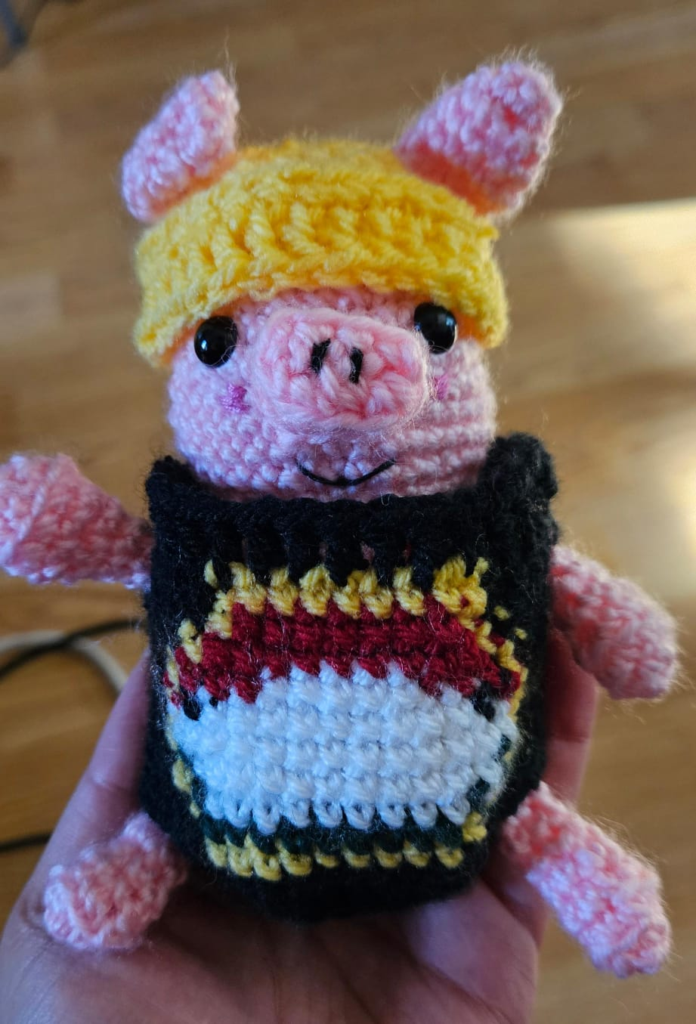
So, it was back to the drawing board. I spent the next couple of years trying to figure out what I wanted to do while working part-time at an optician store, including setting up an online bakery. I found that this sucked the joy out of baking for me, and I made the decision to keep it as a hobby- much to the annoyance of my parents who thought I had finally found my path.
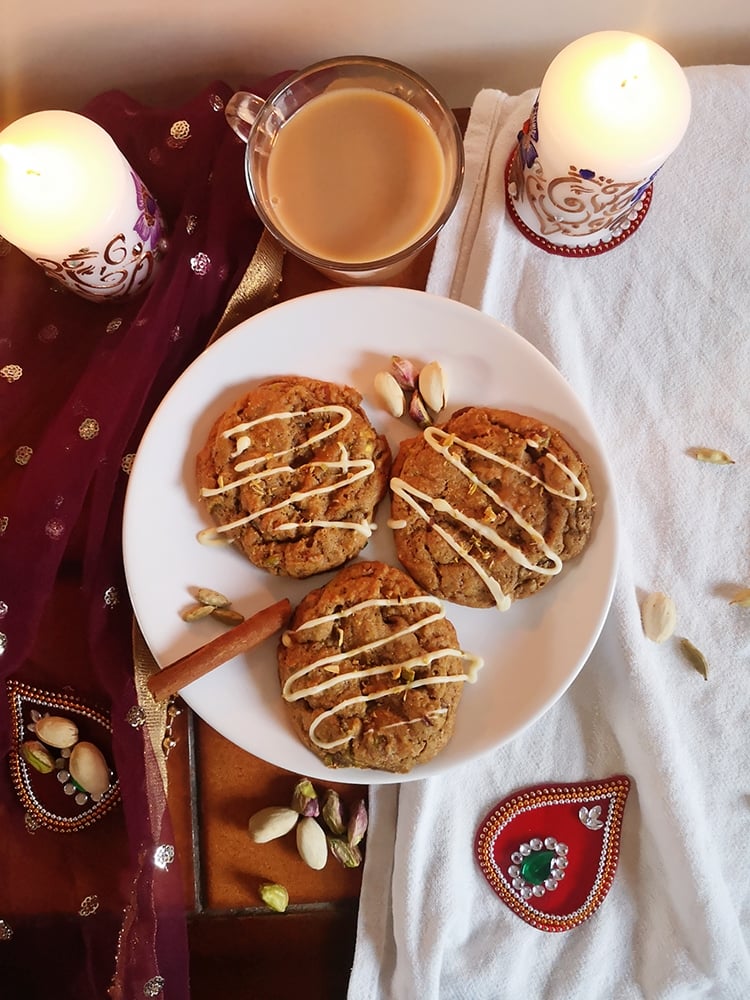
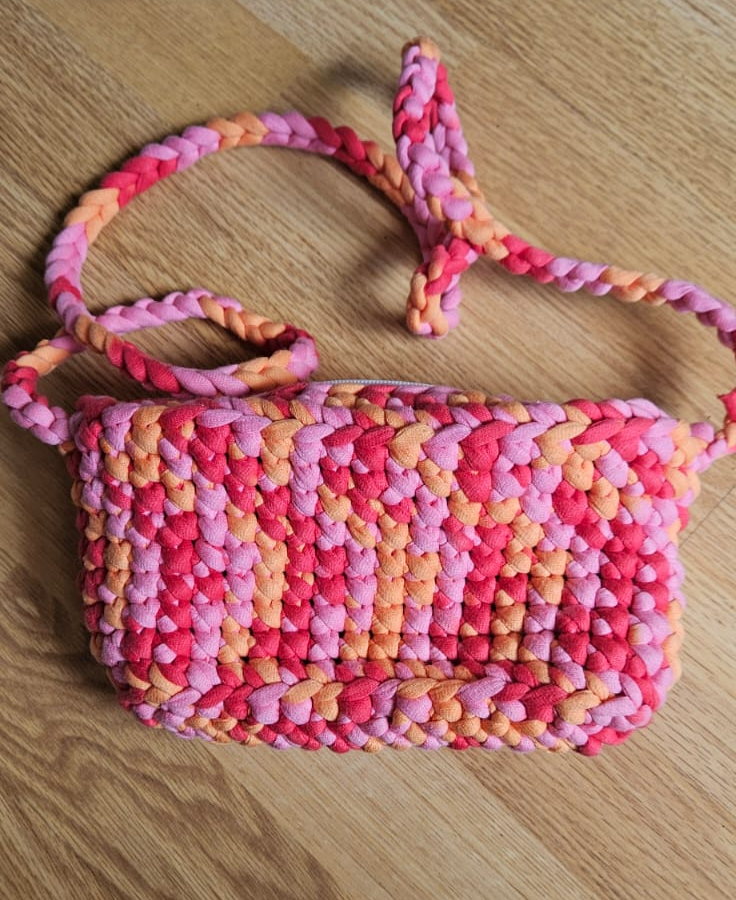
I also move through hobbies quite quickly (see again, undiagnosed neurodivergence 😬). During lockdown, I picked up embroidery, crocheting and scrapbooking as well as baking. It was an interesting time for everyone. Weirdly, I didn’t bake any banana bread during lockdown. But also, I couldn’t have a business for every hobby I had.
“Here I remembered something important about myself, I wanted to help people and make a difference.”
Seeking support: employment advice that changed everything
Finally, I did what I should’ve done years ago; I reached out for some professional employment advice. Specifically, employment advice for disabled people. This was amazing, the support I was given not only helped me find a job but also acknowledged the parts of my anxiety and neurodivergence that I had been struggling with. I thought I had to keep this hidden, not mention it to employers and pretend like I could do any job without adjustments. My employment adviser was the first person who made me feel like I could be completely myself and thrive. Here I remembered something important about myself, I wanted to help people and make a difference.
In a turn of fate, a role opened with a different employment service for the same charity. I worked as a customer coordinator and built my experience in employability, copywriting and DE and I. I loved this role and finally felt like I belonged somewhere and I was helping people who were in a similar position to me when looking for work. I was here for almost 3 years before I heartbreakingly realised there was no longer anything left for me to learn in that role. My choice was to take a risk and find something new that would allow me to grow or stay safe in a stable job . Making the decision to find a new opportunity where I would be able to progress in my career was a difficult one, but ultimately the best one. As much as I loved my role as a customer coordinator, I wanted to learn and focus on an intersectional approach to employability. As someone who is from multiple underrepresented backgrounds, I know how hard it is to have a few things stacked against you.
“The truth is, it’s not a step back. It’s a step forward, it’s an opportunity to grow and learn and, personally, that will never be a step back.”
Choosing growth over comfort
So, at 29 years old, I applied for multiple roles and was given the chance to interview for a traineeship with Creative Access. Some of you might be thinking ‘why I would step backward in my career?’ which I was also asked at my interview, but in a subtle way! The truth is, it’s not a step back. It’s a step forward, it’s an opportunity to grow and learn and, personally, that will never be a step back.
I am now a community and partnerships trainee, supporting our outreach team and Springboard programme. Working alongside some amazing people, I am learning all about copy and content writing, events planning, session facilitation and, most importantly, supporting Creative Access’ vision to make the creative industries a more diverse and inclusive place.
Now I am thirty, thriving and loving my non-linear and non-traditional career and I can’t wait to see where it goes next. Remember: it’s not too late to change careers and it’s ok to not know what you want to do.
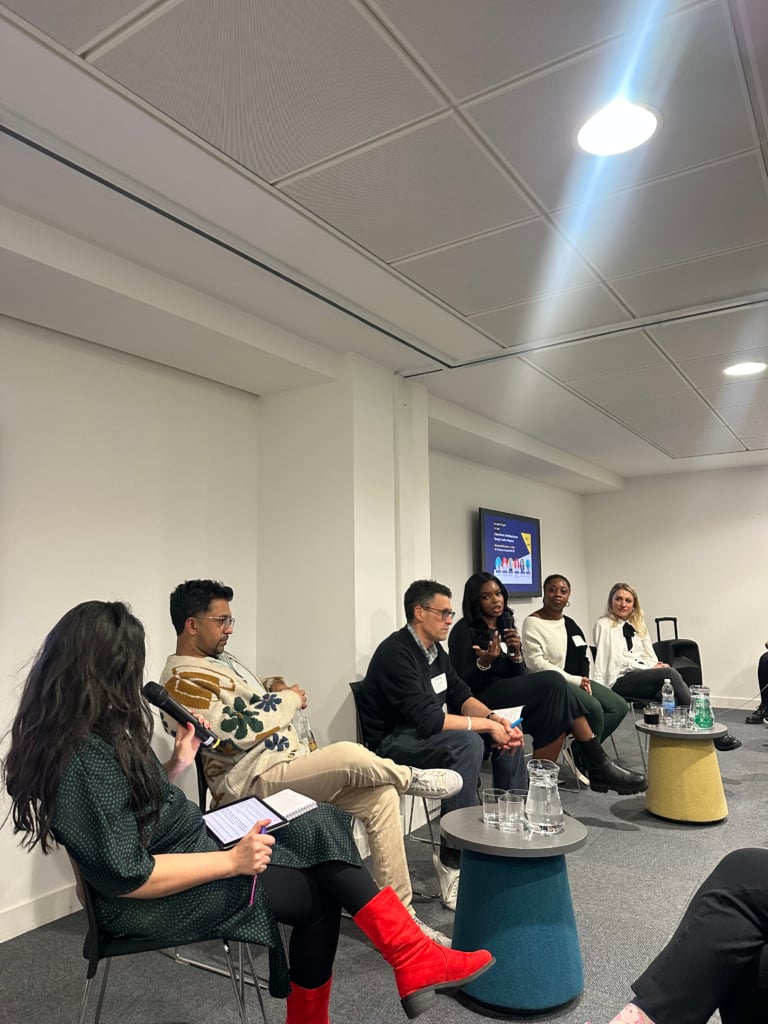
Last month, Creative Access partnered with leading media law firm, Simons Muirhead Burton to host an inspiring evening of conversation exploring what it means to build a career on your own terms. Bringing together founders, CEOs and creative leaders from across the cultural and media landscape, the event delved into the realities of moving away from traditional employment and creating businesses shaped by purpose, community and creativity. The discussion offered an honest look at risk-taking, pivot points and the growing number of ways to build a life in the creative industries.
Our trailblazing panel included:
- Alex Zepherin, founder, Don Dada Studios and Creative Access alum
- Dhanny Joshi, co-founder and managing director, Big Deal Films
- Laura Tannenbaum, CEO, Fabric Social, founder, That Lot and Creative Access non-executive director
- Peter Weiss, partner and head of corporate and commercial teams at SMB
- Rami Kadri, founder, Two Tabs Social and Creative Access alum
- Mel Rodrigues, CEO, Creative Access and founder, Gritty Talent (chair)
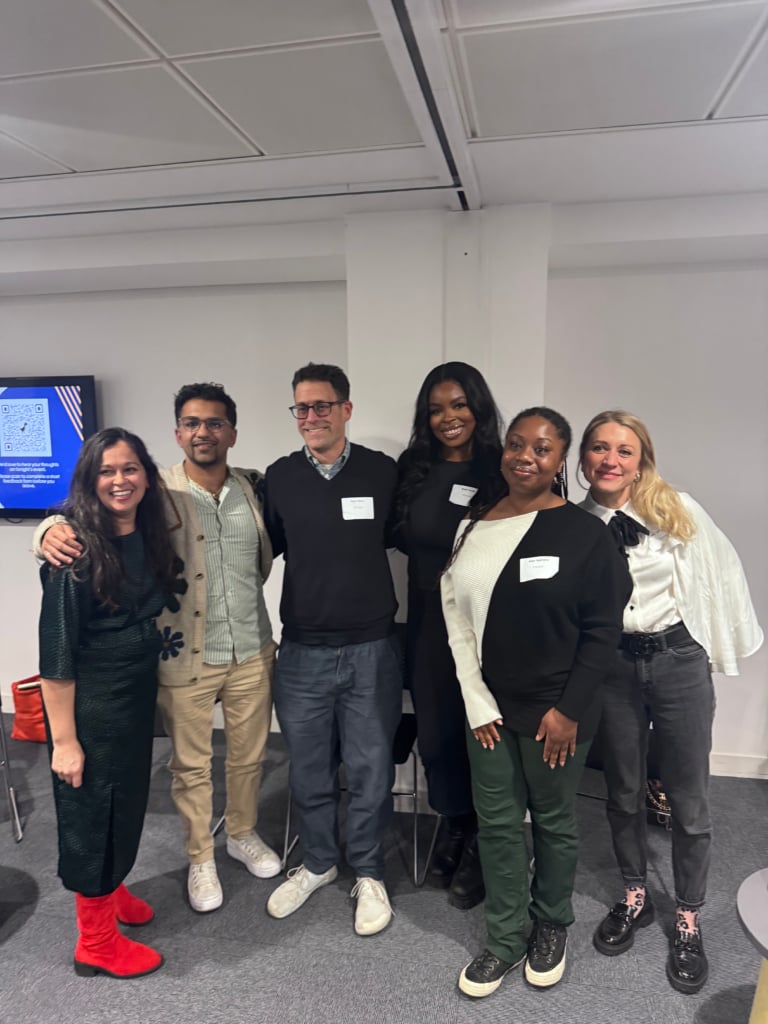
What motivates the leap into entrepreneurship?
The conversation began with the question that connected all of our speakers: what inspires someone to step away from stability and build something of their own?
Dhanny shared that his journey started with ambition and a determination to carve out space in the music industry after spotting gaps he felt compelled to fill.
Rami, on the other hand, described a very different path, one that began with studying criminology before unexpectedly moving into digital campaigns. Working on Little Mix, then on award-winning projects, gave her the confidence to shape her own future and respond to the lack of senior representation she saw around her.
For Alex, her first Creative Access internship highlighted the desire to take more ownership over her creative work. Freelancing with Tate and the BBC helped her build momentum until she eventually launched Don Dada Studios.
Laura spoke about progressing through senior marketing roles before co-founding That Lot. Early partnerships with Virgin Media and Channel 4 showed her the potential of building an agency rooted in strong ideas and strong relationships.
Peter, meanwhile, reflected on the guiding role of purpose in his career, shaped early on by his work with the Death Penalty Project and the importance of being surrounded by people who challenge and support you.
Finding early funding and building from the ground up
The panel explored the first steps of building a business, a stage often marked by uncertainty and experimentation.
For Dhanny, not having money became a strange advantage because it forced him to be creative, unafraid and deeply resourceful.
Laura explained how converting early clients into retainer relationships brought stability and made it easier to plan month by month.
Rami highlighted the importance of industry networks. Her work on Burna Boy’s album created trust and visibility, while grants such as PRS and Time to Power Up helped fuel the next phase of her work.
Alex credited a strong support system and the unexpected rise in freelance opportunities during the pandemic, which enabled her to build her studio more quickly than expected.
Skills, networks and the people who help a business thrive
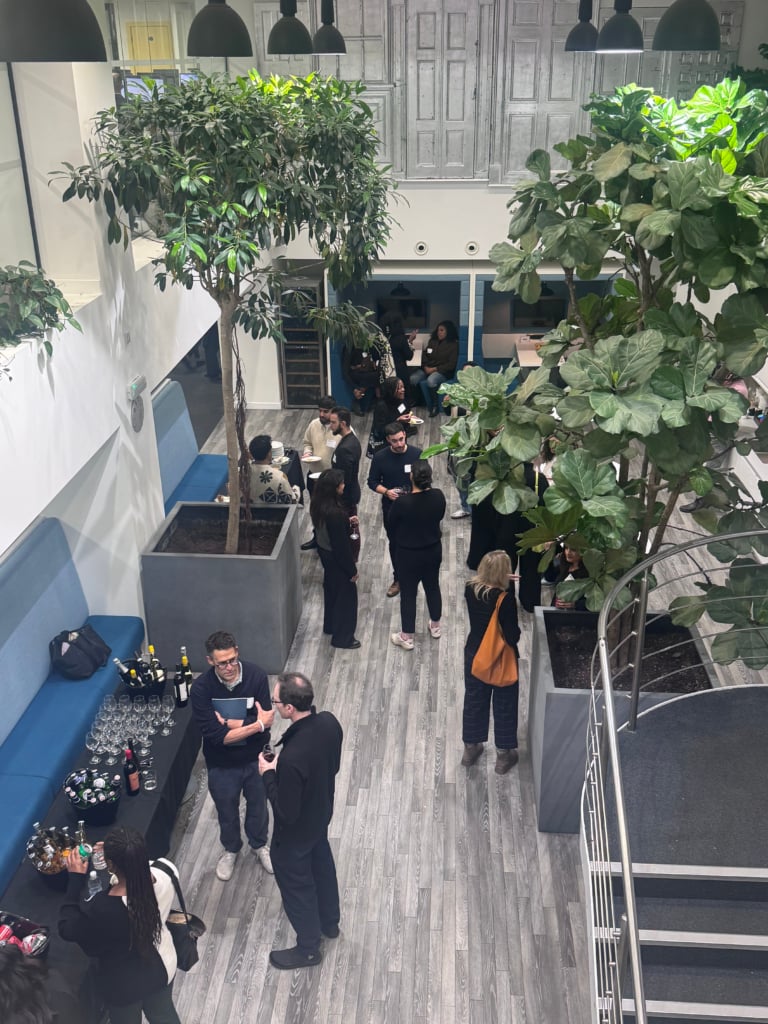
While talent and ideas matter, the panel agreed that a sustainable business relies on the people who surround you.
Dhanny spoke about understanding his own strengths and weaknesses early and bringing in people who filled the gaps, from lawyers to operations specialists.
Rami emphasised the value of outsourcing and learning from younger creatives, particularly when working on projects like FLO and the MOBO Awards.
Alex underlined the importance of communication and personal connection because the relationships you build can be as influential as the work itself.
Shaping culture and leading with values
The discussion then turned to internal culture and the environments each founder aims to create.
Peter reminded us that strong values are inseparable from good business and that a clear vision guides decisions at every stage.
Alex described how her own lived experiences shaped the culture at her studio, especially the importance of trust, creative freedom and learning from both positive and difficult moments.
Laura spoke about the need for psychological safety and flexibility and how important it is for teams to show up as their full selves without fear of judgement.
Dhanny reflected on representation in the TV industry and how the experiences behind Dreaming Whilst Black informed his approach to access, progression and preparing under-represented creatives for real challenges. The growth of the Big Deal Films alumni network is a testament to the lasting impact of this focus.
Closing reflections
The evening ended with an open Q&A that touched on long-term planning, confidence building and the unpredictable but rewarding nature of creative entrepreneurship.
Thank you to our brilliant panellists, to SMB for hosting us, and to everyone who joined us for an energising and thoughtful conversation.
To stay connected with future Creative Access events and opportunities across the creative industries, make sure you are registered with us and keep an eye on our Opportunities Board.
More recently, work is being done to increase diversity in the sector, break down barriers to entering creative professions and eradicate exploitative internship practices. For example, Creative Access is the leading inclusivity organisation in the creative industries, supporting people from underrepresented groups (diversity, ethnicity, socioeconomic background) into creative careers.
‘Creative Access exists to help ensure opportunities are communicated widely, and that candidates have all the information they need to build a strong application,’ says Mel, reports Prospects.
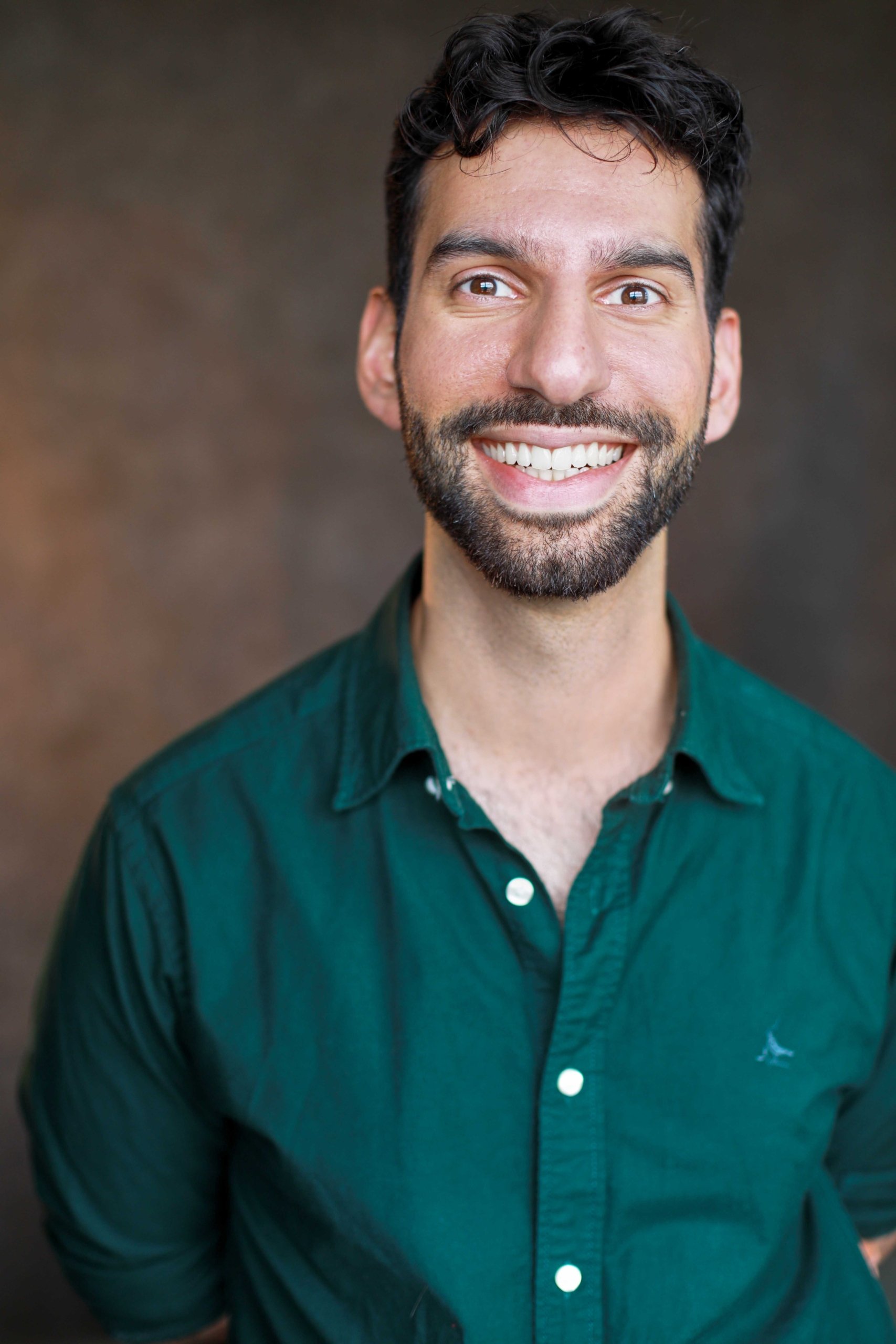
Jordan John founded Underscore Studios, a London and South West based social enterprise working between film, events and education and committed to increasing accessibility in the arts. Recently awarded the Creative Access Career Development bursary towards his own short film, These Streets, John shares his experiences as a working-class founder and writer, and top tips for like-minded creatives.
Becoming familiar with contacts like Creative Access can open doors to support and will prove to be beneficial in the long term. It’s essential to expose your work to the resources available, as it shows that there is an undeniable demand for similar platforms to exist.
The dream. Every creative defines it differently. For some, it’s becoming a storyteller, for others, it’s bringing ideas to reality.
The creative industries are often portrayed as accessible; a platform where anyone can be recognised and appreciated. However, for many, those dreams of creative success are buried by the weight of limited networks, financial barriers, and classism. How accessible are creative opportunities within sectors such as TV and film when identity is often intertwined with class? This was the primary question I wanted to explore on founding my non-profit company; Underscore Studios.
My journey as a working-class creative
When starting out as a young creative, I did what many filmmakers tend to do; I made films with my mates. I knew I wanted to be a writer, so this period was less about learning the technicalities of filmmaking, and more about creating scripts that evoked emotion. I wrote what I knew could be translated easily on to screen but also what allowed people to feel things. This was a period of experimenting with language and story structure; something I’m still experimenting with today.
On founding Underscore Studios, I imagined accessibility. I envisioned a platform that provided support and access to resources, aimed specifically at working-class creatives. What initially housed my individual projects soon became a platform to champion like-minded, working-class individuals.
Breaking the industry open with the help of Creative Access
Underscore Studios has been able to support working-class creatives by providing a multitude of free or affordable services. Free script reports to over 250 working-class writers, access to educational workshops held by industry professionals, and hosting Underscore Cinema; one of the few London-based film festivals exclusively for working-class creatives. For Underscore Studios, supplying free and affordable opportunities is an essential step in breaking the creative industry open to working class creatives.
This has only been possible by strengthening relationships with larger organisations, such as Creative Access, Film London and the BFI. Being awarded the Creative Access Career Development bursary made it possible for my own short film, These Streets, to circulate.
Creative Access played a huge role in allowing more people to interact with and witness that project. The response that followed reaffirmed that creatives are looking for organisations to sit up and listen to their creative needs. We need organisations that stand by us.
Working-class representation in the creative industries today
8%* is the percentage of creatives in the TV and film industry that identify as being from a working-class background. Working-class can often looks like families growing up on low-income. It looks like financial obstacles, free school meals, and limited access to higher education**.
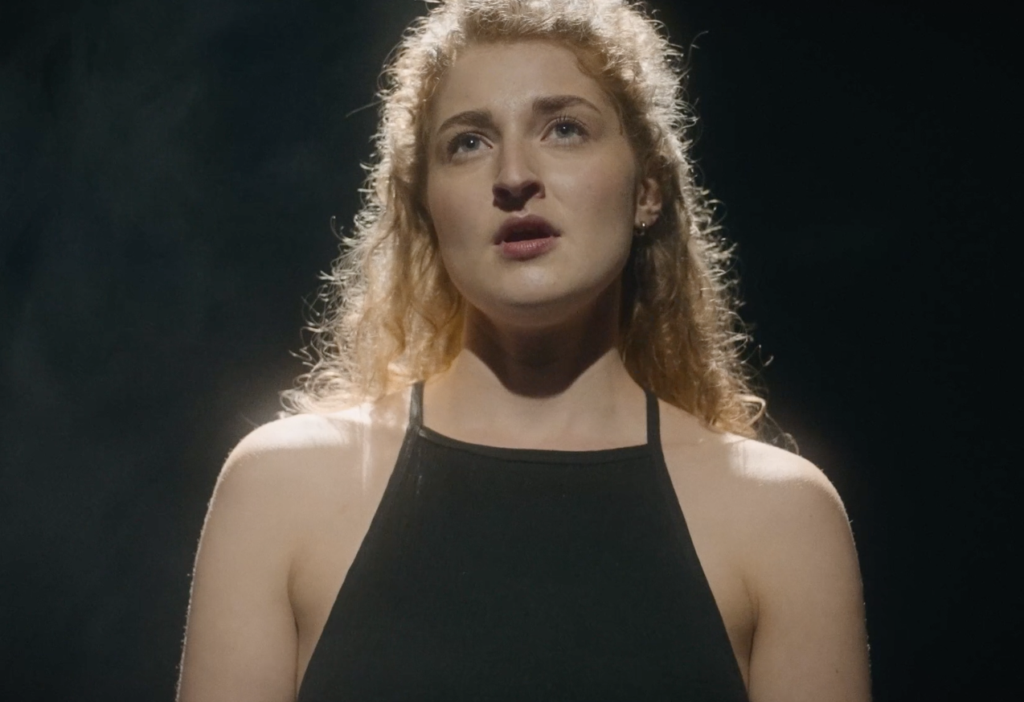
In my short film, These Streets, the story of a young woman navigating her creative dream is depicted as she faces the challenges presented to her resulting from her working-class background. The film wrestles with a core concept: opportunity. This project marked the first time I embraced spoken word as an art form, and I wanted to ensure that the protagonist’s poetry vibrated with determination and grit, with an overpowering sense of hope and commitment in her passion. This is where a working-class voice is heard. This is where a working-class creative audience is spoken to.
Tips for like-minded creatives
Embracing your resourcefulness as a working-class creative is an essential part of progressing in the industry.
I would advise understanding and embracing your social class and background. I’m at the stage of my career where I can recognise class is an undercurrent within my writing, but it doesn’t define how I write. As it is my experience of life, it feels organic to include in my projects and storytelling; I work with it now like a valued tool.
Embracing your resourcefulness as a working-class creative is an essential part of progressing in the industry. This can look like reaching out to local theatre organisations to see how they can help you. Becoming familiar with contacts like Creative Access can open doors to support and will prove to be beneficial in the long term. It’s essential to expose your work to the resources available, as it shows that there is an undeniable demand for similar platforms to exist.
Platforms like Underscore Cinema, can only be maintained when working class creatives share the same mantra. A high demand means more success. More success for the film festival means more opportunity for working-class artists. As this cycle begins to stabilise, better bonds are created between Underscore and organisations like Creative Access, offering more opportunities for support and collaboration.
References:
Broadcaster and entrepreneur Maya Jama has partnered with Creative Access on a 6-month mentorship for eight early-career women from historically underserved backgrounds, reports Abbey Bamford, Creative Boom.
Our latest Creative Access Masterclass pulled back the curtain on Fane, the live events and production company shaping some of the most exciting cultural moments happening on UK stages today.
If you’ve ever attended a beautifully curated conversation with a bestselling author, an evening with a screen icon, podcaster or public thinker, there’s a good chance Fane was behind it. Known for its thoughtful, talent-led approach, the company specialises in creating space for meaningful dialogue, blending entertainment, insight and storytelling in front of live audiences.
With a portfolio that spans global names, literary giants, cultural commentators and rising voices, Fane has become a major force in the live events landscape. The team produced over 500 shows this year alone, balancing high creative ambition with meticulous logistical planning.
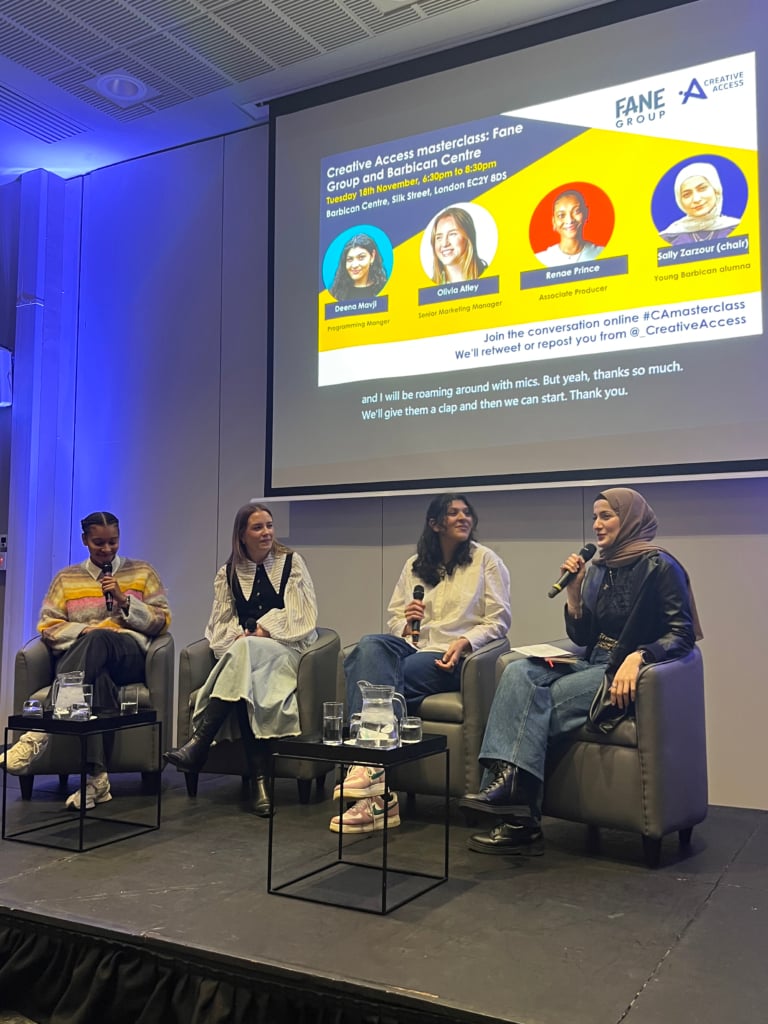
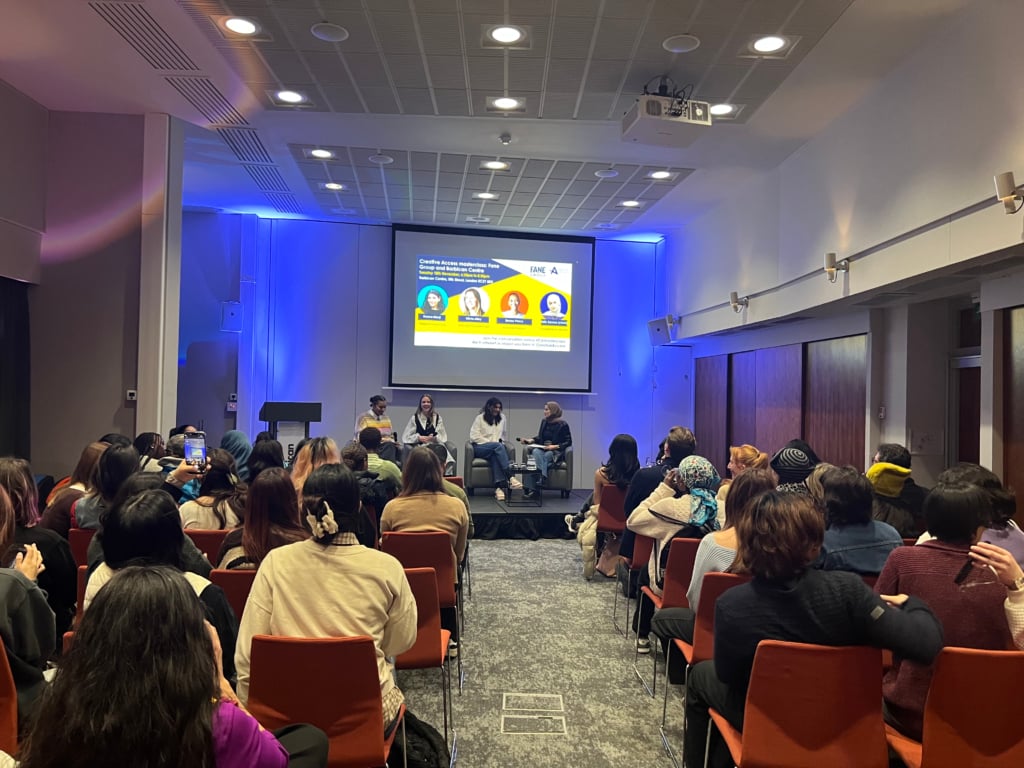
Against the backdrop of the Barbican’s Frobisher Rooms, the Fane team offered an exclusive, behind-the-scenes look at how these events come to life. Our panel included:
- Renae Prince, associate producer
- Deena Mavji, programming manager
- Olivia Atley, senior marketing manager
- Sally Zarzour, young Barbican alumna and panel chair
How does an idea become a show?
Renae captured Fane’s mission simply:
“Connecting audiences with the people they love.”
But behind that simplicity is a complex and highly collaborative process. Every event begins with an idea, which is often sparked through cultural trends, talent relationships or team passion projects. This happens before moving into planning, pricing, creative approvals and long-term scheduling.
From assessing audience demand through social media insights, to crafting copy, artwork and marketing plans, the journey can take months. Occasionally, though, things move fast: the team revealed that the event featuring highly acclaimed Tony, Emmy & Grammy award-winner Cynthia Erivo, alongside BAFTA Scotland’s award-winning actor Ncuti Gatwa, celebrating her brand-new memoir SIMPLY MORE!, went on sale in just four weeks. Fane’s immense success comes to fruition from its esteemed relationships with venues, talent teams, publicists, designers, and the close-knit team members themselves.
Producing high-impact events
Olivia described producing as understanding “what makes a show a show”: the details, tone, atmosphere and narrative that shape the audience experience. Clear communication, patience and thorough pre-event preparation all matter, especially when balancing multiple events at different stages of development.
Deena highlighted the importance of staying flexible and organised, using digital tools like spreadsheets or Asana to keep fast-moving projects aligned. Meanwhile, marketing plays a crucial role in capturing audience attention:
You have three seconds to make someone stop scrolling.
The panel also discussed Fane’s active approach to widening its reach beyond London, diversifying audiences regionally and spotlighting a broader range of voices across its stages.
How has audience behaviour changed?
Reflecting on the last five years, our panel noted major shifts post-pandemic. Olivia shared that audiences are now more selective, choosing experiences that truly resonate with them. Deena added that the industry has pivoted away from relying solely on big names as audiences now respond more to authenticity, passion and strong content than to celebrity status alone.
Despite the challenges of recent years, the appetite for live culture is growing. Theatre attendance rose 11% from 2023 to 2024, pointing to a renewed desire for in-person connection. Fane has continued to balance both digital and live formats, keeping accessibility at the forefront while still celebrating the energy of live performance.
Panel favourites: standout Fane events of 2025
When asked about their most memorable shows of the year and countless options to pick from, our panellists lit up.
- Deena – ‘Most wanted’ with Gillian Anderson at the Barbican: A moving and candid event where Anderson read anonymous letters from women, exploring personal fantasies and untold stories.
- Olivia – Margaret Atwood, celebrating the launch of her new book ‘Book of Lives: A Memoir of Sorts’: A sassier evening than expected, and a powerful full-circle moment for Olivia after studying her work in school.
- Renae – An evening with Barack Obama & ‘Always winning’ with Ashley Walters: Obama’s event was a surreal milestone. Walters’ appearance, meanwhile, offered vital representation for audiences who, historically, may not have seen themselves reflected in traditional theatre spaces.
And on the horizon: a very special Judi Dench event on 16 December…
Advice for breaking into events and the creative industries
The team offered thoughtful, impactful advice for people from under-represented starting out in the creative industries:
Your twenties are a “defining decade”. Make the most of weak ties, be kind to everyone, and remember the three Ps: place, price, people. Most importantly: don’t compare your journey to anyone else’s. – Olivia
Deena: Stay open to unexpected paths, a mindset that led Deena to Fane through Creative Access.
Renae: “Be more confident.” Self-doubt will hold you back long before the industry will. Mentors can be transformative, and tailoring your CV and cover letter to the role you’re applying for is essential.
Q&A: your top questions answered
Why does it take at least four weeks to launch an event?
Because aligning talent schedules, venue availability, artwork, copy, and client approvals is complex and compressing that timeline is very tough.
How do you handle working with controversial guests?
Rigorous research and transparency. Accountability comes first.
How do you navigate creative differences?
Through clear communication, exploring multiple options, and always identifying the core audience.
How is event funding secured?
Fane usually fronts funding. For independent creators, clarity on your identity, your aesthetic, your value, your audience is essential. Networking opportunities, like Creative Access masterclasses, play a huge role.
How do I re-enter marketing or the creative industries?
A strong cover letter can stand out more than a CV. Keep putting yourself out there, trust your instincts, and ask friends for a second opinion on your applications before sending them in.
These were just some of the standout moments from an insightful, energising session at the Barbican. Big thank you to our amazing panellists and chair, the Barbican for hosting us, and everyone that attended!
To join future Creative Access masterclasses and hear directly from leading voices across the creative industries, make sure you’re registered with us and keep an eye on our opportunities board.
“Love Island” host Maya Jama is partnering with social enterprise Creative Access to launch a new mentorship program for marginalised women in the U.K. creative industries. The six-month program will connect eight emerging creatives with powerhouse mentors from Jama’s own professional network who will offer guidance, insight and support in areas including TV production, broadcasting, fashion, communications, marketing and talent management. The program is aimed at women in the U.K. from underserved communities who are at the entry-level career stage and will also include a visit to a London school and an event for early-career professionals. Reports Ellise Shafer at Variety.
Broadcaster and entrepreneur Maya Jama is partnering with Creative Access, a leading social enterprise, to launch a groundbreaking new mentorship opportunity for women from historically underserved and marginalised backgrounds.
The 6-month programme will connect eight emerging creatives with eight powerhouse mentors from Maya Jama’s professional network. The mentors will offer guidance, industry insight, and career support in the worlds of TV production, broadcasting, fashion, communications & marketing, and talent management.
It is aimed at women from underserved and marginalised backgrounds in the UK who are at aspiring, entry or junior-level career stage and who have not previously worked with a mentor.
Maya has enlisted the following women within her network to act as mentors:
- Broadcaster and Entrepreneur – Julie Adenuga
- VP, Global Brand Marketing at Coty – Janine Fernandes
- Director of Entertainment at Insanity – Issy Lloyd
- ITV’s Commissioning Editor, Reality & Entertainment – Amanda Stavri
- Senior Culture & Entertainment Manager at Diageo – Francesca Hayward
- Freelance Comedy Entertainment Executive Producer – Carol Baffour-Awuah
- Financial Times’ HTSI Editor – Jo Ellison
- Creative Director & Founder of fashion brand Ahluwalia & Film Director – Priya Ahluwalia
Maya Jama said:
“This mentorship programme is something I have always wanted to do. I’m incredibly excited to be partnering with Creative Access to connect talented young women with eight industry pros who will nurture and guide their careers.”
Josie Dobrin, executive chair of Creative Access, said:
“Creative Access is proud to partner with the brilliant Maya Jama on this impactful mentorship programme, which will provide a vital stepping-stone for eight talented aspiring creatives. It is more important than ever to commit to upskilling the next generation of diverse talent, and through mentorship in flagship creative sectors, eight women will gain the support, guidance and access they need to thrive. Without programmes like this, the industry risks missing out on the voices and visions that will shape its future.”
The programme will also include a visit to a London school and an event for early-careers professionals, both of which the mentors will be involved with.
This year’s nominations for People of Publishing 2025 were evaluated by a judging panel comprising Dan Conway, CEO of the PA, Josie Dobrin, executive chair and founder of Creative Access, and Philip Jones, editor of The Bookseller. Reports Melina Spanoudi at The Bookseller.
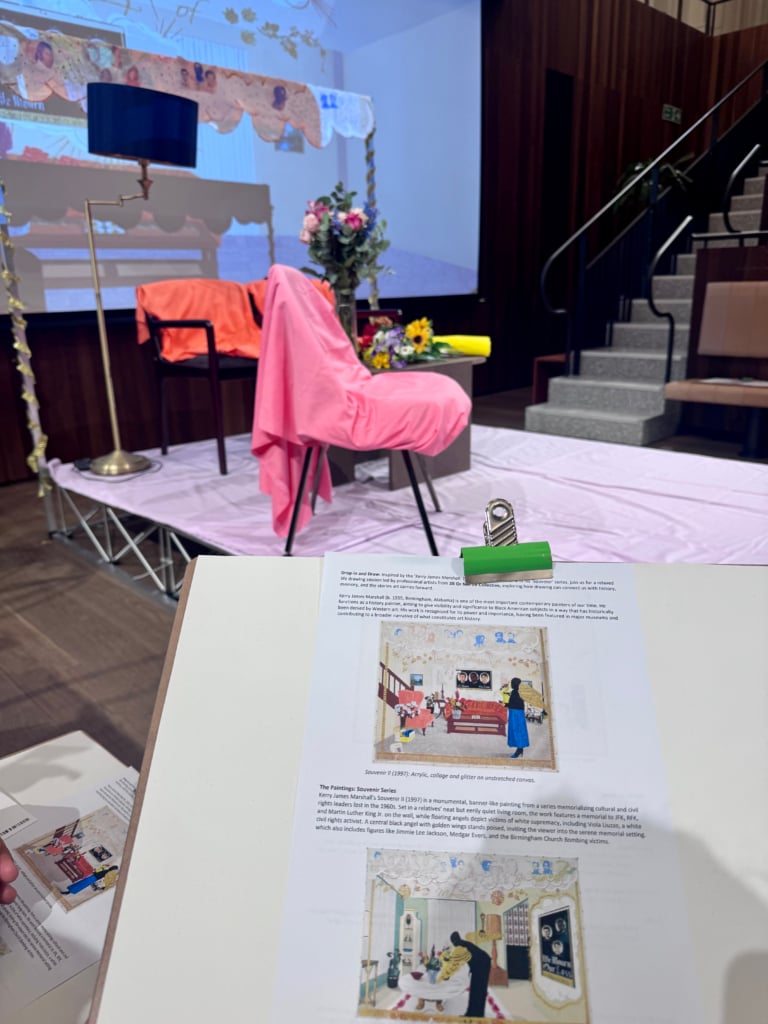
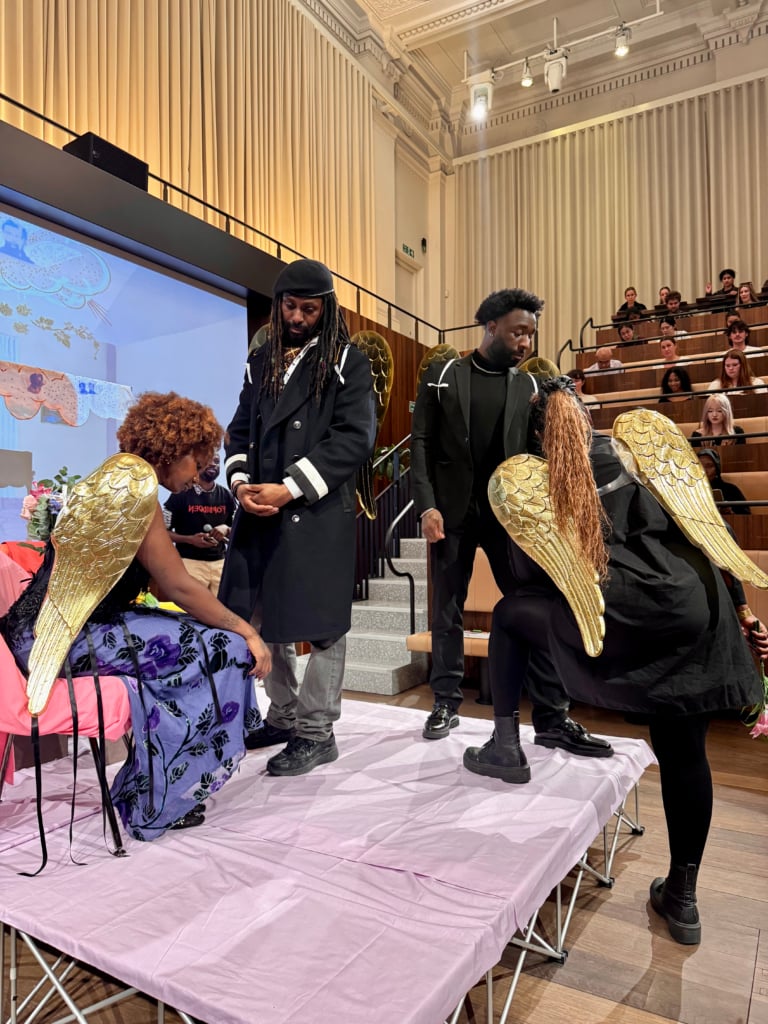
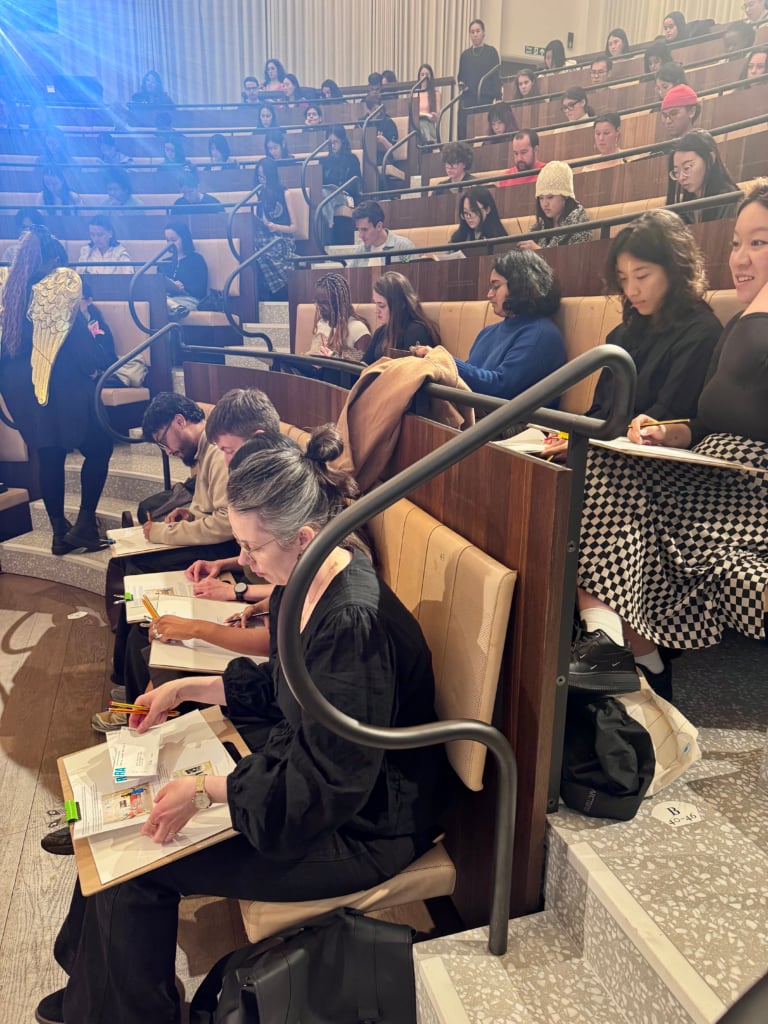
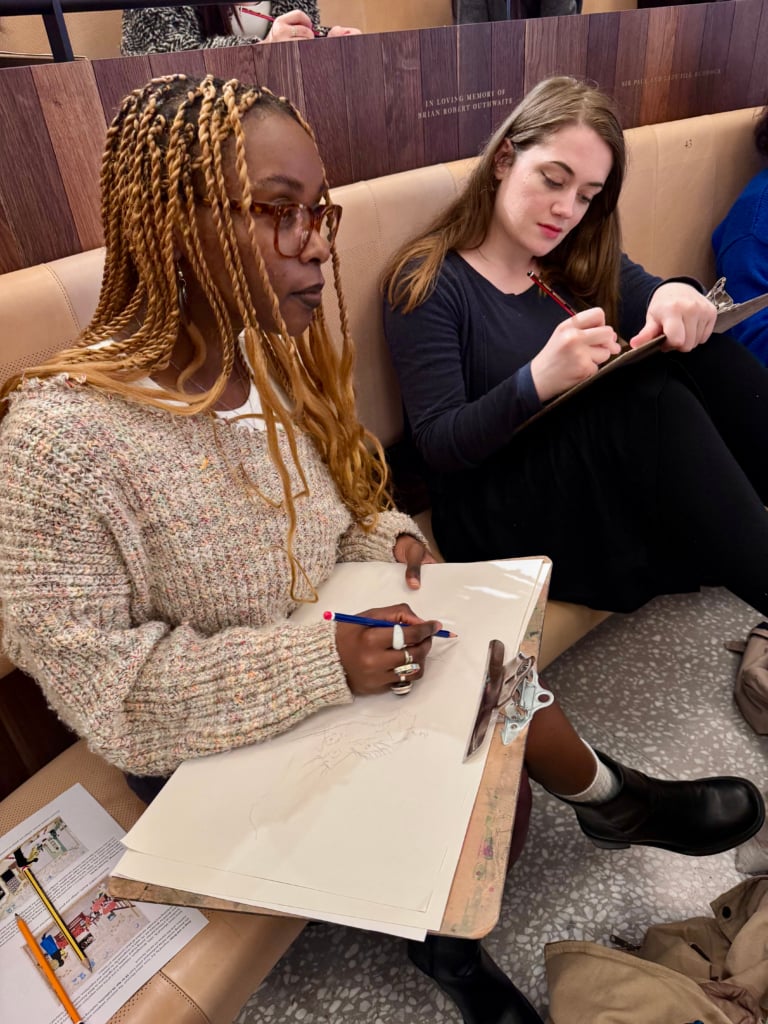
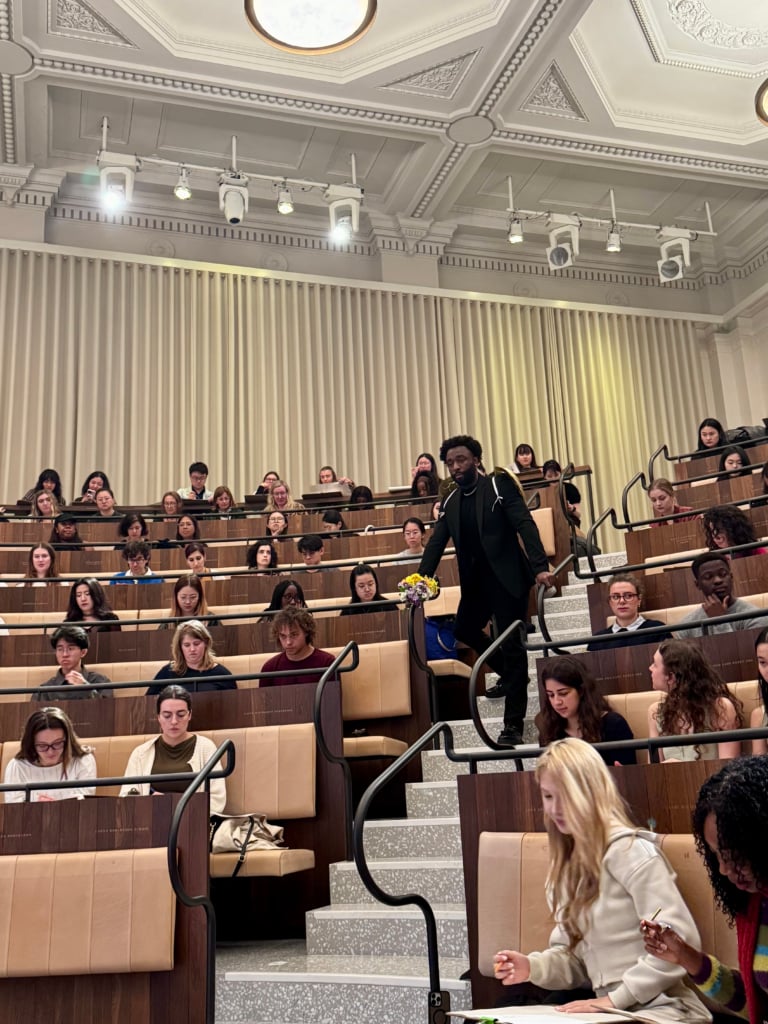
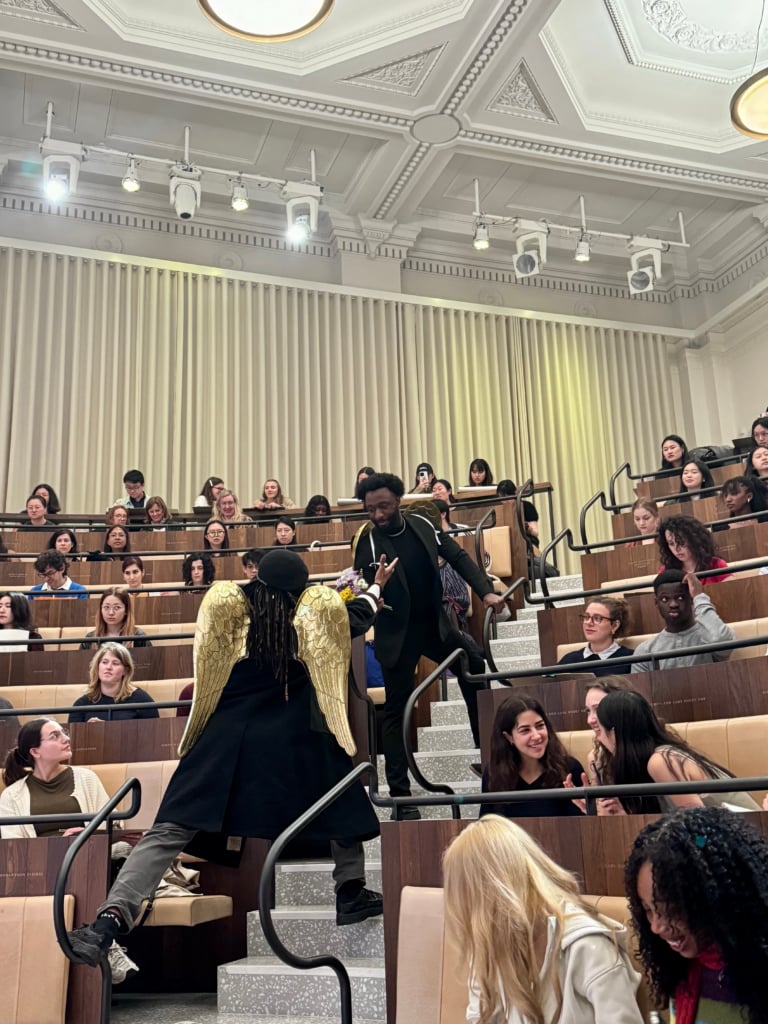
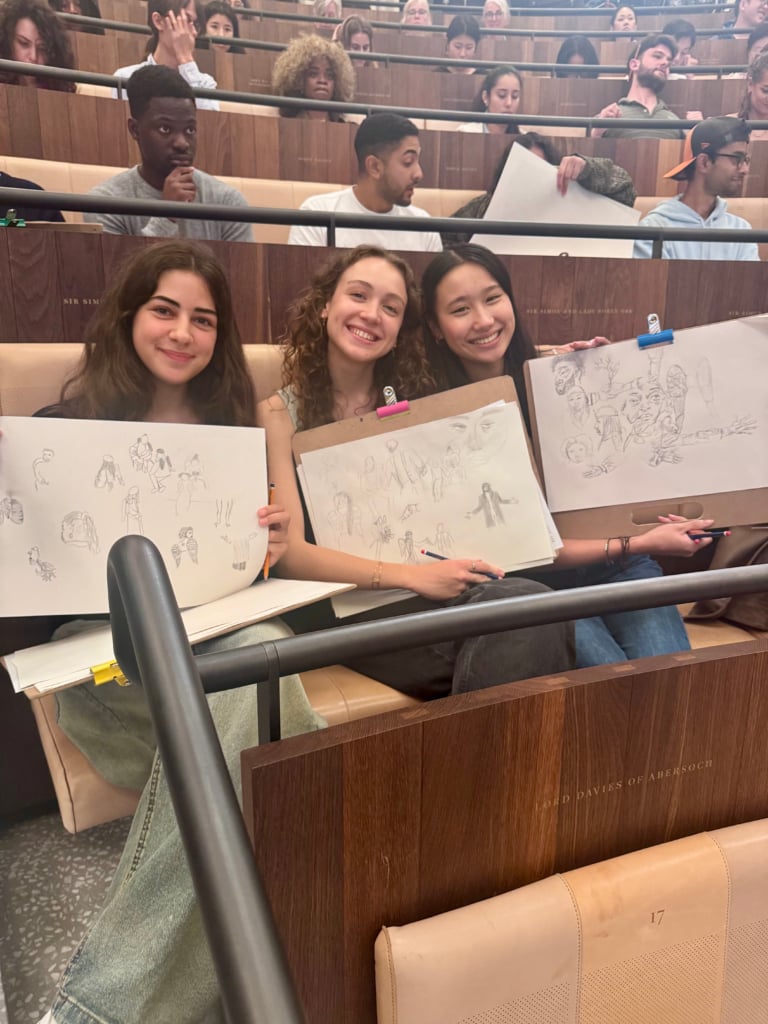
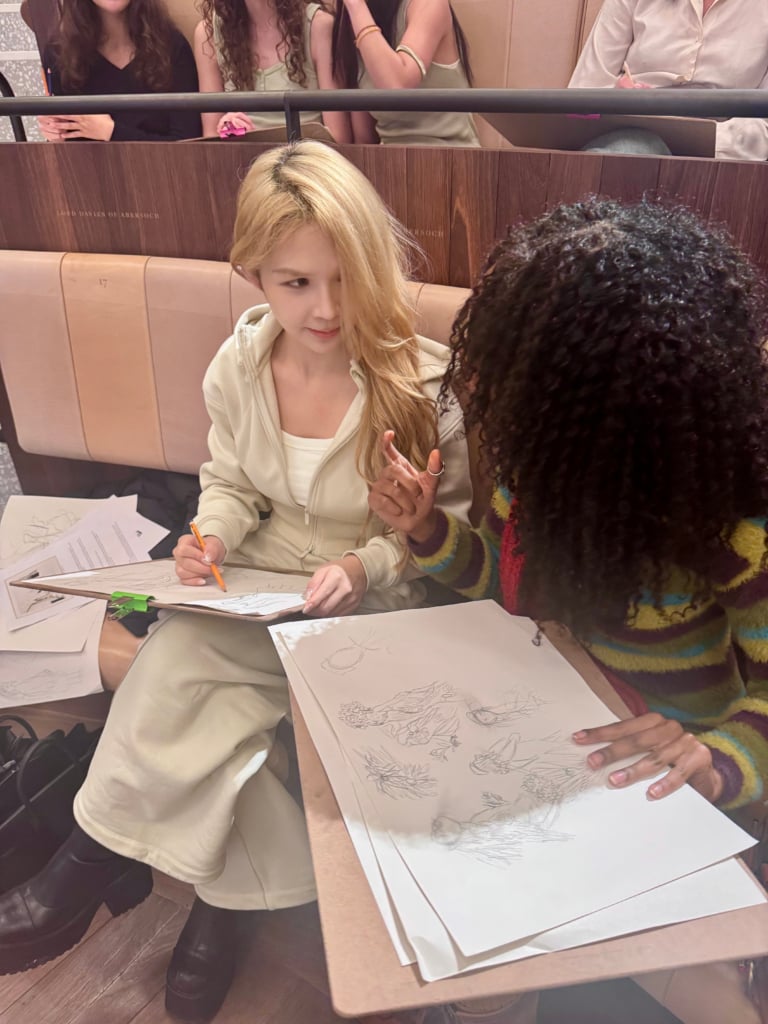
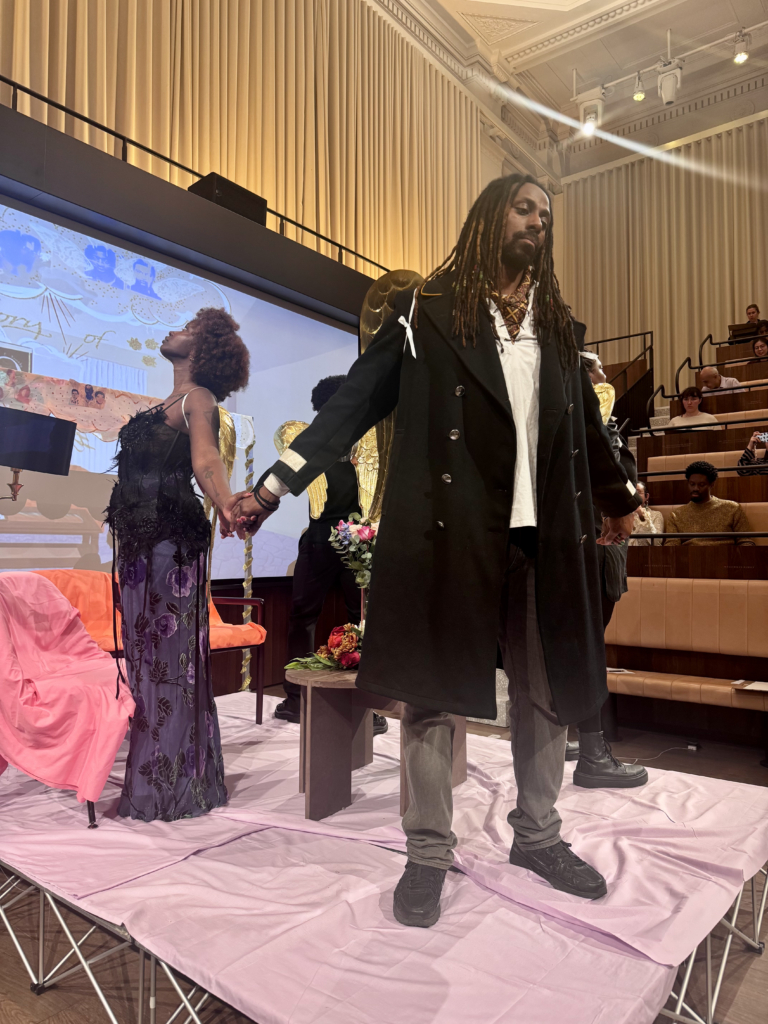
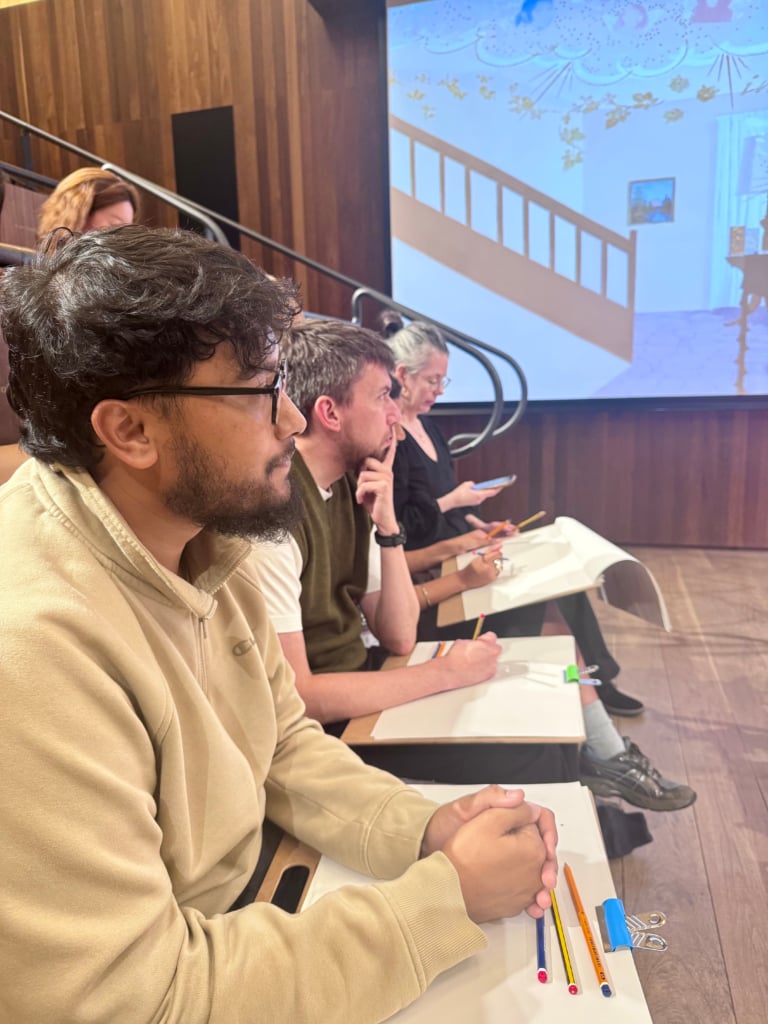
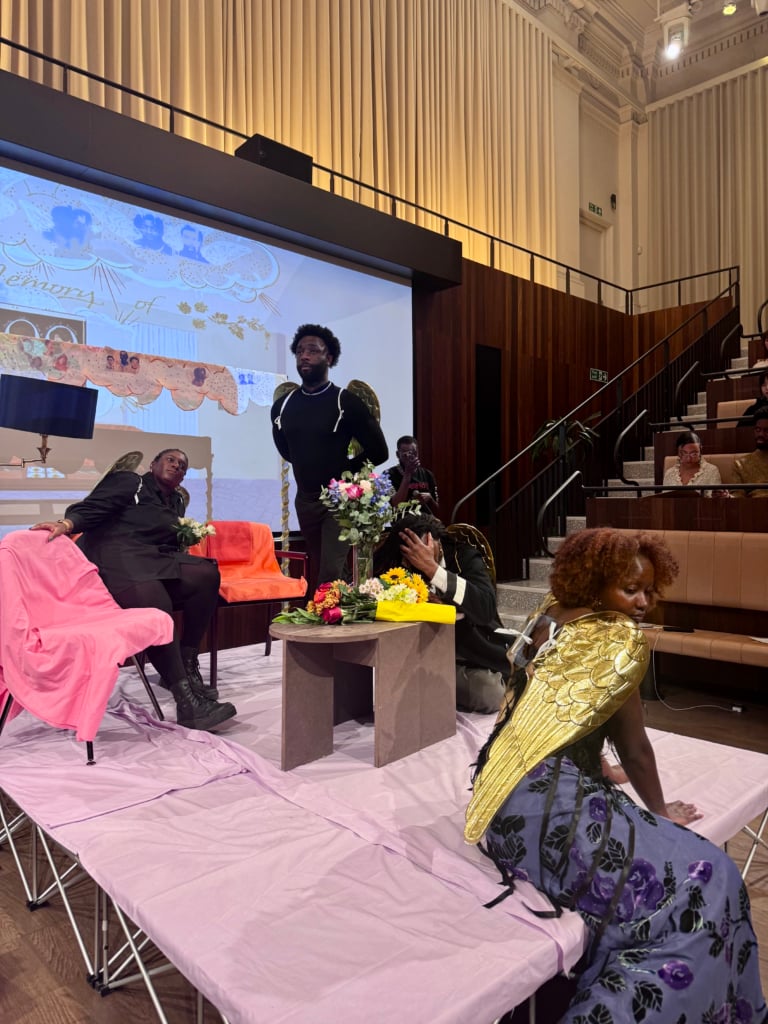
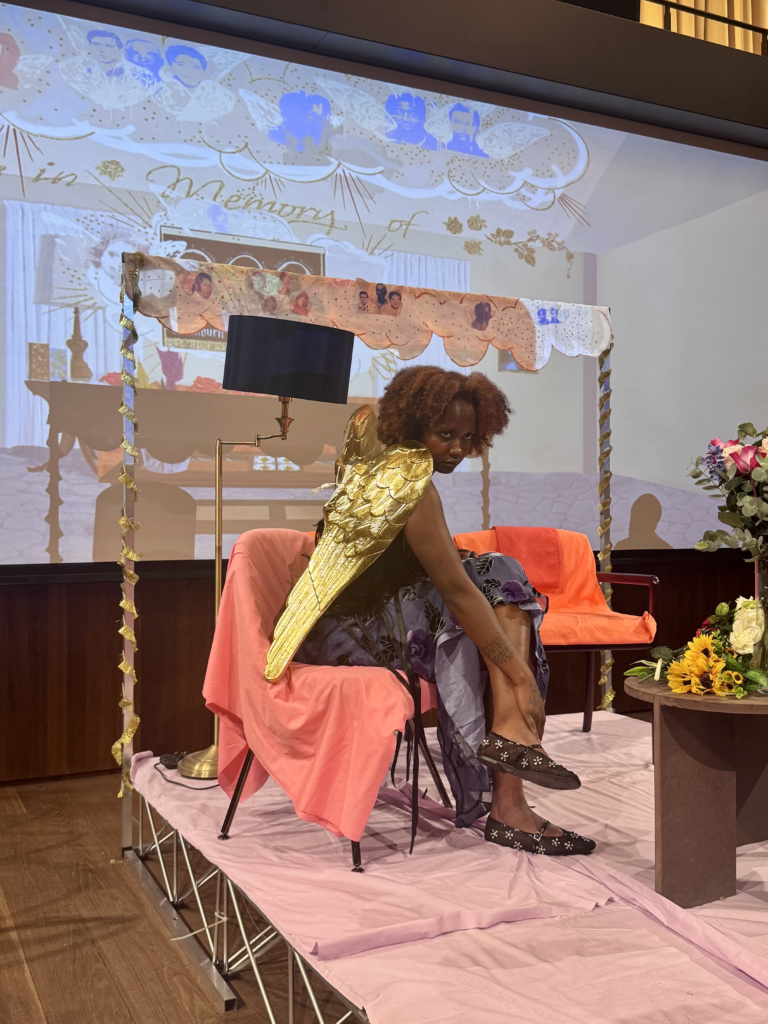
For October’s masterclass, we took part in Royal Academy of Arts’ ‘Drop in & Draw‘, a lively life-drawing session hosted in collaboration with the inspiring 2bornot2b Collective. They are a POC-led art collective dedicated to uplifting POC and visibly marginalised bodies in art. The workshop celebrated creativity, movement, and expression, inviting participants to experiment freely while honouring diverse forms and identities.
Drawing with Movement and Intention
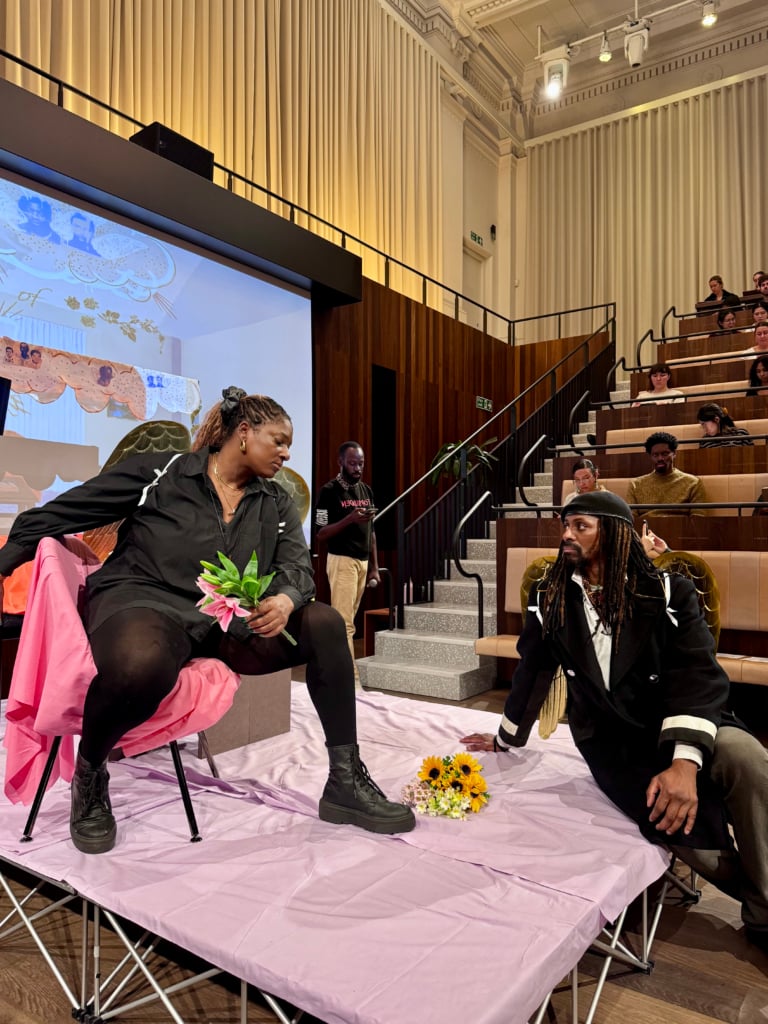
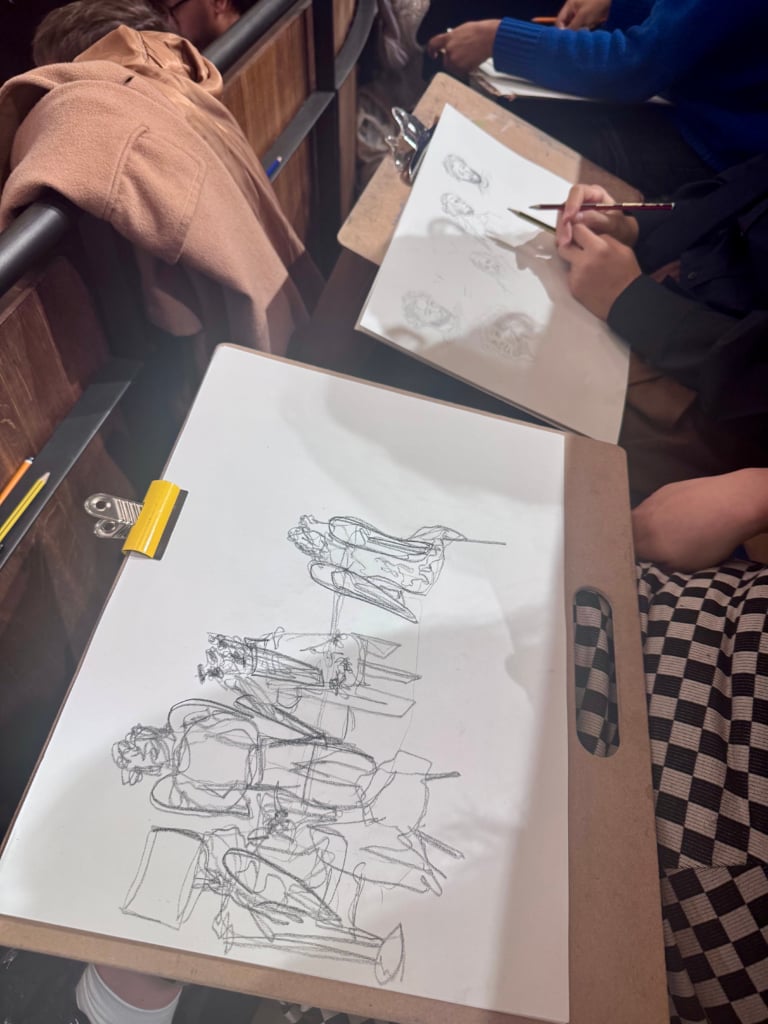
The session featured four models, with the focus shifting between one or two at a time. We began with quick two-minute poses, each sketch demanding speed, intuition, and attention to gesture rather than perfection.
We were encouraged to rethink how we hold our tools – not in the usual tight grip, but the overhand ‘violin bow’ technique, allowing lighter, more expressive strokes. ‘Pop your head up for two seconds,’ the facilitator reminded us, ‘and really see what you’re drawing.’
Each pose came with a creative prompt to loosen our minds and hands:
- Sketch using abstract structures
- Switch to your non-dominant hand for a challenge
- Reduce the body to geometric shapes – a circle for the head, a single line for the body
- And later, think about space and depth – instead of drawing the body, try drawing the space around it
A scene built over time
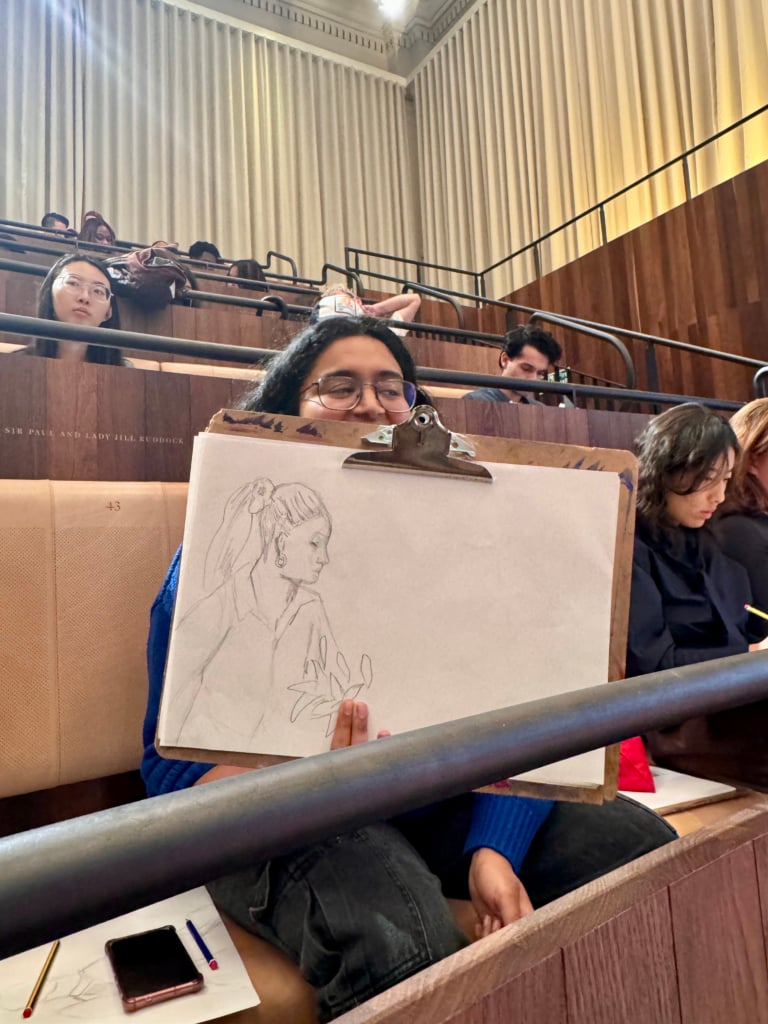
The final session brought everything together. Over 20 minutes, models entered the frame one by one, building a ‘still’ that evolved in real time – each addition shifting the composition and energy of the piece. It was described as ‘a drawing built over time,’ a living sculpture of form and connection.
Kerry James Marshall: The Histories exhibition
To be sure, the mode of black figure representation I employ is a clear departure from most popular treatments of the black body. I am trying to establish a phenomenal presence that is unequivocally black and beautiful. – Kerry James Marshall
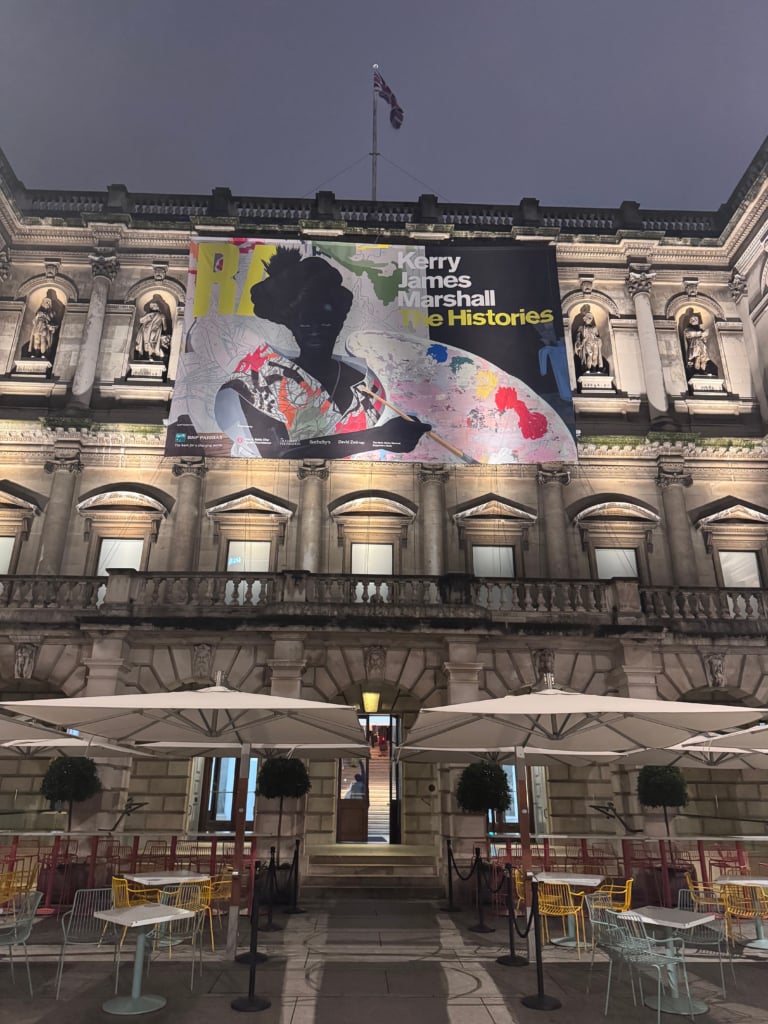
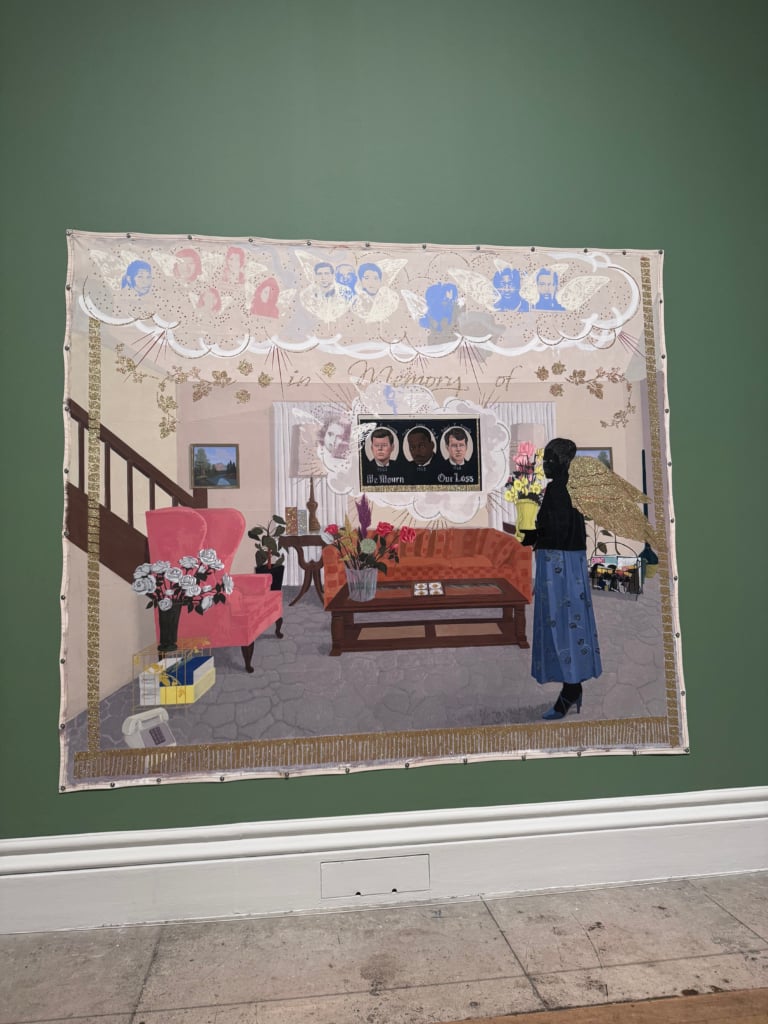
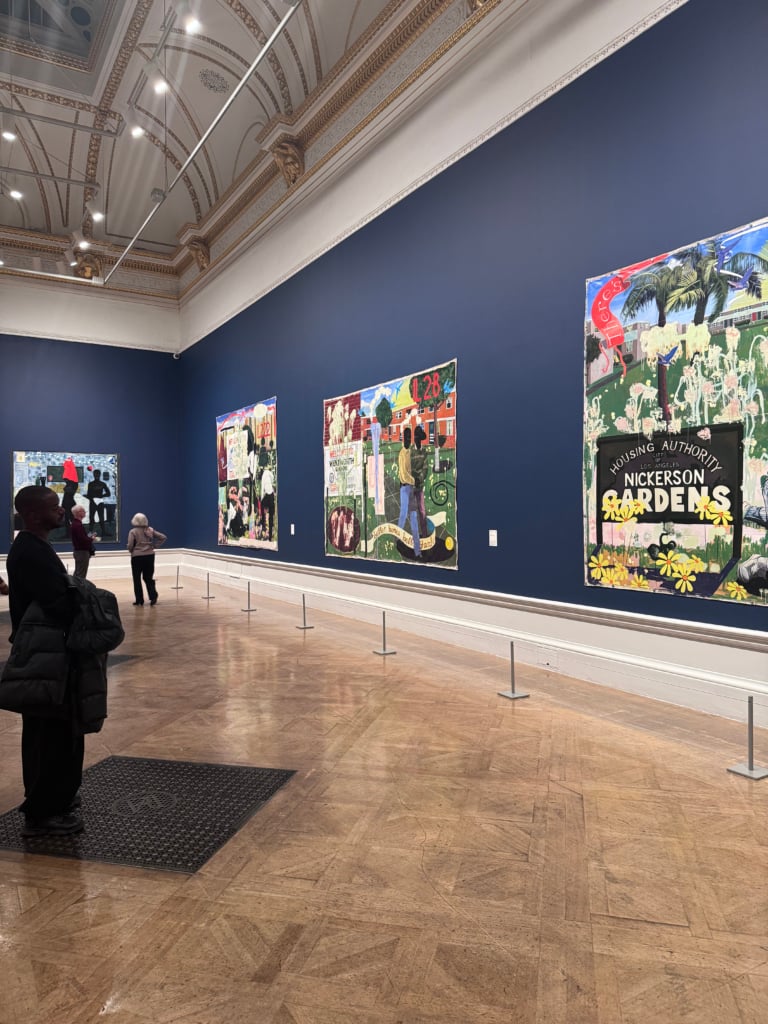
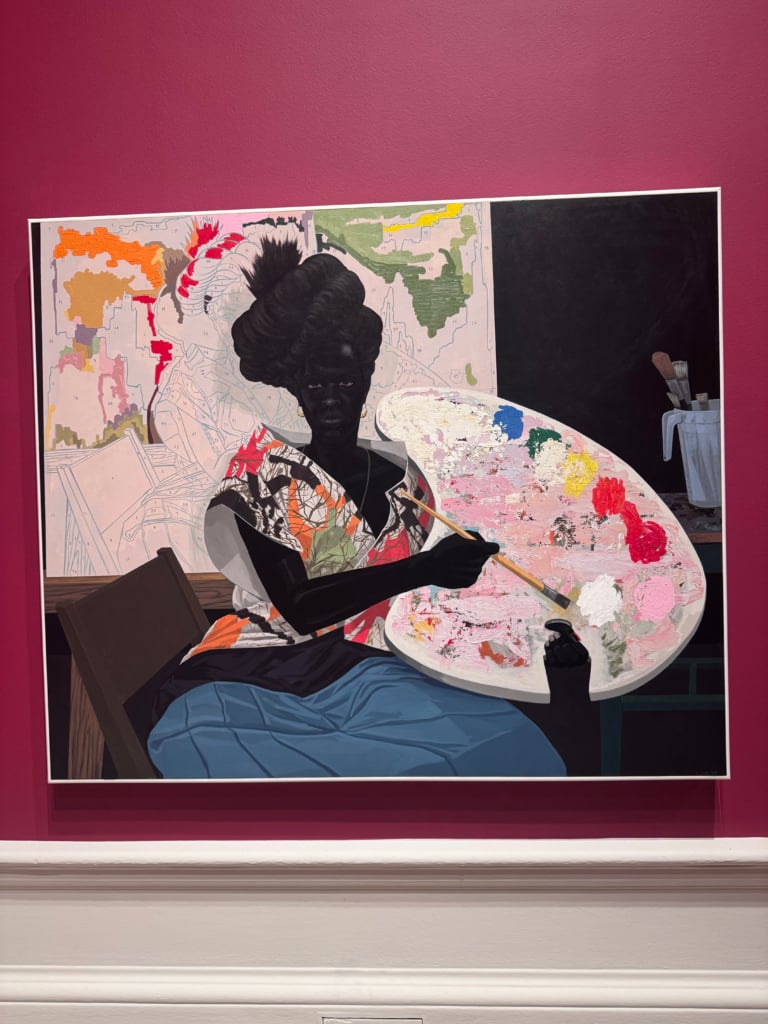
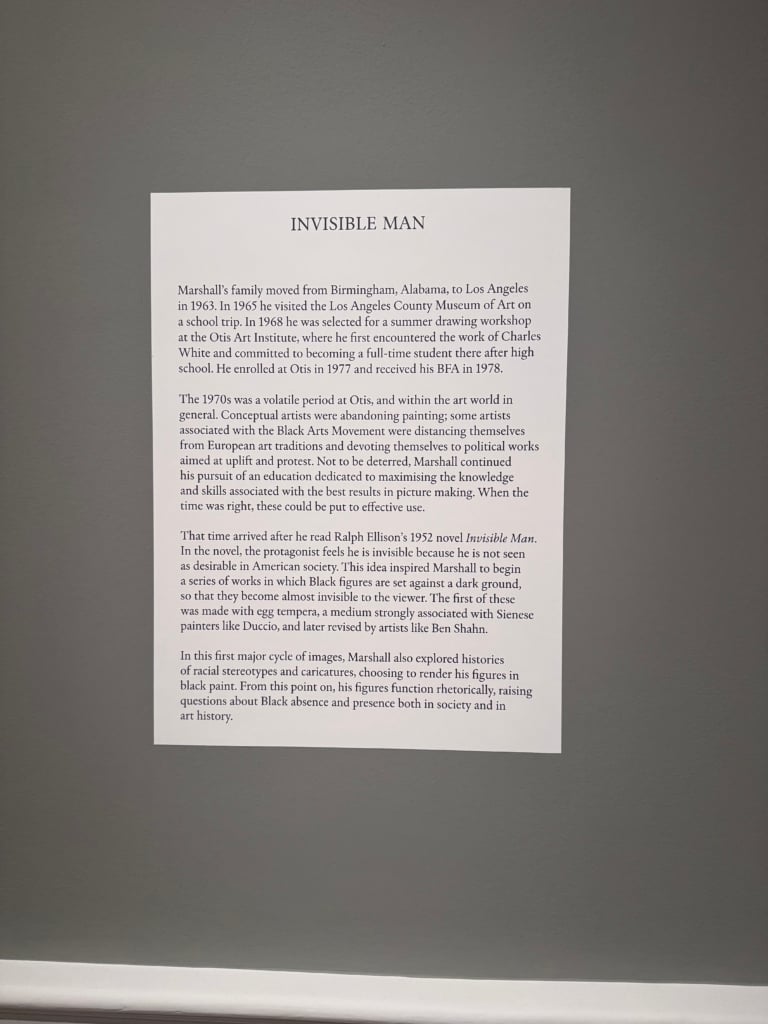
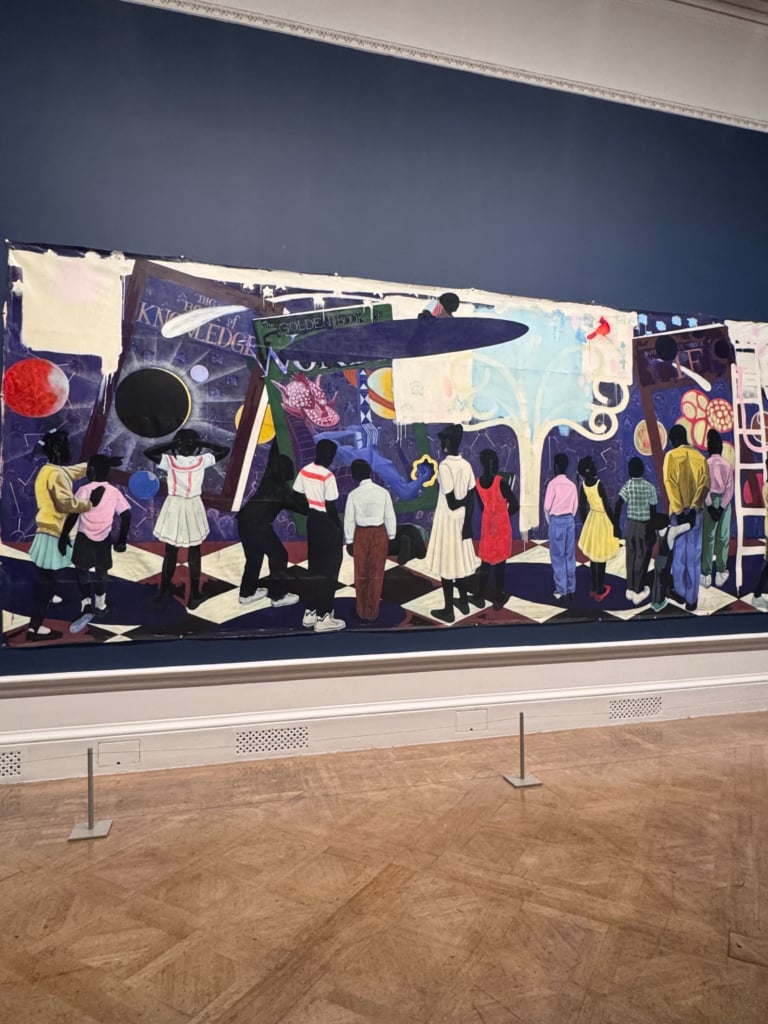
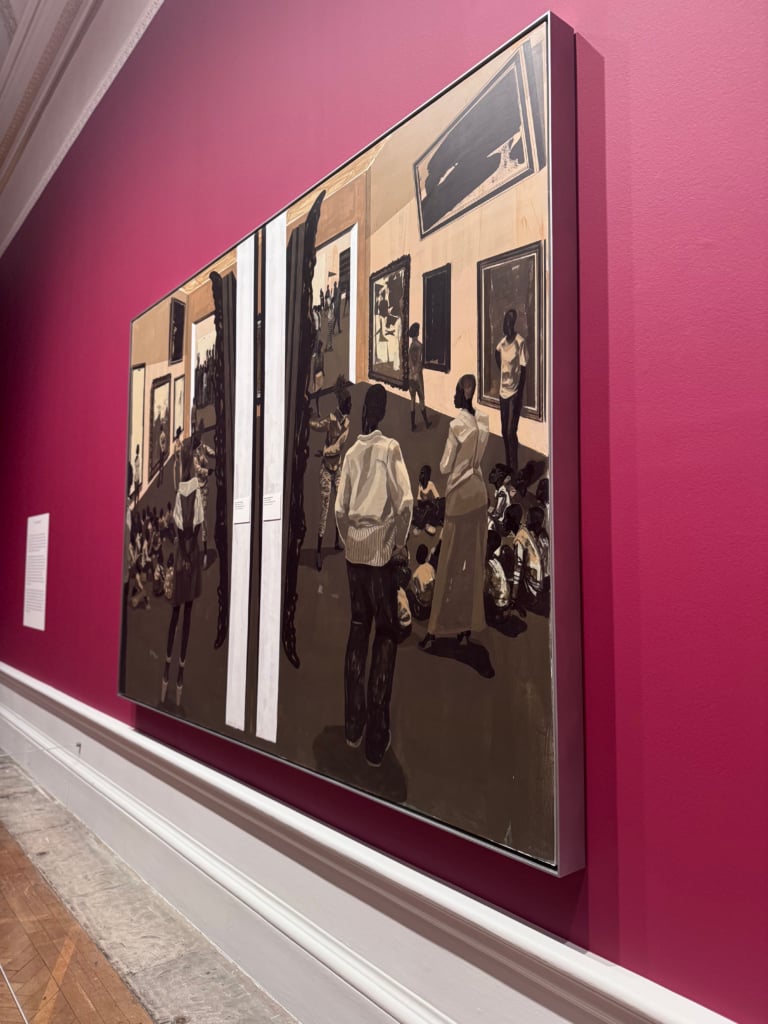
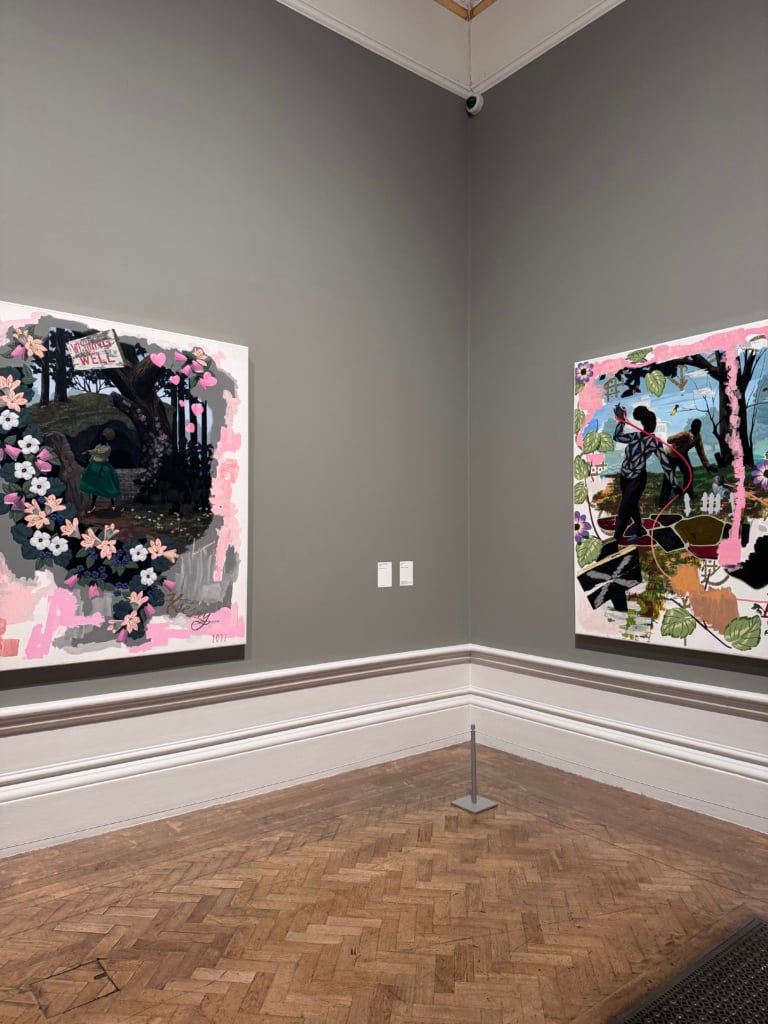
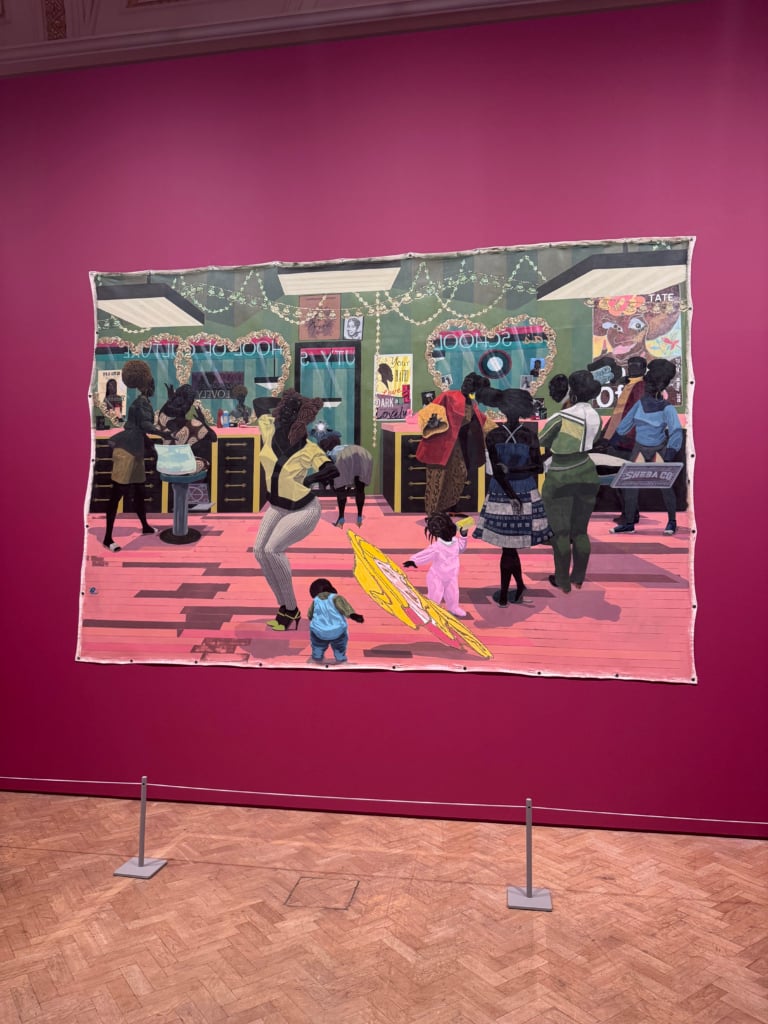
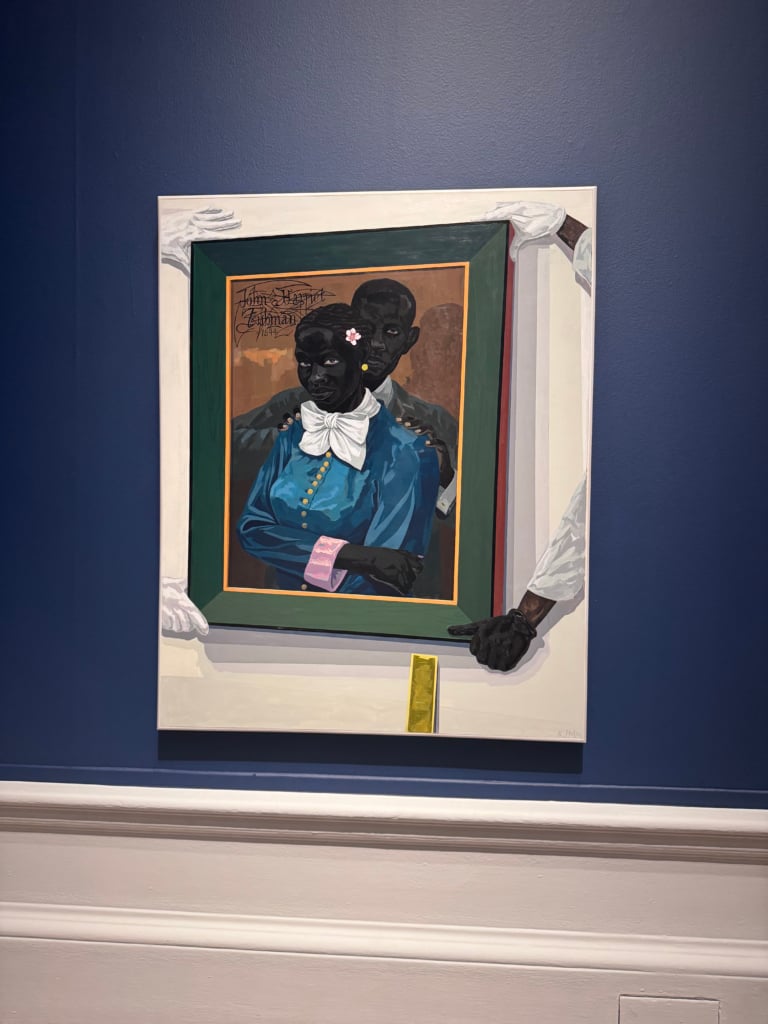
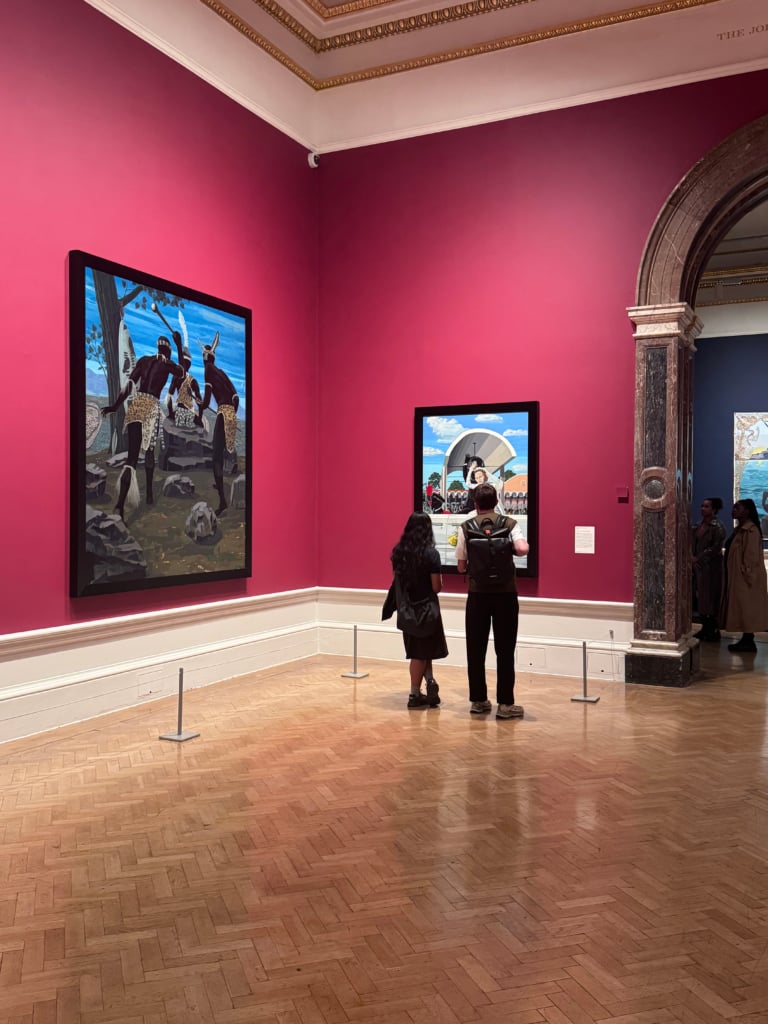
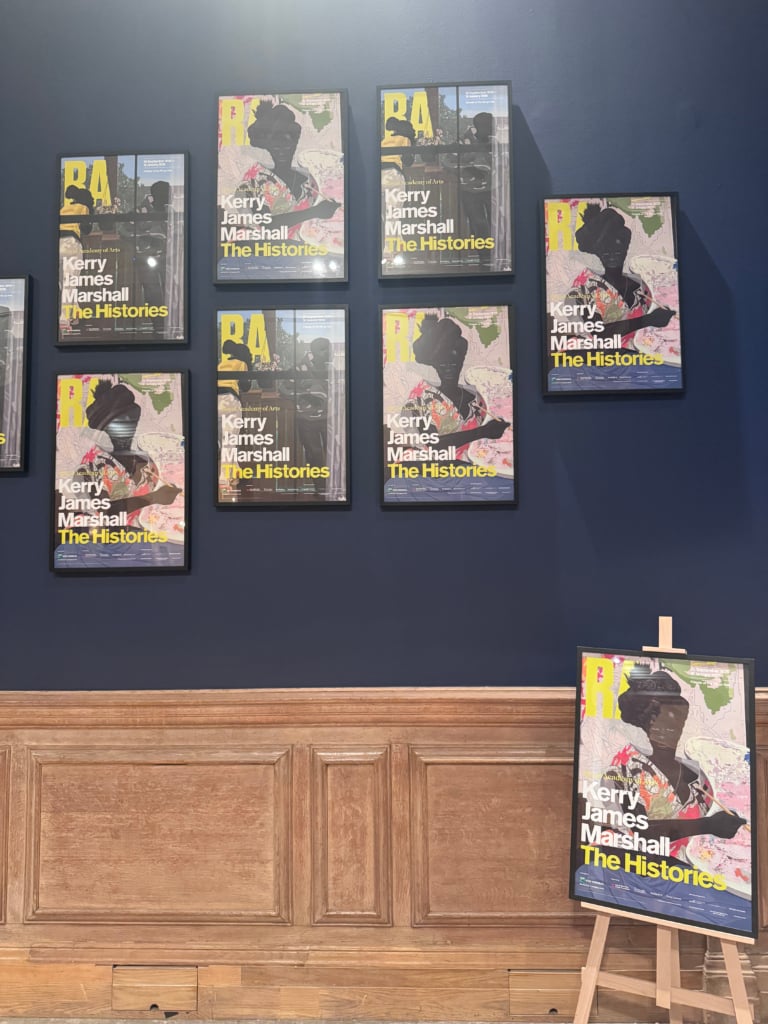
We were also given the incredible opportunity to visit the Kerry James Marshall: The Histories exhibition. Marshall, known for his powerful, figurative paintings that unapologetically centre Black life, reimagines Western art traditions through a Black lens.
Spanning 45 years of work, the exhibition explores eleven distinct cycles – from portraiture and landscape to historical scenes and contemporary political commentary. His pieces chronicle moments of Black history from the Middle Passage and slave rebellions to the Civil Rights and Black Power movements, transforming the genres of Western painting in the process.
If you haven’t yet visited, the exhibition runs until 18 January next year – and if you’re 25 & under, tickets are half price! Find out more and book tickets here.
Big thank you to everyone who attended, Royal Academy of Arts for hosting and 2bornot2b Collective for the incredible creative workshop!
“Consume as much as possible… an idea can come from anywhere.” – Olivia Evans
Have you ever wanted to know how TV ideas are born, how to craft the perfect pitch, or what really goes into making the sizzle reel that sells a show?
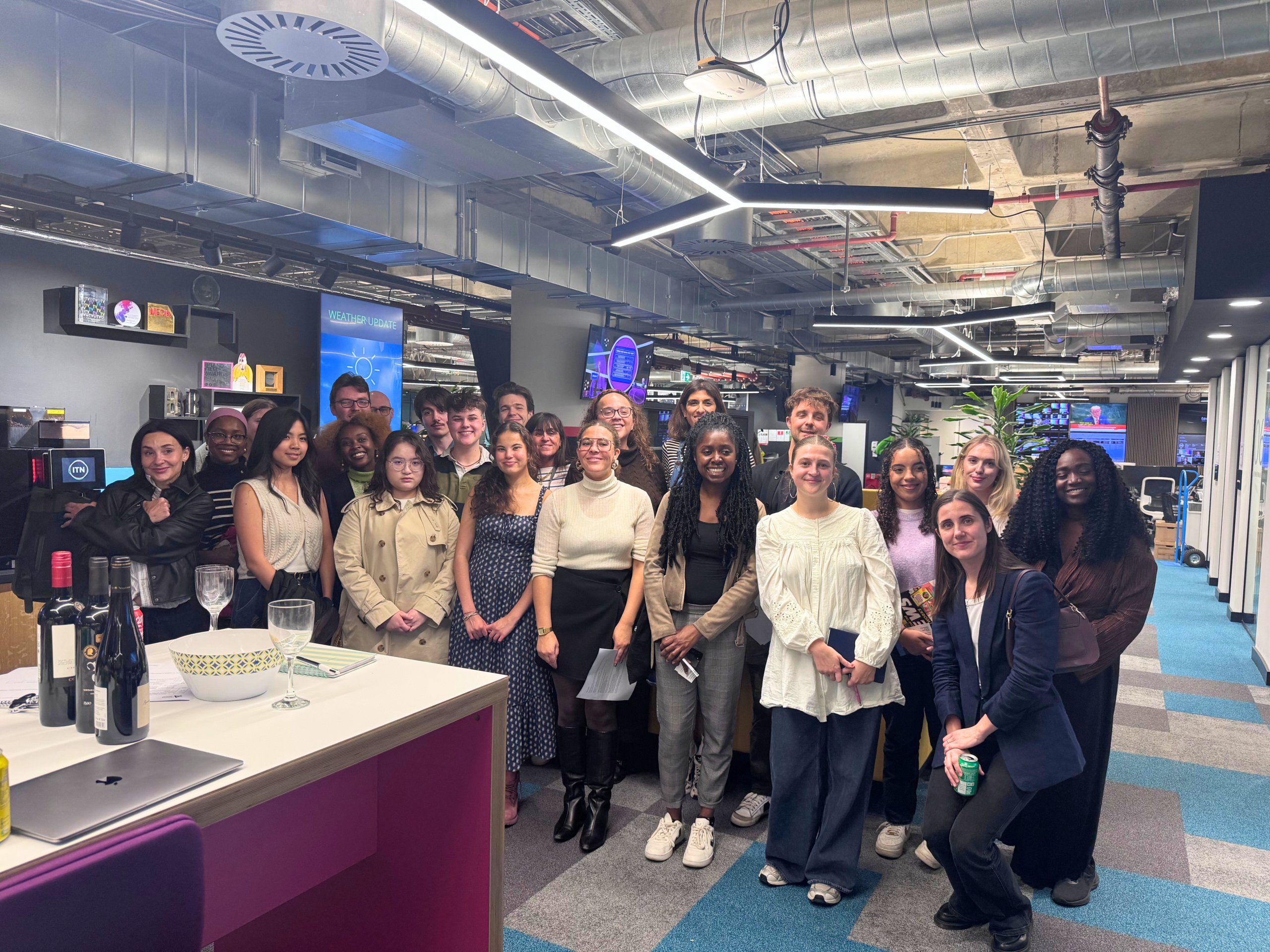
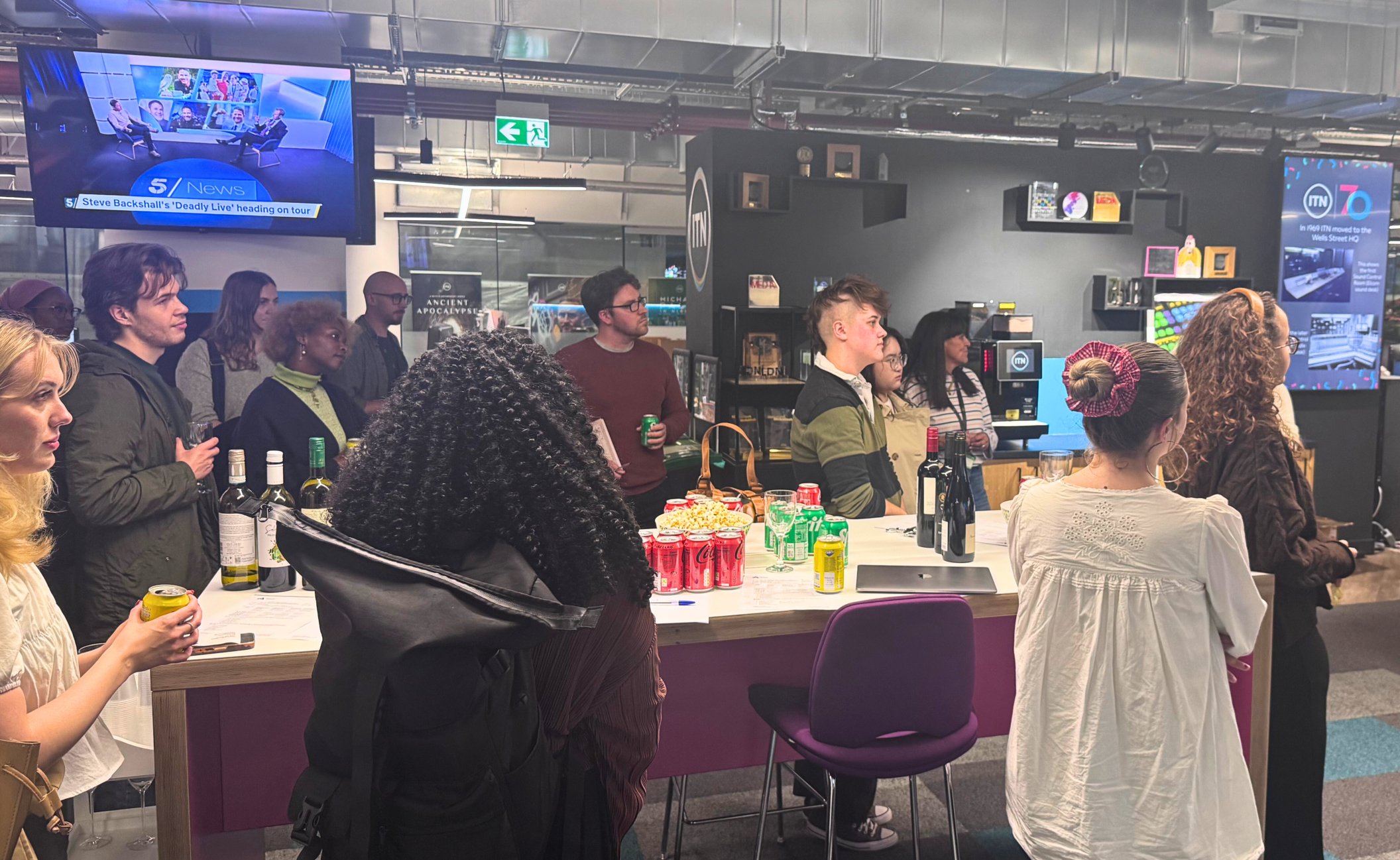
At our latest Creative Access Masterclass, we partnered with ITN Productions, the award-winning production company behind some of the UK’s most compelling documentaries and factual programmes. The evening gave our community a behind-the-scenes look at how it all happens. Across four sessions, ITN leaders shared their insights on development, pitching, editing, digital, and career progression – offering practical advice and candid reflections from inside the world of television.
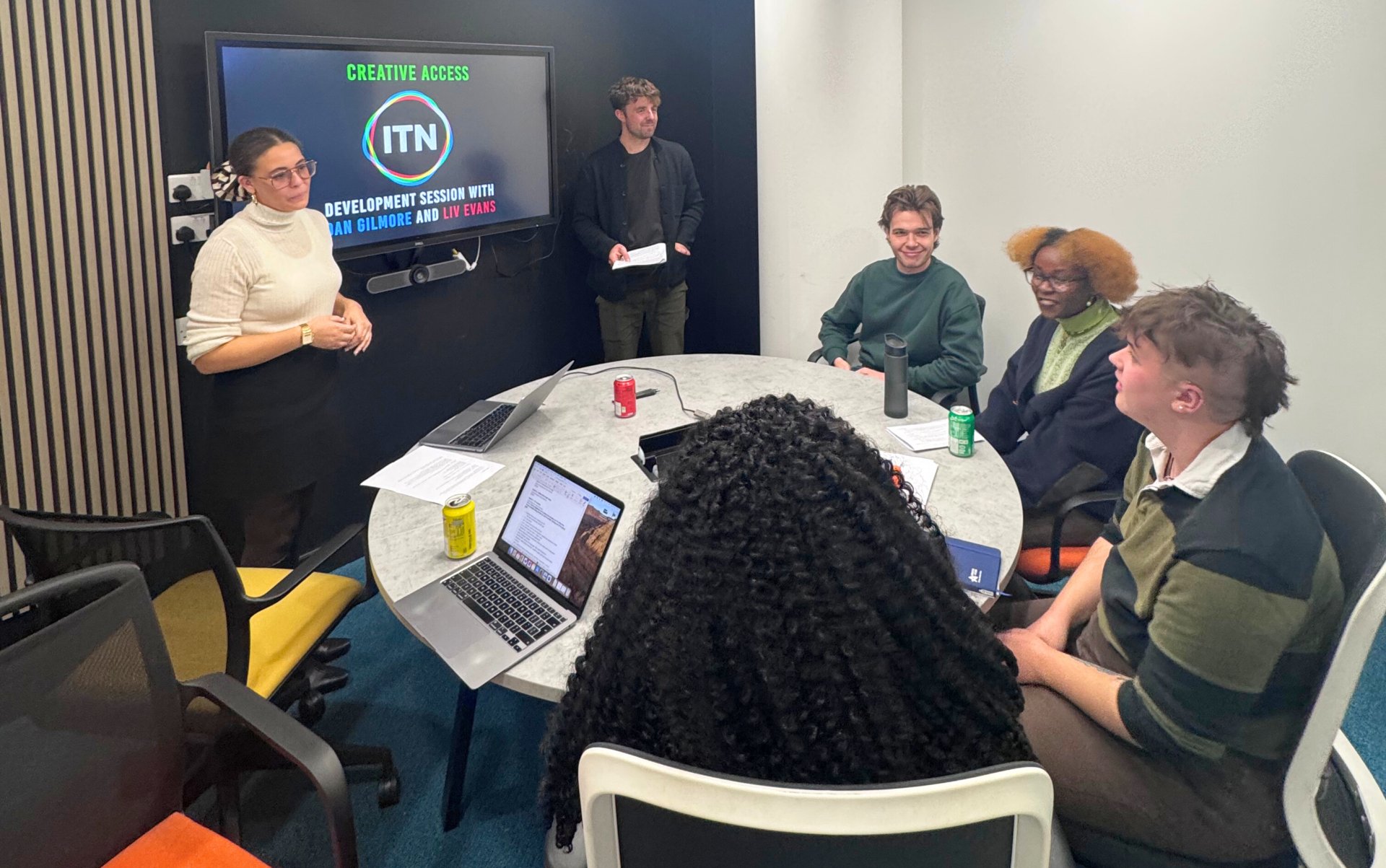
Session 1: Development & Pitching
Led by Daniel Gilmore (Head of Development) and Olivia Evans (International Development Producer), this session explored how ideas are generated, researched, and pitched before they ever reach the screen.
From podcasts and social media to casual conversations, Olivia explained that inspiration is everywhere if you stay curious. Daniel emphasised the importance of knowing your audience: every broadcaster has different needs, and tailoring your pitch accordingly is essential. The pair also discussed dealing with rejection, having faith in your idea, and keeping your enthusiasm alive.
When asked what it really takes to build a career in development, Daniel advised: ‘Have faith in your idea, be able to deal with rejection… always be passionate and enthusiastic.”
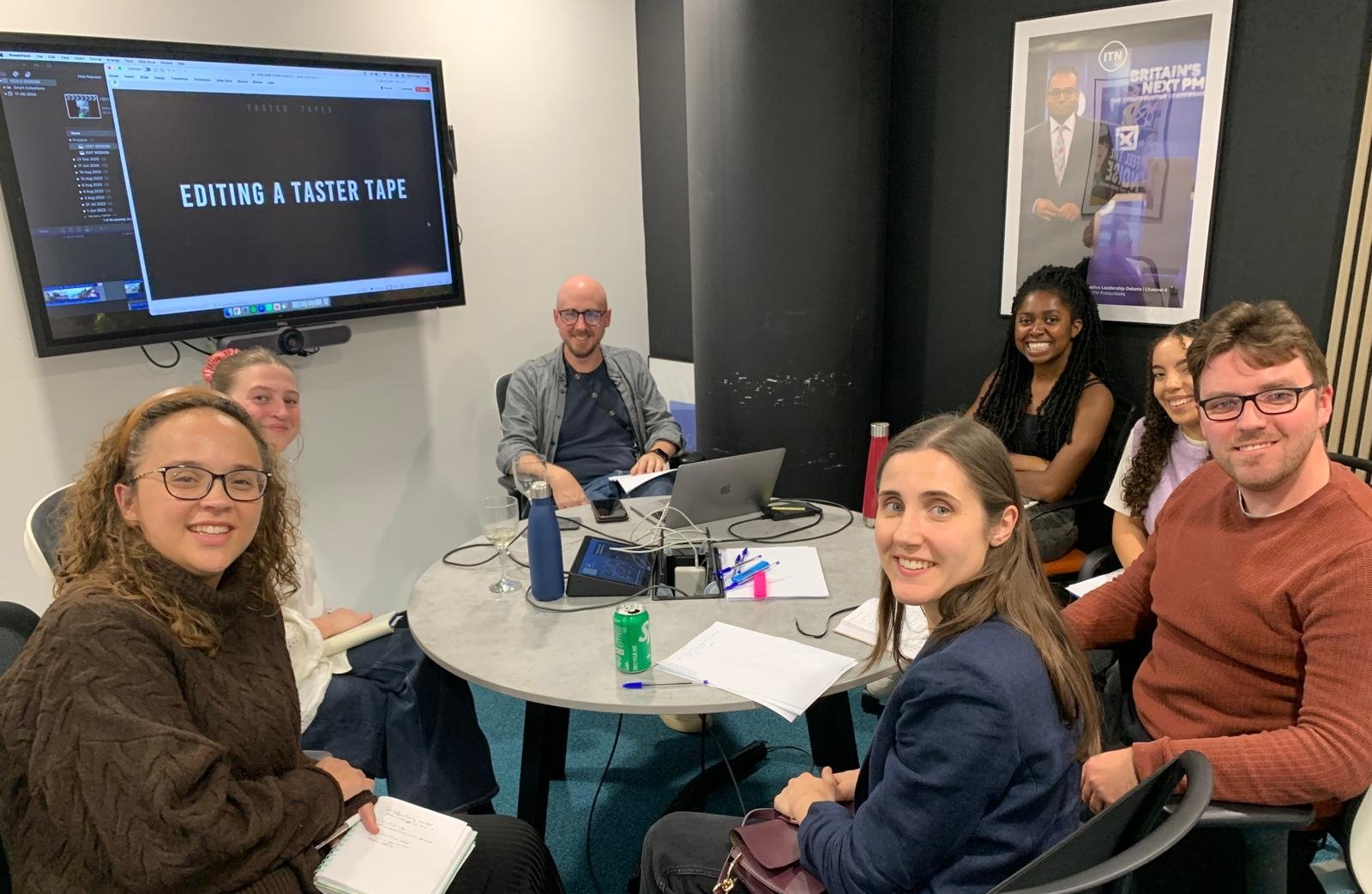
Session 2: Editing Sizzles & Taster Tapes
Patrick Holland (Development Coordinator) guided participants through the art of the sizzle which are short taster reels that can either make or break a pitch.
“Don’t save your killer quote until the end.” – Patrick Holland
Patrick reminded us that impact needs to land early, with music, visuals, and motion playing a crucial role in grabbing attention. He also stressed the importance of proof of concept, from sourcing archive material to creating mood boards. The attendees were encouraged to always get feedback before sending a tape out.
Session 3: CV Clinic
For the third session, Zara McFadden (Talent Executive) led a practical workshop on how to craft a CV that reflects your brand and stands out in the creative industries.
“Don’t be frightened – you’re going to be changing your CV all the time. Running your CV is a job in itself.” – Zara McFadden
Zara shared advice on layout, clarity, and tailoring each CV to the role you’re applying for. She highlighted the value of including showreel links, technical skills, and well-chosen personal interests, while warning against over-padding or overlooking spelling and grammar.
Session 4: Short Form & Digital
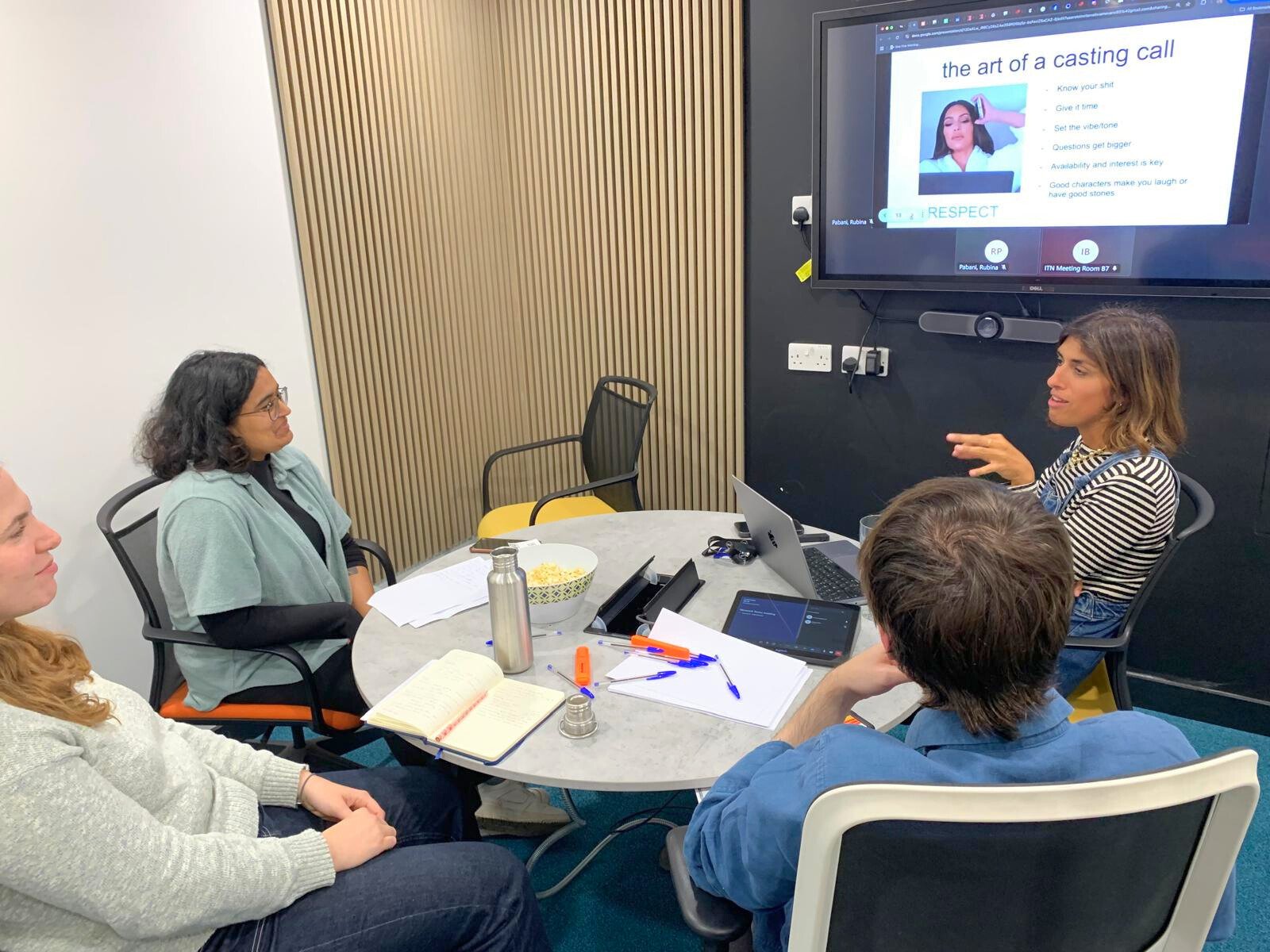
In the final session, Rubina Pabani (Head of Short Form/Digital) explored the opportunities and challenges of making digital content.
“Rejection is always good for you.” – Rubina Pabani
Rubina encouraged attendees to focus on audiences first and see rejection as part of the creative process. She also spoke about the art of casting, the power of conversation, and the creativity that comes from starting small in the digital space.
Practical tips included design, pitching and casting – giving relationships time to develop and choosing characters who make you laugh or tell compelling stories. Rubina emphasised using available resources and learning skills independently, from colour grading to sound design. Even ideas that start from nothing can grow into impactful content, and diverse stories are more important than ever.
A huge shout out to ITN Productions and to Dan, Olivia, Patrick, Zara, and Rubina for such an inspiring evening. And thank you to everyone in the Creative Access community who joined us!
‘Creative Access co-founder JOSIE DOBRIN is to head up the board at the Association of Illustrators (AOI)‘ reports Arts Professional.