
For the first time, the work of ambassadors for the programme is being recognised with a formal accreditation badge spotlighting their efforts.
There are two badges that can be issued: Champion badges and Leader badges.
The Champion badge recognises organisations or people who work with young people on the ground, as part of Discover Creative Careers, to open up pathways, share knowledge and inspire the next generation. Organisations already accredited with the Champion badge include BAFTA, THE HOUSE OF RADHA and Shakespeare North Playhouse.
The Leader badge celebrates organisations or people who make strategic impact at local or national levels to improve policy, local infrastructure or opportunities for young people. The National Saturday Club, Premier League, Northern Ireland Arts Council and Creative Edinburgh are the first organisations to have been accredited with the Leader badge.
Discover Creative Careers is delivered by the Creative Careers Collective, a national consortium comprising Futures For All (lead partner), Creative UK and Creative Access.
Reports British Cinematographer.
Creative Access, the UK’s leading inclusivity organisation in the creative industries, is proud to announce the launch of a brand new 12-month pilot employability programme supported by BBC Children in Need We Move FWD Academy. This new pilot employability programme will support young Black people aged 16–21 to build confidence, develop skills, grow their networks and access meaningful paid opportunities.
We Move FWD Academy is delivered through three specialist partners: Creative Access, Jamal Edwards Self Belief Trust and 2–3 Degrees, each bringing trusted expertise in youth development, creative industries, employability and employer engagement. Creative Access will lead on opening up pathways into the creative industries across the UK specifically, delivering career support, networking and paid opportunities.
Participants will take part in a six-stage journey, from workshops and employer insight sessions to networking and career development, alongside support to access paid pathways including work experience placements. The programme will roll out across four regional waves, beginning with London and the South East from October 2026, followed by the North and Midlands, Wales and South West, and Scotland until September 2027.
Stef Hall, director of talent and outreach at Creative Access, said:
“We’re delighted to be partnering with BBC Children in Need’s We Move FWD Academy on this important work. It builds on our long-standing track record of widening access to the creative industries, supporting young Black talent to uncover the confidence, skills and paid pathways to build real careers across the UK.”
Alex Holmes OBE, director at BBC Children in Need, said:
“We Move FWD Academy is about recognising that young Black people are already talented, ambitious and creative, but too often access, networks and opportunity are not equally available. Through this partnership with Creative Access, we want to help young people build confidence, develop skills, grow their networks and access meaningful paid pathways into the creative industries. This pilot is an important next step in our We Move FWD commitment: backing Black talent, challenging barriers, and learning what works so we can create even more opportunities in the future.”
The Academy will also work with employers and corporate partners who can play a key role through hosting an induction day or offering a minimum 10-day paid work experience placement. Interested in getting involved? Contact the Creative Access team to find out more.
Everyone I’ve encountered – after I told them in my hometown of Lancashire – were completely shocked when I expressed quite confidently that I wanted to work in the book publishing world. They would said something like “Y’know, Book Publishing? Eh, ain’t that what poshos down South do?” It was as though I’d told them I wanted to climb Mount Everest on a pogo stick; I didn’t want them to think I was a quitter, and perhaps I too had listened to too much of Miley Cyrus’ The Climb when I thought I’d do whatever I could to make it into the world of storytelling. After all, a childhood of bullying and being “different” meant I felt the safest when I was able to soak into each of the wonderful novelist’s books I would keep flicking through the pages off, sometimes past midnight.

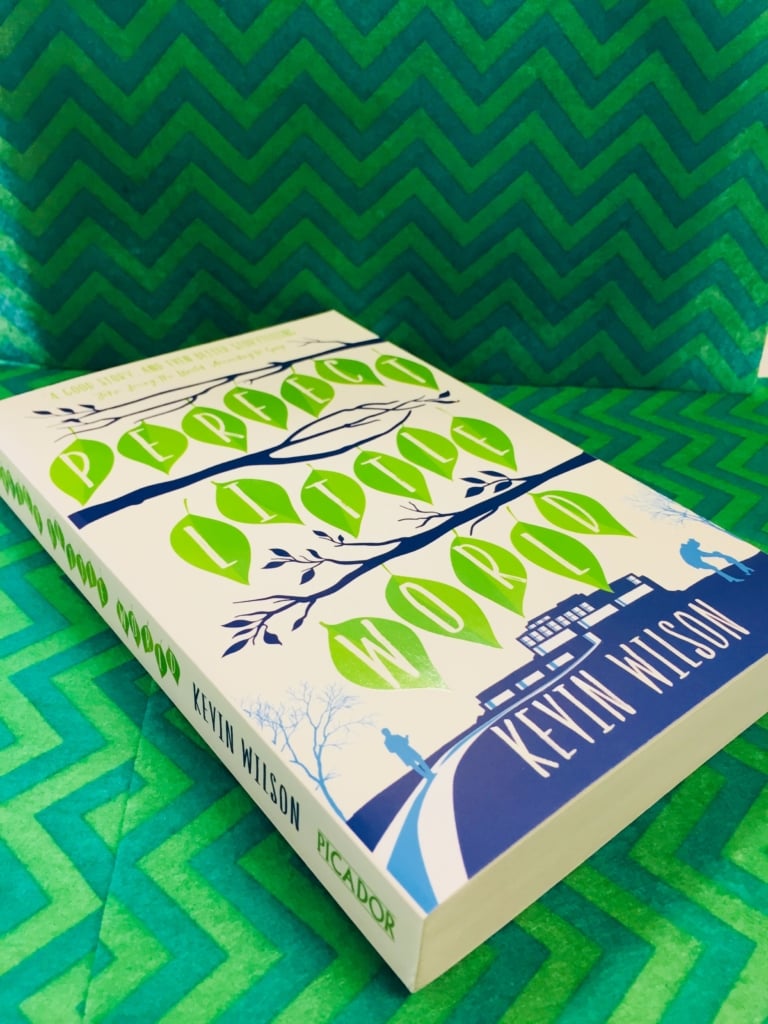
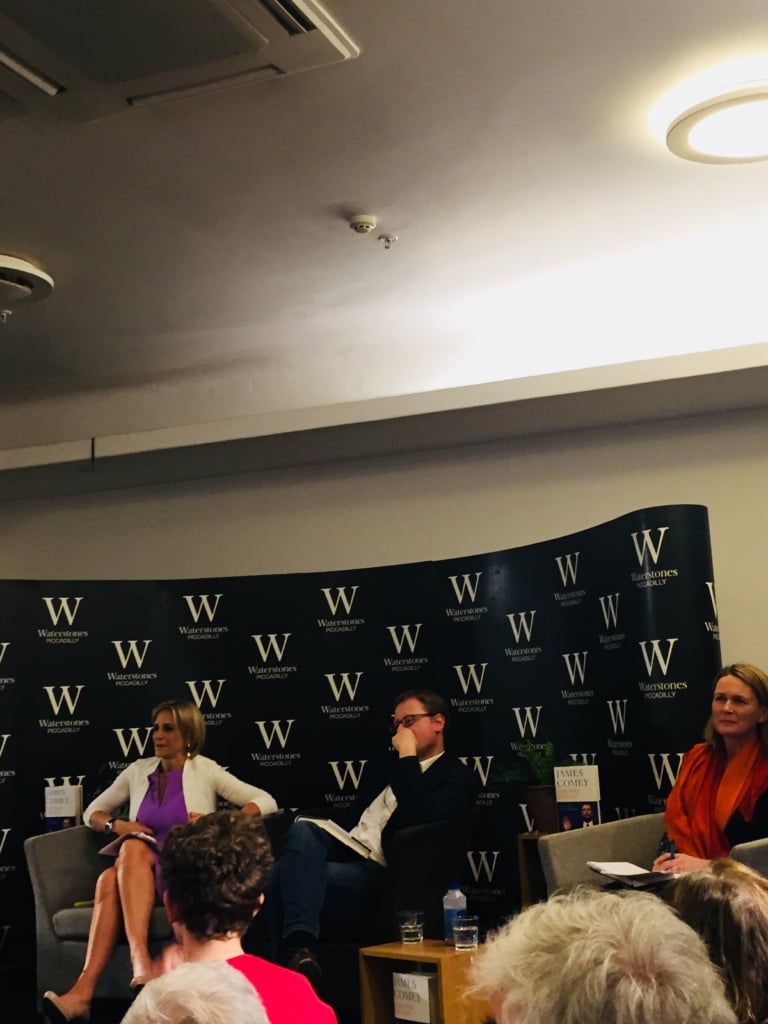

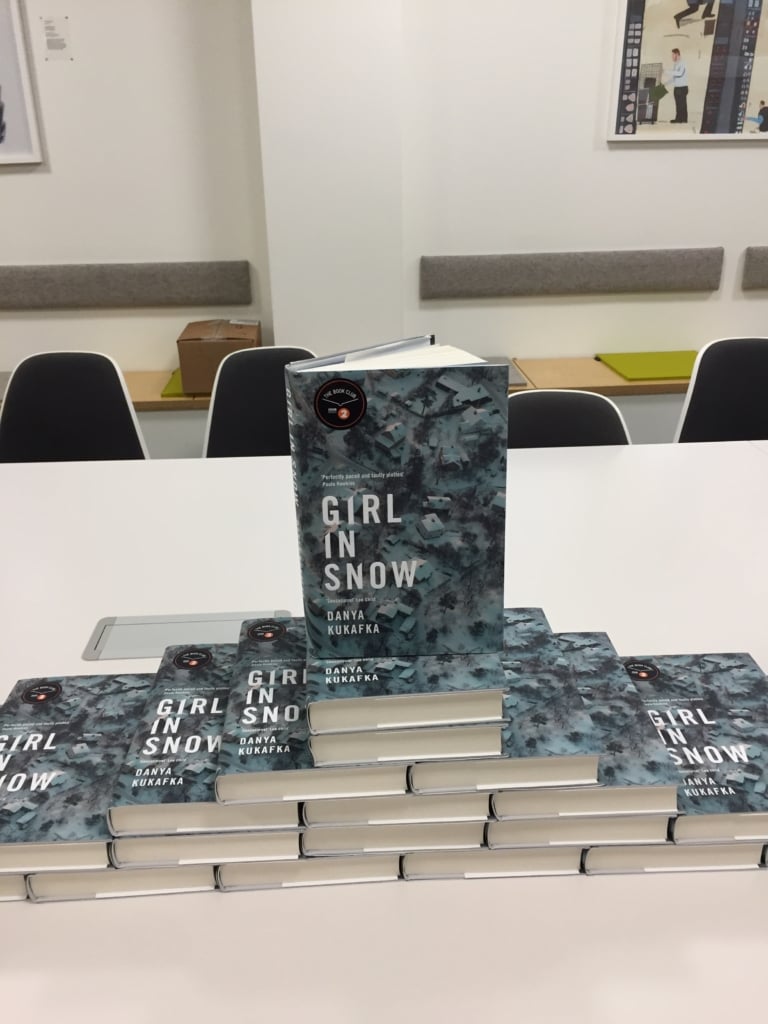
I’ll wind it back to the early ‘90s, where I grew up in a small northern town called Accrington. Every Saturday morning, without fail, I’d channel my inner Matilda Wormwood from Roald Dahl’s Matilda, harking with a trolley from a book to take home as a child at the local library. Fun fact for you: it was the same library which was created in 1904 when industrialist and philanthropist American Andrew Carnegie offered the town £7,500 for the building of a new library. In short, if it wasn’t for Carnegie (who also the New York Carnegie hall is named after, in case you’re wondering!) I’d perhaps would not have had a love for books. It was in this library that I was lost into the world of books. The wonderful stories of Cathy MacPhail, Jeremy Strong, Derek Landy, Anthony Horowitz and Jill Murphy.
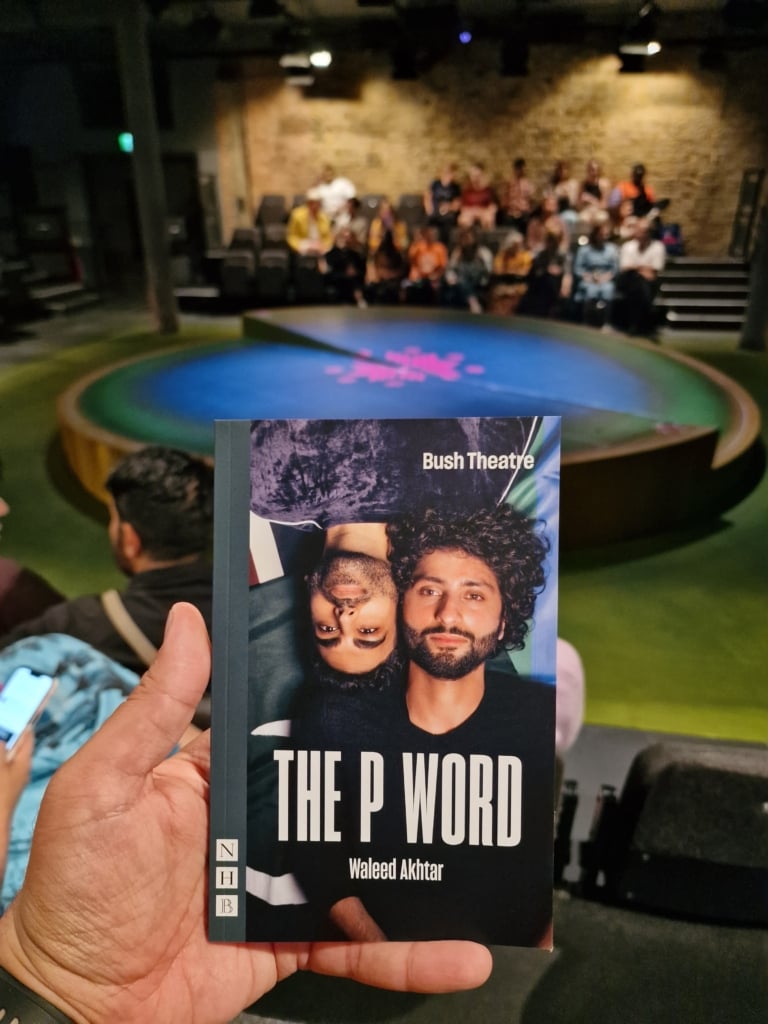
I first came across Creative Access when I was living in Beijing, believe it or not. I was overseas in the country where a course in Mandarin was offered to me on a scholarship and I leapt at the chance to take it. This meant that after I graduated with my BA (Hons) from English and American Literature at the University of Kent, I was able to secure a year in a totally different country.
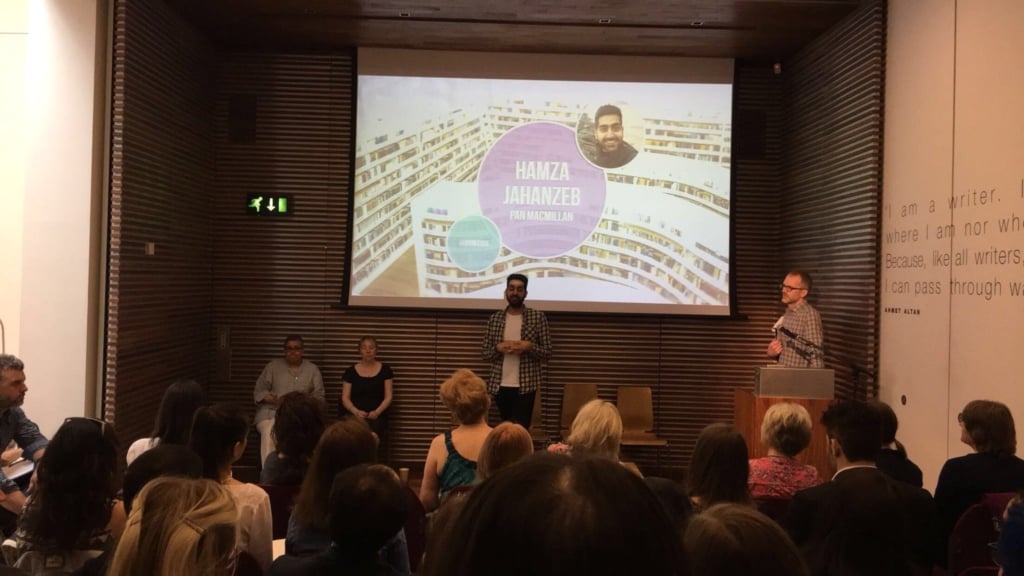
Whilst on the study abroad year, I found myself wanting to really make sure I had a good chance of obtaining an entry-level job in book publishing. In fact, in my second semester I asked about interning at Penguin Books’ China branch so that I could get some experience under my belt. And phew, the dues paid off! After months of searching and exploring the vast breadth of China, I was ready to start in a book publishing company. I was only a week into working in an admin job at the Civil Service when I was signposted to an internship role, working in digital marketing at Pan Macmillan, one of the ‘Big 4’ publishers. I handed my notice after two weeks as bingo – after hundreds of applications and many interviews – I finally landed my first ever UK-based publishing role. Via the unpaid internship overseas, meaning it was just totally a long slog. I made it! I learned so much, and I felt nice to finally get my teeny tiny toe through the door. The internship was brilliant, as I had the most incredibly understanding HR team (thanks, Raakhi!) and learnt a lot about the entire publishing process through my managers Tom and Andy. I also was able to see that I didn’t want to work in digital marketing and landed an editorial role after.
After ten years of working in the book publishing (both trade and academic), I set off on my own path. I realised that I had learned as much as I could have, so have set up my own editorial and marketing/PR consultancy. I love being able to work with cool authors, as well as now having expanded into theatre and the creative arts industry generally.
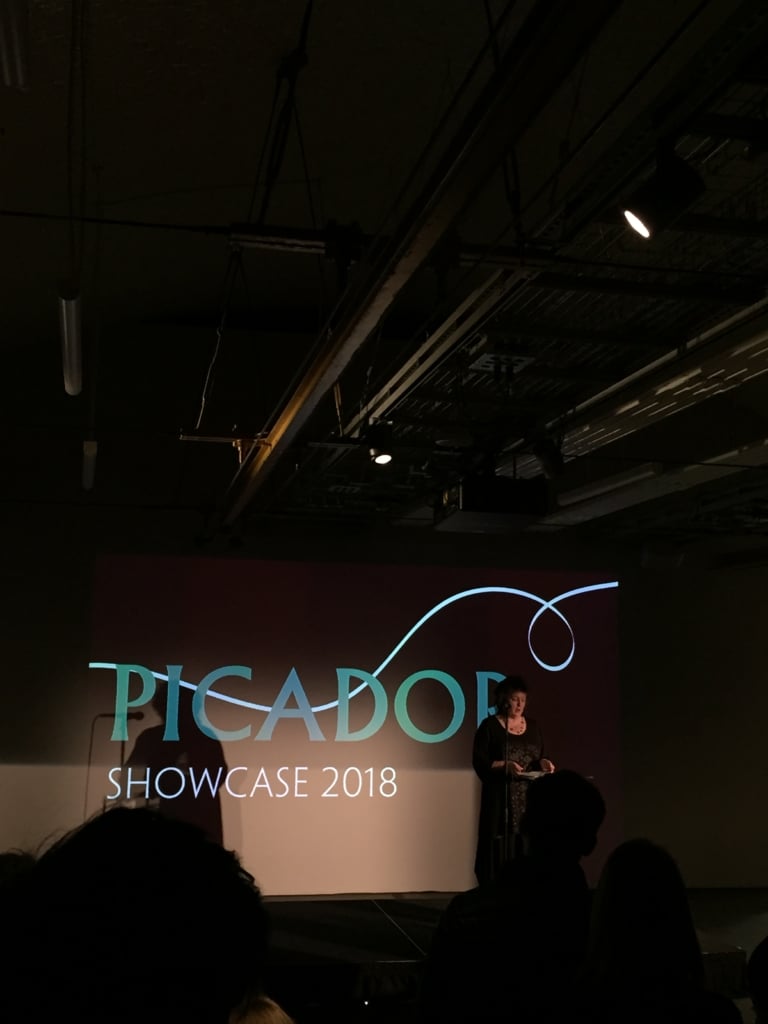
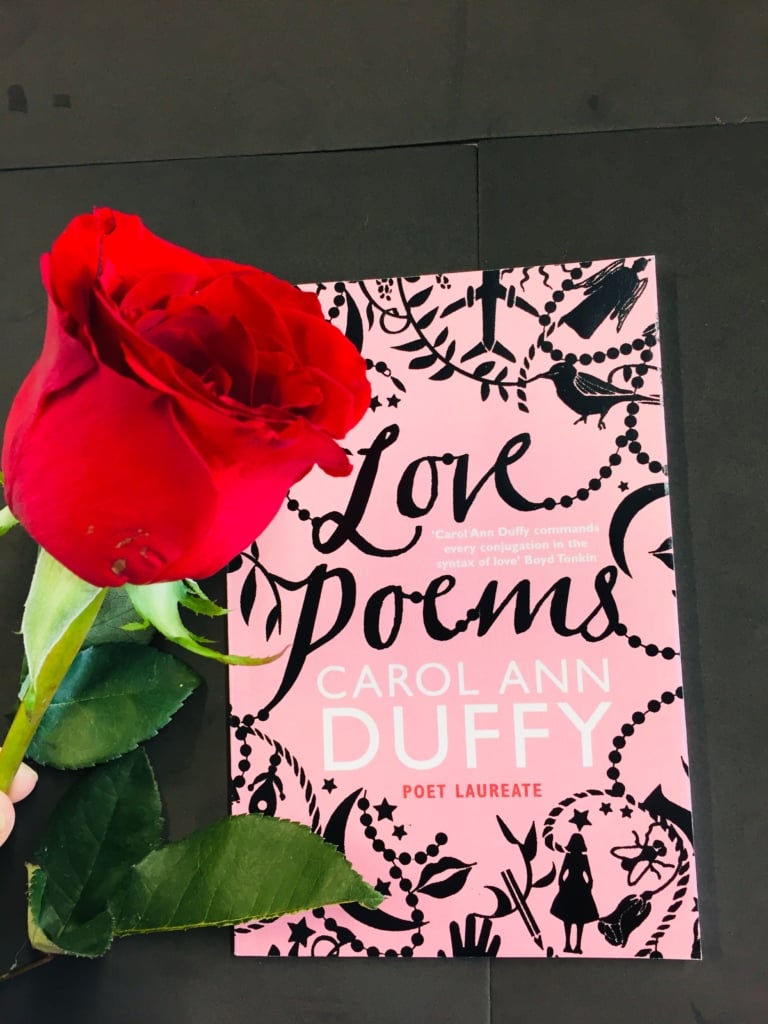
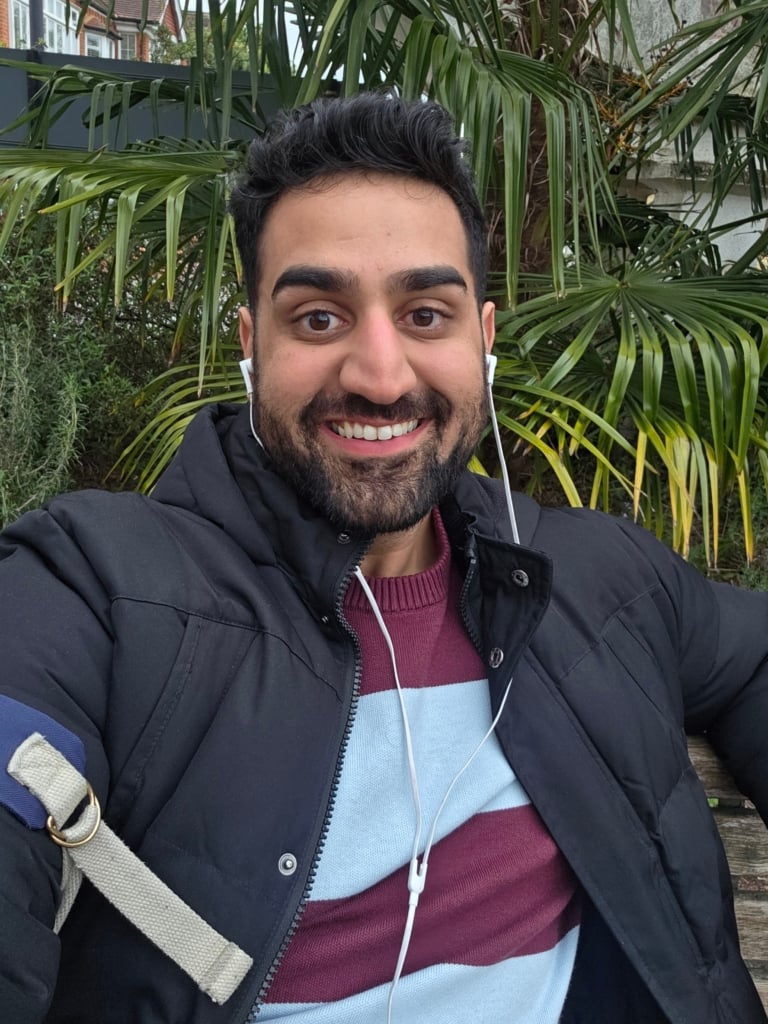
My advice:
Keep going, interns! I was once you: in fact, I was the 800th Creative Access intern. It was a real joy to have had the Creative Access team part of my journey. I really hope you will flourish and see the creative path you were destined to take.
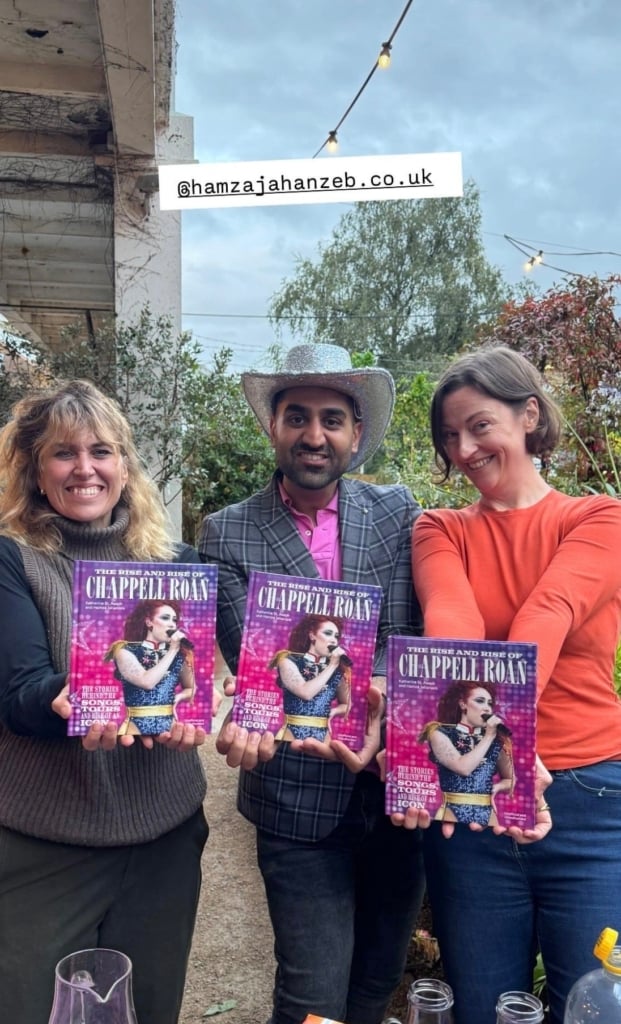
You can keep in touch with Hamza and follow their site hamzajahanzeb.co.uk:
The Mo Siewcharran Fund is delighted to announce the latest recipients of four new grant awards: thriving community beacon, Park Theatre; historic independent theatre, The Old Vic; bold live events producers, Trigger Productions; and Hurst Publishers, a groundbreaking non-fiction independent press.
The Fund continues to champion people from Black, Asian and ethnically diverse backgrounds to pursue careers in publishing, theatre and music by supporting organisations committed to creating meaningful career opportunities.
Each organisation will receive funding towards a six-month paid traineeship, alongside Creative Access’ tailored programme of mentoring, training and career development, helping trainees build the skills, confidence and networks needed to thrive in the creative industries.
The impact of the Fund
With this new round, the Mo Siewcharran Fund will have supported 65 Black, Asian and ethnically diverse trainees to access careers across publishing, theatre and music, since its launch in 2018.
The impact of the programme continues long after each placement ends. 65% of trainees have gone on to secure a role following their traineeship, with 70% remaining in the creative industries.
The programme is also helping organisations build more inclusive workplaces. More than two-thirds of employers said that hosting a trainee through the Fund had improved their skills and confidence in working with colleagues from under-represented backgrounds, supported by initiatives such as inclusive line management training.
Read our impact report for 2022 – 2025 here.
John Seaton, founder of the Mo Siewcharran Memorial Fund, said:
“A twice-yearly highlight for me is the choosing of the companies to benefit from the Mo Siewcharran Intern Fund. Owing to the very high quality of the applicants in the latest round, it was an unusually challenging though rewarding task for the panel. In the end, these four companies stood out for their painstaking but eloquent commitment to bringing about a fairer and more diverse workplace in the Arts. It will be a pleasure working with them; and it remains a constant pleasure working with Creative Access.”
Stef Hall, director of talent and outreach, Creative Access, said:
“We are so thrilled to be partnering with these four organisations to open their doors to new, diverse talent through the generous support from the Mo Siewcharran Fund. The impact of the fund continues to be felt, and previous interns are now thriving in their careers. We look forward to seeing what the future holds for the next round of interns.”
Jez Bond, founding artistic director, Park Theatre, said:
“Park Theatre exists to make theatre and the arts more accessible. We’re thrilled to have the support of the Mo Siewcharran Fund to create a paid internship opportunity within our artistic team, to open up our creative spaces and processes and to bring a new, under-represented voice into the mix.”
Laura Stevenson, executive director, The Old Vic, said:
“We are delighted to have been awarded a grant from the Mo Siewcharran Fund, supporting our long-term commitment to nurturing talent from under-represented backgrounds within the theatre sector. This valuable opportunity will enable a young person aspiring to a career in the arts and cultural sector to gain skills, experience and professional networks through an internship with The Old Vic’s Education and Community team. We look forward to welcoming the intern and supporting them as they take the next step in their career journey.”
Natalie Skidmore, head of finance and operations, Trigger Productions, said:
“We are committed to using our experience to build a diverse and sustainable sector we can all be proud of. We believe this starts with the development of the next generation and that’s why we are delighted to be working with Creative Access to offer a unique traineeship in performance archiving.”
Jess Winstanley, publicist, Hurst Publishers, said:
“We are delighted to have been awarded support from the Mo Siewcharran Memorial Fund, enabling us to partner with Creative Access to host a new trainee at the start of their publishing career. As a publisher committed to reflecting a global readership, welcoming creatives from under-represented backgrounds is key to our mission. We look forward to bringing a vibrant new voice into our team.”
The Fund opens its next grant round
The Mo Siewcharran Fund will once again open for applications from publishing, theatre and music organisations looking to create paid traineeships for people from under-represented communities.
Those interested in applying should download the application form here. Applications for round 1 will close Thursday 26 November 2026, 12 noon.
“Creative Access, the UK’s leading inclusivity organisation in the creative industries, defines underserved communities as a population proven to be under-represented in the sector.” reports Derry Now.
Key findings at a glance:
- More than 4 in 5 respondents are experiencing financial pressure, with two-thirds considering leaving the creative industries
- Individuals receiving Creative Access support are significantly more likely to progress (65%) and feel career optimism (71%)
- Over 70% of employers report using AI, but the majority of workers have received no formal training
- DE&I investment is plateauing, with most employers maintaining spend but fewer increasing year-on-year
- The report signals a growing shift from access challenges to long-term career sustainability and retention risk
The UK creative industries are operating under increasing pressure, with rising living costs, rapid technological change and uneven access to opportunity reshaping how people enter, progress and remain in the sector, according to the latest Thrive report from Creative Access.
Titled ‘Progress under pressure’, the 2026 report shows an industry still evolving, but progress is disproportionately distributed and heavily dependent on access to support, networks and sustained investment.
Drawing on responses from individuals and employers across the creative economy, the findings suggest a clear focus shift is needed: from opening doors to ensuring people can afford to remain and progress in the sector post-entry.
While progress remains visible in pockets – particularly in representation, career development and organisational commitment to inclusion – the report highlights the widening gap between aspiration and lived experience.
The retention challenge
Financial pressure continues to dominate the lived experience of creative workers, with more than four in five respondents reporting economic strain in the past year. Two-thirds say they have considered leaving the industry altogether.
This is particularly pronounced among lower socio-economic groups, disabled creatives and those outside London, where cost, access to networks and geography continue to restrict progression.
Despite this, nearly half of respondents report some form of career progression in the last 12 months, suggesting movement within the sector is still happening, but not consistently or equitably.
Support is driving progression
The data shows a clear divide between those who have accessed Creative Access support and those who have not.
Individuals receiving Creative Access services report stronger outcomes across progression, confidence and career direction:
- 85% say Creative Access has had a significant impact on their career
- 73% feel equipped with the skills and knowledge to progress
- 71% are optimistic about their future careers
- 65% have progressed in the last 12 months
This pattern is especially strong among under-represented groups, where access to structured support is linked to higher confidence, clearer progression routes and improved career sustainability.
Progress is skewed across roles and sectors
While some sectors, including film, TV, publishing and PR, show encouraging signs of progression, the report highlights widening disparities across roles and career stages.
Mid-level professionals are hitting a pressure point, often taking on increased responsibility without equivalent progression or reward, raising concerns about long-term workforce stability and leadership pipelines.
DE&I commitment remains, but investment slows
Employer commitment to diversity, equity and inclusion remains visible, but the pace of investment is slowing.
Most organisations report maintaining existing DE&I spend, while fewer are increasing budgets year-on-year. Structural approaches also remain inconsistent, with many employers still lacking dedicated DE&I leadership or fully embedded strategies.
Despite this, organisations engaging with Creative Access programmes are more likely to report improvements in representation and inclusive practice, suggesting targeted intervention continues to deliver measurable impact.
AI adoption outpaces training and confidence
Generative AI is now widely embedded across creative workplaces, with over 70% of employers reporting use across administrative, research and creative functions.
However, access to training has not kept pace with adoption. Most respondents report no formal AI training, raising concerns about a growing capability gap.
Confidence levels vary significantly across groups, with lower socio-economic backgrounds, disabled creatives and neurodivergent respondents reporting lower levels of confidence and access to support that risk embedding existing inequalities in a rapidly evolving skills landscape.
A sector at a critical juncture
The report concludes the creative industries are no longer facing a simple access challenge, but a broader question of sustainability. Who can realistically build and maintain a long-term career in the sector?
Without action on pay, progression, training and retention, there is a growing risk that mid-career and under-represented talent will leave the industry, weakening future leadership pipelines.
Mel Rodrigues, CEO of Creative Access, said:
“This year’s Thrive report should serve as a wake-up call for the creative industries. We’ve spent years working together to open doors for talented people from under-represented backgrounds, but those gains are now at risk of being undone.
Financial pressure, shrinking investment in inclusion and the rapid pace of technological change are creating a perfect storm. If we don’t act now, we’ll lose experienced, skilled people from our sector at precisely the moment we need them most. This isn’t just an inclusion issue – it’s an economic one.
When talented people can’t afford to stay or can’t see a path to progress, the creative industries lose future leaders, fresh ideas and the diverse perspectives that drive innovation and growth. We simply cannot build a world-leading creative economy while allowing our talent pipeline to leak.
The encouraging news is that this report also shows what works. Organisations that invest intentionally in inclusive recruitment, progression and career development are seeing better outcomes for people and for business. The challenge now is to turn pockets of progress into lasting change.”
Looking ahead
The 2026 Thrive report calls for renewed focus on retention, equitable access to training (particularly in AI), and sustained investment in inclusive career development pathways.
While challenges remain significant, the findings also illuminate a clear opportunity: to move from fragmented progress to a more sustainable, inclusive creative economy built for long-term growth.
Read the full report here.
“The Department for Culture, Media and Sport (DCMS) is investing £7 million into a scheme aimed at widening access to the creative industries,” reports Arts Professional.
Refreshed ‘Discover Creative Careers’ programme launched by new national collective – Futures for All, Creative UK and Creative Access
Hundreds of thousands of young people across the UK are set to benefit from a major UK government-backed careers programme, aimed at widening access to the cultural and creative industries.
Launched today, 16 July 2026, and funded by the Department for Culture, Media and Sport (DCMS) the refreshed Discover Creative Careers programme is aimed at young people aged 11–24, with a particular focus on those from under-represented backgrounds and underserved regions. It is designed to equip the next generation with the ambition, skills and knowledge to build lasting careers across the UK’s world-leading cultural and creative sector.
The programme fulfils a core commitment made in the Creative Industries Sector Plan, and is being delivered by the Creative Careers Collective: a national consortium comprising Futures For All (lead partner), Creative UK and Creative Access. Together, these organisations combine complementary strengths in education, industry engagement, digital delivery and social mobility, to deliver an inclusive national careers programme for young people.
Underpinned by a single UK-wide digital platform, Discover Creative Careers will connect young people with employers and provide a clear route into creative careers – through activity such as work experience, inspirational talks, informative webinars, networking events and more.
The programme will also support teachers, parents, careers advisers and work coaches with the knowledge, resources and employer connections needed to help young people navigate opportunities within the sector.
Activity will run year-round, with focused national moments — including a refreshed UK-wide Discover Month in November.
The Creative Careers Collective is delighted to be partnering on this important programme and is ambitious in its plans to inspire and impact the lives of young people, schools, parents and industry.
Additional delivery partners will work alongside the collective to enhance programme delivery and widen reach across all four nations in the UK. Arts Council Northern Ireland, The National Saturday Club and ATG Entertainment are among those organisations providing vital support in the delivery of Discover Creative Careers outputs for young people.
Commenting on the launch, Creative Industries Minister, Ian Murray, said: “The UK’s creative industries are the envy of the world, but that strength only holds if we engage the breadth of talent this country has to offer. Young people from every corner of the UK have stories worth telling and skills worth developing. Our job is to make sure the path into those industries is open to all of them.
“Discover Creative Careers is exactly the kind of programme that makes that possible. Bringing together employers, educators and young people creates real connections and opportunities to build a creative workforce that truly reflects the country it serves. I’m proud that this Government is funding it, and look forward to working with our new delivery partners.”
Nick Brook, CEO, Futures For All said: “We’re delighted to be leading Discover Creative Careers alongside Creative UK, Creative Access and our wider delivery partners. The UK’s creative industries are among the most dynamic and exciting sectors in the world, yet too many young people struggle to access the experiences, networks and opportunities that can help them build a career within them.
“Discover Creative Careers will bring together schools, employers and industry partners through a single national programme, helping young people gain real-world experience, build confidence and turn their interest in the creative industries into real opportunities.
“By connecting employers with talented young people from every part of the UK, the programme will help open up opportunities, strengthen pathways into the sector and support the future talent pipeline for the creative industries.”
Emily Cloke, CEO, Creative UK, said: “Creative careers are for everyone – not the privileged few. We are delighted to be working in partnership with Futures for All and Creative Access on this important programme to help break down barriers for young people right across the UK, and connect businesses, organisations and practitioners with the next generation of UK creative talent.
“A strong, diverse talent pipeline is essential to our future success, and I am thrilled that the Creative Careers Collective has come together to help fulfil a core Sector Plan commitment – to raise awareness of the magic of creative careers, and support young people from all backgrounds to access them.”
Mel Rodrigues, CEO, Creative Access, said: “Showing a young person that a creative career is possible is incredibly important – but inspiration is only the beginning. The real challenge is helping them turn that ambition into action. At a time when the creative industries are being transformed by technology and new ways of working, young people need meaningful opportunities to build confidence, develop future-facing skills and connect with employers.
That’s why we’re so excited to be part of Discover Creative Careers. Together with our partners, we’re creating clearer pathways into the creative industries, helping more young people build the knowledge, networks and experience they need to succeed, regardless of where they grow up or who they know.”
Notes to Editors
About Futures For All: Futures For All is a social mobility charity and the UK’s largest provider of work experience programmes. Our mission is to ensure every young person has a fair opportunity to explore their potential, regardless of background. We are committed to levelling the playing field by delivering high-quality, impactful experiences of the world of work and inspirational employer engagement in state schools and colleges across the UK. Our programmes demystify career pathways, build confidence and aspiration, and support employers to engage meaningfully with young people who are often the hardest to reach.
About Creative UK: Creative UK is the national membership body for the cultural and creative industries. We exist to champion creativity in its widest form – representing world-leading organisations from sectors as diverse as advertising, animation, architecture, broadcasting, crafts, design, digital, education, fashion, games, heritage, museums, music, performing arts, photography, publishing, theatre, TV, visual art and more. We are an independent not-for-profit, which uses the insight and experience of our members to help shape relevant government policy and advocate for meaningful change. Change that will benefit UK businesses, citizens and communities. Our vision is a world where creativity is valued and recognised as the driving force for our future. We’re so passionate about this that we put our money where our mouth is: through own landmark investment funds, we’ve directly invested millions of pounds into creative businesses over the last decade. Our team is based across the UK, and we work closely with Local and Combined Authorities to support creative talent, whilst delivering hands-on support – spanning business diagnostics, mentoring and investment readiness. Our Filming in England programme is a dedicated and bespoke production programme to feature film and high-end TV productions looking to film in England, outside of London.
About Creative Access: As an independent non-profit, Creative Access’ mission is simple: to see the UK’s creative economy reflect the society it serves. We are the UK’s leading inclusivity organisation in the creative industries. Since 2012, we have been driving change across the sector by creating pathways for under-represented groups and helping organisations build more inclusive cultures. Working across publishing, media, TV, film, theatre, music and the wider creative economy, we deliver recruitment, mentoring, training, consultancy and career development programmes. Our work supports individuals at every stage of their careers and helps organisations attract and retain diverse talent. Creative Access is a trusted voice on representation in the creative industries, producing research which champions equitable opportunities and informs industry action.
Notes to Editors
- Programme delivery will be UK-wide, reaching all nations and regions
- It will aim to deliver more than 678k direct engagements with young people (11-24) over three years.
Delivery of the programme will be mapped across four stages:
Inspire and Inform (ages 11–18): Working in schools and youth settings, the project will provide young people with opportunities to access multi-day work experience in the creative sector, as well as workshops on creative careers, and connections with employers. To ensure the programme reaches rural and remote communities, there will also be a strong digital offer.
Explore and Prepare (16–18): At this critical transition stage, the project will offer pathway guidance – for young people exploring options such as apprenticeships, Higher Education, Further Education, or freelancing. There will also be virtual “Getting a Start” sessions – looking at writing CVs and applications, as well as sessions with employers from specific sectors.
Access and Connect (16+): Post-16, there will be a focus on building industry connections, through a mixture of cross-sector events and encounters with employers and public partners. There will also be specialist support for those looking to build freelance and portfolio careers.
Paid Work and Progression (18+): The programme will support up to 600 paid traineeships with structured progression and wellbeing support. It will also support peer networks to support progression into employment or further study.
“Following the success of its inaugural year, the six-month initiative will once again connect emerging creatives with accomplished mentors from Maya’s professional network, providing career guidance, industry insight and invaluable access to opportunities across nine creative sectors. Developed by Maya in partnership with Creative Access, the programme reflects her ongoing commitment to opening doors for the next generation of creative talent,” reports Odalisque Magazine.
“Developed by Maya in partnership with Creative Access, the programme reflects her ongoing commitment to opening doors for the next generation of creative talent,” reports Imprint.
“She’s [Maya Jama] partnered with social enterprise Creative Access, whose work focuses on helping young people from under-represented backgrounds get opportunities in creative workplaces, to create the scheme,” reports Grazia.
“For documentary filmmaker Olaide Sadiq, the organisation [Creative Access] helped launch an esteemed career marked by critical and industry acclaim. “My experience with them has been foundational to my career in television,” said Sadiq. “They provided not just an entry point, but a community and infrastructure that helped me build confidence and navigate an industry that can often feel difficult to access.”
Starting as an intern through Creative Access, Sadiq built experience working across flagship series at major broadcast TV channels before moving into producing award-winning premium documentaries.
But it was her four-time BAFTA-nominated directorial debut, Grenfell: Uncovered, that marked a major milestone. The film premiered at Sheffield DocFest, where it won the Audience Award, and went on to receive multiple accolades, including wins at the RTS Programme Awards and the Emerging Talent: Factual BAFTA.
Read the full article on Opening doors for creative talent here.
Read the full Creative Economy report here.