
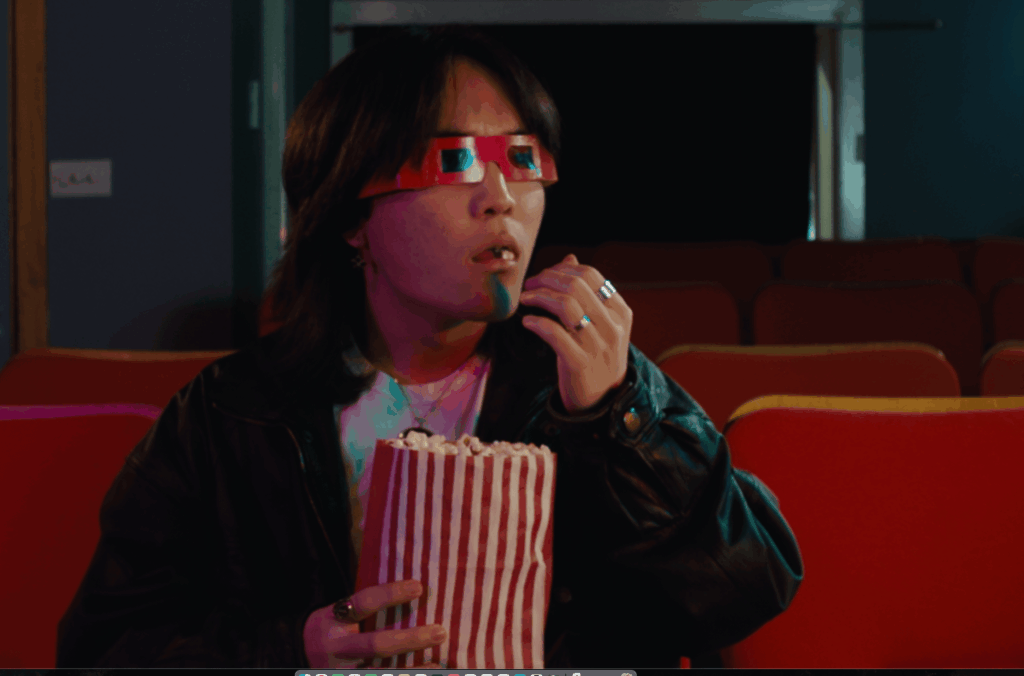
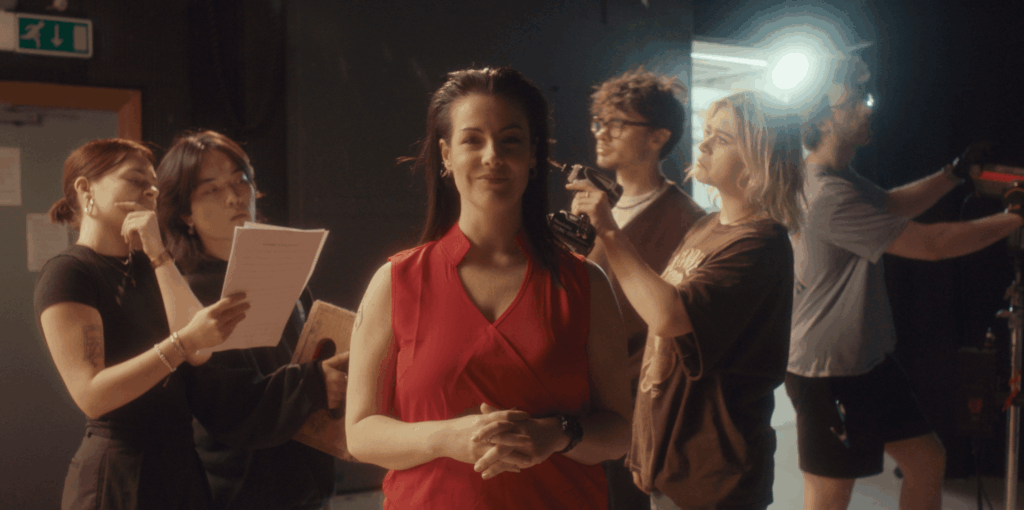
We sat down with Dr Laura Stephenson, senior lecturer in film and course lead for the BA film program at the University of Westminster, to chat about Screen Futures – an initiative designed to make film and television education more accessible to everyone.
So, what exactly is Screen Futures?
“Screen Futures is all about giving everyone a fair shot at studying screen production at university,” Laura explains. “It’s for anyone curious about film or TV school, and it gives a behind-the-scenes look at what admissions teams actually pay attention to in applications.”
The program offers six short videos guiding students through putting together a moving-image portfolio and personal statement. “Even if you’ve only made short films on your phone, these videos show you how to highlight your creativity and storytelling skills.”
Why did you feel it was important to start this initiative?
“Support can make a huge difference,” Laura says. “Some students have parents or teachers in education or the arts, or access to creative networks through clubs and activities. Others might be the first in their family to go to university or go to schools that focus mostly on traditional subjects. For them, applying to film school can feel daunting, or they might not even try at all.”
Screen Futures aims to level the playing field. “We want everyone to feel confident about applying, no matter their background,” she adds.
Why does accessibility and inclusion matter in film schools?
“It’s simple: a more diverse group of students leads to a more diverse workforce. The UK is celebrated for its arts and culture, but many talented screen artists come from privileged backgrounds. By opening doors for students from all walks of life, we can help create a screen industry that’s more representative, and that means more exciting, varied, and meaningful stories on screen.”
What are your top three tips for people applying to film school?
- Show you can work collaboratively
- Don’t be afraid to take creative risks (be bold!)
- Demonstrate you want to make meaningful films about real-world issues
What does a film school application actually need?
“Every school is a little different, but most will ask for a personal statement, usually 2–3 paragraphs explaining why you want to study the course, what experience you already have, and what you can bring to the program. Many will also ask for a short film or moving-image sample. And don’t worry it doesn’t have to be perfect. Even a film made on a phone with free software works, as long as it shows your creativity.”
Where can students find out more?
“It’s all about making screen education open to everyone.”

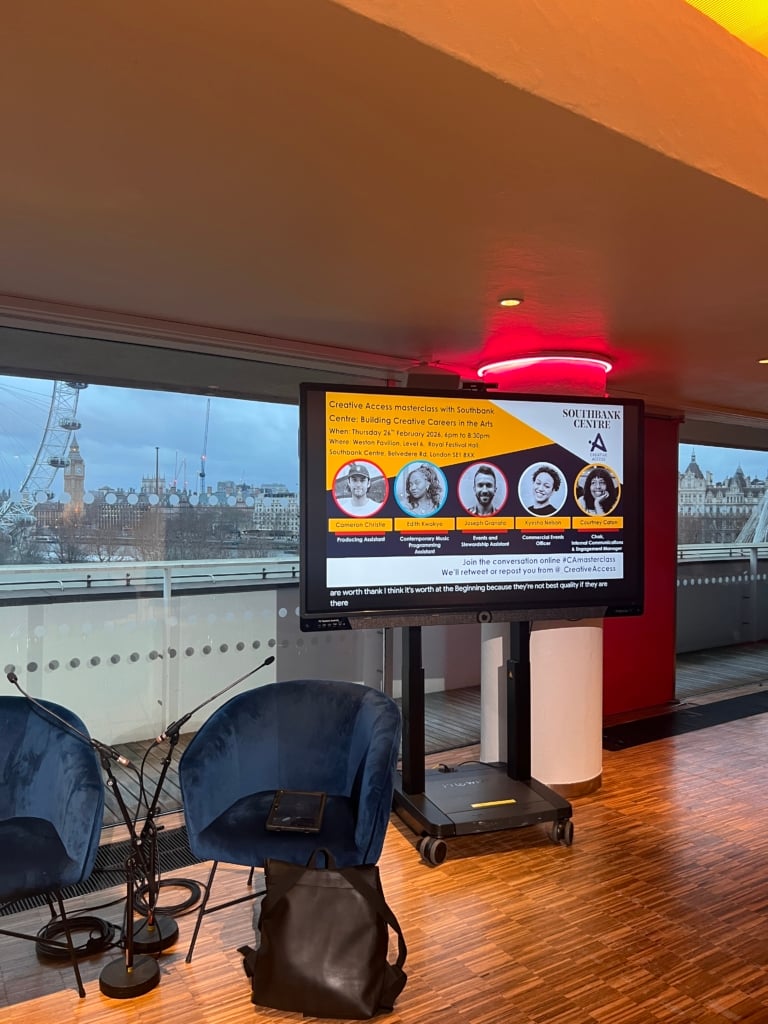
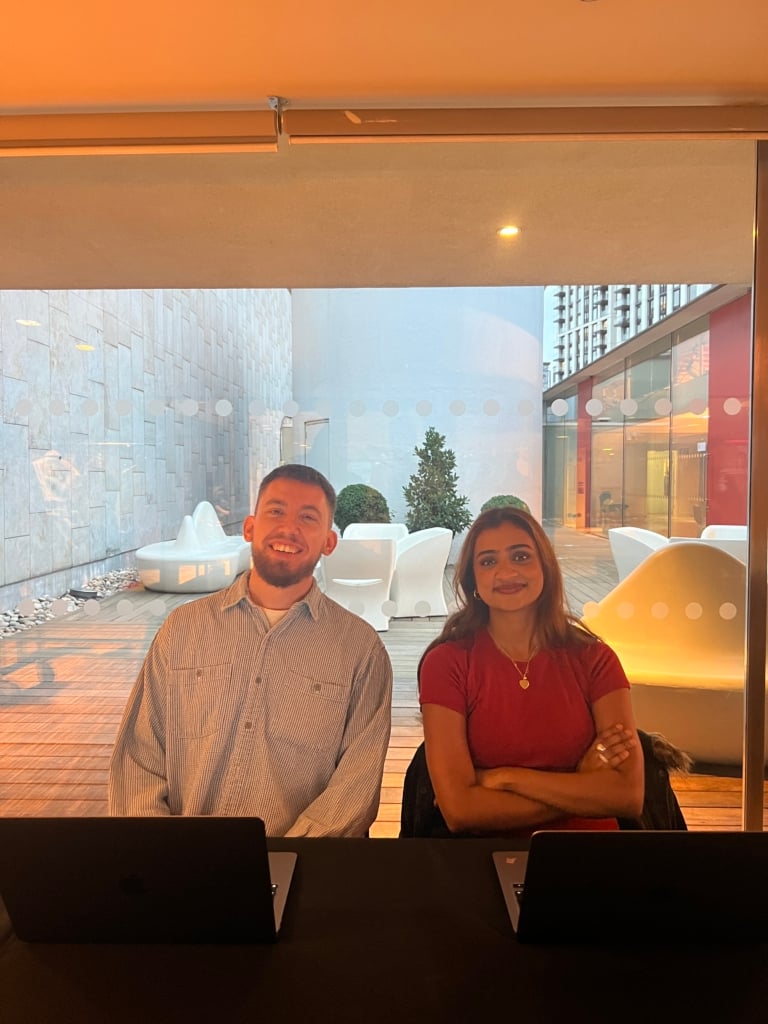
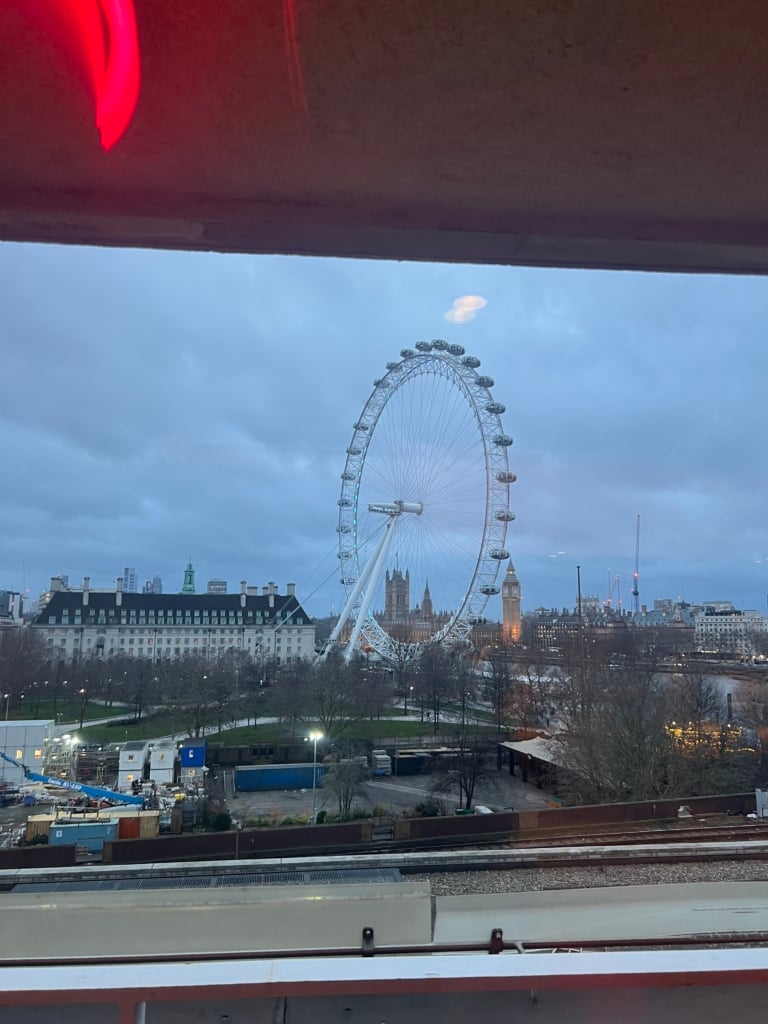
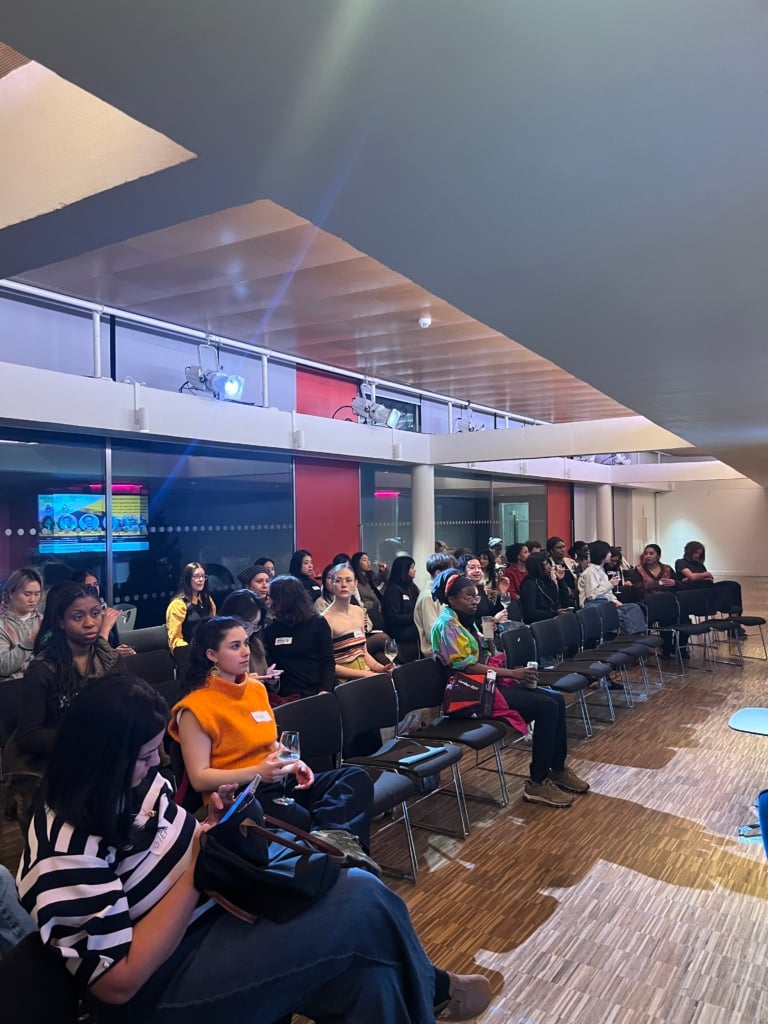
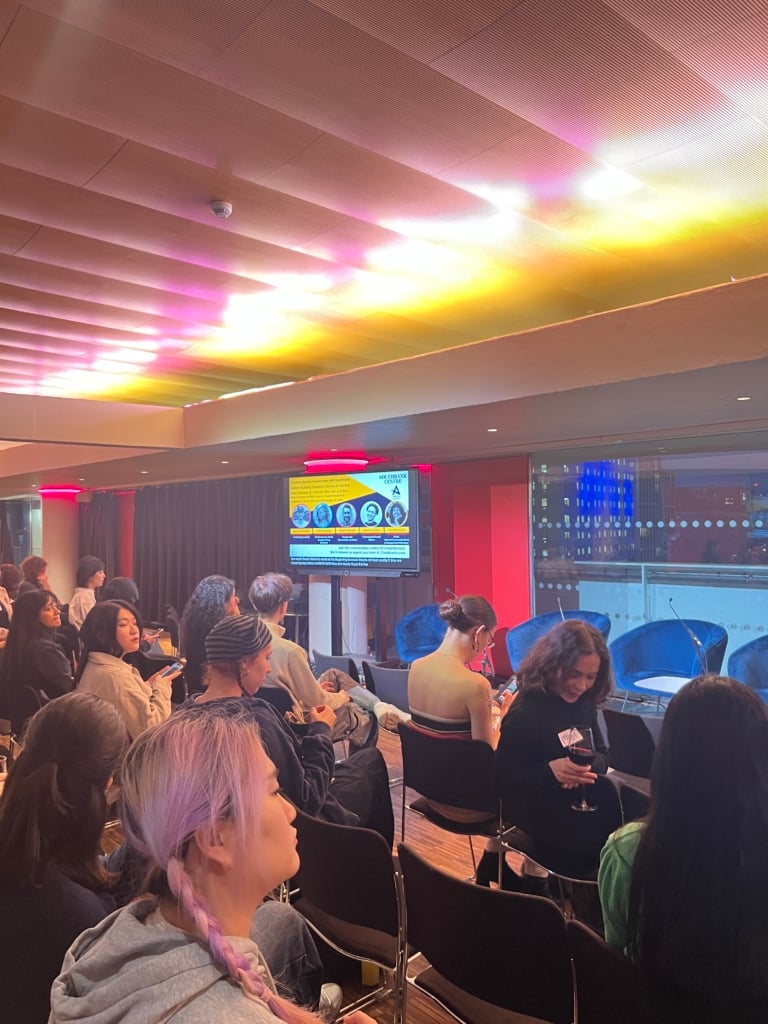
February’s masterclass took us to the Royal Festival Hall for an evening dedicated to demystifying creative careers in the arts. Delivered in partnership with Southbank Centre, the session explored the many routes into the creative industries and what it really takes to build a sustainable career in the arts.
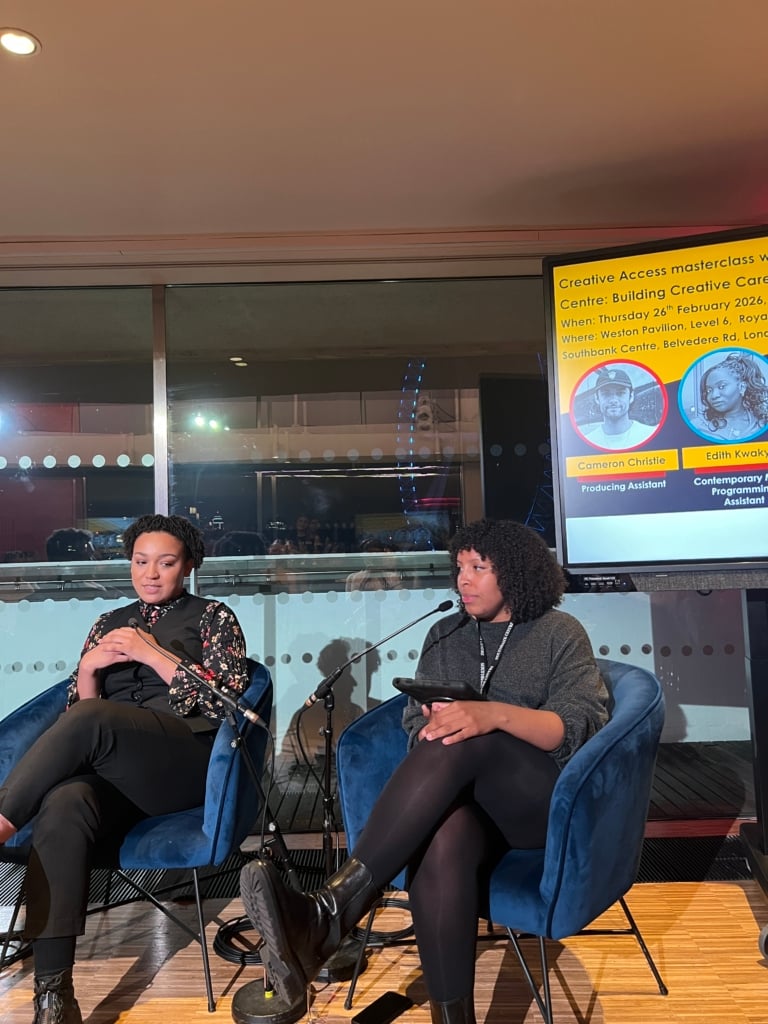
Chaired by Creative Access alum Courtney Caton, internal communications & engagement manager at Southbank Centre, the panel featured:
- Cameron Christie, producing assistant
- Edith Kwakye, contemporary music programming assistant
- Joseph Granata, events & stewardship assistant
- Kyesha Nelson, commercial events officer
The session opened with remarks from Katie Dent, head of people & culture, who spoke about Southbank Centre’s commitment to access, progression and nurturing talent from a wide range of backgrounds.
There’s no “correct” pathway in
A clear message emerged early on: there is no single, “correct” pathway into the arts.
Edith studied politics, writing her dissertation on grime music, something she still references in interviews today. Alongside her degree, she was DJing and building grassroots connections, not yet recognising that this cultural fluency would later become central to her programming career.
Joe began in architecture before realising it wasn’t for him. After drama school, he joined Southbank Centre in a front-of-house role. During a COVID-era training programme, he developed confidence presenting to large groups and collaborating across teams, experiences that eventually led him into development and fundraising. “Experimenting and trying as many things as possible is a good way to start,” he shared.
Kyesha’s career spans hospitality, fashion and commercial events. Her advice to the Creative Access community was clear: “Keep pushing yourself forward and advocating for yourself until someone opens the door and lets you in.” And when showcasing the transferable skills you’ve gained from working part-time jobs in interviews, Courtney reminded us how important it is to back yourself and trust in the skillset you bring to the table: “It’s not embellishment if you did it.”
From uncertainty to direction
The panel spoke candidly about insecurity, comparison and the pressure to have everything figured out.
Joe reflected on feeling anxious about not knowing his exact career path: “I felt like I should know what I wanted to do… What I’d say now is, it’s okay to make mistakes. Don’t be afraid to go for opportunities, even if they don’t work out.”
Courtney described graduating and thinking, “Now what?!” – a familiar feeling to many in the room. Her advice: “Be open to the opportunities where they come up… you have to stay open. It’s the best and worst thing about the arts.”
When considering what you actually want to do, Cam encouraged attendees to ask themselves three questions:
- What am I good at?
- What do I enjoy?
- What do I want to get better at?
Then, once you’ve got more clarity, reverse engineer the careers you admire. Hiring managers, he noted, are looking for people who can bring something new to their organisation. But, above all, they’re looking for passion and willingness to learn. Let your curiosity shine through and be open about the things you want to get better at.
The power of transferable skills
For members of the Creative Access community navigating career transitions, the conversation around transferable skills was particularly powerful.
Joe’s move from visitor assistant to development team member was made possible because he understood event logistics, audience engagement and cross-department collaboration. That practical knowledge gained during his front-of-house work became invaluable in his new role.
Kyesha emphasised that administrative skills are universal: “One constant skill you gain from whatever level of education you’re able to attain, admin is a constant. Think about how you can bring that into your work and present it as expertise.”
From hospitality and customer service to university group projects, the message was clear: you likely already have more relevant experience than you think. The key is learning how to articulate it.
Courtney advised practising how you talk about your experience and avoiding overly specific jargon, instead, speak the language of the person sitting across from you and the culture of the organisation you’re interviewing for.
Grassroots networks and cultural fluency
Building a creative career isn’t only about formal job titles, it’s also about relationships.
Edith reflected on how her DJ career and collaborations within grassroots music communities shaped her understanding of audiences and scenes. “I didn’t realise the cultural fluency that gave me.” Cam echoed the importance of authentic connections through building relationships with people who share your passion and bringing each other along as you grow. Courtney encouraged members to nurture the networks they’re building now: “Find common interests, build authentic relationships around shared passions, and continue to check in with the people you’re coming up with.”
Know your worth and show it
The panel closed the conversation by bringing two essential themes together: valuing yourself and understanding what employers are actually looking for.
Edith spoke openly about imposter syndrome and the importance of not discrediting your cultural fluency or lived experience: “Stand firm in what you bring.”
Cam reinforced this with a clear reminder: “Understand your worth; never gift your time.”
While unpaid opportunities can sometimes offer exposure or experience, sustainability matters. If you do decide to work for free, think carefully about reciprocity, what are you gaining in return? And remember: it’s okay to say no.
From a hiring perspective, confidence in your value goes a long way. Across roles, the panel agreed that employers are looking for:
- Curiosity and enthusiasm
- Authenticity and genuine interest
- Creativity and strategic thinking
- Resilience and energy
- A willingness to ask questions and learn
Continuing the journey
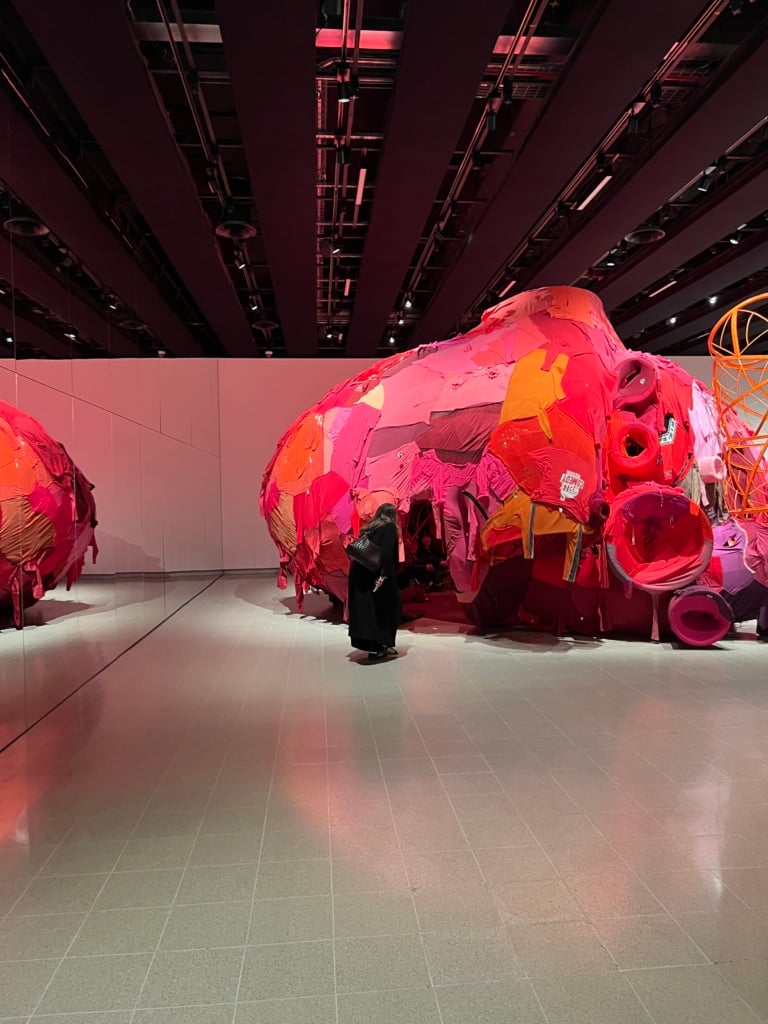
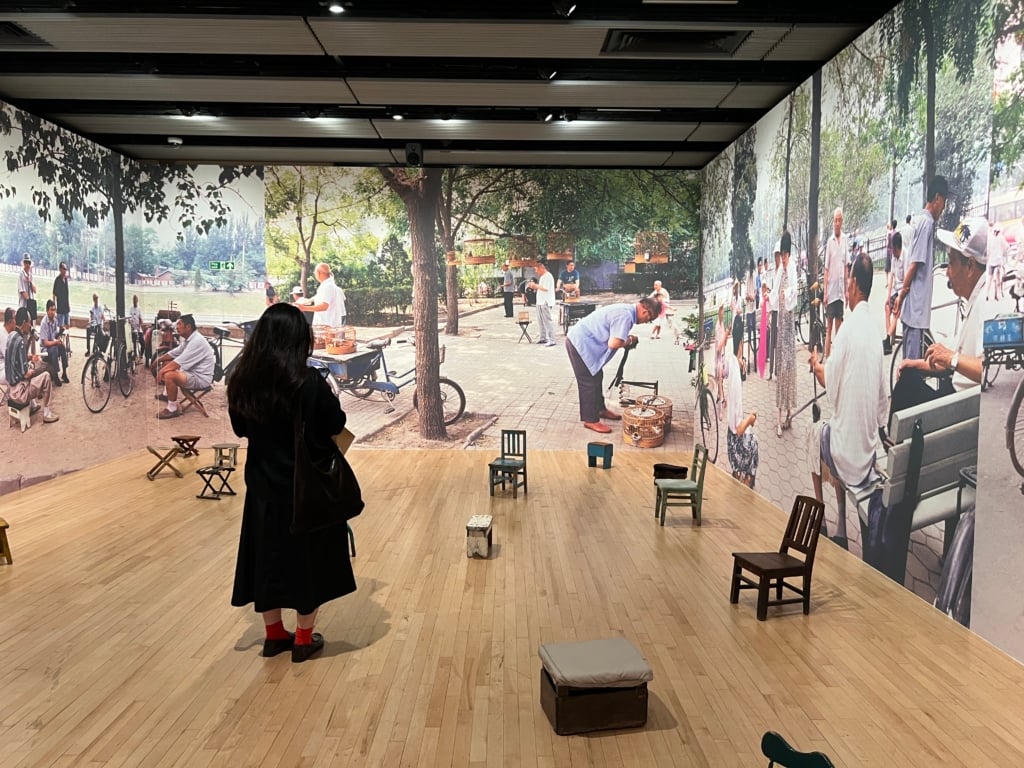
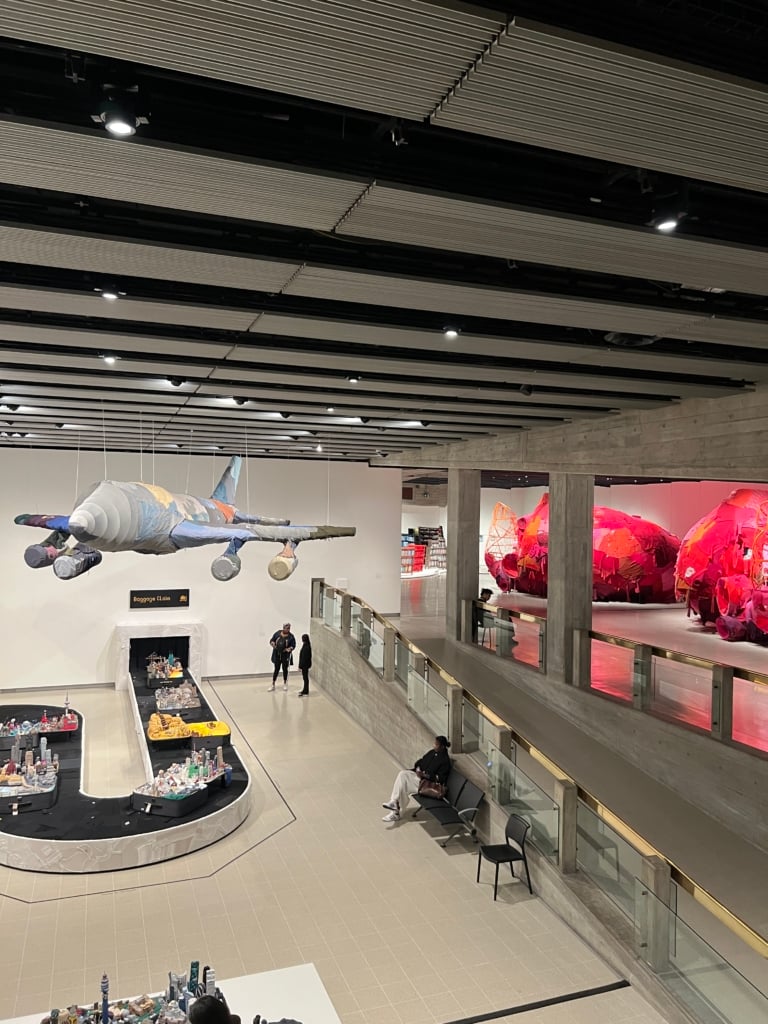
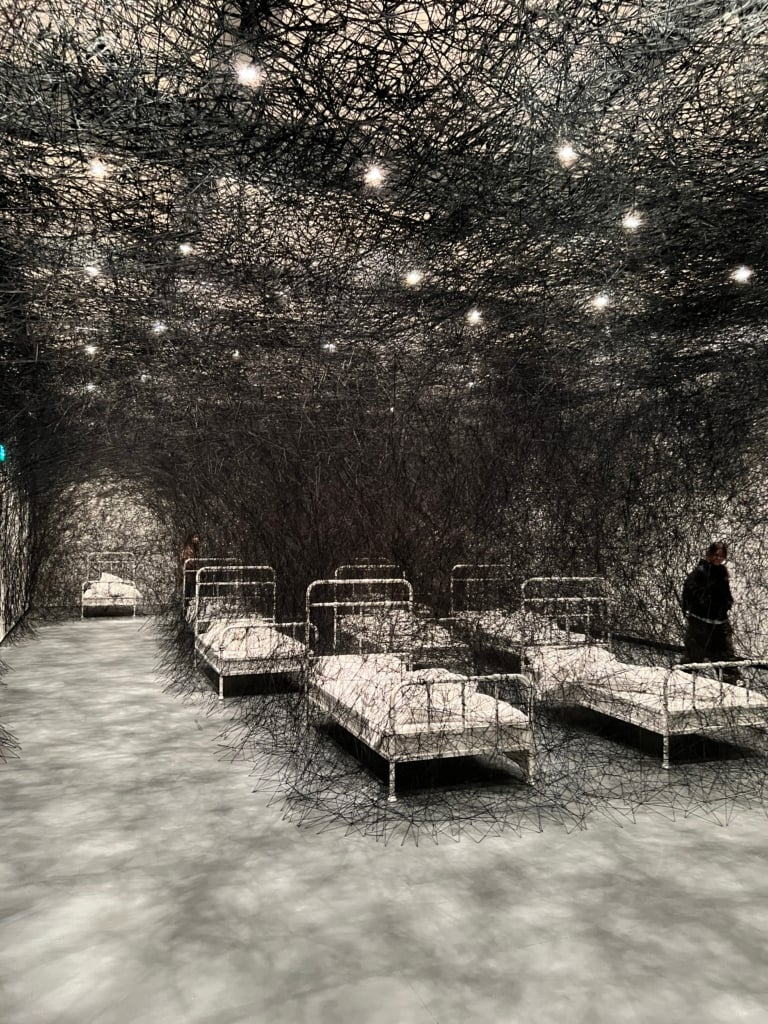
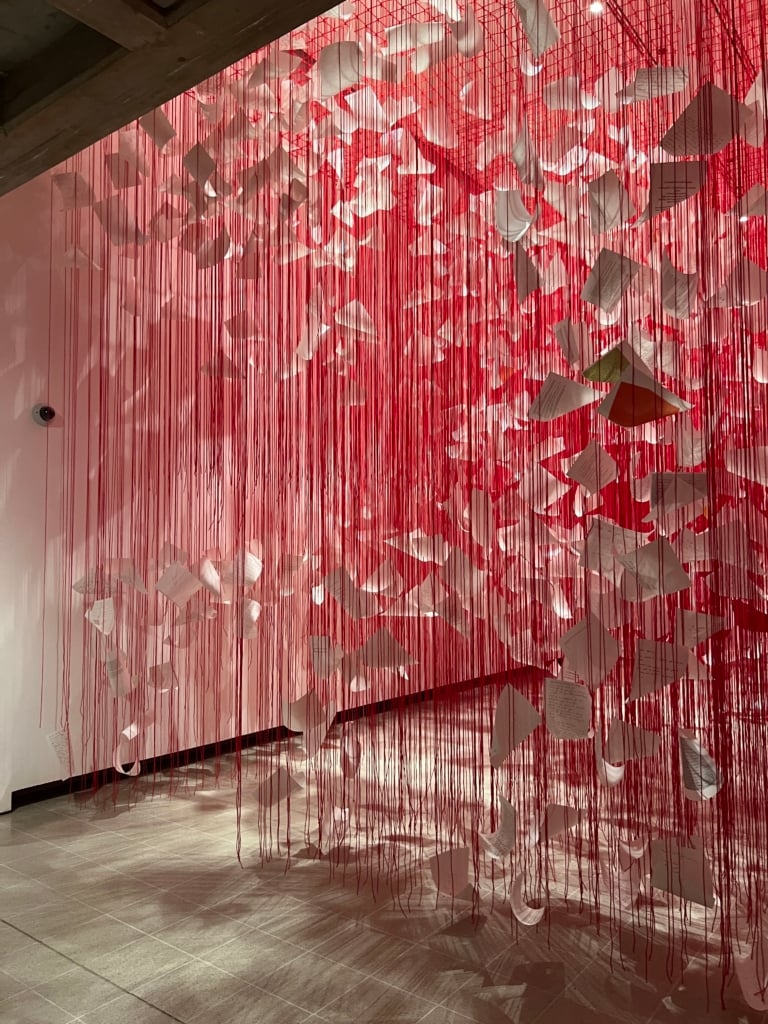
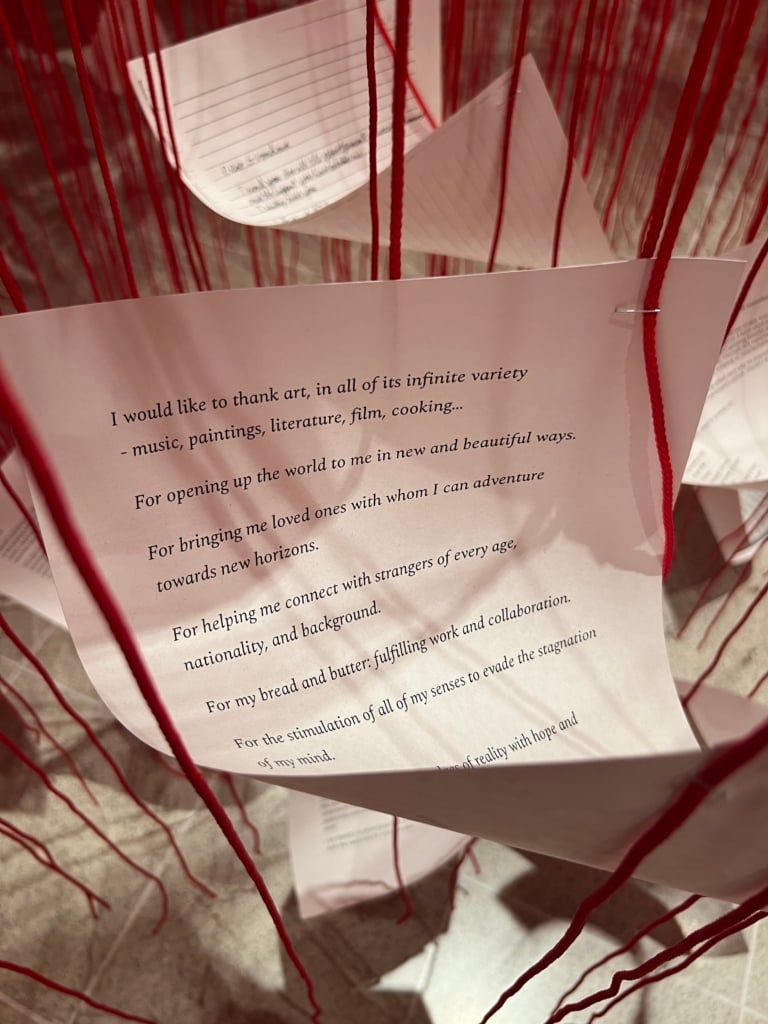
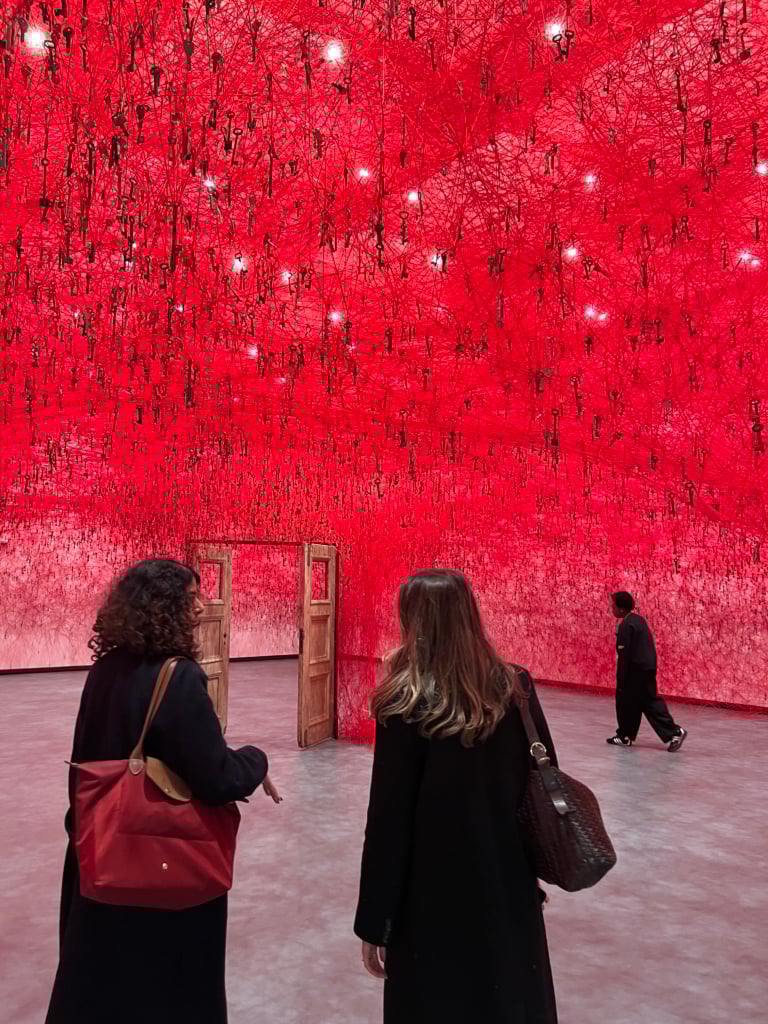
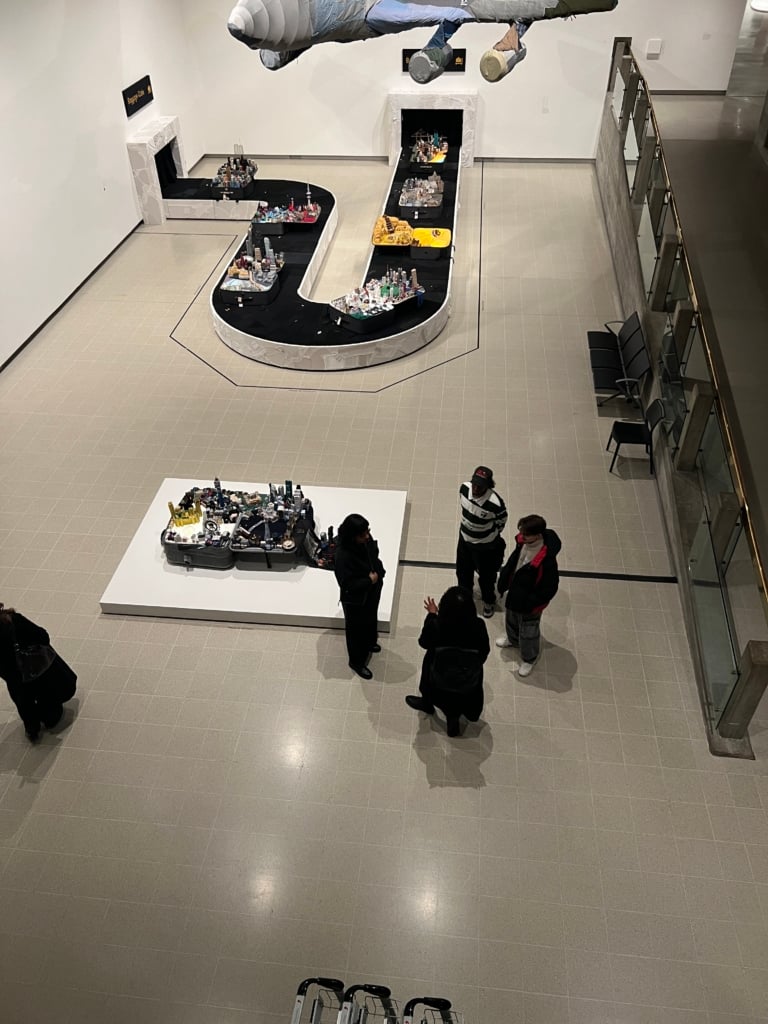
We ended the night with an exclusive view of two exhibitions at the Hayward Gallery: Yin Xiuzhen: Heart to Heart and Chiharu Shiota: Threads of Life.
We’re also excited to be running the Creative Access x Southbank Centre mentoring programme – an incredible opportunity to gain tailored guidance and grow your network in the arts. Applications close on Friday 20th March 2026 at 12pm, so be sure to get yours in before the midday deadline. Click here to apply.
To everyone who joined us – and to our generous partners at Southbank Centre – thank you for an energising, honest and practical conversation about what it really takes to build (and sustain) a creative life in the arts.

While studying for the BA Television and Media Production at the University for the Creative Arts (UCA), Suda secured an assistant producer internship with Sky through Creative Access’s diversity and inclusion programme, reports Prospects.
If someone came up to me in my final year of university and told me that I’d be working in the Film and TV industry just two weeks after I graduate, I genuinely would have thought they were just messing with me!!
But that is exactly what happened. Let me explain how…
Pursuing a career in the creative industries always felt like a far-off dream. Something fun to yap about. As news headlines highlight job shortages, freezes in funding, AI takeovers, and corporate monopolies, creative careers have never seemed less possible. I chased ‘safe’ career paths for most of my teenage years because I didn’t know better, and those alternative opportunities were not readily available to me. We hate under-representation over here.
Lacking in proper guidance or knowledge about navigating this industry (schools listen up please), I followed the crowd and went to uni, studying English Literature and History in Edinburgh. Going there completelyyyy changed my life.
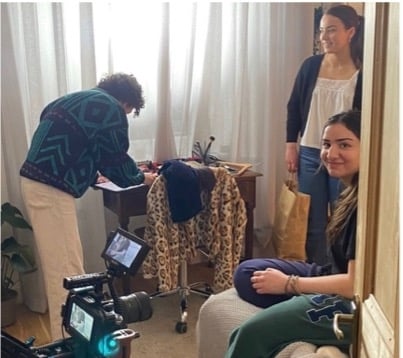
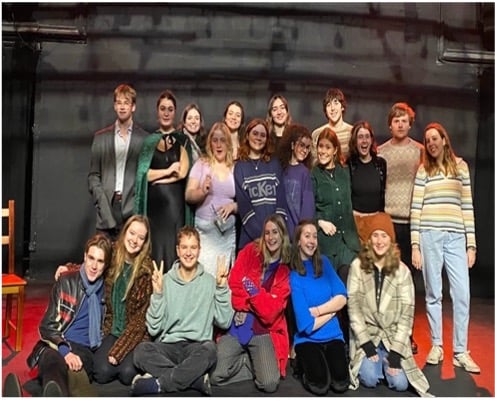
There are creative people at every street corner in Edinburgh and countless university societies itching for students to join. I plunged myself into the theatre and filmmaking societies. Yes it was embarrassing at first and yes there were a lot of rejections. Through these societies I got the chance to perform in, and assistant produce, a play at the Edinburgh Fringe Festival, which is the world’s biggest performing arts festival. It was a wild time.
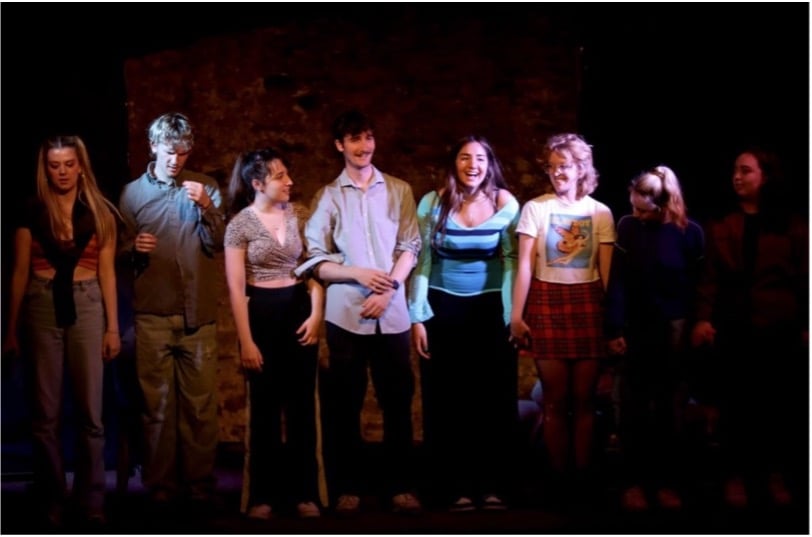
However, this was all a just hobby to me. I was still applying to corporate opportunities because I was worried about financial security (freeeee us from capitalism).
After applying to – and swiftly getting rejected by – some law internships at the beginning of my third year, my mindset changed. I barely flinched at these rejections, but I would feel borderline melancholic at the thought of not being able to work in film. Dramatic I know, but it’s true. In one of my frenzied journal entries, I literally wrote down my decision to take this seriously. And that really was a huge turning point…
The mental decision that this is what I was going to do.
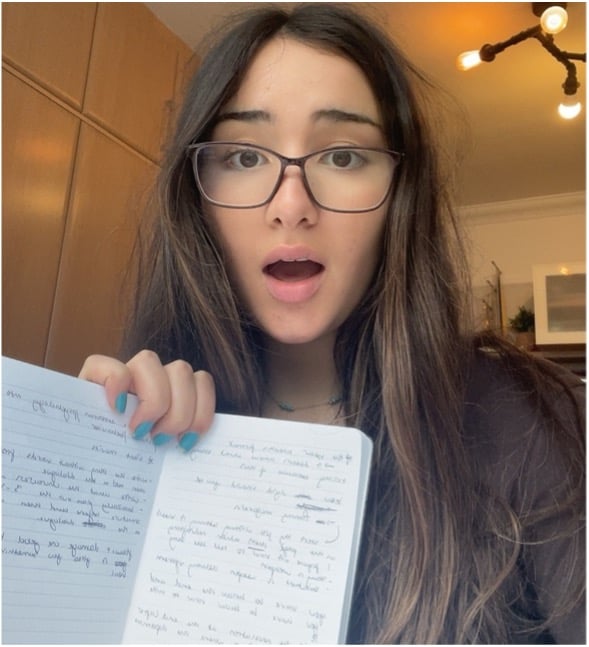
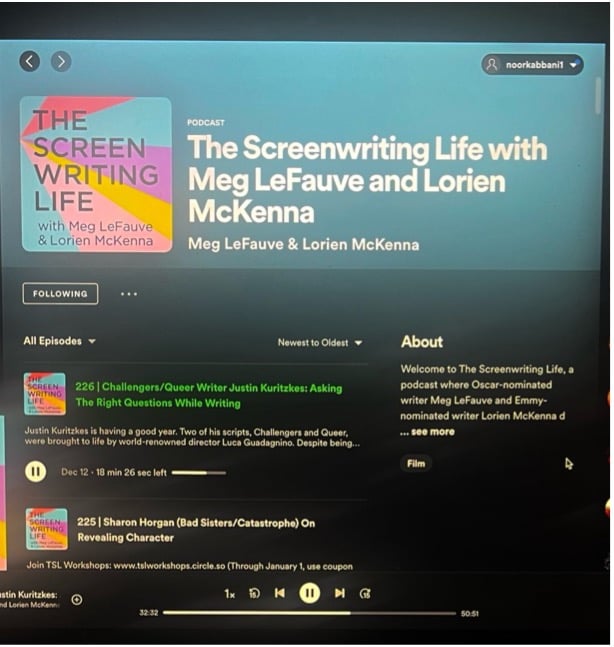
After that I spent a few months researching – following industry news outlets, finding arts councils, arts charities, funding bodies, listening to podcasts, watching YouTube and TikTok videos about how to get started in the industry. These rabbit-holes pointed me in the direction of trainee positions as a first step into the industry. I tried applying to all the trainee schemes I could find online, but most of them had the caveat that you couldn’t be a student. Cue an even more frustrated Noor.
So, after much time wasted banging my head against a wall and crying to my friends about the fact that I was already too behind (at 20???) to start a career in film/TV, I wrote out a realistic list of things I could do in two years. I wanted to prepare myself for freedom from student shackles. Making my own films, networking, doing work experience, reading scripts, watching everything, and shadowing were featured on this behemoth list.
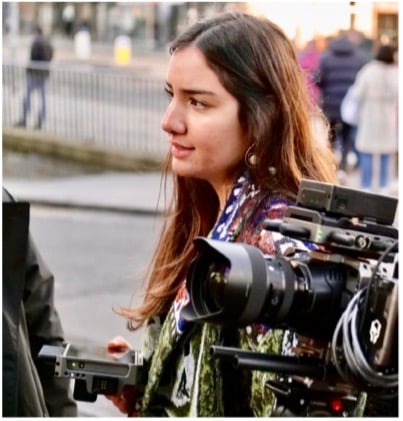
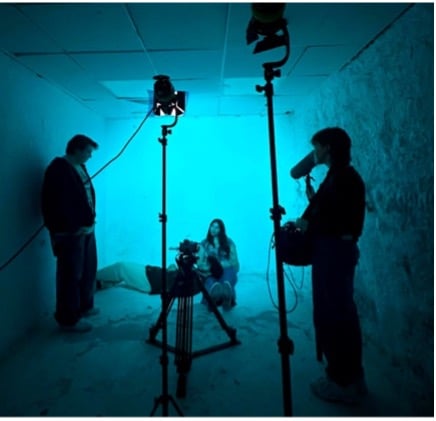
Cut to a year and a half later, I had founded a women-led production company with a friend of mine; we produced 10 short films – one of which premiered at a BAFTA-qualifying film festival. I’m still not over that, actually. I landed a place on ITV’s work experience programme, secured my first job as a production assistant for an NFTS short film (I literally got this job through an Instagram story advert), and I volunteered at Glasgow Film Festival. I also received the amazing Creative Access Career Development Bursary. As a writer with no formal training, it’s enabled me to join an NFTS lab which has been transformative.
Fuelling my procrastination, I signed up for a free 2-day production training course run by NFTS, Screenskills, and BECTU Vision two weeks before my dissertation was due. Co-incidentally my future boss was hiring production trainees for a new ITV show specifically from this course. I was recommended for an interview by my lovely tutor. Whilst luck was definitely on my side, all the work I’d done at university prepared me – my CV couldn’t have been more ready. I was approached, did the interview, and then got the job!
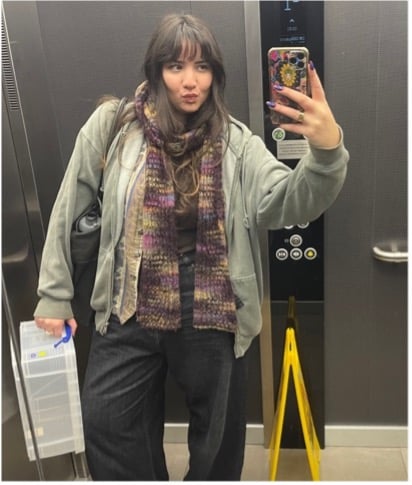
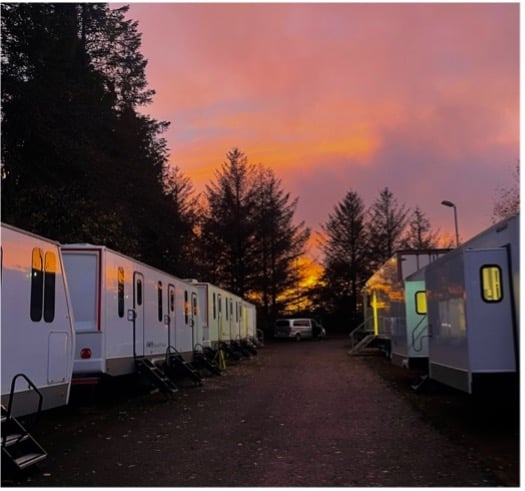
Six months later and I’ve had the most amazing experience working for ITV and Poison Pen on a new HETV scripted drama.
I hope my journey so far is somewhat inspiring and encourages other young people, especially those from under-represented backgrounds, to see themselves in this industry.
Good luck legends,
Noor x
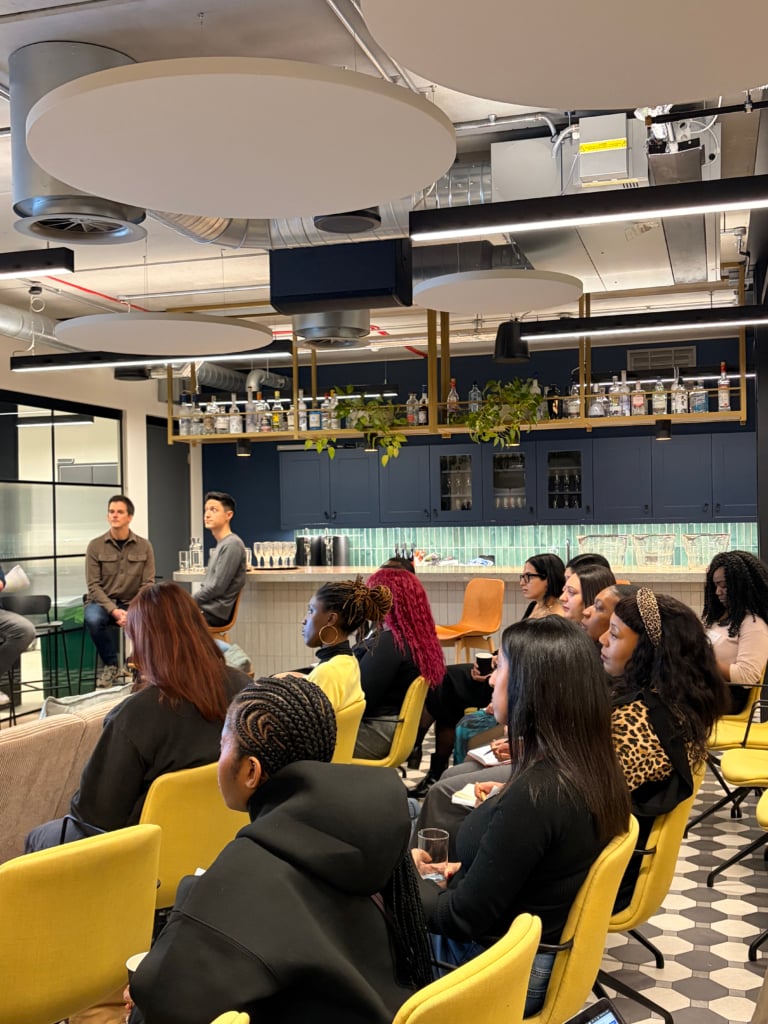
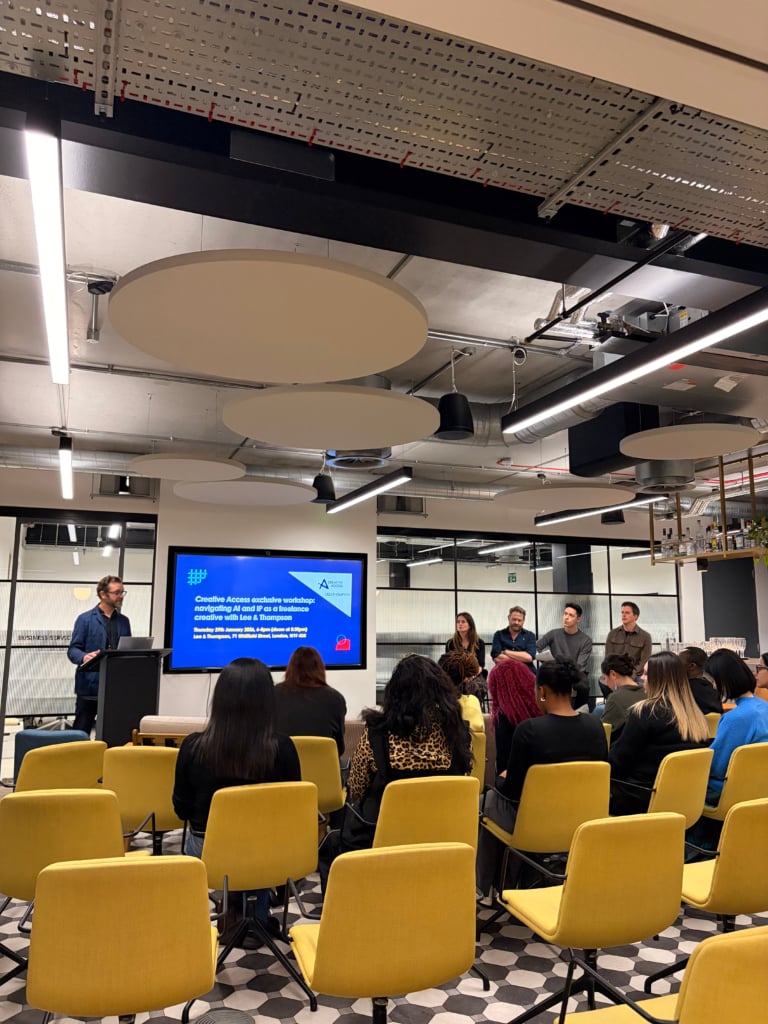
Last month, Creative Access and Lee & Thompson hosted an insightful workshop for freelance creatives exploring copyright, AI, employment law, and getting paid. The session brought together legal experts and freelancers across film, TV, and digital media to discuss practical ways to protect creative work, navigate emerging technologies, and manage client relationships effectively.
Our expert panel from Lee & Thompson included:
- Andy Moseby, partner and head of digital & tech
- Will Everitt, partner specialising in music
- Martin Tynan, senior associate in employment law
- Fi Tudur, senior associate, TV & film
- Simon Boyden, chief financial & operations officer
Each shared insights drawn from their experience supporting creatives across the media landscape.
Copyright and intellectual property (IP)
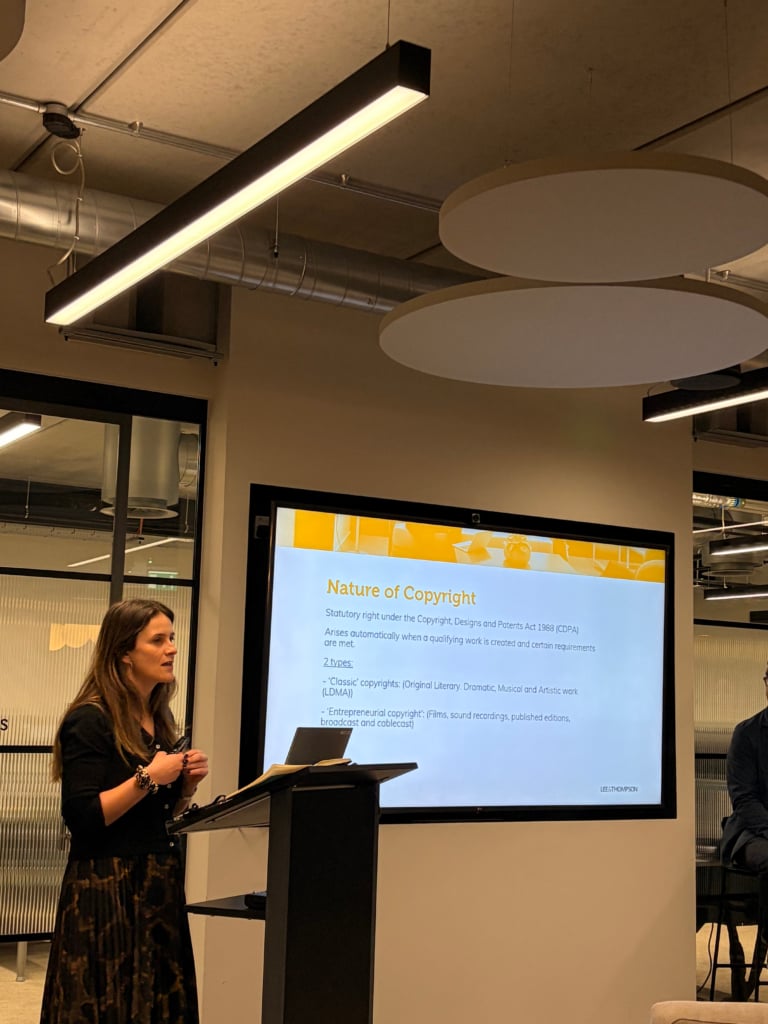
Fi opened the discussion on copyright and IP, explaining that copyright arises automatically when a work is created and must be both original and recorded. Classic copyright protects literary, dramatic, musical, and artistic works, securing the expression of ideas rather than the ideas themselves. Entrepreneurial copyright applies to sound recordings and broadcasts, where ownership usually belongs to the producer or broadcaster. Fi emphasised that transferring copyright (or any part of it) requires written and signed documentation; informal or verbal agreements do not confer exclusive rights.
AI and the creative industries
Andy explored AI and its implications for creatives. He described the internet as a large copying machine, noting that anything uploaded online is copied. AI networks scrape data at such scale that opting out is almost impossible, especially as new AI companies emerge every day. He clarified that there is no legal uncertainty around copyright: current laws already protect creative work.
Andy outlined the policy options under review for 2026. Option 0 is to do nothing, leaving copyright laws as they are. Option 1 would strengthen copyright, requiring licensing in all cases. Option 2 proposes a broad data-mining exception, while Option 3 (currently the government’s preferred approach) allows right holders to reserve their rights under transparent rules. He highlighted that most creatives favour enforcing current law and strengthening copyright through licensing rather than allowing broad exceptions.
Employment, tax and freelancer agreements
Martin provided an in-depth look at employment and tax considerations. Freelancers may be classified as employees, workers, or self-employed. Employees receive full legal protection, workers have partial rights such as holiday pay and minimum wage, and self-employed individuals have limited statutory protections. These distinctions also affect tax obligations, including PAYE for employees versus self-assessment and IR35 for contractors.
Martin emphasised that long-form agreements are essential. They should clearly define the scope of services, intellectual property, confidentiality, credits, termination, exclusivity, and post-termination restrictions. Clear agreements protect both freelancers and clients and provide clarity in case of disputes. He encouraged open dialogue with clients and accountants to ensure alignment and compliance, particularly in sectors such as film, TV, and music.
Getting paid as a freelancer
Simon shared practical advice on managing invoices and payments. Freelancers were encouraged to set clear payment terms, obtain purchase orders early, request upfront or staged payments, and follow up consistently. Escalation internally or externally, union support (e.g. BECTU), or legal advice may be necessary if payments are late or clients become insolvent.
Audience questions raised common challenges, including: “What if a client goes bankrupt?” Martin explained that freelancers become unsecured creditors, with recovery dependent on the administrator and remaining assets. This underscores the importance of issuing invoices promptly and knowing who controls the company. Other tips included negotiating discounts to incentivise early payment, using accounting tools or automated invoicing, considering invoice factoring, and, as a last resort, working with debt collection agencies. Above all, freelancers were reminded to have confidence in the value of their work: quality output justifies the fees charged, and assertive communication is key when chasing payments.
Closing reflections
The workshop concluded with a lively Q&A covering copyright, AI, employment, agreements, and payment challenges. Freelancers left equipped with practical tools to protect their creative work, manage client relationships, and make informed decisions in a rapidly evolving creative landscape.
Thank you to our brilliant panellists, to Lee & Thompson for hosting us, and to everyone who joined us for an energising and thoughtful conversation.
To stay connected with future Creative Access events and opportunities across the creative industries, make sure you are registered with us and keep an eye on our Opportunities Board.
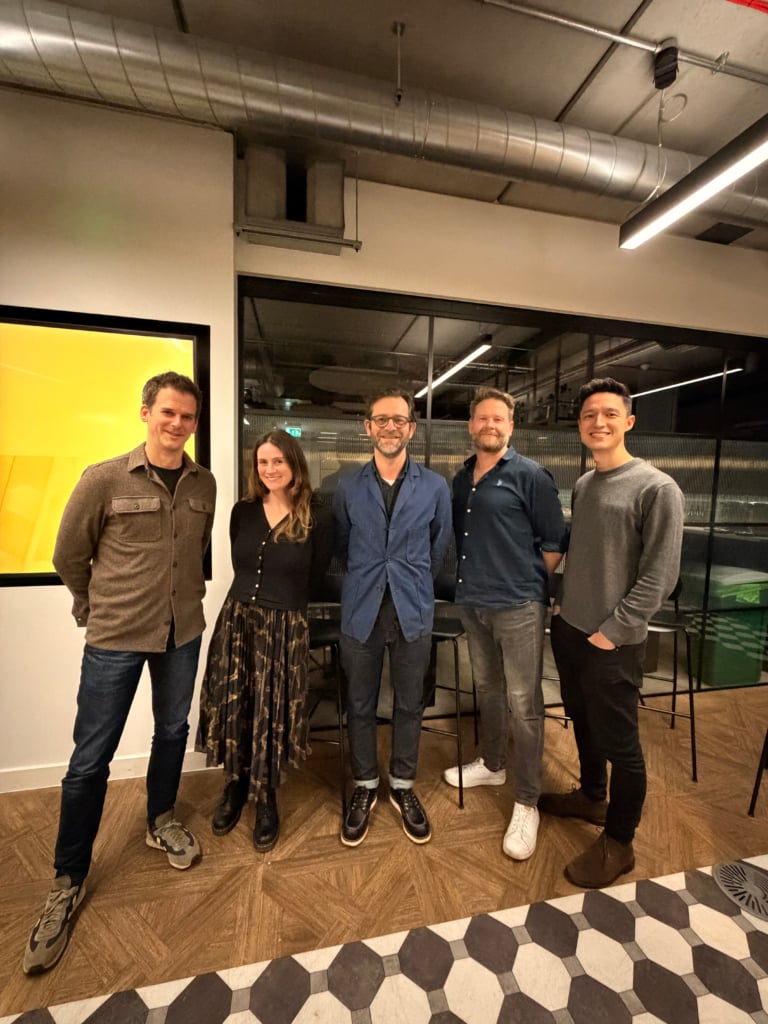
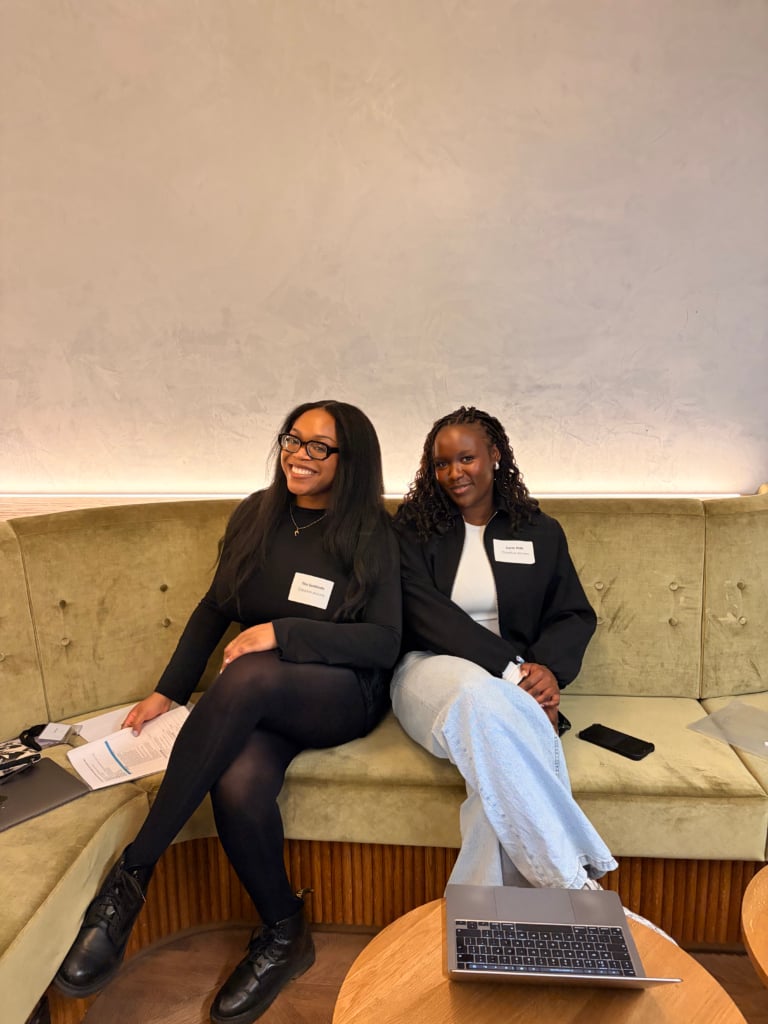
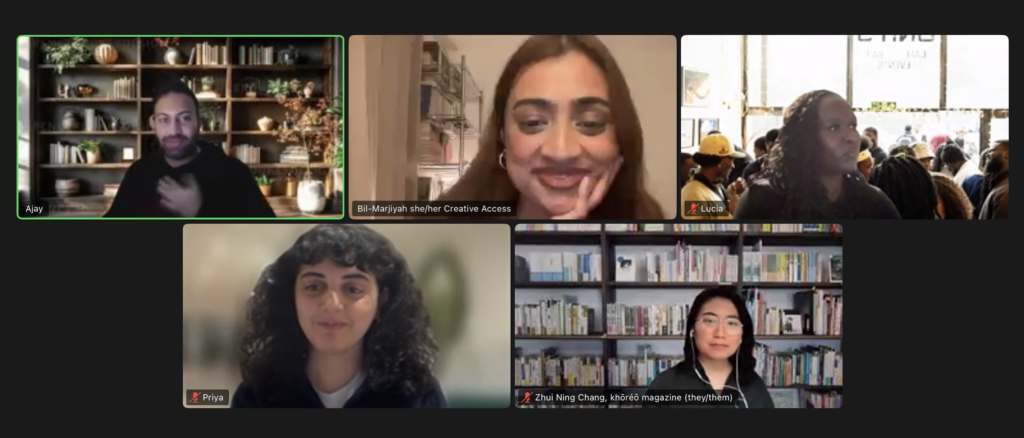
The first Creative Access virtual masterclass of the year sparked a lively and inspiring conversation, filling a cold January evening with warmth, honesty, and laughter. The trailblazing panel drew on experiences across the creative industries, from creative entrepreneurship and live events to filmmaking, theatre, and writing, offering insights, stories, and advice that resonated with all who attended.
Aimed at aspiring, junior and entry-level creatives, this masterclass explored the realities, challenges and opportunities of building meaningful creative networks, particularly for individuals from under-represented backgrounds.
For invaluable insights into building thriving communities at the intersections of creativity and identity, keep reading on…
The panel:
- Ajay Pabial, renowned social entrepreneur, artist, founder and CEO of Art Clubbers CIC – an award-winning arts organisation transforming the creative landscape
- Lucia Aide, Thrive trainee, Creative Access and founder, theConn3ct – a platform dedicated to curating experiences rooted in community, connection and creativity
- Priya Biring, co-director, Wondering CIC – a community interest company that transforms lives through filmmaking
- Zhui Ning Chang, a Malaysian editor, writer, and theatre maker based in London
- Bil-Marjyah Rahman, community and partnerships programmes manager, Creative Access (chair)
Reflecting on what community and belonging means to them, Lucia shared it’s all about having the “safety and freedom to show up as yourself”, inspired by her family – particularly her mother’s experience as an Ugandan immigrant to the UK.
For Ajay, it’s the three P’s that encompass belonging: people, place and planet – and the spaces where every facet of his identity as a queer, Asian East Londoner can comfortably overlap.
Zhui Ning described belonging as “the recognition and acceptance of the entirety of yourself”, expressed in ways that centre solidarity and don’t “close doors for other people behind you.”
Priya reminded us that community is active and ever-evolving:
Community lives within me, and I can create it wherever I want… it’s a skill. You keep building it where you are.
To build spaces for people who don’t necessarily identify as ‘creative’ in a traditional sense, be intentional! A clear vision allows those who align with your ethos and values to find you. Lucia believes we all have a “creative bone or muscle”; it’s about building spaces where people feel comfortable enough to exercise it.
Transparency plays a vital role in enabling someone to show up as themselves, especially if they typically feel intimidated in creative spaces. In an industry that can sometimes feel transactional and surface-level, honesty is at the core of theConn3t. When hosting events, the team’s role is to be both attentive and authentic, welcoming people into the space and helping them feel at home.
If you’re struggling to find community spaces or projects that feel like the right fit, build your own. That’s how Art Clubbers came about, says Ajay, who developed the skills he needed in his day job and rallied his friends and community networks to put on the show in Peckham that started it all. From there, the focus became ensuring that the work remained relatable and relevant to the communities being serving. At Art Clubbers, “everybody brings their voice to the table.” If something isn’t working, don’t be afraid to listen to the people in front of you, and adapt where needed.
Got an idea? Don’t get stuck on the research or the theory – go out and do. For Priya, difficult experiences in the film industry led to opportunity and a fresh perspective. Filmmaking is an inherently vulnerable process, like “reading someone’s diary”, so Wondering CIC is prioritises responsibility and gives people the opportunity to tell their own stories, rather than acting as a voyeur to someone else’s experience.
If you’ve got a got an idea you believe in, be practical about building partnerships and understand what the other party stands to gain so you can use it to your advantage. Surround yourself with people you trust and stay true to your principles, so you can rely on them when challenges come up.
When you’re building something from scratch, it’s important to define your purpose. As part of the team that launched khōréō magazine (a platform for writers of migrant experience and backgrounds), Zhui Ning understands the importance of creating and maintaining safe spaces for both community members and staff. Community spaces aren’t just about the individual: “everybody has a part to play – not just the person running the session”.
On a practical level, clarity around shared aims helps attract people seeking the same thing. Agree on a code of conduct and be consistent about upholding ground rules. Set timelines and host regular check-ins to ensure everyone remains aligned. Most importantly, Zhui Ning reminds us, have fun with it! “Don’t just connect on the broad mission; the small things matter too.” Whether that’s sharing a meal or trying a new activity together, spending time in each other’s space is key.
Remember, project management is 80% admin and 20% fun. In the early days, Ajay relied on grant funding to build an impactful portfolio of success stories, which later helped to secure commission-based work. This required a lot of resilience, so being able to rely on the friendships, business partnerships and community connections he’d built along the way was vital.
Figure out what’s important to you, whether it’s long-term impact or immediate results. Sometimes, a business or project becomes unsustainable and comes to its natural end. Post-pandemic, Zhui Ning unfortunately had to fold their theatre company when the team realised they no longer had the resources to “do justice” to the work they wanted to produce. But the relationships and community they built “continue to exist in ways that are equally as valuable”, even if the work itself has ended. For Ajay, endings can be celebrated too: “Sometimes, it’s a success in itself to pause and close… Don’t worry about the long-term. Make your impact now.”
Balancing your own needs with the needs of your community can be as exhausting as it is rewarding. Building community and community spaces is a joyful, fundamental practice that requires patience and resilience. As Lucia puts it, “balance looks different every day.”
Thank you to everyone who attended and asked such brilliant questions during the Q&A. A huge shoutout goes to our fantastic panellists – Ajay, Zhui Ning, Priya and Lucia – for sharing their experiences and wisdom with us.
Watch the full conversation here.
Interested in joining another Creative Access masterclass? Register with us today and keep an eye out on our opportunities board for upcoming masterclasses. See you at the next one!
What’s more important than understanding the career pathways available to you? At Creative Access, ensuring the next generation is well-equipped to access and thrive in the creative industries is a core part of our mission. Our creative industry insights days are one of the most effective ways we do this. Designed for students, youth and community groups, these sessions aim to help them understand what a creative career can look like. Participants get the chance to visit a creative workspace, apply their existing skills and develop new ones while working on a creative brief.
Here is a snapshot of an insights day we ran with Loughborough University and Victoria and Albert Museum (V&A), where students were invited to learn about exhibition, curation and design.
Seeing is believing
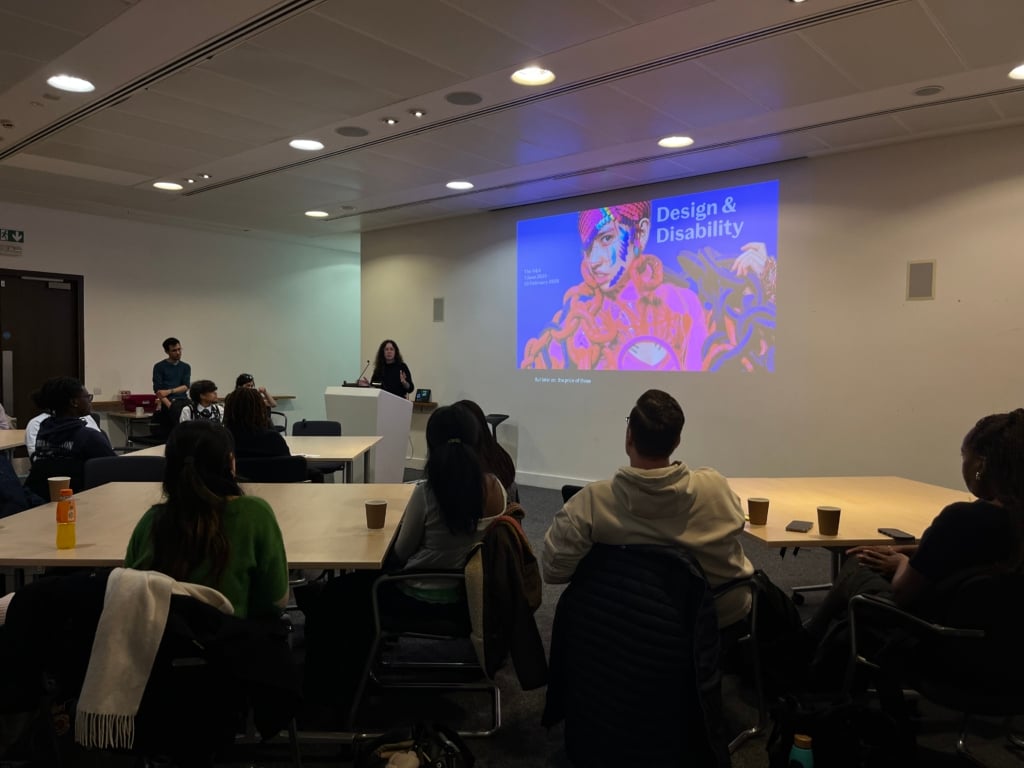
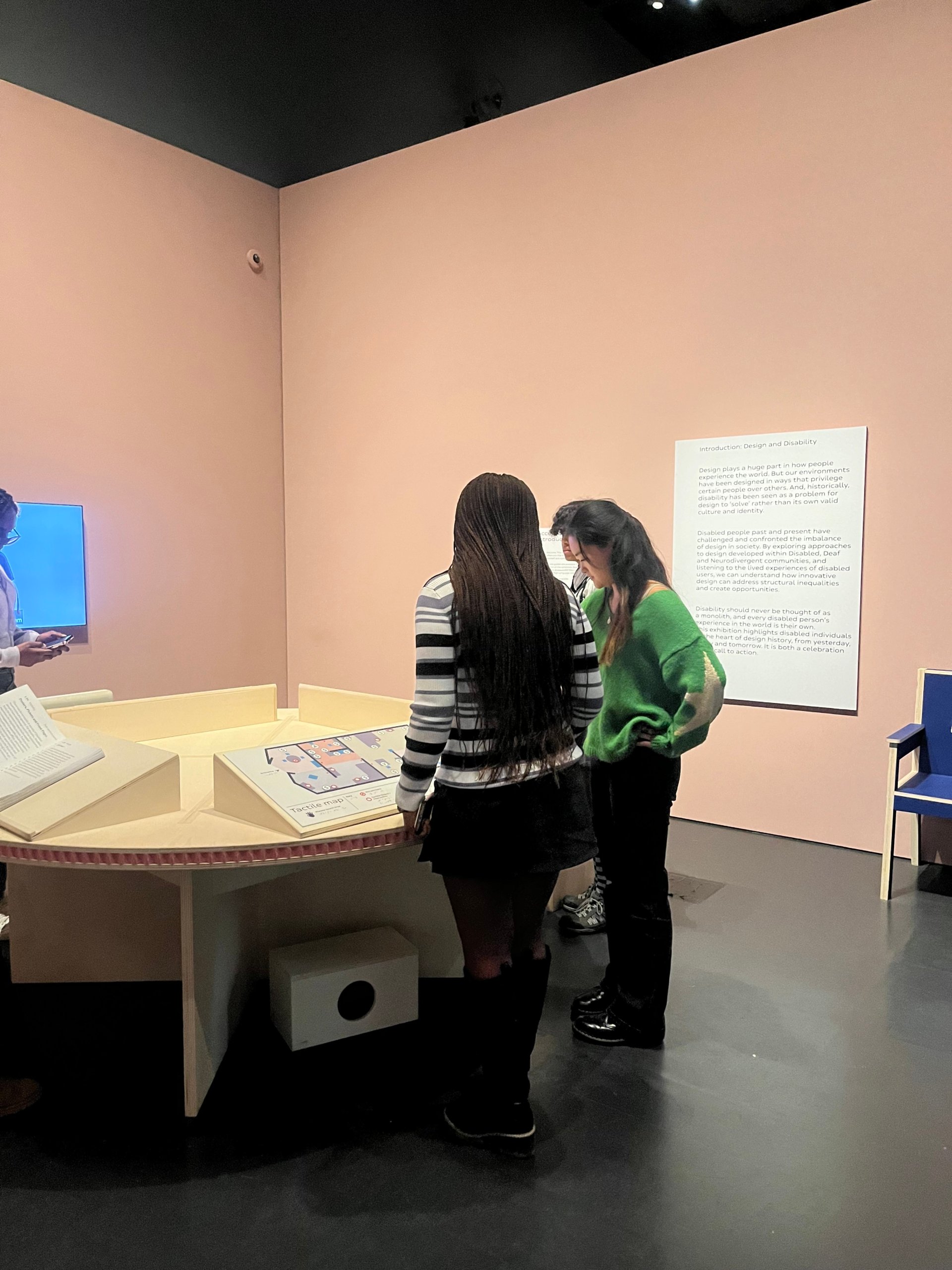
Now in the fourth year of our partnership with Loughborough University, we kicked off the year with an insights day at the V&A. Under-represented students from the School of Design and Creative Arts were invited to learn more about the Design and Disability exhibition, currently on display at the V&A.
Students were encouraged to think openly about accessibility and inclusive design. The aims of the day were to:
- Learn about the creative industries: providing students with a comprehensive understanding of the diverse roles available
- Gain confidence and optimism: empowering students to see their potential and feel excited about their career prospects
- Highlight the importance of networking: introducing students to practical tools for navigating creative workspaces
What the day involved
Following the Social Model of Disability
The day started with a thorough introduction from Design and Disability curator, Nat Kane. They spoke on the importance of designing an exhibition with accessibility at the core. Introducing students to the Social Model of Disability, Kane explained how accessibility was considered throughout the curatorial process – from early conversations with disabled creatives about what they wanted to see represented, to the final exhibition layout. With Creative Access’s mission centred on championing accessibility across the creative industries, this session was a valuable opportunity for students to consider intersectionality in their own work.
Exploring the Design and Disability exhibition
Following the talk, students had the opportunity to explore the Design and Disability exhibition themselves, to contextualise all that had been said in the introduction. Reflecting the exhibition’s inclusive design, they were encouraged to take in the art at their own pace and explore the different design techniques used.
Understanding inclusive design in practice
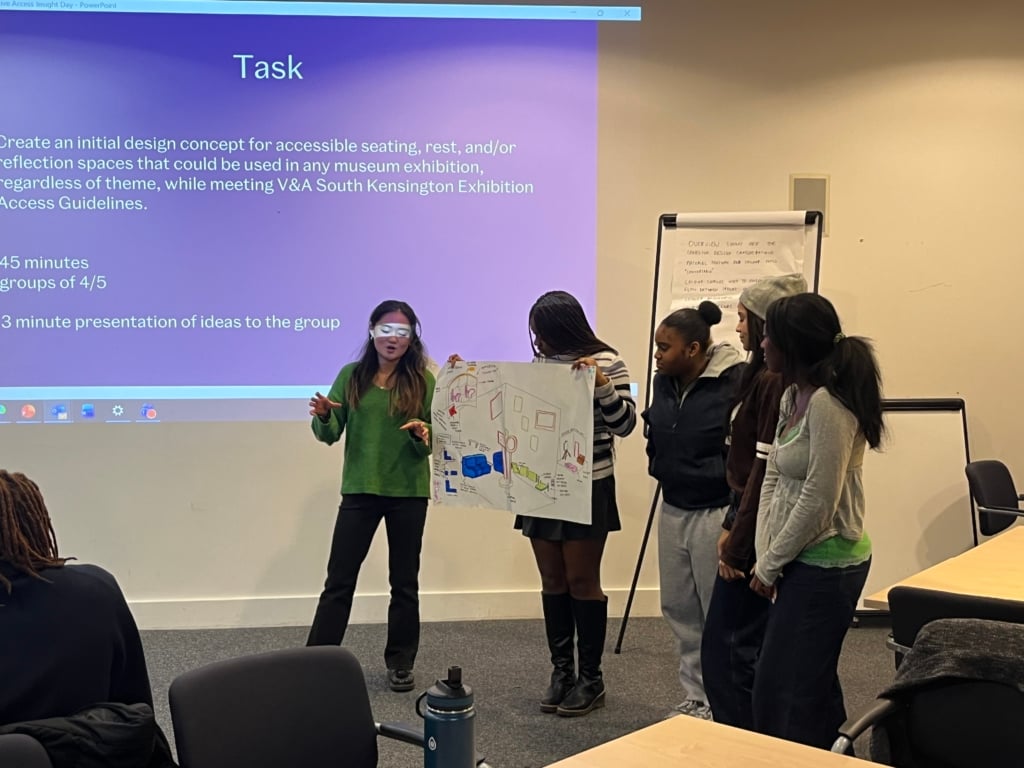
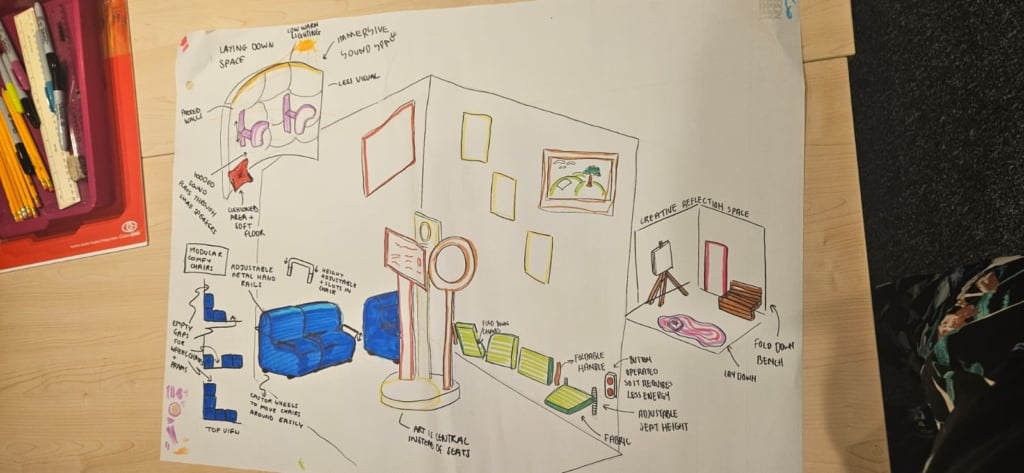
The group then took a deeper dive into the practicalities of the inclusive design, talking about things like DeafSpace design and how to improve accessibility for people with visual impairments. Students were encouraged to be open and notice things they wouldn’t have before and reflect on how these features make the exhibition more accessible. They were then given a creative brief and tasked with thinking of ways to make the V&A and future exhibitions more inclusive.
Building confidence through networking
We finished the day with an employability session led by Creative Access on the importance of networking and practical tools for building meaningful professional connections. Students practised key skills, including elevator pitches and active listening, and were also introduced to various networks they could join as early-careers talent from under-represented backgrounds.
Impact
The day proved to be an immense success. Feedback from the students was overwhelmingly positive:
- 100% of students agreed or strongly agreed that the session helped their understanding of creative careers and what it takes to succeed
- 100% of students agreed or strongly agreed this session helped them feel inspired and optimistic about a future creative career
The creative industry insights day highlighted the power of exposure and goal-setting in encouraging students to take meaningful steps toward their creative ambitions.
Student testimonial
“Events like this are very useful to network with other students at your university. You could possibly think of collaborating with multiple universities so that students have the opportunity to network with students from all over the country.”
Not being afraid to put myself out there. Being authentic when networking.
Are you interested in booking a creative industry insights day? Don’t hesitate to reach out to our programmes team on email.
Four new grant awards awarded by Mo Siewcharran Fund, now in its eighth year, with Publishing Scotland amongst the recipients, reports BookBrunch.

Administered by diversity and inclusion social enterprise Creative Access, the fund provides grants to help organisations offer six-month salaried internships for talent from global-majority backgrounds, reports Matthew Hemley, The Stage.
- Only 8% of publishing freelancers report having mentorship access, and 1 in 2 feel unsupported by employers
- Backed by 10 trade and academic publishers, the Thrive career development programme will provide 15 essential training and support places for minority freelancers
12 January 2026 – The UK’s leading diversity, equity and inclusion social enterprise Creative Access has – for the second consecutive year – secured sponsorship from across the publishing industry to support mid-level freelancers from under-represented backgrounds through sponsored places on its Thrive career development programme.
This initiative addresses a significant gap in professional support for freelancers, who provide essential services to the publishing sector, yet who often lack access to crucial career development resources like training, mentorship and networking opportunities.
For the second year, a group of 10 leading trade and academic publishers have gathered together to sponsor a cohort of 15 individuals on the Creative Access Thrive programme. These organisations are: Cambridge University Press and Assessment, Canongate, DK, Hachette, HarperCollins, Pearson, Penguin Random House, Profile Books, Sage Publications and Simon & Schuster.
On re-launching the scheme, Josie Dobrin OBE, executive chair & co-founder, Creative Access, said: “We had fantastic feedback from the 2025 programme participants, so we are over the moon that the sector has gathered together again to support publishing freelances from marginalised communities. This is real strength in numbers – the sector coming together to collectively address the challenges faced by the book industry. This is a great model for other creative industries; we know what a vital freelancers pay, yet many, especially from minority backgrounds, face barriers to career growth and support. This programme will once again help ensure that all individuals – whatever their background – feel valued and are given the opportunity to thrive.”
Serita Bonsignore, global director, Equality, Diversity, Inclusion and Belonging (EDIB) at Cambridge University Press & Assessment said: “We’re proud to renew our support for Creative Access’s Thrive programme. A representative industry depends on sustained investment in the talent pipeline and Thrive equips under‑represented talent with the skills, mentoring and networks to progress and stay in publishing. and sustain long‑term careers.”
Jessica Harris, HR director at Simon & Schuster said: “We’re delighted to sponsor Thrive and support Creative Access in expanding access, opportunity and career development for under-represented freelancers. This builds on our DEI work at Simon & Schuster UK and reinforces our belief that diverse talent and inclusive opportunities strengthen both our industry and the stories we bring to readers.”
Julie Fielding, HR business partner at DK said: “Freelance professionals are the backbone of the publishing industry, and it is vital that this career path is accessible to everyone, regardless of their background. DK is delighted to support this Creative Access initiative, which provides under-represented freelancers with the networks and skills needed to thrive. Strengthening this pipeline is essential for a more inclusive and resilient publishing ecosystem.”
Shirley Finlayter, who joined the Thrive programme in 2025, commented on how valuable her experience was: “The training courses were expertly planned and delivered, offering a wealth of practical tips and valuable advice. Both in-person and online community events created excellent opportunities to expand my professional network and build meaningful connections. The mentoring sessions have been particularly impactful, giving me the confidence to apply for roles I may not have considered before and helping me recognise the experience and skills I already have.”
Thrive Career Development Programme details
The year-long Thrive programme will begin in March 2024 and offers 15 sponsored places for mid-level freelance talent in publishing. Participants will gain access to:
- Targeted training in key areas such as career sustainability, leadership presence, financial literacy for freelancers, and advocacy skills.
- Mentorship from senior professionals in the publishing industry, providing six months of personalised career support.
- Exclusive networking events with publishing partners, offering connections to foster long-term professional relationships and more!
This opportunity is designed for freelancers with at least six months of experience in the publishing industry, including roles across editing, design, project coordination, and other key publishing functions. It will include both in-person and online sessions to ensure accessibility to freelancers across the UK.
Why is this programme needed?
- Freelancers are a vital part of the publishing workforce, supporting multiple functions including proofreading, copyediting, design, illustration, and sensitivity reading.
- According to the Department for Culture, Media & Sport (DCMS), 32% of jobs in the UK’s creative and cultural industries are self-employed, compared to just 14% across the wider UK economy. Publishing freelancers, like their counterparts in film, television, and the performing arts, are essential to sustaining the UK’s vibrant creative landscape yet often face barriers to support and growth.
- A 2023 report by Literature Alliance Scotland showed that 93% of freelancers agree that the sector relies on freelancers, however the majority of freelancers (58%) do not feel valued by the sector.
- Moreover, freelancers from minority backgrounds often face a significant lack of support: Creative Access’ Freelancer report in 2023 showed that only 19% have received training and just 8% have had a mentor. This is despite 61% wanting to see training from employers and 44% stating mentorship is vital. Half of publishing freelancers (50%) felt unsupported by employers.
- The Publishers Association 2024 workforce survey showed that ethnic minority representation had reduced by 2% since 2021 and that representation of people from lower socioeconomic backgrounds remains an area for improvement in the sector. The DCMS Earnings Economic Estimate report showed that as of April 2024, for every £1.00 earned by a man employed in the included DCMS sectors, a woman earns £0.80.
Application information
- Applications open: 12 January 2026
- Deadline: 8 February 2026, 11:59 PM
- How to apply: Freelancers can apply via the Creative Access Opportunities Board, where they will complete an application form and submit an up-to-date CV, indicating any prior work with the programme’s partner publishers. Click here to apply.
The David Tebbutt Trust and Creative Access have launched a second internship fund in memory of the late David Tebbutt, finance director at Faber from 2002 until his death in September 2011, reports Maia Snow, The Bookseller.
In memory of Faber finance director, David Tebbutt
5 January 2026 – The David Tebbutt Trust and Creative Access are thrilled to announce the second iteration of an internship fund in memory of the late David Tebbutt, finance director at Faber from 2002 until his untimely death in September 2011.
Any organisations wishing to apply can download an application form here. The deadline for applications is 12 noon, Monday 23 February 2026.
As last year, the Fund will provide 100% of the cost of an intern’s training bursary or salary based on the Real Living Wage for a 6-month full-time traineeship. It will also cover all costs relating to the recruitment and training of successful candidates.
The Fund aims to encourage young people from disadvantaged or marginalised backgrounds to pursue a career in publishing. This means that successful trainees will identify as being from an under-represented group in the creative industries, including, but not limited to, Black, Asian and ethnically diverse candidates, disabled, deaf and neurodivergent people, and individuals from lower socioeconomic backgrounds.
It will support smaller regional publishers who might otherwise not be able to host a trainee. The internship will be funded by the David Tebbutt Trust, which is jointly administered by Faber and the Tebbutt family.
Oliver Tebbutt, the late David Tebbutt’s son and David Tebbutt Fund Trustee said:
“We are very pleased to be running the David Tebbutt Internship for the second year. My father was dedicated to publishing and the book trade and was passionate about supporting people from all backgrounds to pursue careers in the sector. I know it would make him extremely happy and I hope it can help people from under-represented communities enter the industry that he loved.”
Josie Dobrin, Executive Chair of Creative Access, said:
“We are absolutely thrilled to be partnering with the David Tebbutt Trust again to create much-needed entry roles in the publishing industry for people from marginalised communities; a Fund which honours David and is fitting to his memory. We are particularly pleased to be funding small to medium-sized organisations where this grant can have more impact and to be focusing on regional companies where there are fewer opportunities to enter the book sector.”
The Emma Press, an independent publisher based in Birmingham, was the first recipient of the David Tebbutt Internship Fund. They successfully placed a trainee last year, Emma Dai’an Wright, founder of The Emma Press, said:
“Our trainee Ella has been a fantastic temporary addition to our small team. She’s learnt numerous tasks to take part in the wide range of roles across an independent publisher’s working day, and quickly become a valuable colleague in our publicity, marketing and social media work. Being unable to offer salaried work experience, and unwilling to exploit free labour, it’s been a huge support to us having an extra pair of hands working alongside us full-time, eager to learn about the industry and the various jobs that keep it ticking. We are hugely grateful to the David Tebbutt Trust & Creative Access for enabling this support.”
The process of recruiting candidates for the traineeship will be undertaken by Creative Access. Successful interns will be paid the Real Living Wage and will join the Creative Access Springboard programme, including training, networking and peer support.
Any organisations wishing to apply can download an application form here. The deadline for applications is 12 noon, Monday 23 February 2026.