
“The UK’s creative industries face mounting challenges in retaining talent as rising living costs, uneven career progression and rapid technological change reshape the sector, according to Creative Access’ 2026 “Thrive” report,” reports US-based publication, Señal News.
“Two thirds of creatives from under-represented backgrounds have considered leaving the sector… [as] diversity and inclusion is “at risk of being undone”. Mel Rodrigues, chief executive of Creative Access, the social enterprise behind the research, called the findings a “wake-up call”,” reports Jim Evans at Light & Sound International.
“The UK creative industry is risking a mass exodus of talent, especially among the under-represented diverse and working class groups that the sector has worked hard to attract, with more than four in five creatives suffering from economic strain in the past year and two-thirds saying they have considered leaving the industry altogether.”
Read the full article by DecisionMarketing, ‘Industry risks exodus of diverse and working class talent’.
“The publishing industry has reported the lowest uptake of AI usage at only 6%, reflecting ongoing concerns around copyright and authorship, the Creative Access 2026 Thrive report has revealed,” reports Heather Gosling at The Bookseller.
Televisual’s Pippa Considine covers the Creative Access 2026 Thrive report, ‘Progress under pressure’:
“The 2026 Thrive report calls for renewed focus on retention, equitable access to training (particularly in AI), and sustained investment in inclusive career development pathways. While challenges remain significant, the findings also illuminate a clear opportunity: to move from fragmented progress to a more sustainable, inclusive creative economy built for long-term growth.”
Creative workers from under-represented backgrounds under strain, reports Theo Bosanquet at Arts Professional.
“People from under-represented backgrounds in the UK’s creative industries are experiencing “increasing pressure” from rising living costs, technological change and uneven access to opportunity, a Creative Access (CA) report has found.“
“We’ve spent years working together to open doors for talented people from under-represented backgrounds, but those gains are now at risk of being undone’, says Creative Access CEO Mel Rodrigues.”
“New research from diversity and inclusion social enterprise Creative Access reveals ‘mounting financial pressure threatens the progression and retention of under-represented creative talent in the publishing sector.”
Read BookBrunch’s article, ‘Cash pressures blunting diversity drive’.
“Two thirds of creatives from under-represented backgrounds have considered leaving the sector according to a report that warns that recent progress towards diversity and inclusion is ‘at risk of being undone’”, reports Hattie Fisk at The Stage.
“The UK creative industries are operating under increasing pressure, with rising living costs, rapid technological change and uneven access to opportunity reshaping how people enter, progress and remain in the sector, according to the latest Thrive report from Creative Access,” reports LBB’s Cathy Meyer-Funnell with comments from comms and marketing manager, Sidra Faridi.
“Created in partnership with Creative Access following a successful first year, the programme offers participants direct mentorship, industry knowledge and practical career development between September 2026 and March 2027,” reports New Wave Magazine.
New Wave Mag adds, “The partnership with Creative Access gives the initiative significant depth. For years, the organisation has worked to improve diversity across the UK’s creative industries by helping people from communities that remain under-represented secure employment, mentoring and long-term career progression. Its expertise in building equitable recruitment and development programmes complements Maya’s public platform, allowing the initiative to combine industry credibility with genuine structural support.”
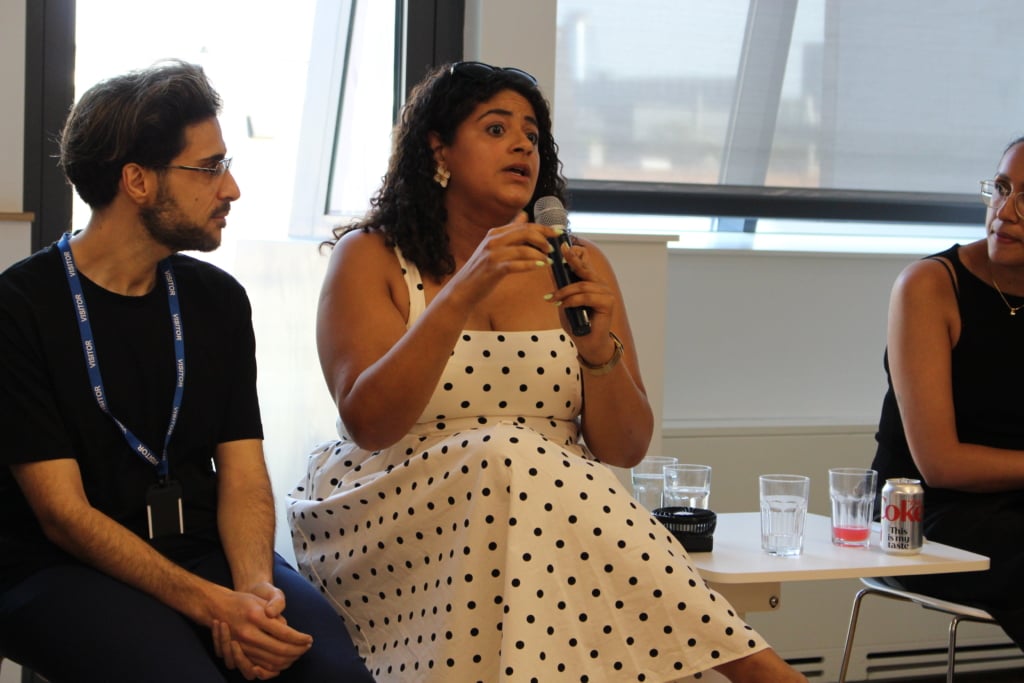
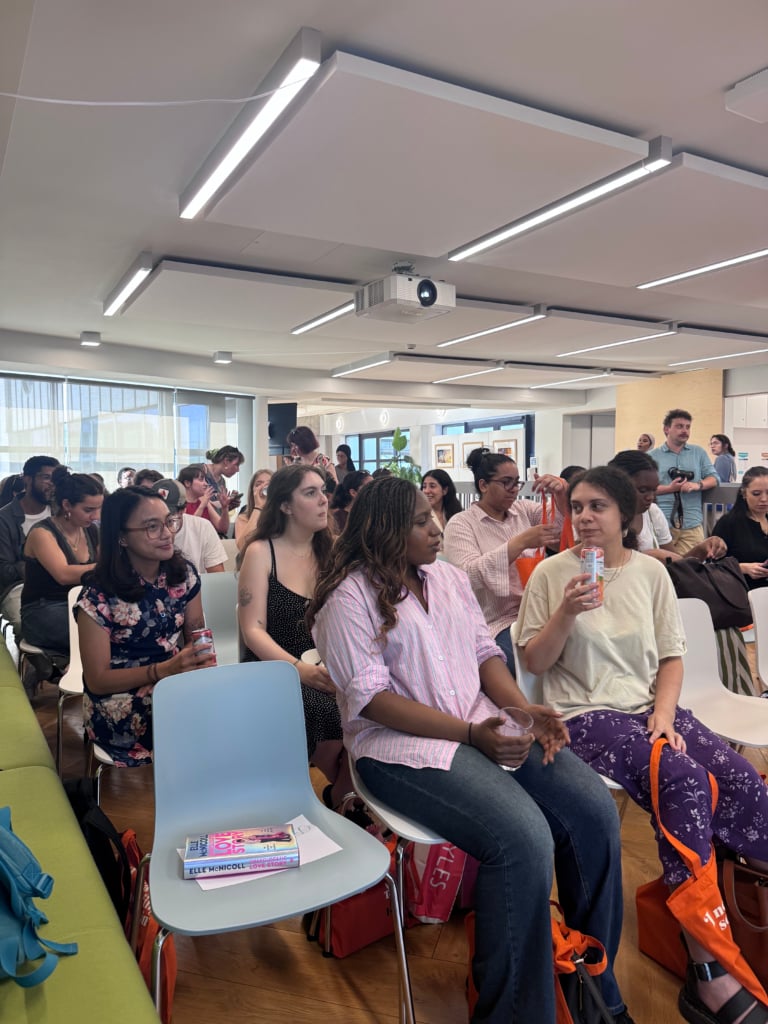
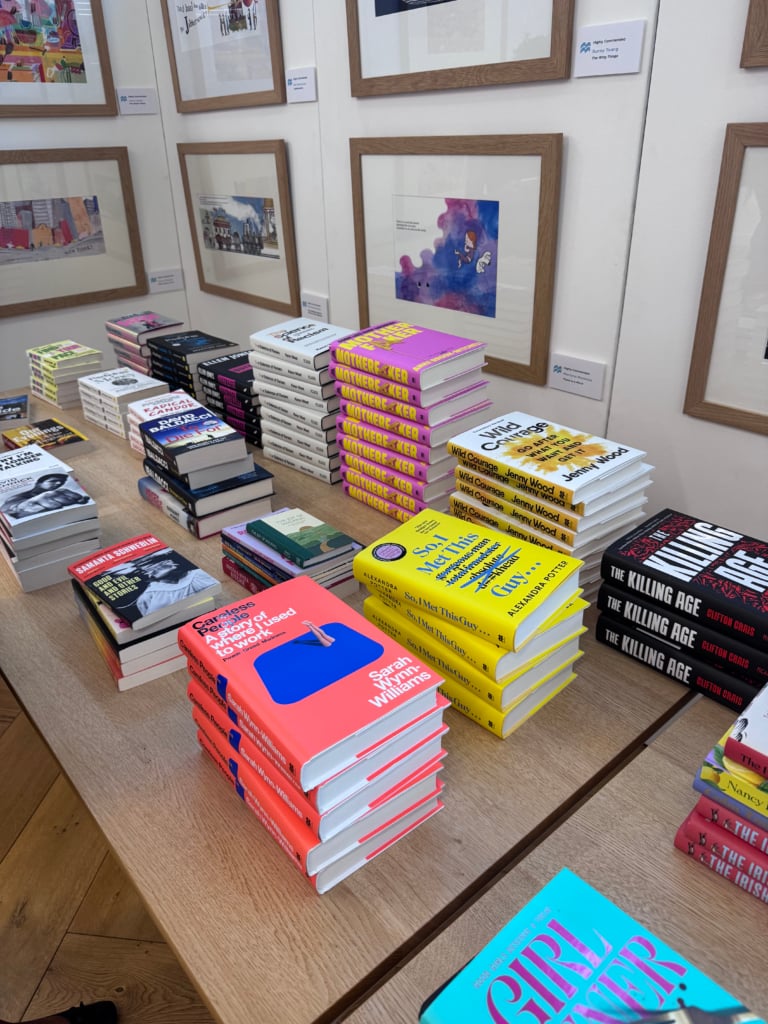
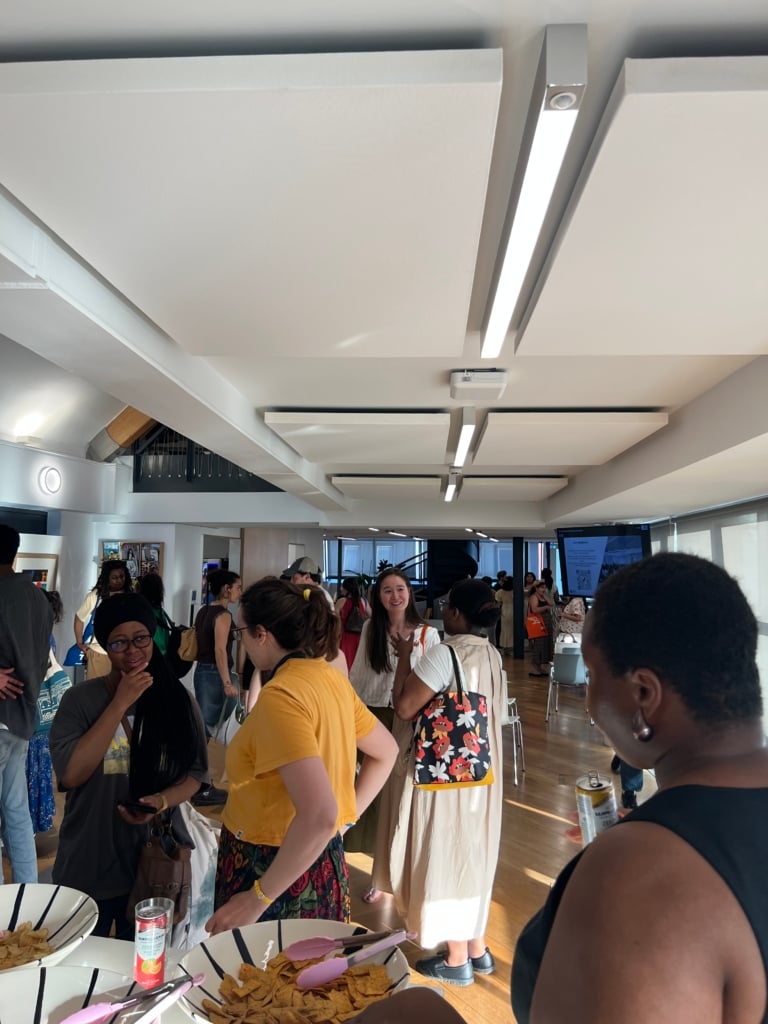
June’s Creative Access masterclass with powerhouse publisher Pan Macmillan was a bittersweet one. Hosted during an historic heatwave, the evening was a warm celebration of community, honest career insights, and what it takes to build a career in publishing. It was also our founder, Josie Dobrin’s, final masterclass as she steps down from her role. In her intro, Josie commented on the historic partnership between Creative Access and Pan Macmillan, as one of the instrumental funders of our mission over a decade ago. The organisation has been instrumental to our legacy and success, so this felt like the perfect masterclass to honour the end of an era!
Chaired by Josie, the expert panel featured a trailblazing team from Pan Macmillan (all CA alumni!):
- Andy Joannou, audience development director
- Cheyney Smith, head of marketing at Macmillan Children’s Books (MCB) and First Ink
- Eishar Brar, publisher, fiction & non-fiction, at Macmillan Children’s Books
- Gaby Puleston-Vaudrey, commissioning editor for romance in the Pan Macmillan fiction team
- Josie Dobrin OBE, co-founder and executive chair at Creative Access
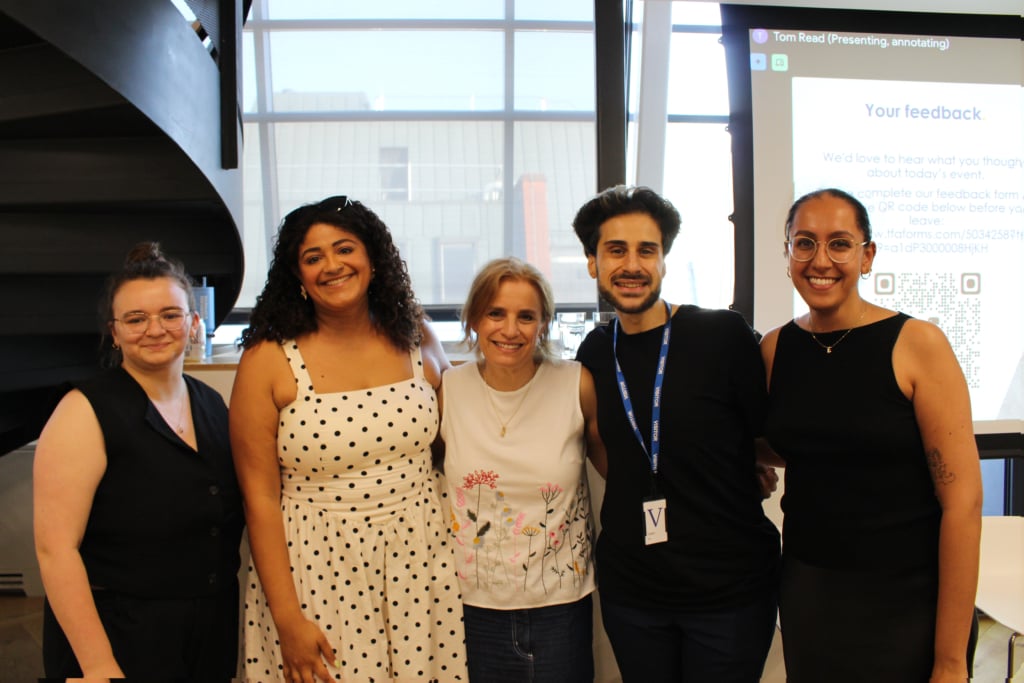
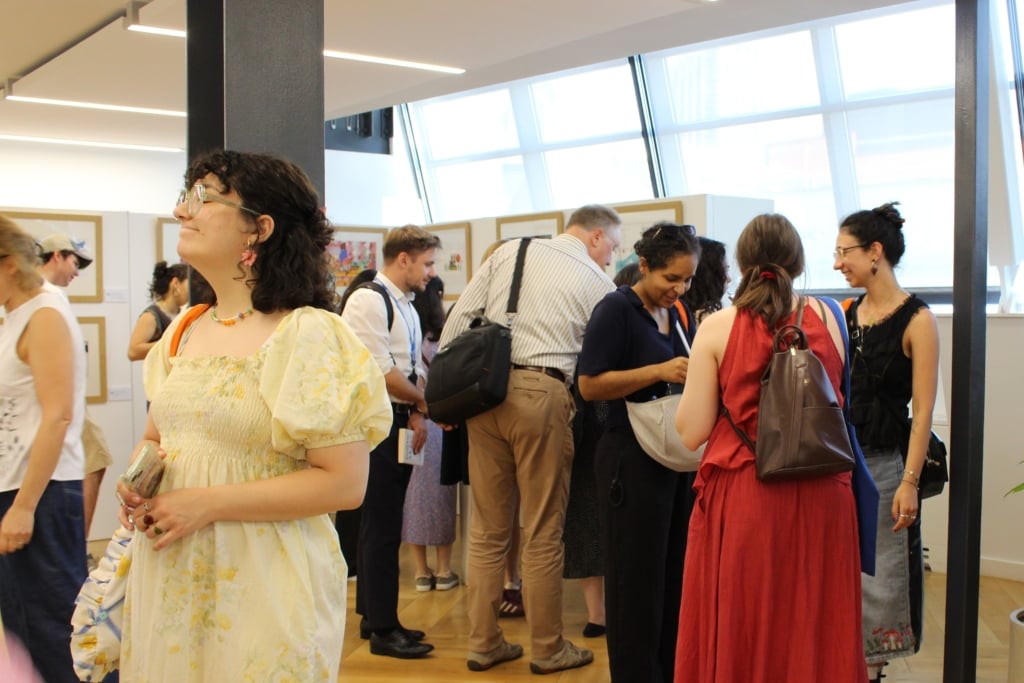
A peek behind the curtain
With such a variety of roles on the panel, each speaker had vital insights to share with our community of publishing hopefuls and seasoned professionals alike. They kicked off by explaining exactly what their titles mean and what a day in their life actually looks like.
For commissioning editor Gaby, it’s all about looking at submissions (which is when authors and their agents send in their manuscripts to publishers), tracking trends on BookTok (huge book-loving community on TikTok), and persuading the wider team which books to publish. Gaby comes with a background in indie publishing and audio, so the transferable skills of communication and project management have been instrumental when managing the publishing process and tracking project progress across teams.
Andy is an audience development director, which means making sure every book across Pan Macmillan’s divisions is seen by the relevant audience across all corners of the internet. He (very helpfully) broke it down for us: “Imagine you click on a book you like, then see it on every other page you go to. That’s my job, getting books to follow you around the internet!”
Cheyney started in editorial as a CA intern and now leads a team as head of marketing. Her role is incredibly varied and involves managing digital ads and social campaigns on everything from picture books to Young Adult (YA) fiction. Day to day, you might find her working with editorial or sales teams, brainstorming creative copy or gathering audience insights, and ultimately making sure Pan Macmillan’s books reach their target market.
It’s a similar story for publisher Eishar: “No two days are the same.” Her role involves managing both fiction and non-fiction titles, ensuring every team is aligned to a clear publishing vision and strategy.
Community at the core
Against a backdrop of BookTok, rising AI usage and readers absorbing stories in more varied formats than ever before, the industry is changing.
Eishar commented that it is more open than it used to be, as organisations like CA work to demystify the different roles and divisions through inclusive employability initiatives and masterclasses like this one. Andy added that new methods of discoverability have made a big impact: “Young people are less likely to be reading now, but there are new channels like TikTok and audiobooks bringing stories to new readers.”
Gaby said social media has dissolved a lot of the barriers that previously existed between readers, publishers and authors. Publishers are less likely to have complete oversight of what’s popular, while authors can be more likely to be experts on their individual audiences. She emphasised the importance of equal involvement: “both [publishers and authors] are bringing different perspectives to the publication of each book”.
Andy also raised his need to build resilience when navigating these online spaces, as the rising role of social media in the process means that publishers are increasingly engaging directly with feedback from their audiences.
On building audiences, Cheyney spoke to how readers are evolving too. “Readers are not as responsive to hard sales or being treated as consumers, rather than community members. It’s more important now than ever to build genuine community and connection.”
We try to reach our readers where they are.
Andy Joannou, audience development director
What are publishers looking for?
On what makes a good submission, Gaby told us it’s all about putting together a strong pitch, knowing comp titles (meaning similar, recognisable works by other authors that help your reader know what to expect) and showing an awareness of current trends so your work can hit the shelves at the right time. Ultimately, she’s looking for that ‘spark’: “As an editor, I can fix things like grammar, but I can’t force a spark from a writer.” Now that genre-bending fiction is on the rise, it’s all about voice and, of course, 2010s nostalgia (yes, that does mean Twilight).
Eishar let us know that the trends in YA fiction are similar. Dystopia and thriller remain popular, while graphic novels are growing hugely in popularity: “people crave original stories” and younger readers are increasingly drawn to the format. In the world of non-fiction, Eishar notes a shift away from the “celeb bubble”. Readers are no longer looking to the stars for insights and are more likely to turn to qualified experts.
In a world where attention is a precious resource, Andy noted a resurgence of books guaranteed to reduce screen time. Activity books like colouring and puzzle books are becoming increasingly well-liked by children and adult audiences, especially as online communities grow around specific trends like ‘cosy colouring’.
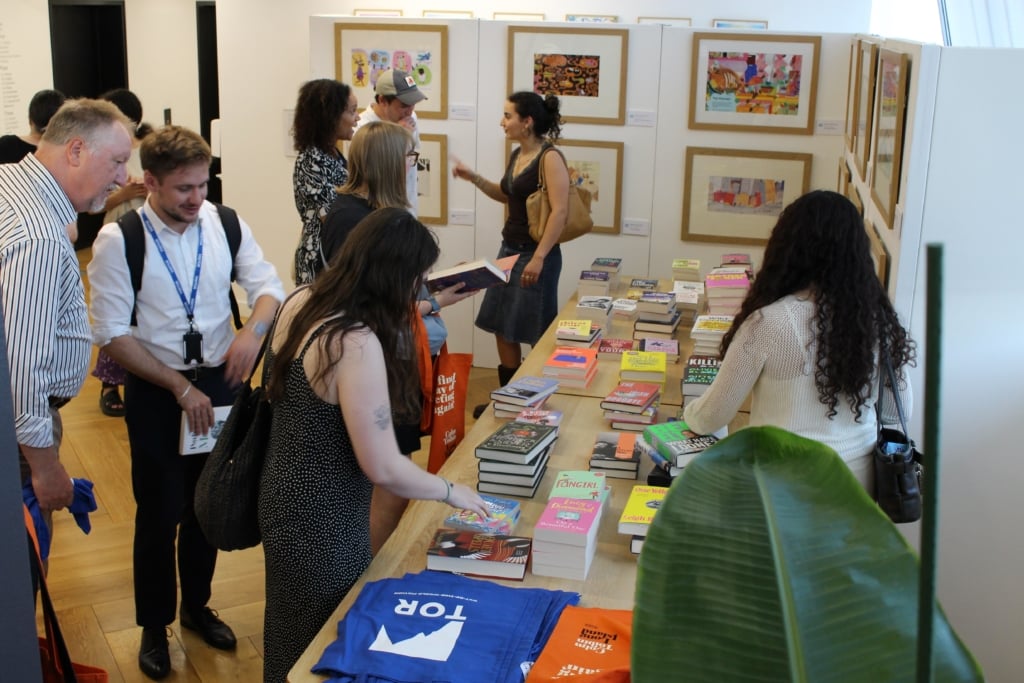
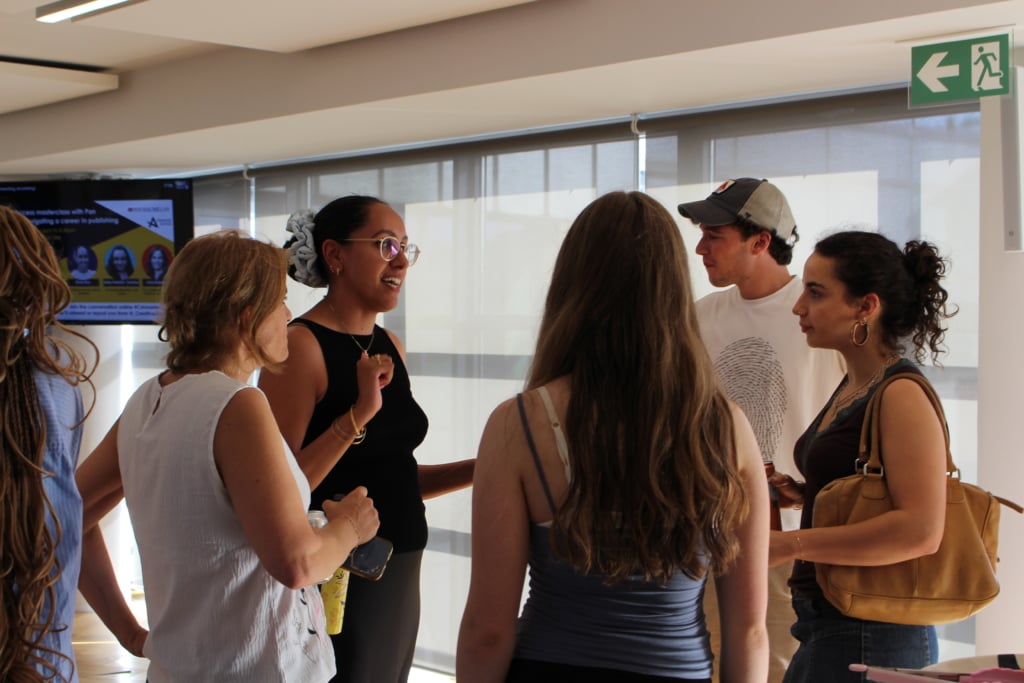
Breaking into the industry
When asked to share advice for publishing hopefuls and people just starting out, Cheyney stressed the importance of being thorough throughout the application process: “We want to get to know you”. Show how much you care about the specific opportunity by researching the company and role carefully then reference what you find in your application materials. Also, answer every question on the application form (yes, even the ‘optional’ ones). Use the first paragraph of your covering letter to demonstrate both your passion and your research. Speak to your relevant skills and experience further down the page.
Eishar echoed this. Attention to detail is hugely important, and clear use of AI-generated material won’t work. Questions like ‘what’s your favourite book’ are vital; take the chance to showcase your personality and passion, as well as your awareness of market trends.
Andy reminded us that a strong application is a specific one. Tailor your application to the role and the skills listed on the job description. For Gaby, it’s also about making any references relevant to the role and the publisher you’re applying to. Formatting and layout are important too; think about the person sitting down to read your application – don’t overcomplicate or overfill the page, and make sure it’s easy for a reader to digest.
Emerging technologies and using AI
AI was a hot topic for our Pan Mac panel!
For Eishar, AI is an emerging skill set and adapting to new technologies is an important part of working life. It can be useful to show awareness of how AI might be applied during the publishing process, especially admin, but warned against becoming overly generic and losing your unique voice:
Don’t be afraid to show you’re a person, not a robot!
Eishar on using AI in the application process
For Andy, it’s important not to shy away from using AI. “We are not going to be replaced by AI. We are going to be replaced by people who can use AI.”
However, Cheyney reassured us all to never underestimate the importance of being able to do our own admin. Diary management, Excel spreadsheets, writing emails and many other processes across the creative industries rely on administrative skills. These are transferable skills that can be developed through a range of experiences and are still essential despite the rise of AI usage.
Audience questions
Our audience asked some great questions.
On experience that helps applicants stand out, Eishar and Andy spoke to showcasing passion by building a portfolio of prospective work and/or online presence through platforms like BookTok, Bookstagram and Substack. Having online courses like Pan Macmillan’s virtual career insights programme on your CV showcases clear commitment to building skills and gaining industry knowledge.
On career switching without traditional experience or educational background, Josie emphasised just how much of an asset career switchers are to creative teams.
When prepping for interviews, you might want to consider questions like: what did the publisher do to market this book? How did the campaign work? Why was it successful? What did you like about it?
Ultimately, we just want to see a love of books!
Eishar Brar, publisher, fiction & non-fiction, at Macmillan Children’s Books
Huge thank you to Pan Macmillan for hosting us, our panellists for sharing their insights, Josie Dobrin for chairing AND for almost 15 incredible years at Creative Access, and our community for joining us on a warm summer’s evening!
To join future Creative Access masterclasses and hear directly from leading voices across the creative industries, make sure you’re registered with us and keep an eye on our Opportunities Board.
Welcome to Meet the CA Team, our latest series where we delve into our team’s career journeys – from what their roles look like day-to-day to what led them to Creative Access. To kick things off, we sat down to chat with our recruitment assistant, Evie, over a cuppa.
Evie Prince-Hodges joined CA as a trainee in our Access team in 2025, supporting individuals into roles across the creative industries. Since graduating with a degree in Neuroscience in 2024, Evie’s used her STEM background to build a successful hospitality career, before taking everything she learned to career-switch into recruitment, talent management and DE&I. In our chat, Evie reflected on how to make an application stand out, what it’s taken to see herself as a creative, and the confidence she’s built along the way.
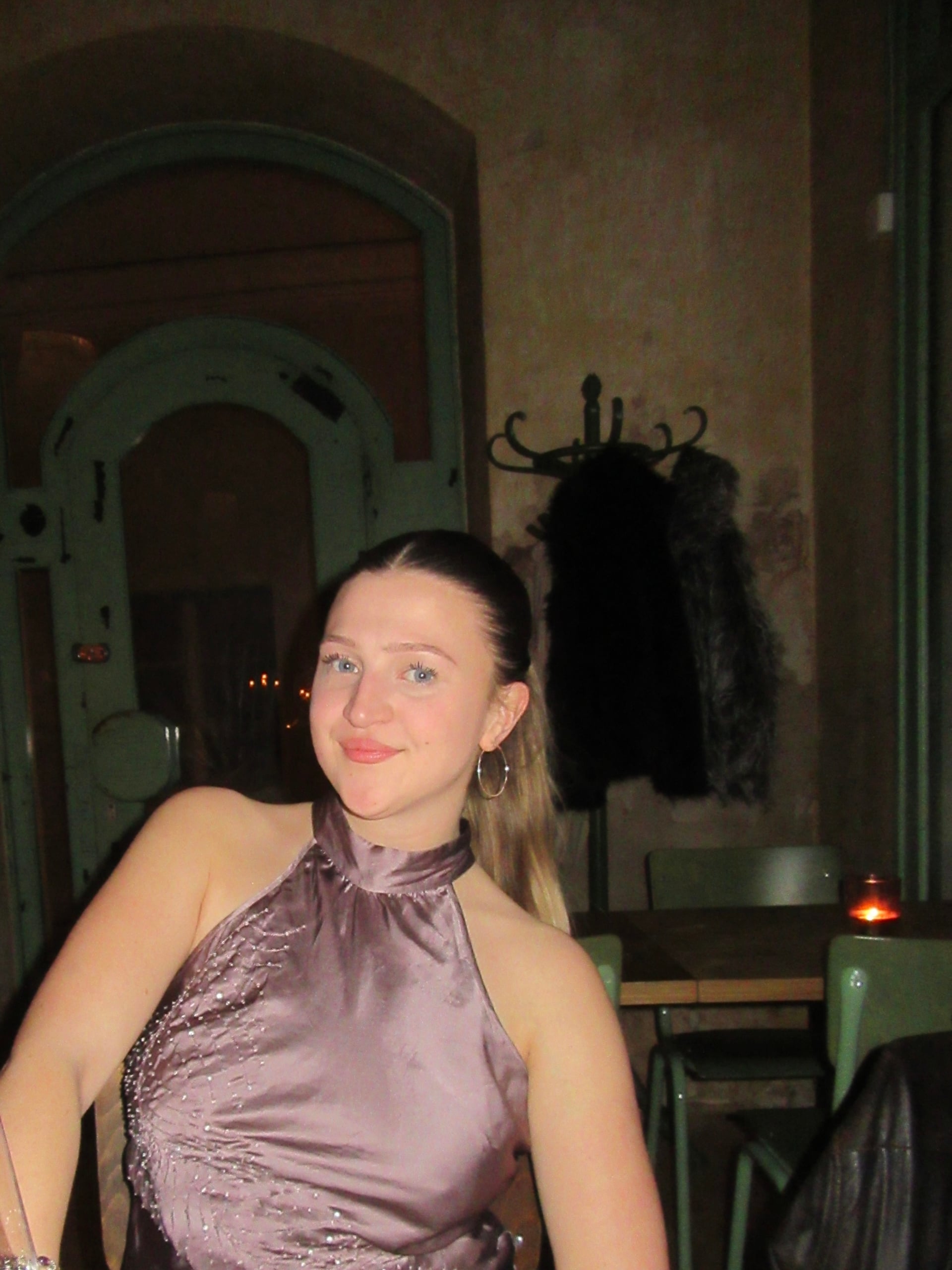
CA: How would you describe your traineeship in three words?
Evie: People-focused, engaging and enriching.
Let’s start by looking back. What first sparked your interest in inclusive recruitment and DE&I?
I fell into recruitment. I started in hospitality after university, where I studied Neuroscience, then worked my way up into roles where I ended up taking on more recruitment and training activities. I realised that I really loved those people-centred roles. Being able to help candidates through the recruitment process, learn more about them and help them thrive in their workplace really, really interested me. This led me towards my current role and Creative Access in particular.
What I enjoy about working in DE&I is that it’s more than just a term. It’s about being really active and recognising that people have different backgrounds and lived experiences that they bring to work. Being able to work in a sector that actively supports people and celebrates those differences is really important to me.
You started at Creative Access as a trainee in the Access team last year. What skills did you develop the most during your traineeship?
I would say probably my confidence.
When I first joined Creative Access, I sometimes struggled to trust my intuition or be confident in my decisions.
It wasn’t necessarily because I didn’t know the answer to things; it was oftentimes because I was scared to make mistakes, or I was worried that people wouldn’t think I was capable. But I think I’ve learnt that making mistakes is a really common thing, and there’s always something that you can learn from them.
I think the working environment has really enabled me to trust my intuition and be encouraged to ask questions and learn as much as I can. I’ve gained a lot of confidence both in myself and my work through being here.
Huge congratulations on your new role! Now that you’re an assistant, what does a typical workday look like for you in the Access team?
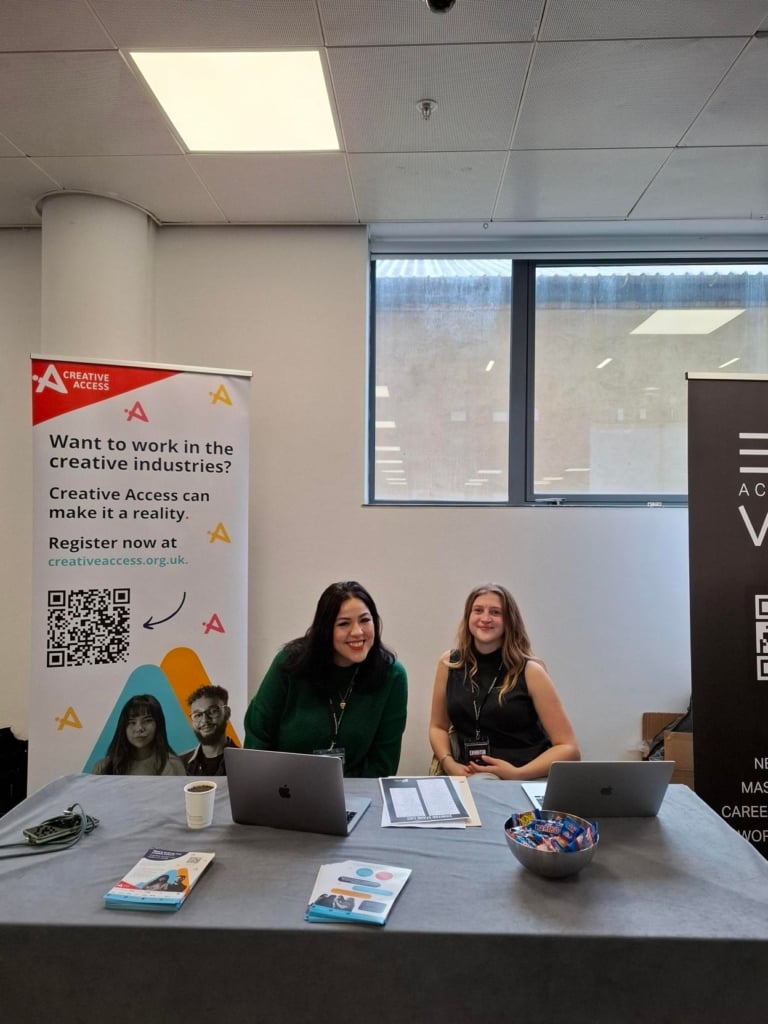
I have a lot more autonomy in my role now that I’m an assistant and feel a lot more confident running all parts of the recruitment process. I’d say, what I like about my role is it’s really varied, so whether that is helping organise interviews, jumping on calls with new employer partners to hear about what they’re looking for in a trainee, helping answer candidate queries and questions, the main parts are all really people-centred.
Normally in the afternoon, I’m heads down with a cup of tea, reading lots of applications, which is still really nice to hear about people’s experiences and backgrounds. But I think that’s what I like, while it’s quite different varied tasks, they’ve all got people at the centre of them.
What’s your favourite part of working in recruitment or with candidates?
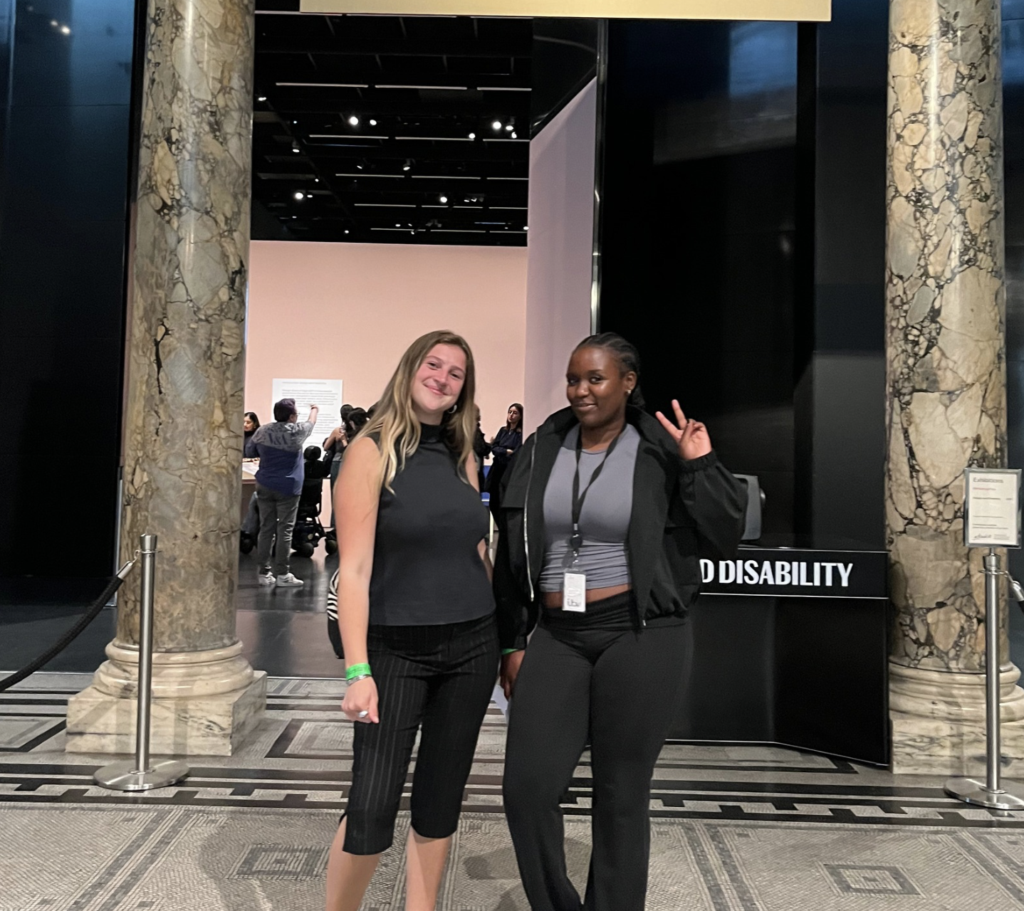
My favourite part is when I read a job application or I meet a candidate in the process and I just think, wow, your values and your experiences and your interests align so well with a specific role. Then, seeing their application progressed to being the person that actually lands that role – getting to be part of that process is great. Identifying and finding the match, and then also hearing, not only from the candidate, but from the employer, how well they’ve gone on to do in their organisation and how they’re just really thriving. It’s really nice to know that you can be a small part of that person’s journey.
What is something that you found challenging at first, but you’ve grown more confident in?
To be honest, I’d say coming from a hospitality background, it was just adjusting. I was used to working somewhere that was fast-paced and reactive and had late-night shifts. Moving into more of a structured office environment, I had to get used to those small things, like waking up early.
But also, as someone with ADHD, having to be more proactive about planning and structuring my workload is something I had to adjust to. I’ve learnt to be really honest with myself about what I’m able to do in a day, only taking as much as I can handle and not over-promising. That was a bit tricky to wrap my head round at first, but I think I’ve gotten the hang of it now.
Now that you know all the behind-the-scenes tips and tricks for putting together CVs and applications, what is one thing job applicants often overlook that can make a big difference?
I think people often will tailor their cover letter, but they forget to tailor their CV.
Sometimes people will have a little ‘about me’ bio, and it might be that they’re applying for a marketing role, but the bio says they’re looking for a role in finance. And it’s those little things – especially if you’re saying that one of your skills is attention to detail, then it’s about actually having that eye for the things that might feel small but make a big difference in such a competitive job market.
Another bit of advice would be to keep your CV up to date. I think it’s very common to forget to update your CV, and then when you come to make one, you have no idea what to put on it. So, it’s useful to be proactive.
Also, highlight the impact of your achievements in your cover letter. It’s great to list experiences and responsibilities, but highlighting the impact you’ve actually had and the difference you made to the project or team can help you stand out.
Coming back to you and your journey, how would you say this role has shaped your future career goals?
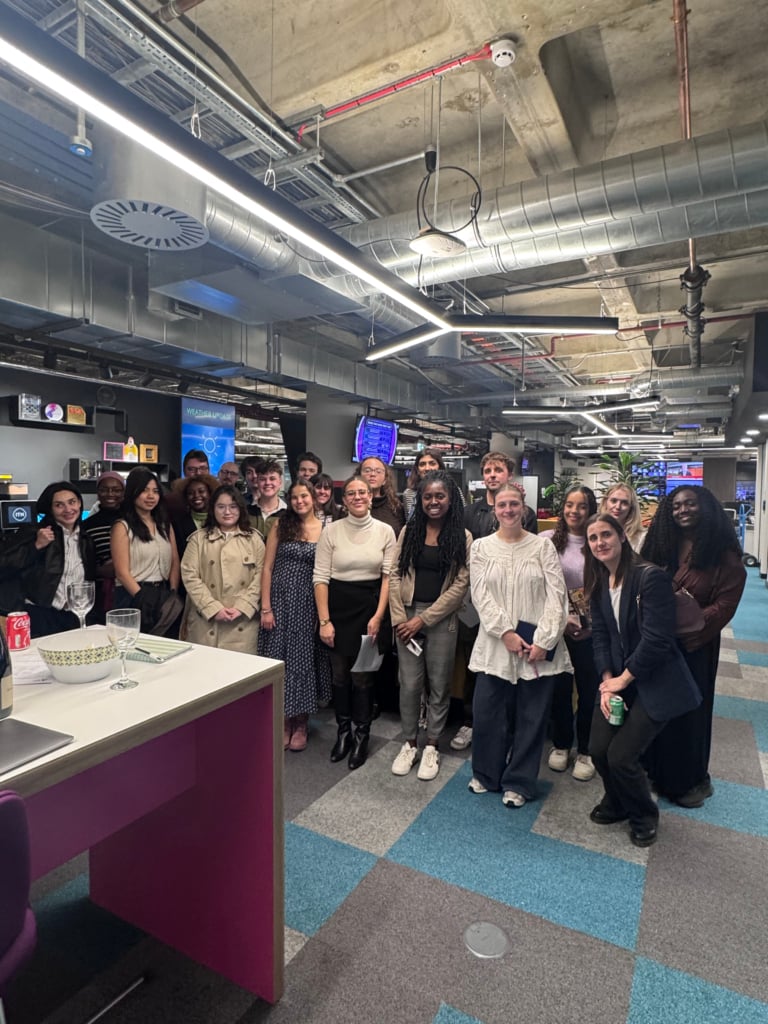
I’d say this role has really made me a lot more aware of the different roles that exist. I think coming in from a STEM background, I kind of had no idea of the depth of the different roles that exist within the creative industries, especially behind the scenes. It’s really solidified that this is an industry I want to work in, specifically within the DE&I space.
Why is it important for you to support people from under-represented backgrounds into the creative industries?
I actually think this is something I spoke about in my interview.
Creative work reflects people’s lived experiences and their background, so having diverse and under-represented people in these spaces is so important, because then you get work that actually reflects society.
I think it can be easy to assume you don’t fit somewhere when you don’t see people like you represented, which is why having diverse perspectives in the industry is so meaningful.
And, not only can people see themselves represented, but also be exposed to different experiences and perspectives that they might not interact with day-to-day.
What would you say to someone who feels like the creative industries might not be for them?
I think that’s quite a common feeling that I resonate with strongly. I remember when I was younger, a teacher said to my parents at parent’s evening, “Evie has no imagination.”
That stayed with me. Even being younger, my creativity didn’t show up in a typical way, so I think I assumed being creative and working the creative industries meant you have to be “the maker” or the person creating “the work”, which meant that I didn’t see myself as someone who possibly could build a career in the creative industries.
Being able to explore different roles and learning that there’s not one linear path into the creative industries was so important for me.
Like I said, it’s hard to see yourself in a place where you’re not represented, but I think that are so many good organisations that are working to create spaces to open up access and really advocate for people. So, I think finding those organisations, reaching out and getting involved in the work they’re doing is key.
The whole team has hugely enjoyed working with you and being part of your career journey. How has it felt being part of the Creative Access team?
Oh, it’s been great. Everyone here has been so welcoming from day one and I’ve made some amazing friends here.
Something that really stands out to me is just how supportive people are – pushing you outside of your comfort zone, recommending opportunities you haven’t thought of for yourself, pushing you to do things and just believing in what you can do. It’s just been amazing to be part of something like that.
For people applying for roles in inclusive recruitment or talent management, what skills do you think are most important?
You have to be organised. You might be looking after lots of different roles at the same time, so you also need good attention to detail. Especially for recruitment in the DE&I space, you have to care about people. Be genuinely invested in the people you’re supporting and finding roles for.
You’ve had this incredible journey from STEM to hospitality to the creative industries. What’s one thing you wish you knew before starting your traineeship?
It’s okay not to know everything. To ask questions, to take more opportunities. Say yes to things. There are some things I look back on and think, oh, it would have been great to get involved in that. Looking back, it probably came from a lack of confidence, so now I’m willing to put my hand up for more things.
Especially in a traineeship, it’s all a learning opportunity. It’s all a chance for you to be involved in different things and figure out what really you want to do.
What does thriving in your career look like to you?
To me, thriving in my career looks like being in a role that’s really aligned with my values, passions and interests. Being in a role where I feel fulfilled, whether that is through the work that I’m doing or the environment that I’m working in is really important to me. Also, knowing the work I do makes a meaningful difference is something that signifies thriving to me.
Finally, we’d love to know your three favourites. What’s your favourite musical, film and book?
I always find this so hard.
My favourite musical is probably A Chorus Line. It’s about people auditioning to be in a show, and you get to see the individual experiences.
I think my favourite film would have to be Little Miss Sunshine. It’s a great film about family dynamics. Or Pride & Prejudice (2005), which I know is a very basic answer but it’s such a good film and definitely my comfort movie.
What’s my favourite book? It might also be Pride and Prejudice by Jane Austen, so I’m doubling up on that.
Thank you so much for your time, we can’t wait to see what you do next!
Stay in touch with Evie and follow her work on LinkedIn.