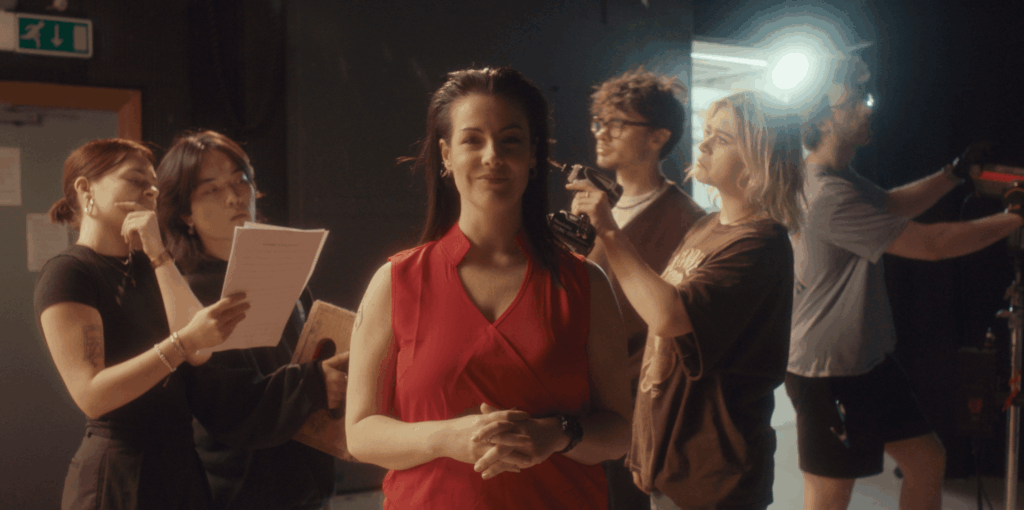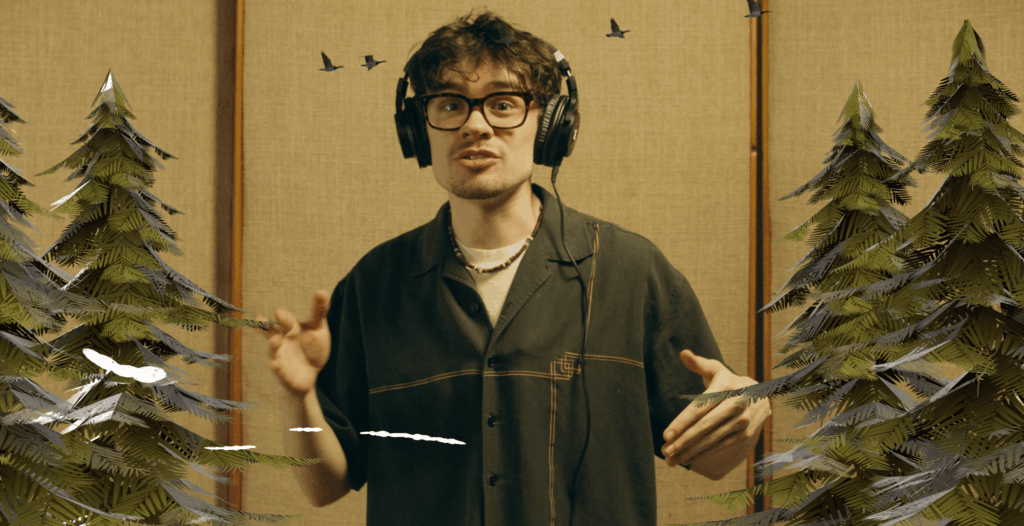
We sat down with Dr Laura Stephenson, senior lecturer in film and course lead for the BA film program at the University of Westminster, to chat about Screen Futures – an initiative designed to make film and television education more accessible to everyone.
So, what exactly is Screen Futures?
“Screen Futures is all about giving everyone a fair shot at studying screen production at university,” Laura explains. “It’s for anyone curious about film or TV school, and it gives a behind-the-scenes look at what admissions teams actually pay attention to in applications.”
The program offers six short videos guiding students through putting together a moving-image portfolio and personal statement. “Even if you’ve only made short films on your phone, these videos show you how to highlight your creativity and storytelling skills.”
Why did you feel it was important to start this initiative?
“Support can make a huge difference,” Laura says. “Some students have parents or teachers in education or the arts, or access to creative networks through clubs and activities. Others might be the first in their family to go to university or go to schools that focus mostly on traditional subjects. For them, applying to film school can feel daunting, or they might not even try at all.”
Screen Futures aims to level the playing field. “We want everyone to feel confident about applying, no matter their background,” she adds.


Why does accessibility and inclusion matter in film schools?
“It’s simple: a more diverse group of students leads to a more diverse workforce. The UK is celebrated for its arts and culture, but many talented screen artists come from privileged backgrounds. By opening doors for students from all walks of life, we can help create a screen industry that’s more representative, and that means more exciting, varied, and meaningful stories on screen.”
What are your top three tips for people applying to film school?
- Show you can work collaboratively
- Don’t be afraid to take creative risks (be bold!)
- Demonstrate you want to make meaningful films about real-world issues
What does a film school application actually need?
“Every school is a little different, but most will ask for a personal statement, usually 2–3 paragraphs explaining why you want to study the course, what experience you already have, and what you can bring to the program. Many will also ask for a short film or moving-image sample. And don’t worry it doesn’t have to be perfect. Even a film made on a phone with free software works, as long as it shows your creativity.”
Where can students find out more?
“It’s all about making screen education open to everyone.”